



























Home / Field Notes

Field Notes

These short articles answer practical refrigeration and aircon questions from working sites. They are written for owners, managers and supervisors who need clear local guidance.

Field Notes
Compressor Failure Signs

Compressor Failure Signs

Common warning signs before a refrigeration compressor finally stops.

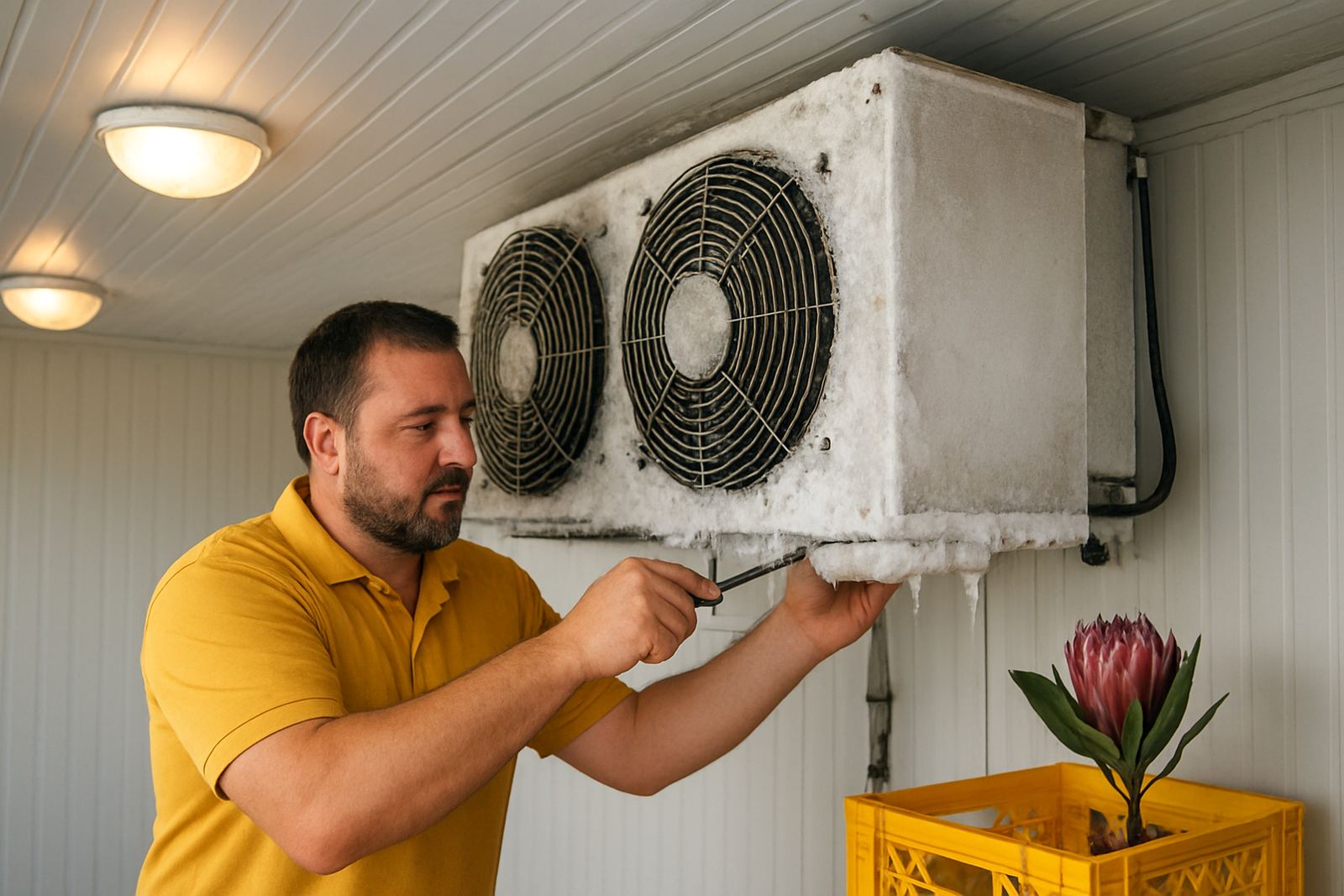
Ice on Evaporator

Ice on Evaporator

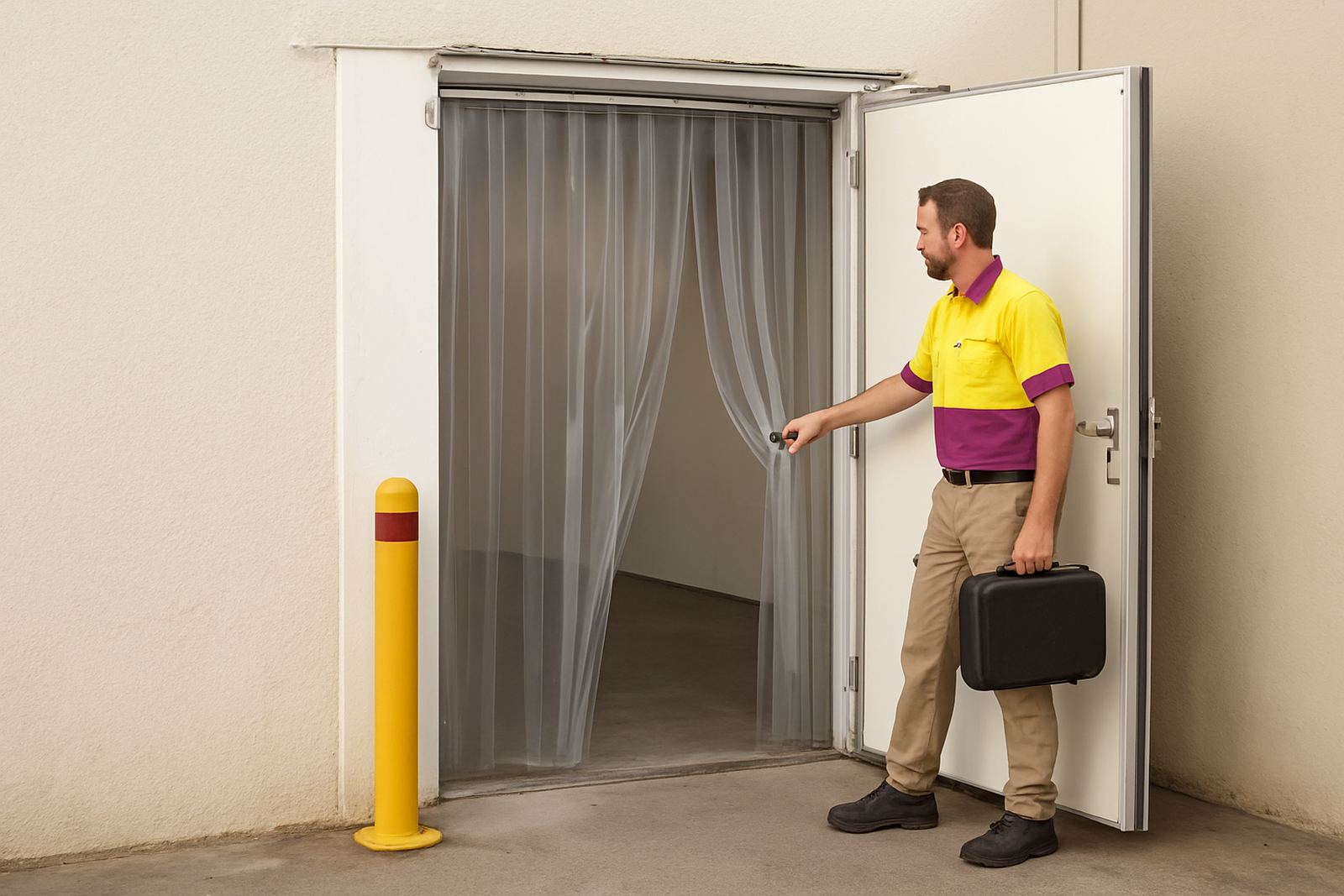
Why evaporator icing happens and what it usually points to on site.

Warm Shop Display

Warm Shop Display

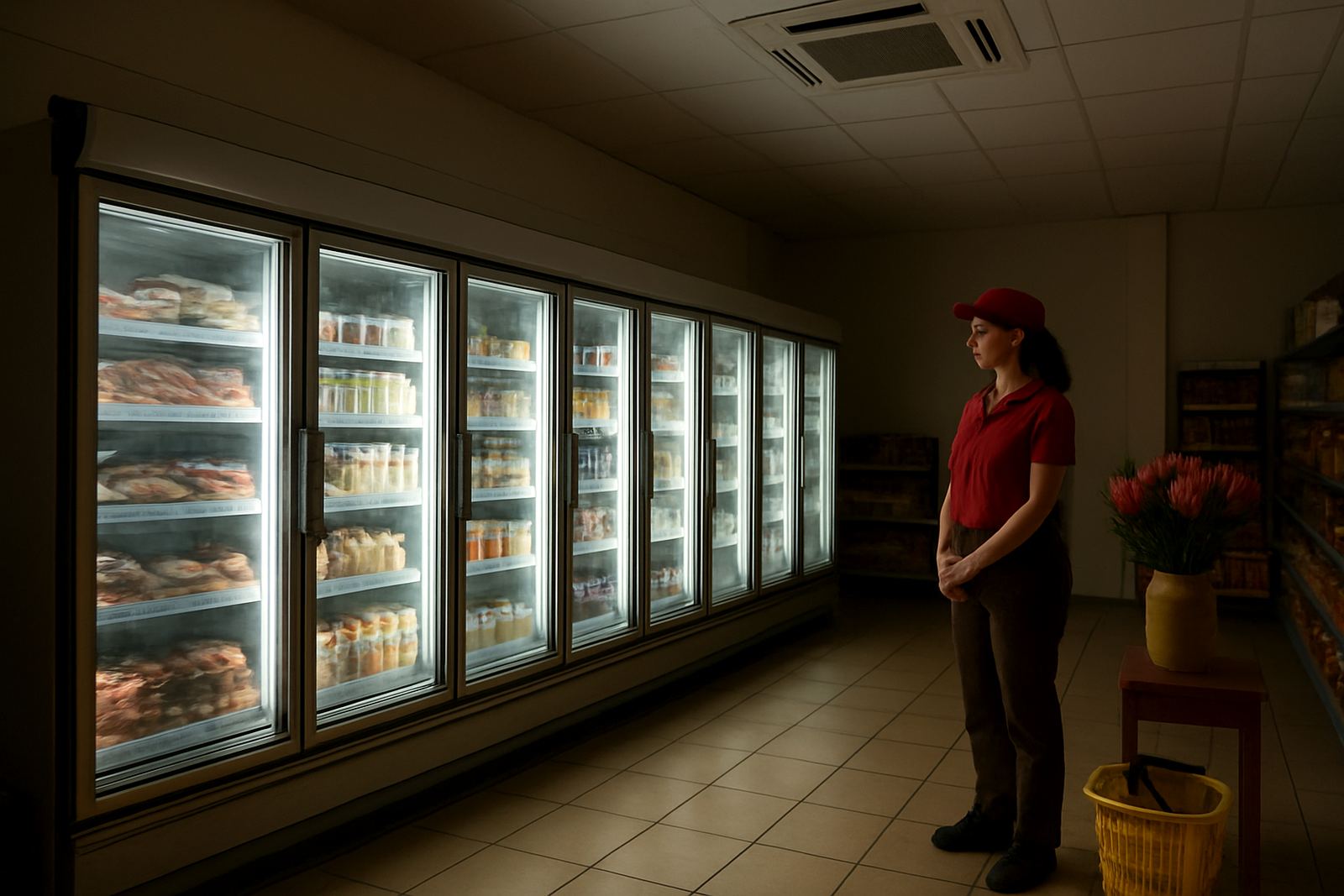
What to check when a display fridge is running but not cooling properly.

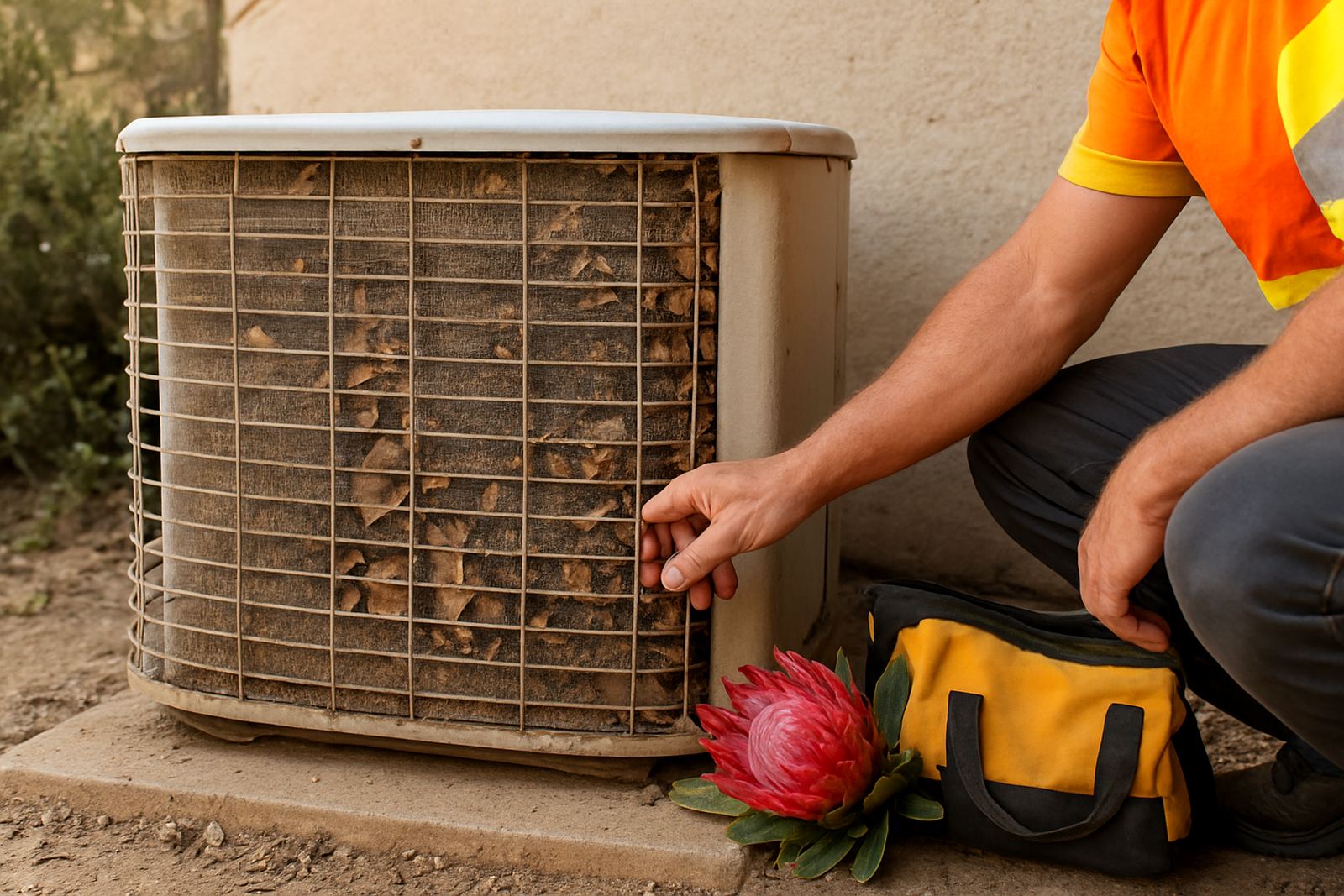
Blocked Condenser Effects

Blocked Condenser Effects

How dirty condensers drive up running strain and reduce cooling performance.

Door Seal Problems

Door Seal Problems

How worn seals increase temperature loss, moisture and icing.

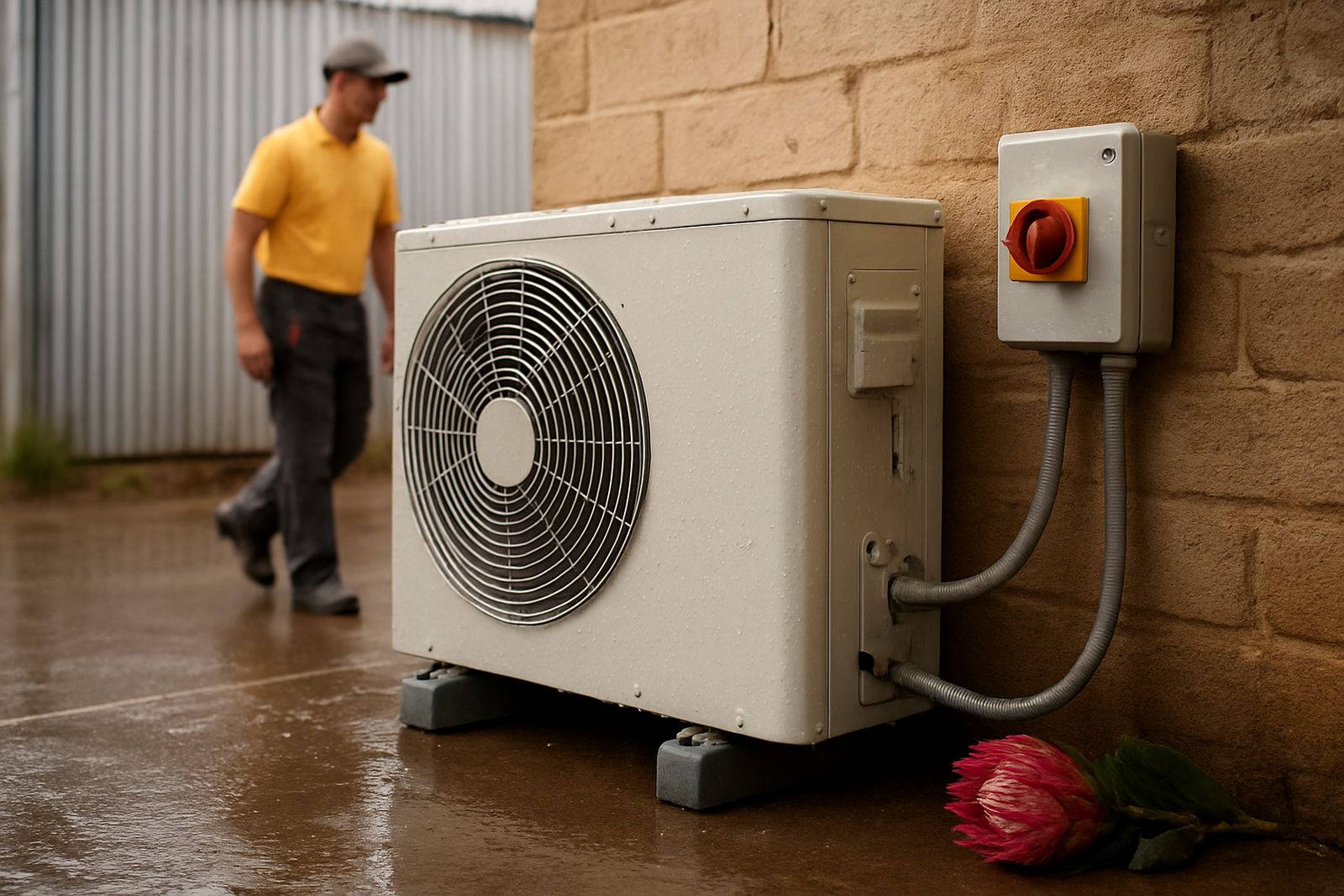
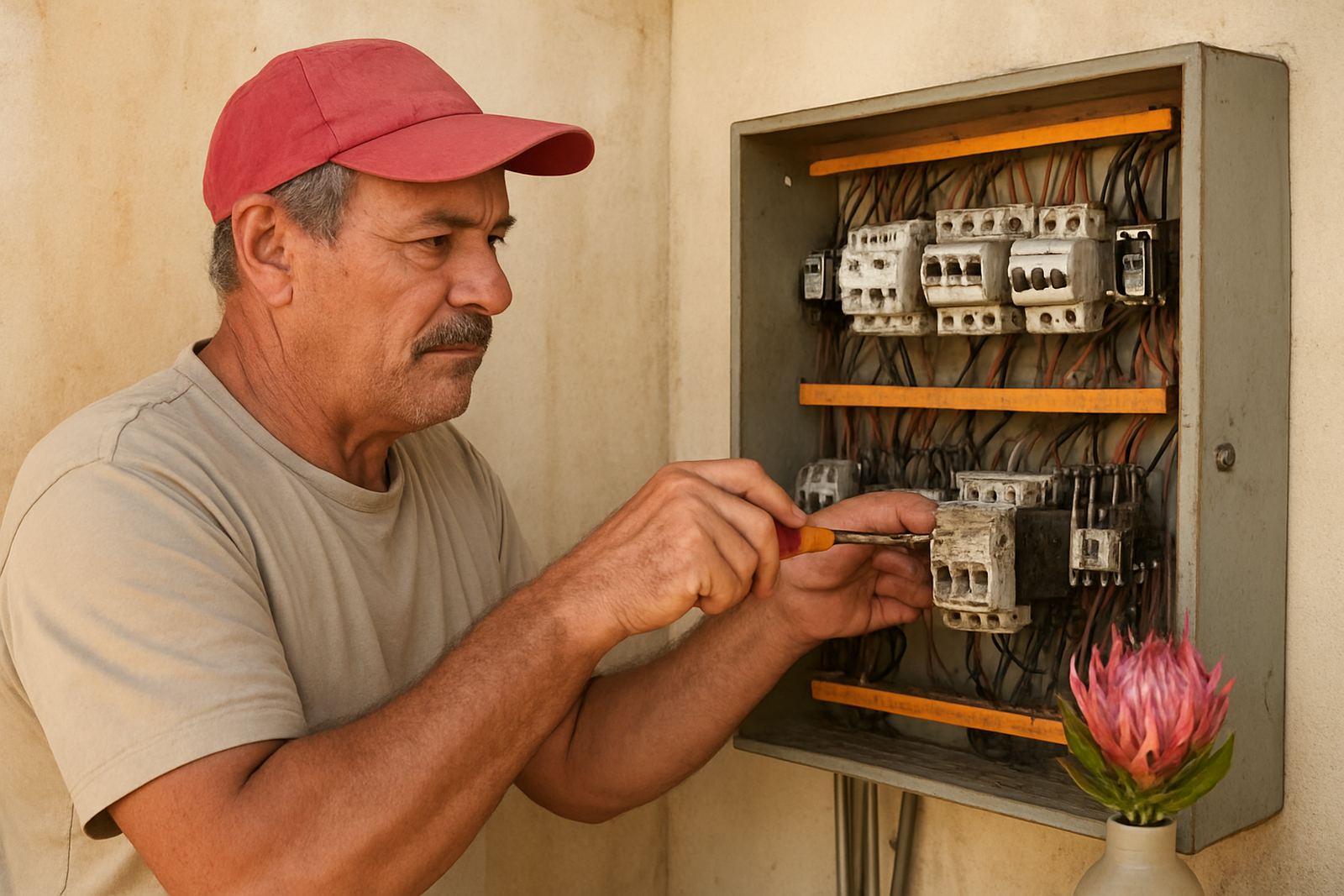
Power Trip After Rain

Power Trip After Rain

Typical reasons refrigeration circuits trip after wet weather in exposed areas.

Freezer Door Won't Close

Freezer Door Won't Close

Likely causes of sticking, icing and misaligned freezer doors.

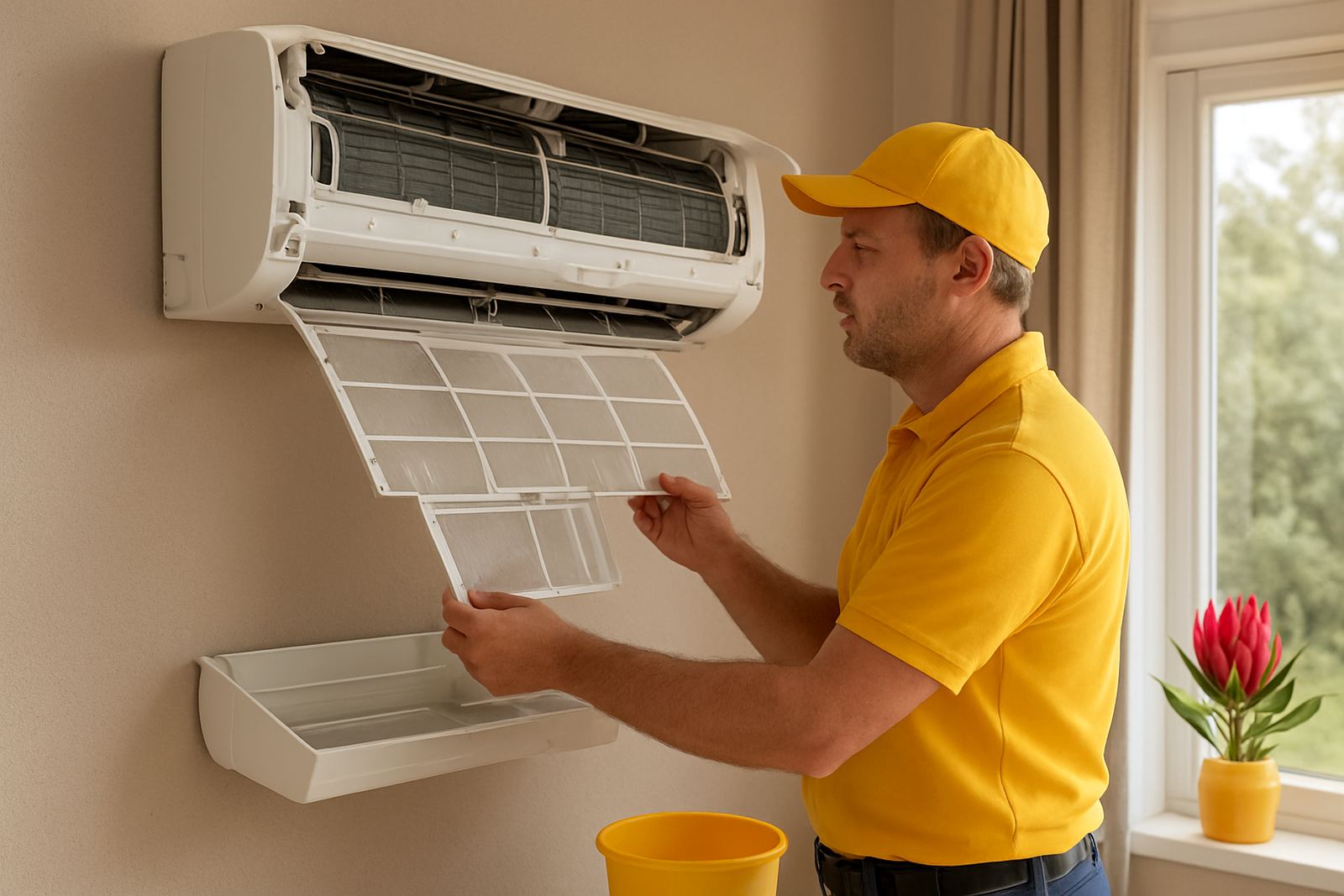
Smelly Aircon Causes

Smelly Aircon Causes

Why indoor units develop odours and what cleaning usually solves.

Poor Airflow in Shop

Poor Airflow in Shop

Practical causes of weak airflow from retail aircon systems.

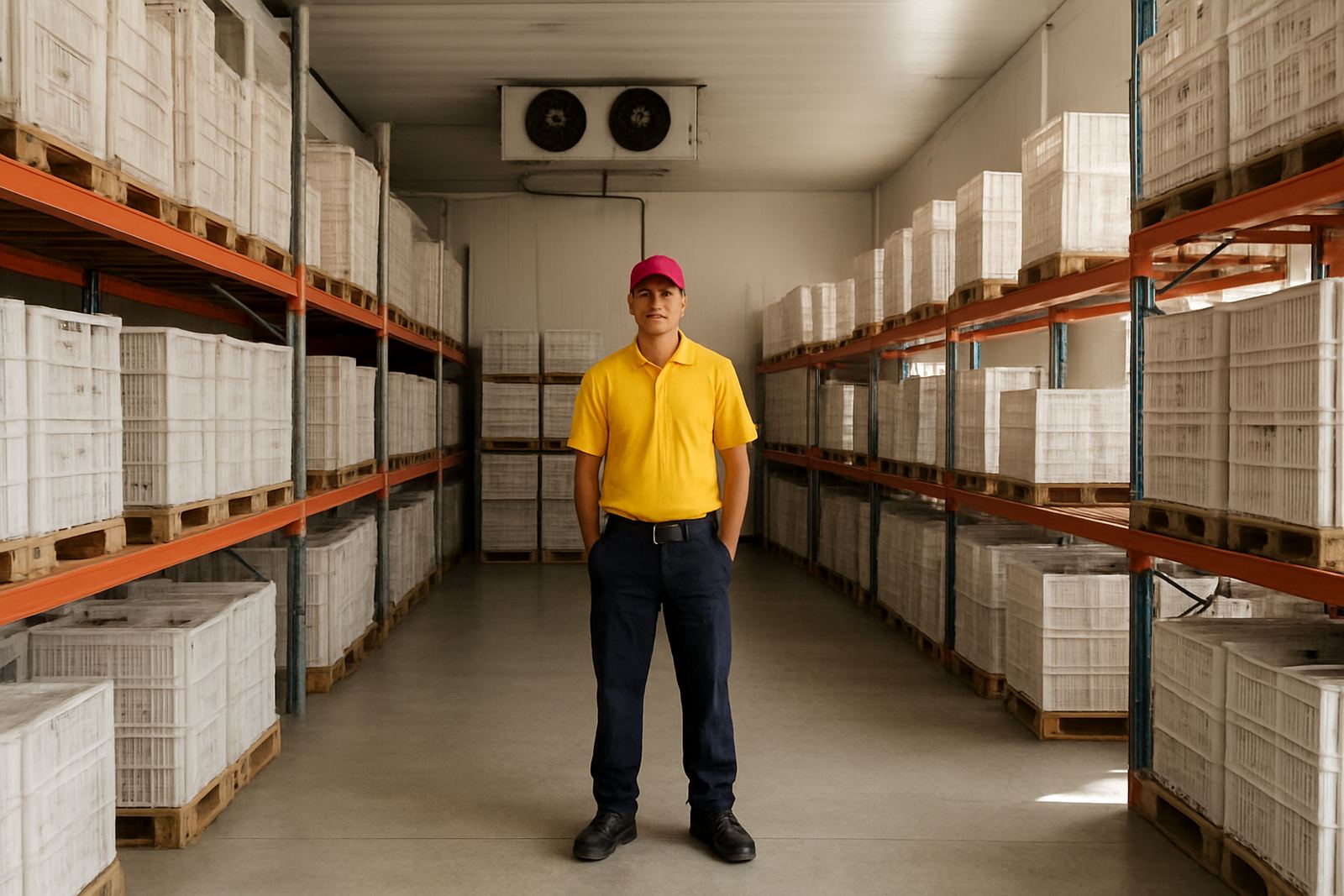
Cold Room Condensation

Cold Room Condensation

Why moisture forms around doors, ceilings and panel joints.

Farm Milk Room Cooling

Farm Milk Room Cooling

Basic cooling issues that affect milk room reliability on farms.

When Re-Gas Is Needed

When Re-Gas Is Needed

How to tell when refrigerant loss is likely and when it is not.

Night Noise From Unit

Night Noise From Unit

Possible causes of loud after-hours refrigeration and aircon noise.

Stock Loss After Breakdown

Stock Loss After Breakdown

Immediate steps to protect chilled stock during a cooling failure.

Summer Overheating Offices

Summer Overheating Offices

Simple reasons office areas heat up even when aircon is installed.

Air Curtain Worth It

Air Curtain Worth It

Where doorway air barriers help and where they do not.

Why Drains Block

Why Drains Block

Why evaporator drains clog and what sites can do between services.

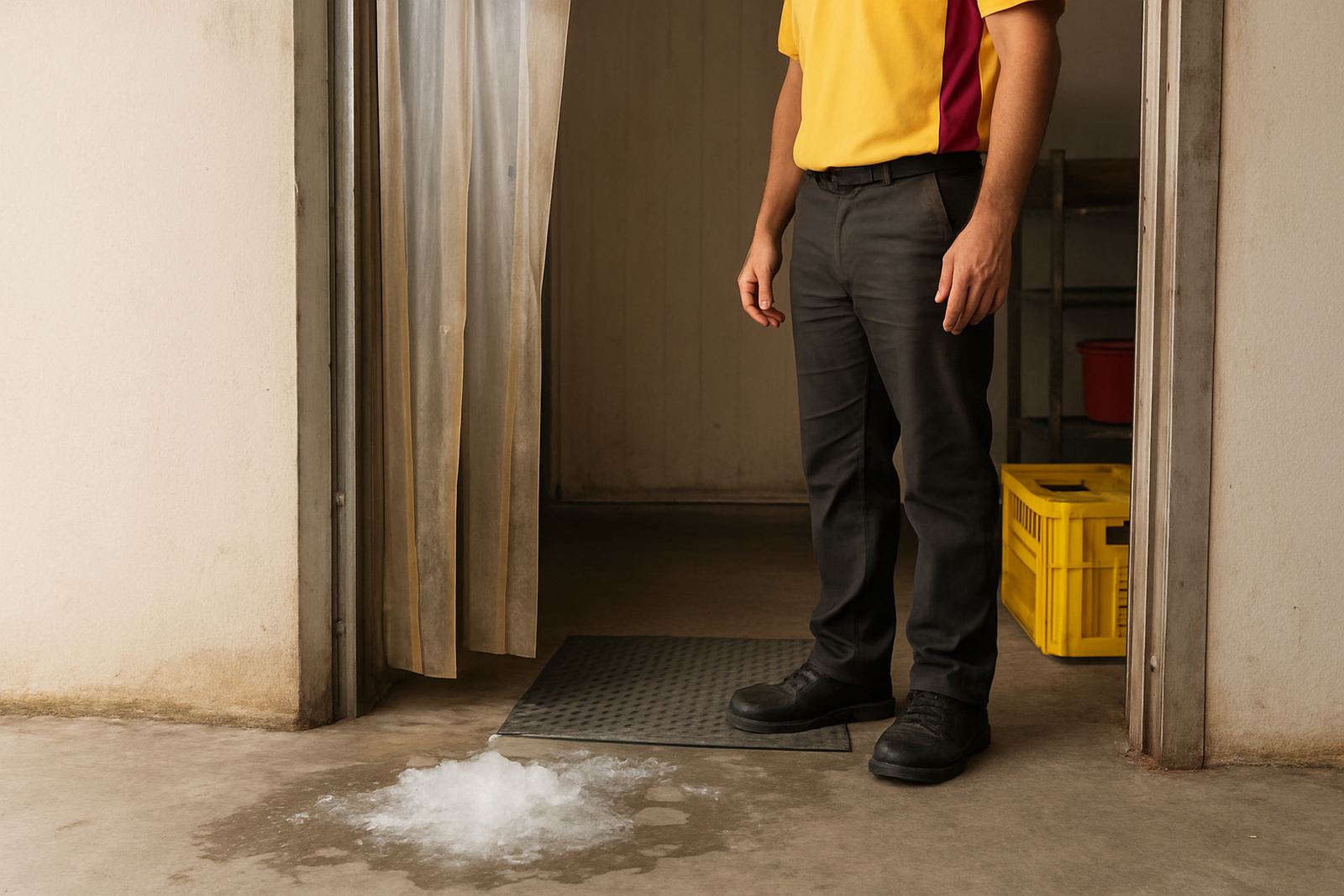
Slippery Freezer Floor

Slippery Freezer Floor

Typical sources of moisture and ice on freezer room floors.

Shop Fridge Short Cycling

Shop Fridge Short Cycling

What repeated start-stop behaviour usually signals in a retail fridge.

Harvest Season Checklist

Harvest Season Checklist

A practical cooling checklist before fruit movement starts rising.

Winter Aircon Servicing

Winter Aircon Servicing

Why cooler months are often the best time for planned aircon work.

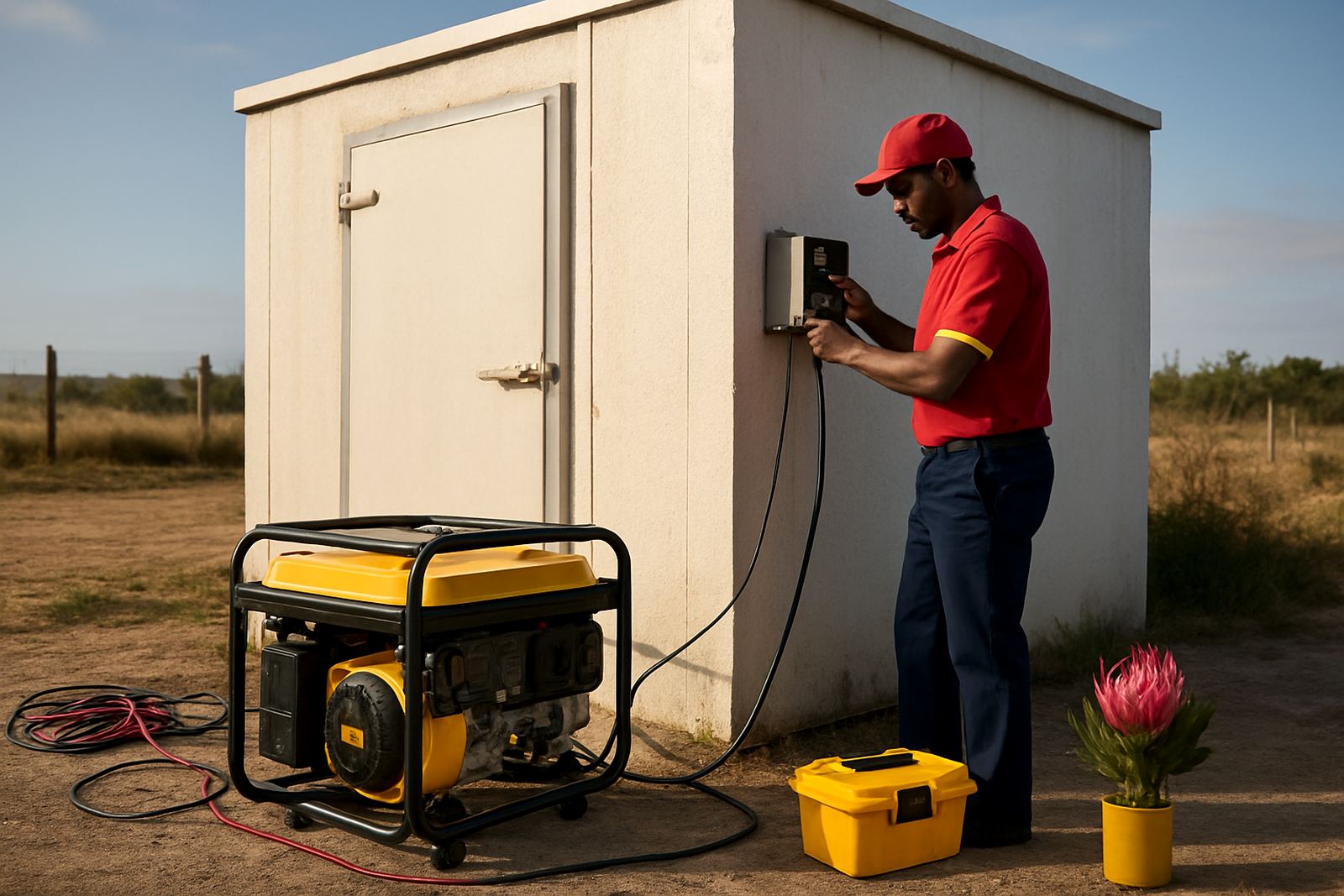
Generator and Cold Room

Generator and Cold Room

What to consider before running refrigeration from standby power.

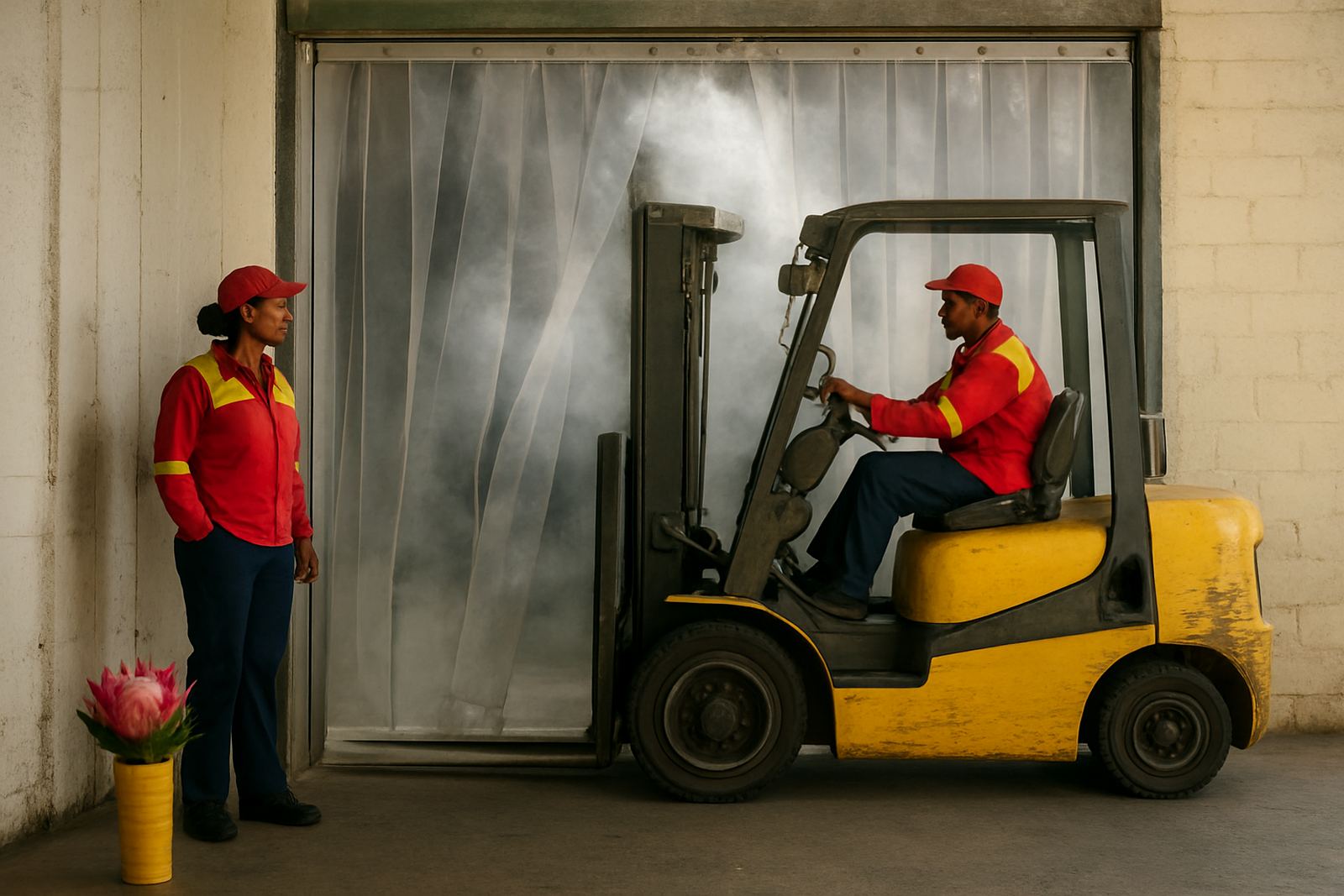
Packhouse Door Cycles

Packhouse Door Cycles

How frequent opening affects cooling load and room performance.

Cellar Temperature Swings

Cellar Temperature Swings

Common causes of unstable temperatures in smaller cellar spaces.

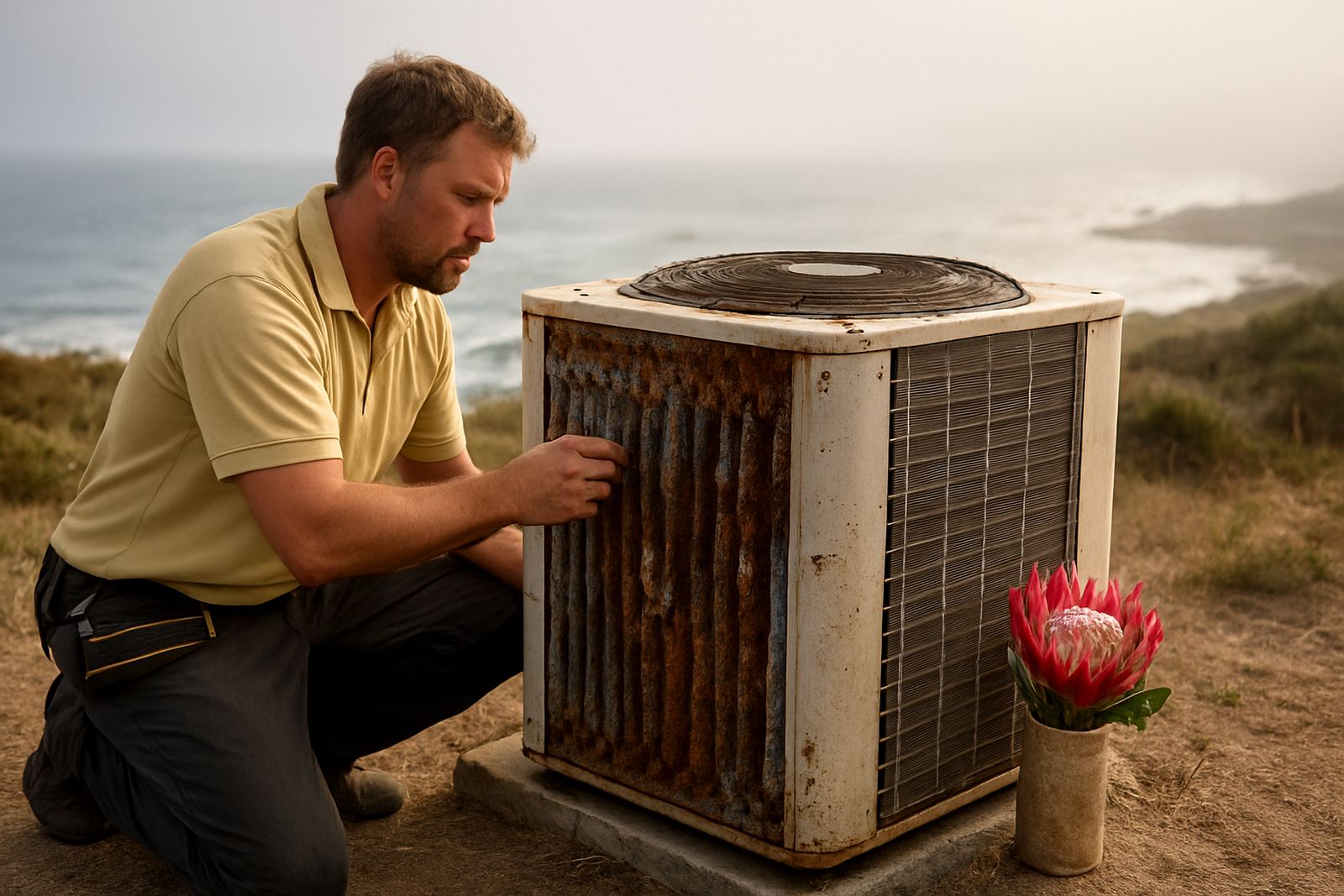
Coastal Corrosion on Units

Coastal Corrosion on Units

How salty air affects exposed condensers near the coast.

Replace or Repair Fridge

Replace or Repair Fridge

A simple way to weigh repair cost against useful service life.

Freezer Burn Misunderstood

Freezer Burn Misunderstood

How storage conditions and room performance influence frozen product quality.

Why Controls Fail

Why Controls Fail

Moisture, vibration and age-related reasons control components stop working.

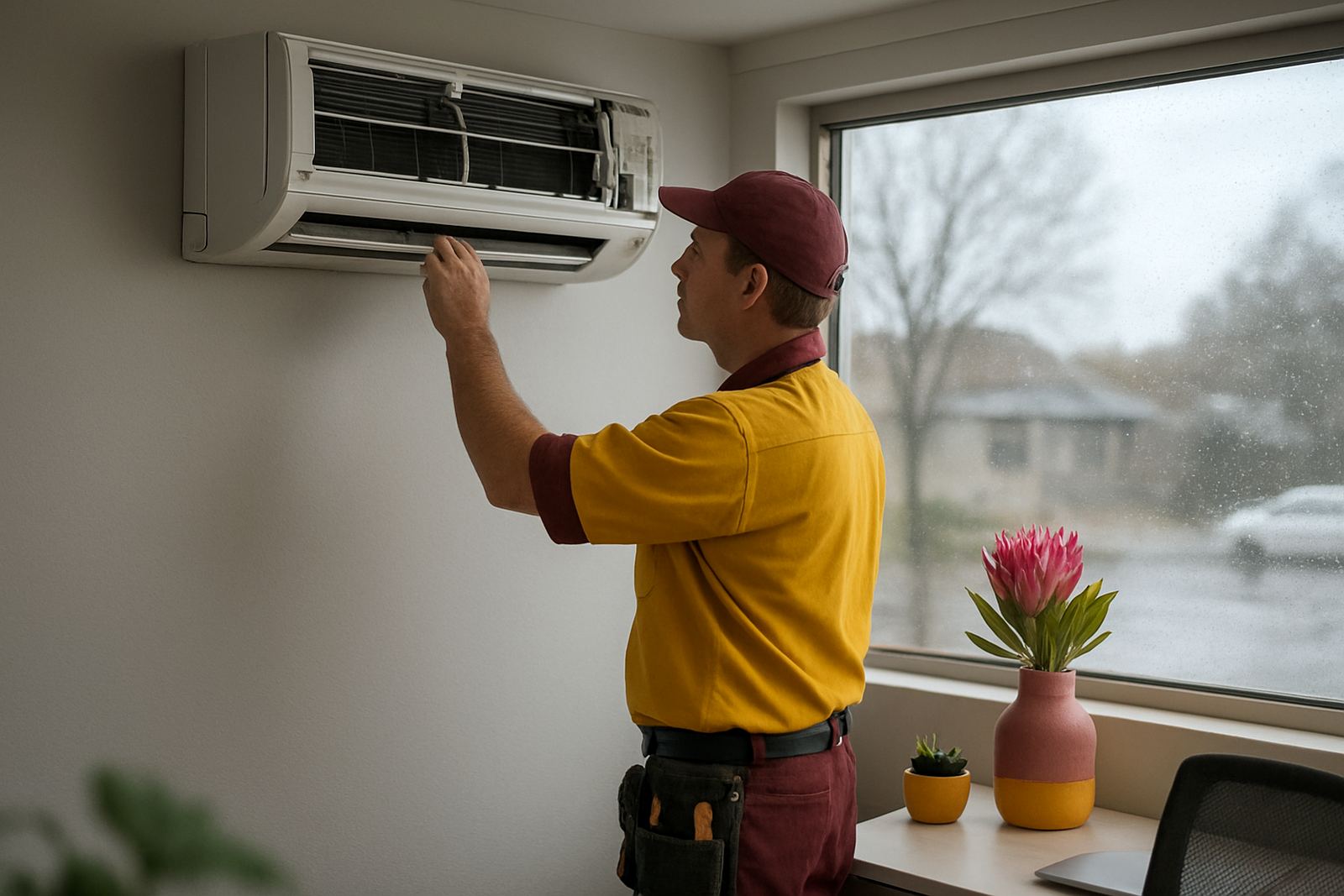
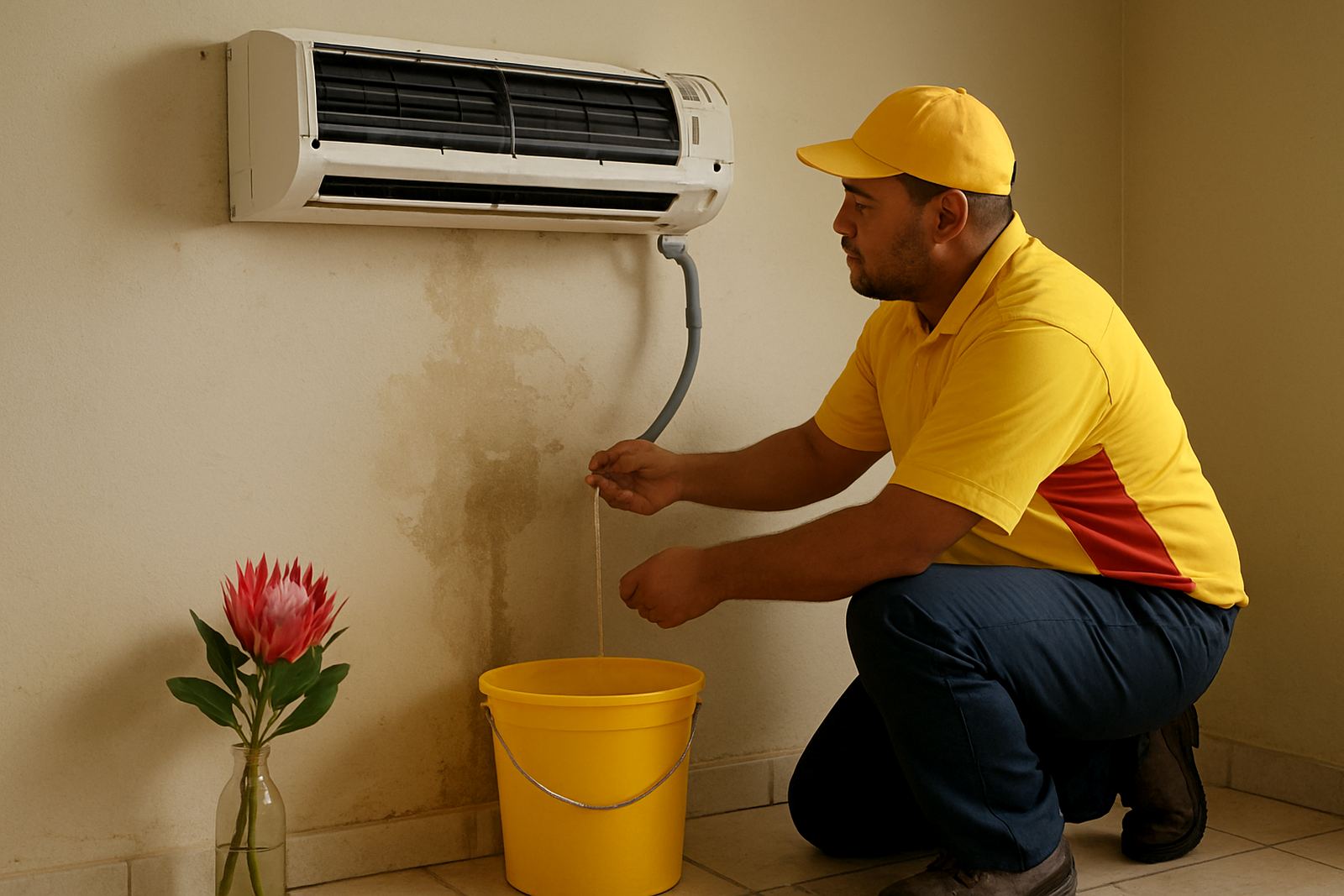
Aircon Dripping Water

Aircon Dripping Water

Typical causes when indoor units start leaking into occupied rooms.

Stable Chiller Temperature

Stable Chiller Temperature

Daily habits that help a chiller hold a more consistent temperature.

Holiday Trading Prep

Holiday Trading Prep

Cooling checks worth doing before high-traffic holiday periods begin.

Ice Machine Hygiene

Ice Machine Hygiene

Cleaning points that matter for safe, reliable ice production.

Farm Shed Aircon Needs

Farm Shed Aircon Needs

When workrooms and offices on farms benefit from dedicated cooling.

Frost Back on Line

Frost Back on Line

What frost on suction lines may indicate about load or airflow.

Keeping Doorways Closed

Keeping Doorways Closed

Small operating changes that limit warm air entry into cold spaces.

Retail Night Setback

Retail Night Setback

When night temperature settings help and when they create problems.

Site Service Records

Site Service Records

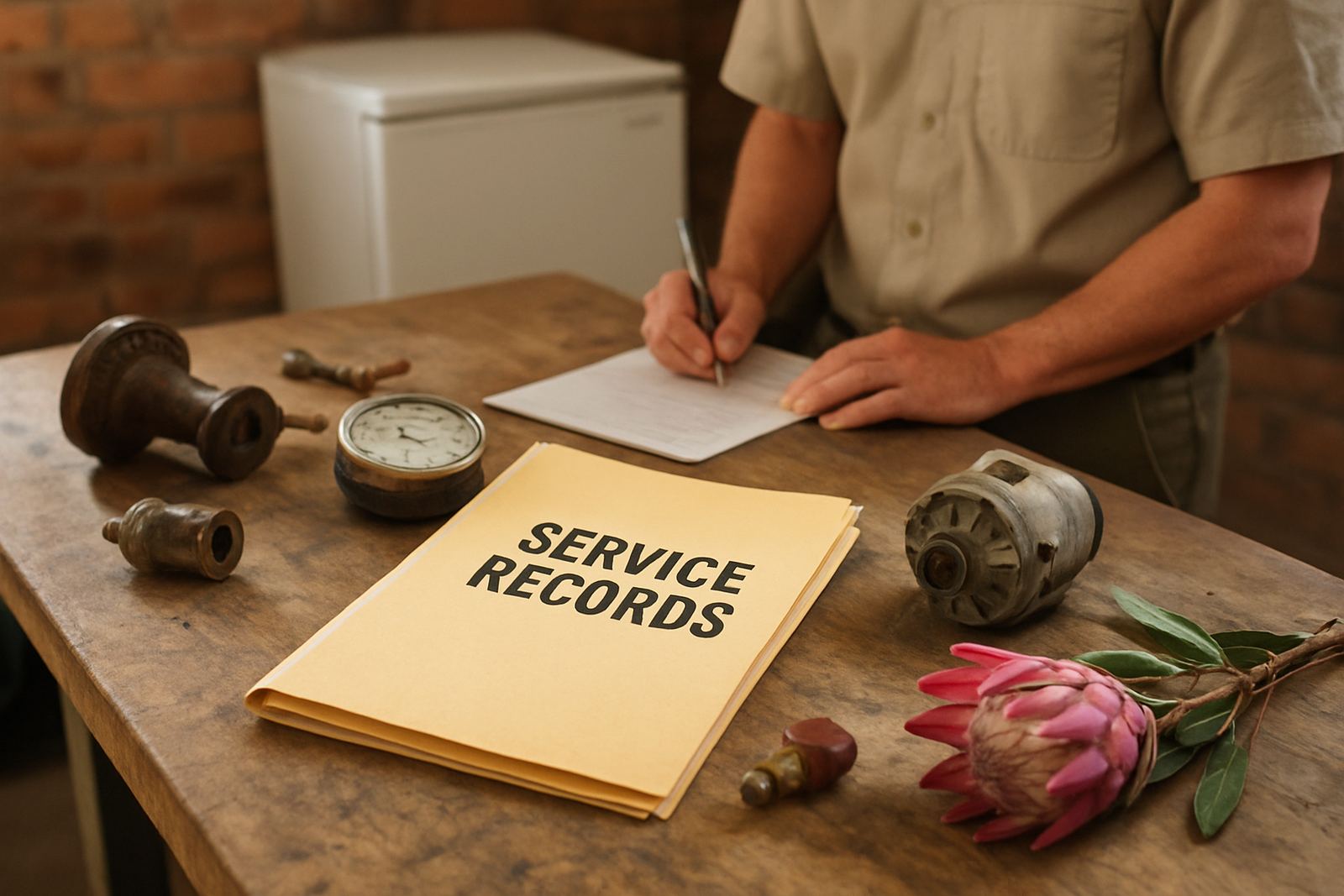
Why maintenance records make future faults easier to diagnose.

Produce Room Loading

Produce Room Loading

How loading patterns affect airflow and chill-down performance.

Filter Cleaning Frequency

Filter Cleaning Frequency

How often aircon filters usually need attention in working environments.

Service Before Summer

Service Before Summer

Why spring is the right time to prepare cooling systems for heat.

What these field notes cover

If you run a shop, packhouse, restaurant, cellar or small factory in the Western Cape, the questions are usually the same. Why is the cold room drifting up by 2 C, why is the aircon tripping after load-shedding, and what can be fixed today versus what needs a planned visit?

These notes cover the jobs that come up on real sites from Cape Town to the Winelands and the West Coast. We look at call-out repairs, maintenance contracts, cold-room work, aircon servicing, leak finding and the small checks that prevent a warm morning and spoiled stock.

How to choose the right article for your site

Start with the symptom, then match it to the system. A noisy split unit on a retail floor needs a different fix to a walk-in cold room with frost on the evaporator. If you are not sure, choose the note that matches the symptom first, then the equipment second.

  • Choose repair notes when the issue has already started and stock or comfort is at risk.
  • Choose maintenance notes when you want to lower breakdowns, especially before summer or the festive rush.
  • Choose cold-room notes when temperatures, doors, seals and logs matter every day.
  • Choose aircon notes when comfort, condensation, filter condition or power trips are the main concern.

That order saves time and keeps your team from chasing the wrong fault. It also helps when you are planning a visit around trading hours, deliveries or farm shifts.

Repair advice for urgent breakdowns

Emergency work is for the moments when the system has stopped protecting stock or space. A compressor that will not start, a heavy ice build-up, warm cabinets, or water dripping through a ceiling all need quick attention. On the coast, salty air and humidity can turn a small fault into a bigger one quickly, so the first hour matters.

We explain the checks that can be done before the technician arrives, including power supply, breaker position, thermostat setting and airflow around the unit. In many cases the fault is simple, but if the same breaker keeps dropping after load-shedding, there may be a deeper issue in the controls or motor circuit.

  • Check whether doors are closing fully.
  • Listen for unusual fan noise or compressor cycling.
  • Keep the area clear so access is safe and quick.
  • Note the time the fault started and any alarms showing.

Maintenance that pays its way

Planned maintenance is not only about cleaning. It is about checking temperatures, cleaning coils, clearing drains, testing controls and seeing wear before it becomes a call-out. For busy businesses, a set schedule is usually cheaper than repeated after-hours repairs.

In Cape Town, Stellenbosch, Paarl and Malmesbury, dust and seasonal heat can load the condensers harder than people expect. In Vredenburg and other coastal areas, corrosion and damp air can affect terminals and fixings. A good contract takes those local conditions into account and keeps the refrigertion plant steadier through the year.

  • Coil cleaning for better heat transfer.
  • Drain clearing to stop leaks and ceiling damage.
  • Seasonal start-up before hot weather.
  • Shutdown preservation for quieter months or closed sites.

Cold-room checks for stock and compliance

Cold rooms need more than a quick temperature glance. Door seals, insulation, fan operation, defrost timing and temperature logging all affect whether stock stays in range. On farms and in shop back areas, a small air leak can push run times up and leave the unit working harder than it should.

We cover checks that help supervisors keep records tidy and catch drift early. If a room keeps cycling out of range after power interruptions, the issue may be with the restart sequence, the probe position or the door habits of staff. Clear logging makes it easier to see the pattern instead of guessing.

Good notes also help with municipal or audit questions, especially where perishable goods are handled daily and traceability matters.

Aircon care for offices, shops and back-of-house areas

Aircon problems often start with airflow. Blocked filters, dirty coils, cracked drains and poor placement can make a unit noisy, weak or costly to run. If the space feels damp after rain or muggy on windless days, the system may be short cycling or struggling to remove moisture.

We keep the advice practical for sites that cannot shut down for long. That means looking at access, working hours, cleaning intervals and whether the room needs cooling all day or only at peak trading times. Small fixes can stop water marks, musty smells and avoidable power use.

Who these notes are for

These articles are written for owners, managers and supervisors who need clear local guidance, not theory. If you are ordering a call-out from Montague Gardens, planning a service in the Winelands, or managing a shop on the West Coast, you need to know what to expect and what to ask for.

That is the point of the Field Notes hub. It gives you a clean way to choose between repair, maintenance, cold-room work and aircon servicing before the job is logged. When the right note is chosen first, the visit tends to go smoother and the frigth of a warm room drops fast.

Questions we get asked

Do these notes cover both cold rooms and aircon systems?

Yes. Some articles deal with cold rooms, others with split units, commercial aircon and shared plant areas. Use the symptom first, then the equipment type.

Are the notes useful for farms as well as shops?

Yes. They are written for working sites across the Western Cape, including farms, packhouses, retail stores and back-of-house plant rooms.

Can I use these notes to decide if I need a call-out or maintenance?

Yes. They are meant to help you judge whether the issue is urgent, whether planned maintenance is due, and what details to give when you email callouts@kennycapewest.co.za.

Planning something? Email the team.

callouts@kennycapewest.co.za