What a true refrigerant loss usually looks like
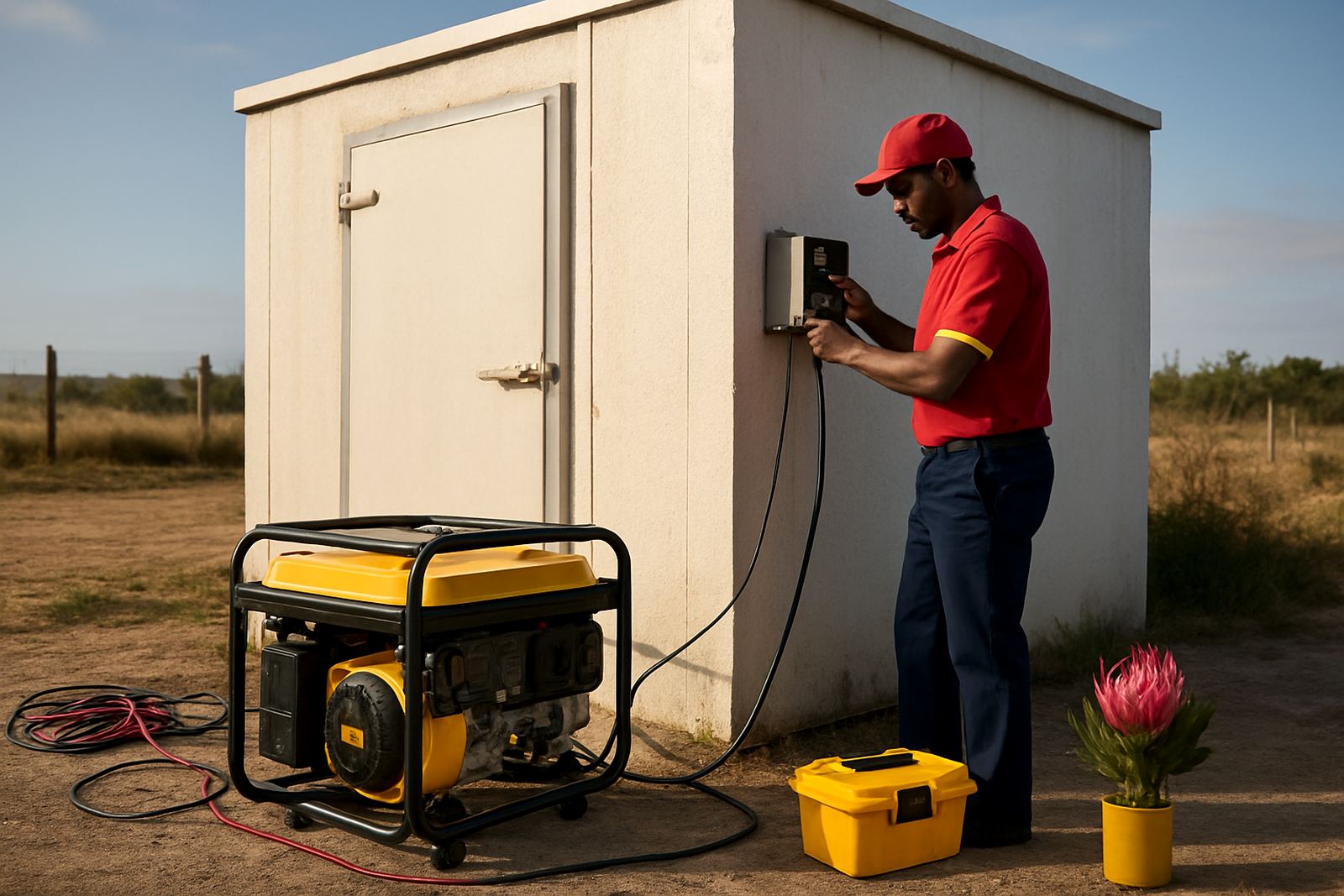
When a fridge, cold room or aircon is short of refrigerant, the symptoms usually build slowly. Cooling drops, run times get longer, and the unit may struggle most on hot afternoons or during load-shedding recovery when it has to work harder than usual. In shops around Cape Town and in farm packhouses outside Paarl, the first complaint is often the same: the system is running but the room is not holding temperature.
There are a few signs that point towards refrigerant loss rather than a simple maintenance issue. If the indoor coil is only partly cold, if there is ice on one section and warm pipework on another, or if the compressor is running nearly non-stop, a proper inspection is due. You may also notice weak airflow from iced filters or a hissing sound, though those signs alone are not proof of a leak.
- Longer running times for the same temperature
- Frost or ice on pipework, valves or part of the coil
- Warm product in a cold room that used to pull down well
- Higher electricity use with no change in workload
- Oil stains around joints, flare connections or service valves
When poor cooling is not caused by low gas
A lot of call-outs end up being airflow or cleaning problems, not refrigerant loss. Coastal humidity in places like Vredenburg and the West Coast can load a coil with moisture and dust faster than people expect. In Montague Gardens and other industrial areas, fine grime and packing debris can choke a condenser in just a few months. The unit then looks weak, but topping up gas would only hide the fault for a short time.
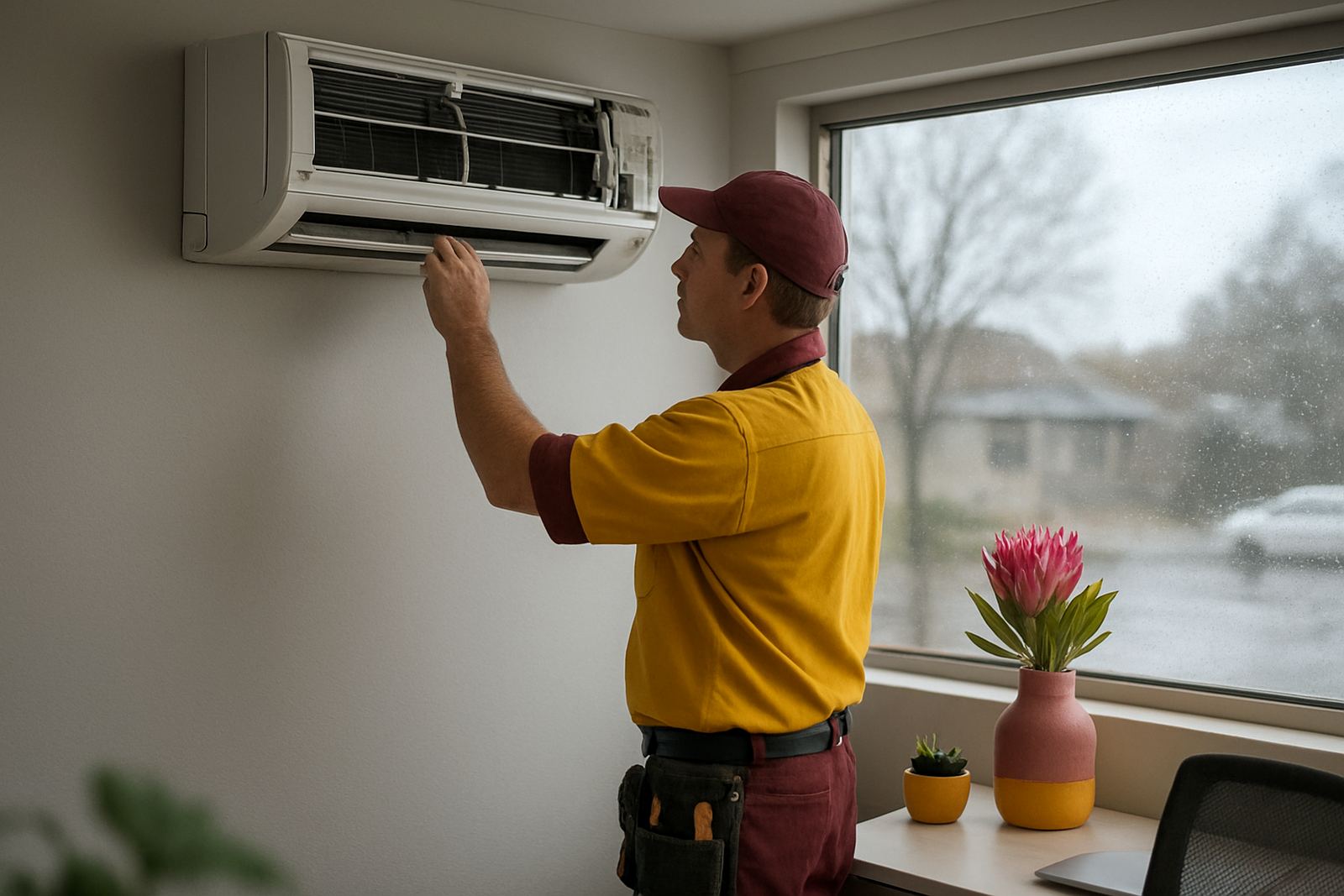
Aircon systems also suffer when filters are clogged, drain lines are blocked, or fans are not moving enough air. Cold rooms can struggle after a door seal fails, if the evaporator fan is off balance, or if goods are stacked against the return air path. These issues create the same complaint, poor cooling, but the remedy is very different.
- Dirty condenser or evaporator coils
- Blocked drains causing ice build-up
- Failed door seals on cold rooms
- Fans not running at correct speed
- Products loaded too close to the air return
The local conditions that make leaks harder to spot
Western Cape conditions can mask a refrigerant problem. On a cool morning the system may seem fine, then by 2 pm in Stellenbosch or Malmesbury the same unit is fighting much harder. During power interruptions, equipment starts and stops more often, and that cycling can expose weak fittings or already thin joints. A unit might appear to be a re-gas job when the real story is a leak that only shows up under load.
Older installations often have long pipe runs, mixed fittings or tired insulation. In those cases a system can lose gas slowly over weeks or months, so people only notice the problem when the cold room no longer recovers overnight. That is why temperature logging is useful. It shows whether the fault is sudden, gradual, or tied to certain times of day. For farms, shops and butchers, that record can save a lot of guesswork.
What a proper check should include before gas is added
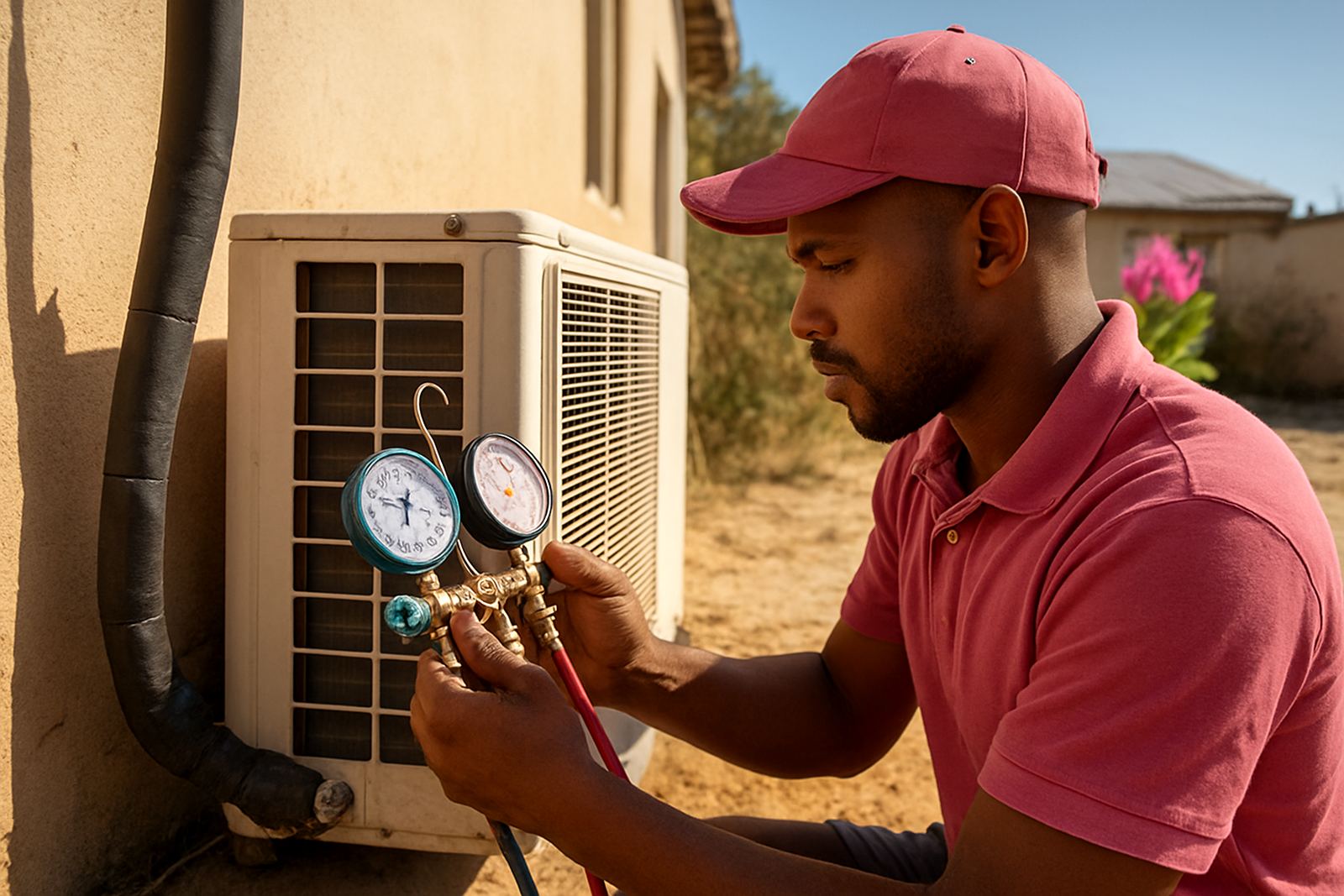
A good technician will not simply top up refrigerant and leave. The first step is to inspect the entire system, because a re-gas without fault finding usually means the same call-out again in a few days or weeks. Pressure readings matter, but so does the condition of the coil, the drain, the electrical controls and the fans. On a cold room, the product load and door use also need a proper look.
Before any refrigerant is added, the basics should be checked carefully:
- Look for oil marks and physical signs of leakage
- Test airflow across condenser and evaporator coils
- Confirm fans, contactors and controls are operating properly
- Check drain clearing and signs of ice build-up
- Review temperature logging or product temperature history
If a leak is found, it should be repaired before charging the system again. Otherwise the gas loss returns and the compressor can run under poor conditions, which shortens its life. That becomes a far more costly repair than the original leak.
Why shops and farms should not wait until total failure
In a retail shop, a failing freezer or underperforming cold room can mean stock loss within hours. On a farm, the pressure is even tighter because harvest timing and storage windows are narrow. We see this most often when seasonal work is busy and the first sign of trouble is a rising temperature alarm after closing time. At that stage a simple maintenance call may have become an emergency call-out.
Planned maintenance helps catch small leaks and dirty coils before they turn into downtime. Seasonal start-up checks are especially useful before summer, while shutdown preservation matters when equipment will sit unused for a while. A unit that has been left dirty or open to damp conditions often gives trouble on restart. It is a small job to clean and inspect now, and it is cheaper than a failed compressor later.
A practical example from the West Coast
A supermarket cold room in the West Coast often shows the pattern clearly. The staff report that the room used to pull down overnight, then starts drifting up by mid-afternoon. The first guess may be low gas, but a site check finds a blocked condenser from salt air and dust, a partly iced evaporator, and a drain line that has been running back into the tray. Once the coil is cleaned, the drain cleared and the leak test completed, the temperature settles again. No extra gas was needed because the real fault was not refrigerant loss alone.
That is the point: not every cooling problem is a re-gas job, but every possible gas loss should be treated seriously. Guessing wastes time and can damage equipment. A proper inspection gives the answer and keeps the system running the way it should.
When to call for a call-out repair or maintenance visit
If the system is icing, struggling to hold temperature, or running louder and longer than normal, it is worth booking a call-out. The same applies if product temperature is drifting, if the room recovers badly after doors are opened, or if you suspect a leak from pipework, valves or joints. For shops in Cape Town, farms near Paarl and units in Malmesbury or Vredenburg, early attention usually means a smaller repair.
For emergency work, maintenance contracts, cold-room servicing and aircon servicing across the Western Cape, it helps to have one team that can inspect, log temperatures and sort out the fault properly. Send details to callouts@kennycapewest.co.za and include the location, equipment type and the symptoms you are seeing. The more exact the description, the faster the right technician can be sent.