








How to use these maintenance guides
If you manage a shop, packhouse, cellar, butchery or farm site, the right maintenance choice starts with the same questions: what runs all day, what fails most often, and what happens if it stops during load-shedding or a hot spell. These guides cover the common issues we see from Cape Town to the Winelands and West Coast, with plain advice on when to clean, check, log, repair or replace parts.
The guides are written to help you match the service to the risk. A small split unit in an office does not need the same attention as a walk-in cold room holding stock through a weekend. The aim is to reduce breakdowns, keep temperatures within range, and avoid last minute call-outs that cost more than planned work.
- Use them to compare service intervals.
- Check which faults can wait and which need same-day attention.
- Match the guide to your site type, equipment age and usage.
Cold room care for shops, farms and packhouses
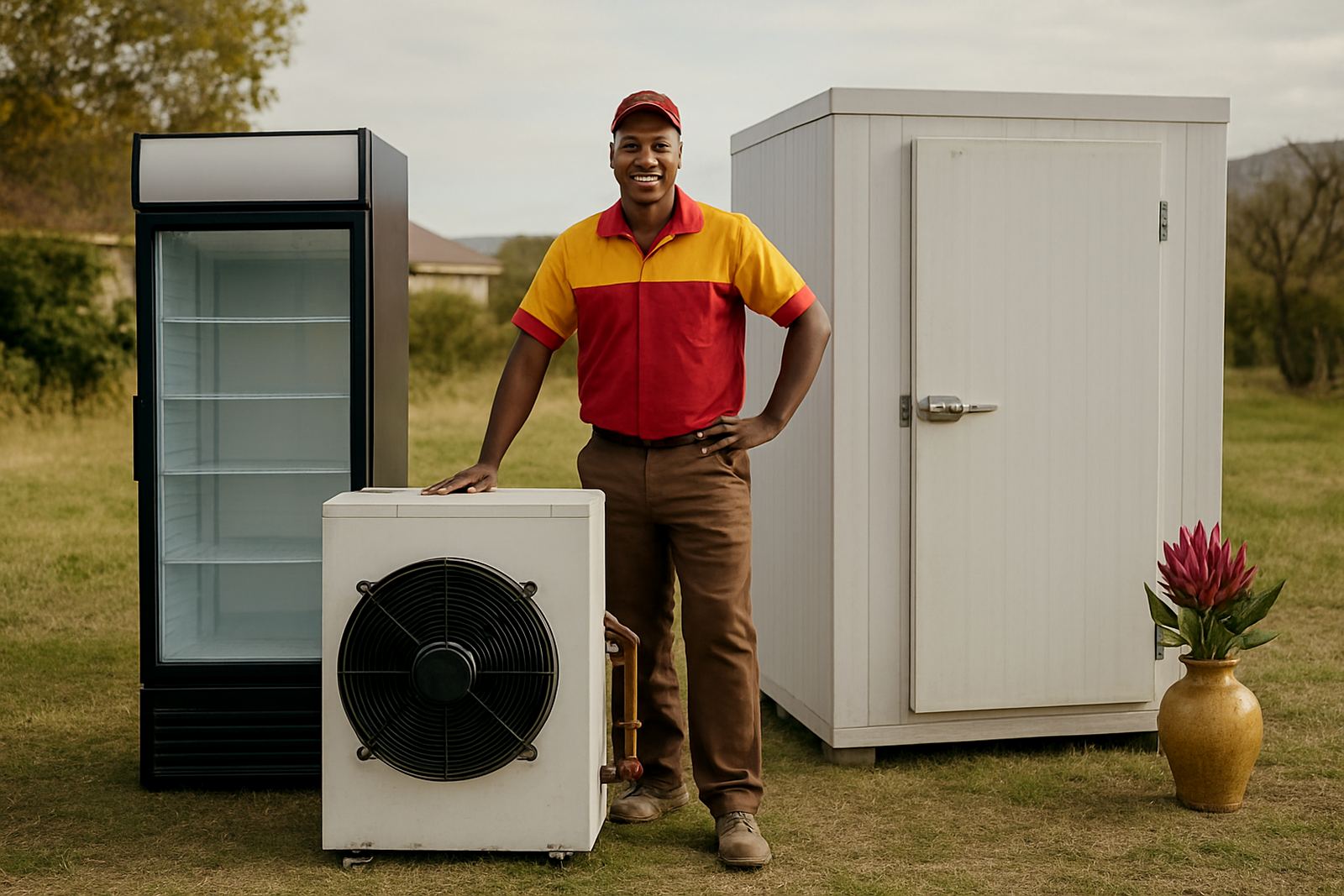
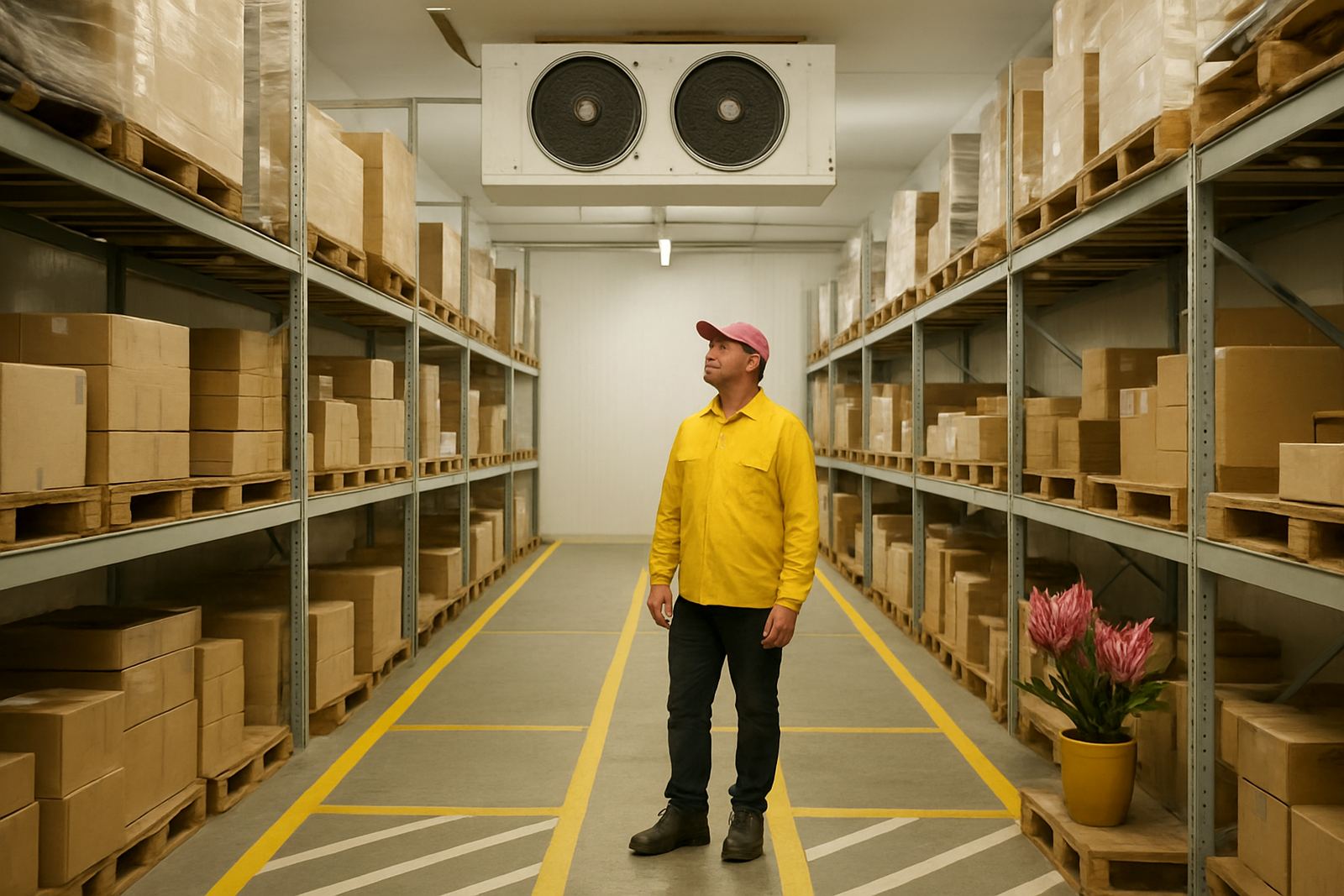
Cold rooms need regular attention because small faults build fast. A blocked drain, dirty coil or weak door seal can push temperatures out of range and waste power. In coastal areas, salt in the air can also shorten the life of fan parts and electrical terminals, so cleaning and inspection matter even more.
Our cold-room guides cover leak detection, temperature logging, coil cleaning and shutdown preservation. That includes what to look for before busy trading periods, how to protect product during power cuts, and how to close a room down properly when it will stand unused for a few weeks.
- Check door seals, hinges and closer settings.
- Keep drainage clear so ice and water do not build up.
- Log temperatures daily in higher-risk sites.
- Plan defrost and cleaning around stock movement.
Aircon servicing for offices, shops and homes
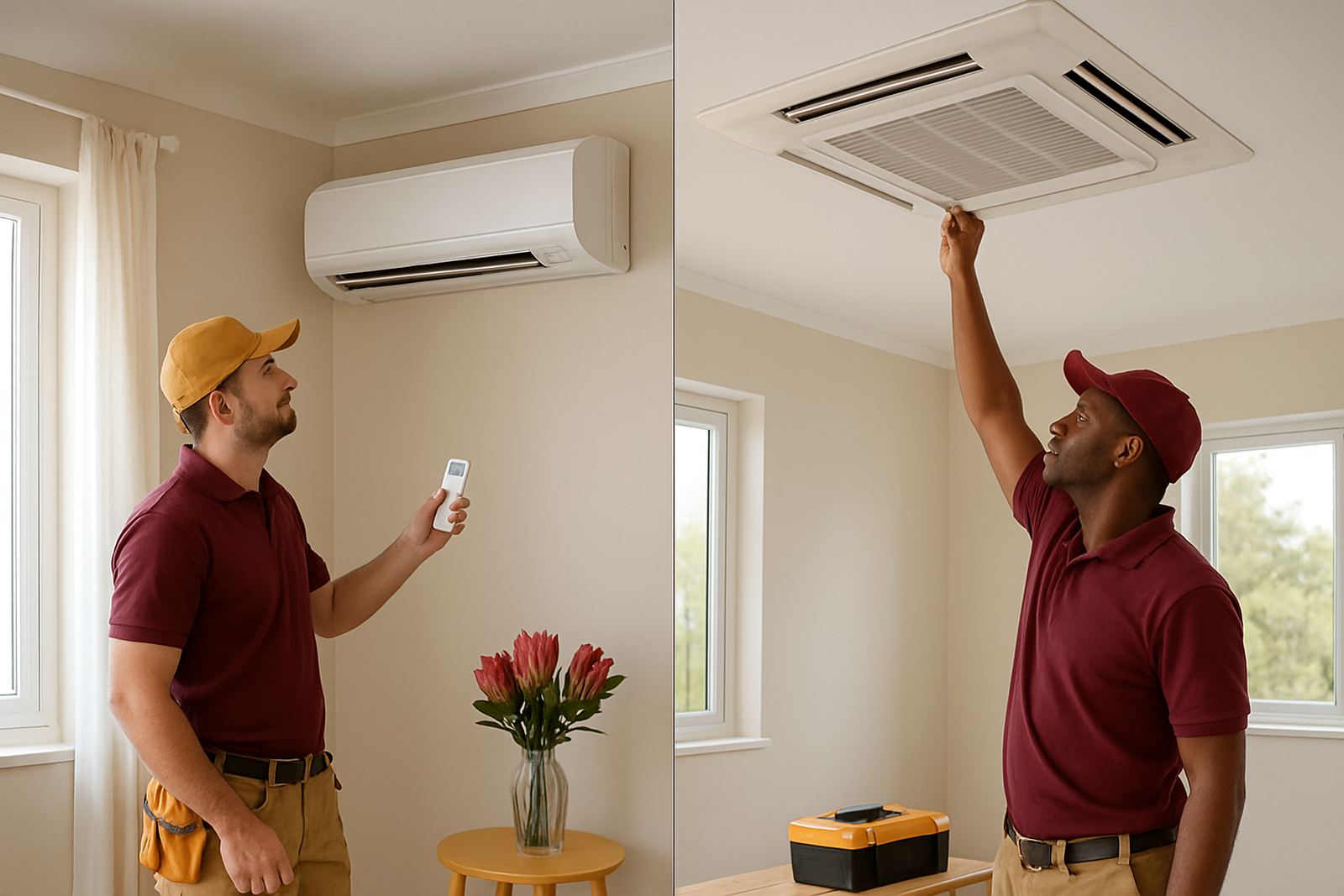
Aircon service needs are often underestimated until a unit starts blowing warm air or dripping onto stock, fittings or walls. In places like Paarl, Stellenbosch and Cape Town, dusty months and long summer run times can load filters and coils quickly. On the West Coast, windblown grit can make it worse.
These guides explain seasonal start-up, routine servicing, drain clearing and coil cleaning, plus the signs that point to a refrigerant leak or an electrical fault. A well-kept unit uses less power, copes better in heat, and is less likely to fail when the building is full.
Planned maintenance versus emergency call-outs
Many sites pay more than they should because they rely on emergency repairs only. A planned maintenance contract is usually the better fit when equipment is used daily, stock is temperature sensitive, or staff do not have time to chase minor faults. Emergency call-outs are still important, but they should be the back-up, not the whole plan.
When choosing between the two, think about downtime cost, access to the site, after-hours trading and whether the unit is critical to stock or comfort. Charlene and the team often help clients set service dates around delivery windows, trading hours and harvest periods so the work does not interrupt the day.
- Choose planned servicing for repeat faults or high-use equipment.
- Use emergency call-outs for sudden failures, leaks or unsafe faults.
- Ask for a schedule that fits your site, not just the calendar.
What to check before you book a technician
A clear fault note saves time and helps us bring the right parts and tools. If you can share the unit location, symptoms and how long the issue has been going on, the repair is usually quicker. For cold rooms, include the target temperature, product type and whether the room is still holding temperature or dropping fast.
Good details also help with repeat issues. A unit that trips only in the afternoon, for example, may point to heat build-up, dirty coils or power supply trouble. A room that frosts up after rain may need drain work, seal checks or fan inspection.
- Note the make, size and location of the equipment.
- Record any warning lights, noises, ice build-up or water leaks.
- Say whether the problem started after a power cut, storm or cleaning.
Working across Cape Town, the Winelands and West Coast
Kenny Cape West is based in Montague Gardens and works across Cape Town, Stellenbosch, Paarl, Malmesbury and Vredenburg, with call-outs for shops, farms and commercial sites in between. That mix matters because a winery cellar, a retail store and a farm cold room do not age in the same way. Dust, coastal humidity, frequent opening, and municipal water use all affect maintenance planning.
These guides are written for local conditions. They help site managers choose the right level of care for the equipment they already have, whether the need is a one-off repair or a full contract schedule. If you need help deciding which guide fits your site, start with the equipment type and the risk of downtime.