Start With the Job the Cooling Must Do
Before comparing equipment, define what must stay cool. A small shop drinks cabinet, a produce store, a dairy prep room and a full cold room all work differently. If the load changes through the day, or you open doors often, the system must recover quickly and hold temperature without constant cycling.
For sites in Cape Town, Stellenbosch, Paarl, Malmesbury and the West Coast, the local conditions matter too. Coastal humidity puts strain on coils and drains, while inland summer heat can push systems harder in the afternoon. If you are comparing options, write down room size in square metres, ceiling height, door traffic, product type and target temperature before speaking to a technician.
Compare the Main Cooling Options Side by Side
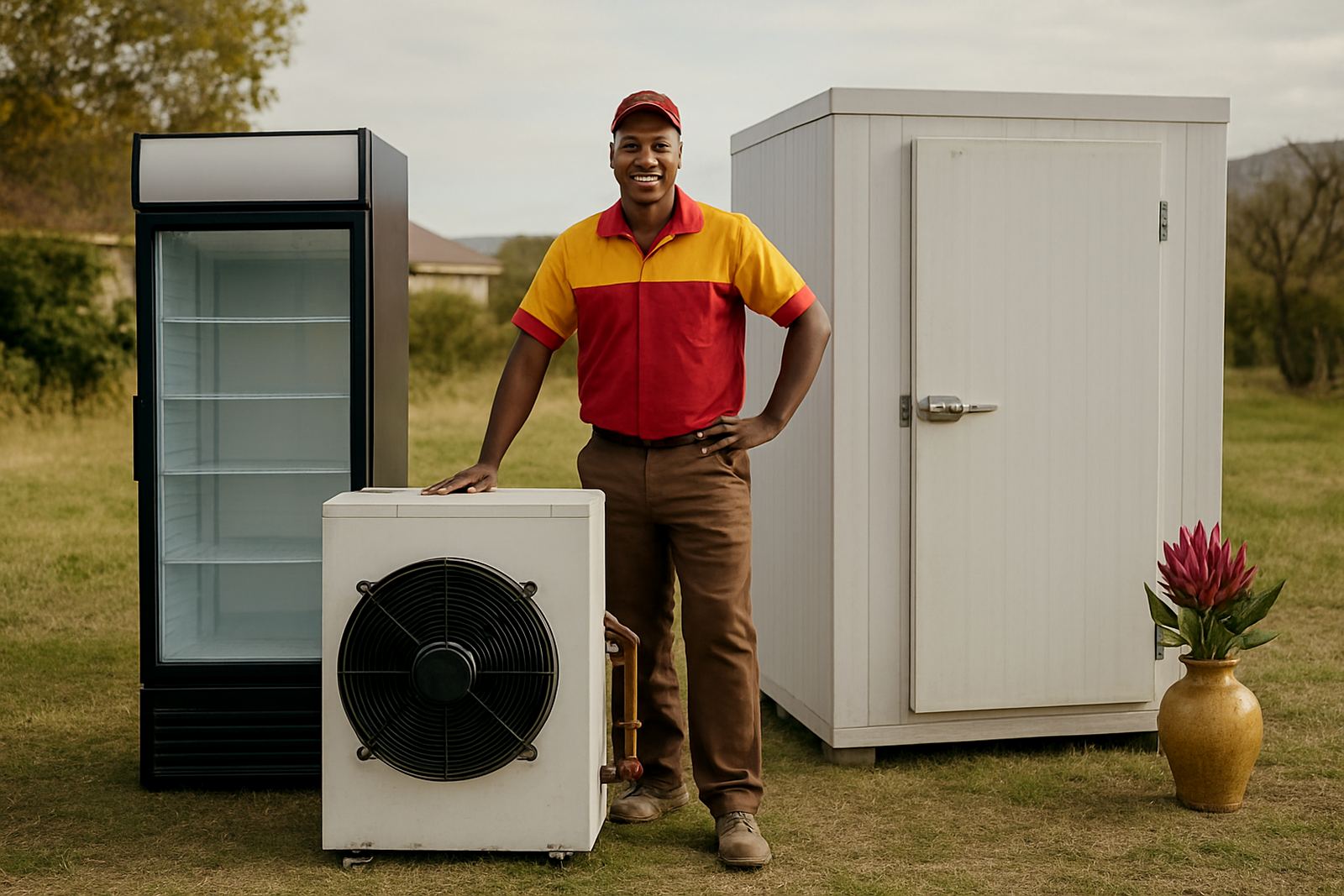
There is no single answer for every site. A split aircon unit suits offices, small retail spaces and staff areas. A packaged or ducted setup can cool larger trading floors, but it still needs clean filters, good airflow and proper sizing. For product storage, a cold room is usually the better choice because it is built to hold lower temperatures for longer periods.
- Split aircon: good for staff rooms, offices and smaller shop areas where comfort matters more than product storage.
- Cold room: best for meat, dairy, fruit, vegetables and stock that must sit at a controlled temperature.
- Portable or temporary cooling: useful during shutdowns, repairs or short-term peak demand, but not ideal for long use.
- Specialised farm cooling: needs stronger temperature control, better logging and easier cleaning because dust and moisture are constant.
If a quote only mentions unit size and not the actual duty, that is a warning sign. Capacity alone does not tell you whether the system will hold temperature during load-shedding or a busy trading period.
Check Power Supply and Load-Shedding Risk Before You Decide
Power cuts change the comparison. A shop that loses cooling for one or two hours may need backup power or a system with fast pull-down after restart. A farm store holding perishable stock may need a different approach, such as staged cooling, insulated panels, and a clear restart plan after outages.
Ask these checks before choosing:
- How long can the room hold temperature with the doors closed?
- Will the system restart cleanly after an outage?
- Is there generator or inverter support for the critical loads?
- Do you need temperature logging for stock records or audits?
- Are there high-risk times, such as afternoon trade or harvest days?
A proper comparison should include the cost of downtime, not just the price of the unit. If stock spoils, a cheaper system quickly becomes the expensive one.
Maintenance Differences That Change the Total Cost
Two systems with the same purchase price can cost very different amounts over a year. Coil cleaning, drain clearing, leak detection and planned maintenance all affect electricity use and breakdown risk. In humid areas near the coast, blocked drains and dirty coils show up faster. In dusty farm settings, filters and condenser fins need regular attention or the unit will work harder for the same result.
When comparing options, ask what service work is needed monthly, quarterly and at seasonal change-over. Before summer, a good start-up check should include refrigerant checks, electrical testing, fan inspection and general cleaning. Before winter or a shutdown period, preservation work can help protect the system until it is used again.
Use This Simple Site Checklist Before You Order
If you want a fair comparison, walk the site first and write down the facts. That saves time and avoids oversizing or undersizing. Morne Jacobus van Wyk and the Kenny Cape West team use this kind of checklist on call-outs, maintenance contracts and cold-room jobs across Cape Town, Montague Gardens, Stellenbosch, Paarl, Malmesbury and Vredenburg.
- Measure the room and note ceiling height.
- Count doors, openings and daily traffic.
- List the product stored and the target temperature.
- Check insulation, shade and airflow around the unit.
- Note power supply, backup options and outage history.
- Record any drainage, leak or icing issues already present.
When these points are clear, comparing quotes becomes much easier. You can see whether the proposal is built for comfort cooling, product storage, or a mix of both.
When a Cold Room Beats Aircon, and When It Does Not
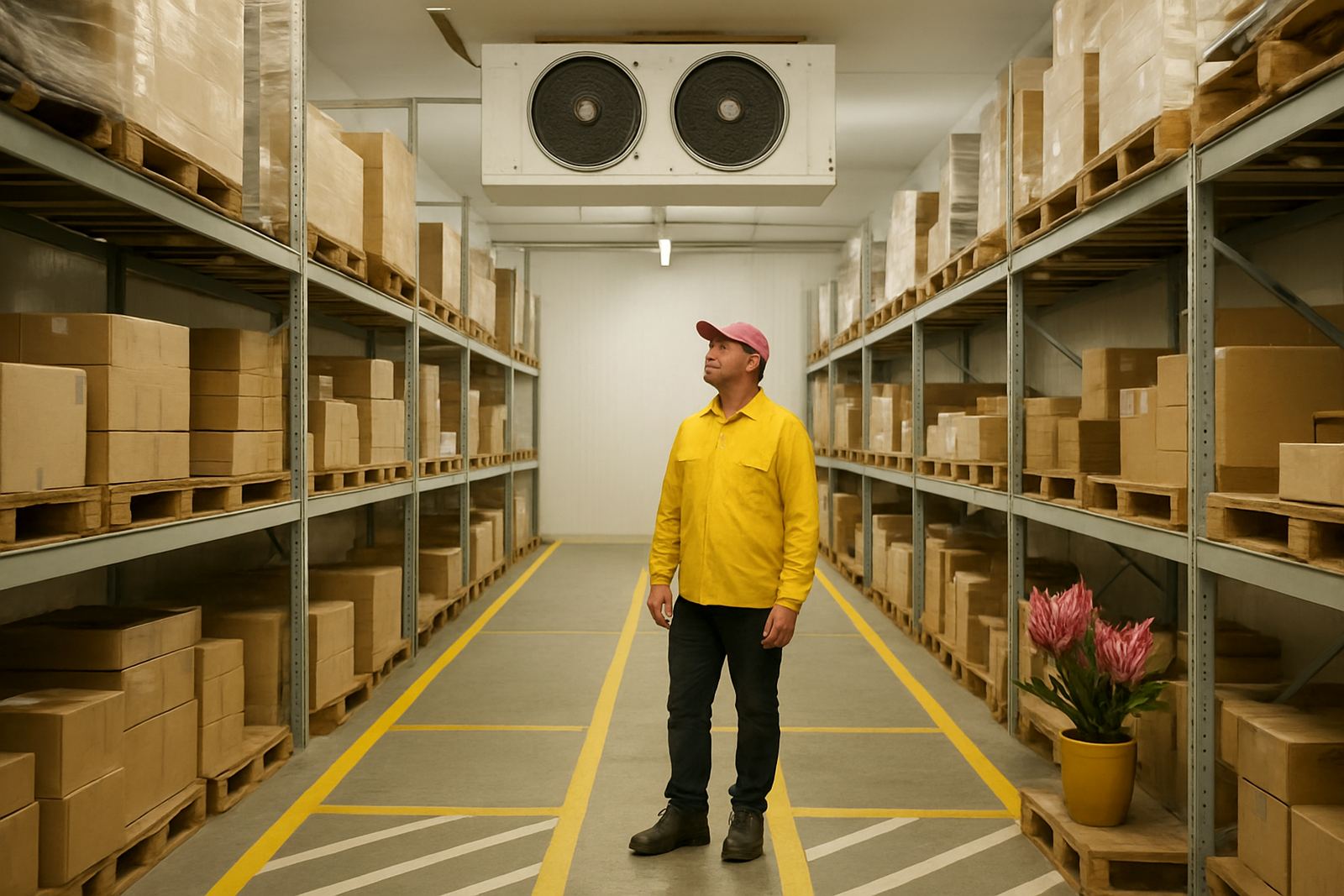
For actual stock storage, a cold room is usually the right choice. It gives better temperature control, easier temperature logging and more stable conditions for perishables. It also makes sense on farms where produce moves in batches and the room needs to stay cold for long hours. If the room is only used to cool people, though, a cold room is the wrong tool.
Aircon suits trading areas, offices and staff spaces where the goal is comfort and better working conditions. It will not replace a cold room for stock, and a cold room will not feel pleasant for daily work. The best set-up on many sites is a mix of both, with each system doing one job properly instead of forcing one unit to do everything.
A Practical Way to Decide What to Fit Next
If you are still undecided, compare your options in this order: the product or space being cooled, the hours of use, the backup power available, and the maintenance needed through the year. Then look at installation access, drainage, noise and whether the system can be serviced locally without delay. That is usually where the real difference shows up.
Charlene Adams can help coordinate maintenance contracts, while Anele Mbeki, Ruan Smit and Lutho Ndlovu handle the technical side from servicing to cold-room work. For shops and farms that need practical advice, a short site visit is often the fastest way to get the right answer, not guess work.