Start with the rooms that matter most
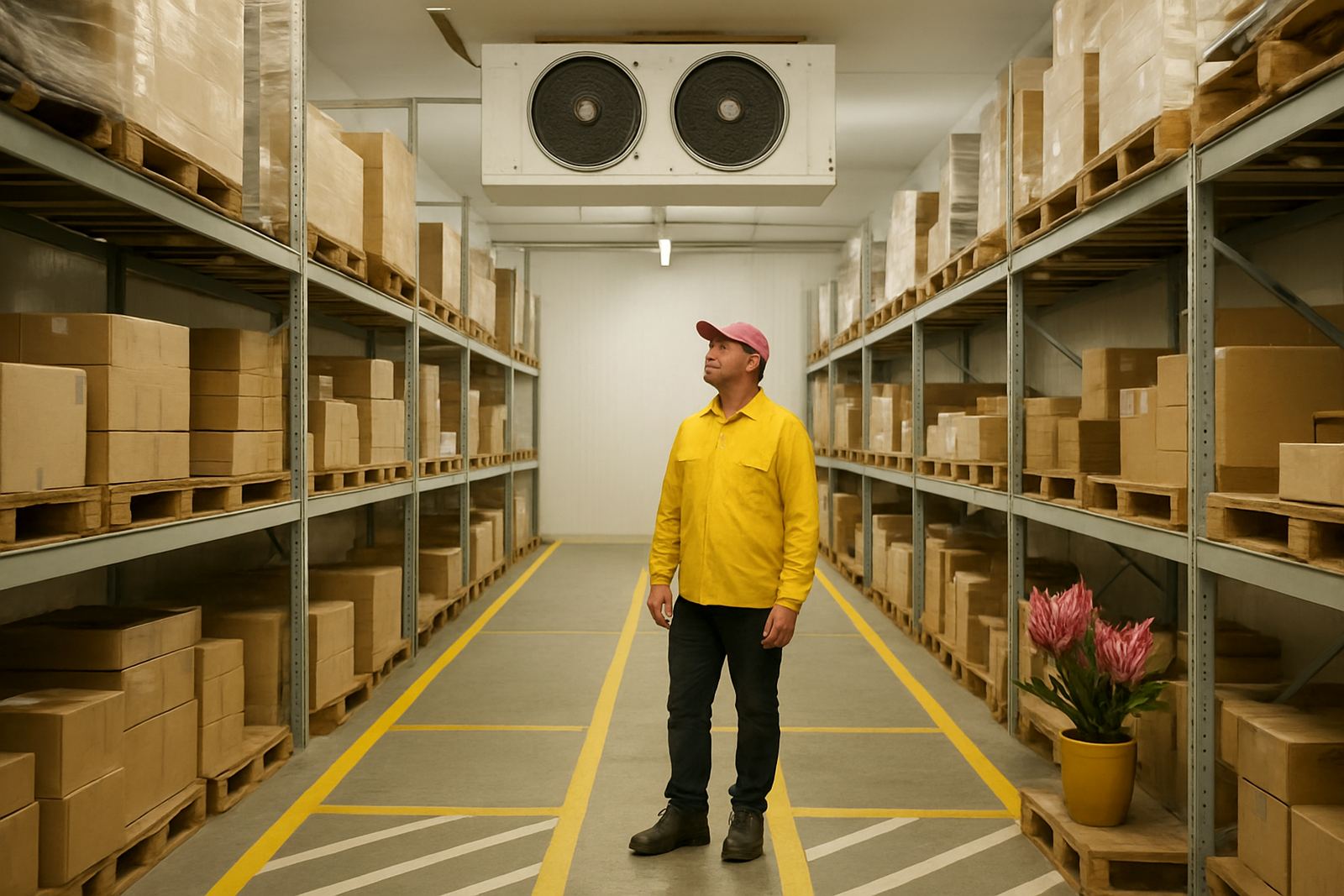
Begin with the spaces that carry the highest risk: pack sheds, pre-cool rooms, cold rooms, staff areas and any small stores where fruit, dairy or prepared goods are held. Walk each room at operating time, not only after hours, and note the actual temperature, door openings, traffic flow and any warm spots near entrances or lights.
On farms around Stellenbosch, Paarl, Malmesbury and the West Coast, the first trouble often shows up in a room that is opened 30 times a day by busy teams. If doors do not shut cleanly, or the seals are tired, the system works harder and pulls moisture into the room. That extra moisture can lead to frost build-up, drip issues and uneven cooling.
- Check that doors close fully and latch properly
- Look for damaged seals, torn strip curtains and bent hinges
- Confirm each room reaches the correct holding temperature
- Make a note of any room that warms up after heavy use
Give refrigeration plant a full pre-season inspection
A proper inspection before harvest helps spot small faults before they become an emergency call-out. Check the compressor area, fans, evaporator coils, pipework, controls and power supply. Look for oil marks, ice build-up, corrosion, loose cable terminations and any sign that the unit has been short cycling or running too long.
For farms and packhouses in Cape Town, Montague Gardens and the Winelands, load-shedding planning is just as important as mechanical condition. If a standby supply is available, test it under load. If not, plan what product moves first when power returns and make sure staff know the order. A unit that starts up badly after an outage can lose a full room of stock very quickly.
- Inspect refrigerant lines for oil staining or vibration wear
- Check fan operation and airflow through the coil
- Test thermostat settings and alarms
- Verify backup power, changeover steps and start-up sequence
Clean coils, drains and air paths before the rush
Coils blocked with dust, fluff or farm debris cannot move heat properly. In coastal towns and storage areas with high humidity, the problem gets worse because wet dirt sticks to the fins and holds corrosion against the metal. Cleaning the condenser and evaporator coils before peak picking can improve pull-down times and reduce strain on the system.
Drain lines also need attention. A slow drain can overflow, wet insulation, drip onto stock or create slip risks in a packing area. Clear the drain pans, flush the lines and check that fall is correct. If a room has had repeated water marks on the floor, there is usually a reason and it should be traced rather than wiped up again.
- Clean condenser and evaporator coils carefully
- Flush drain lines and check for standing water
- Remove dust from fan guards and motor housings
- Keep service access panels clear for the season
Set up temperature logging and daily checks
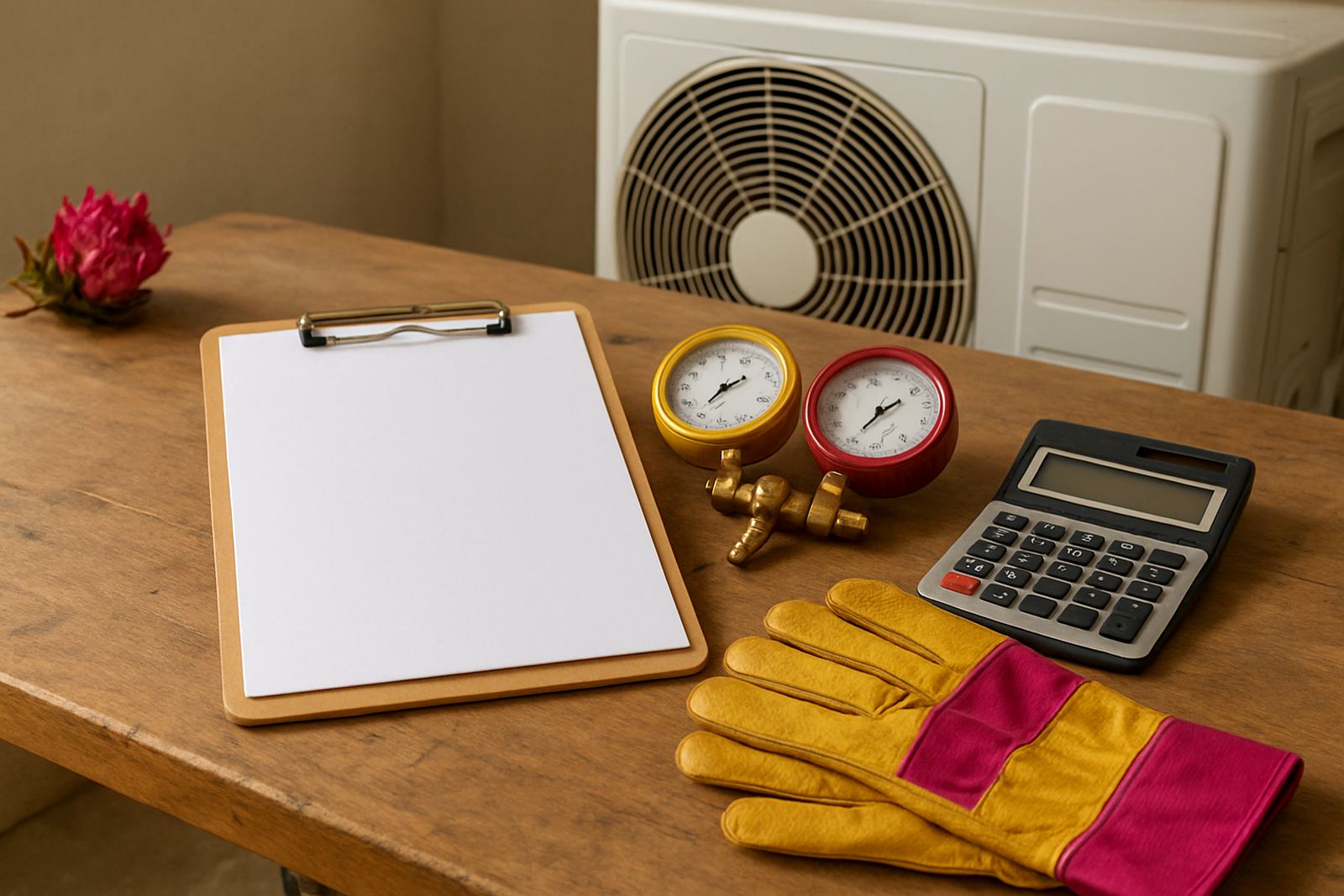
When harvest starts, there is less time to guess. Temperature logging gives you a record of what each room is doing through the day and night, including any spikes when doors are opened, product is loaded or power is interrupted. If there is a quality complaint later, the log helps show whether the issue started in the room or in transit.
Use one simple sheet or digital log per area and keep it where the team can reach it. The same person should record readings as far as possible, because that gives you a clearer picture of what changed. If a room often reads one or two degrees off target, it may need a sensor check, gas check or better airflow.
- Record morning, midday and closing temperatures
- Note door faults, outages and unusual noise
- Keep a log for each cold room or critical store
- File readings for traceability and stock control
Plan maintenance around picking dates, not after them
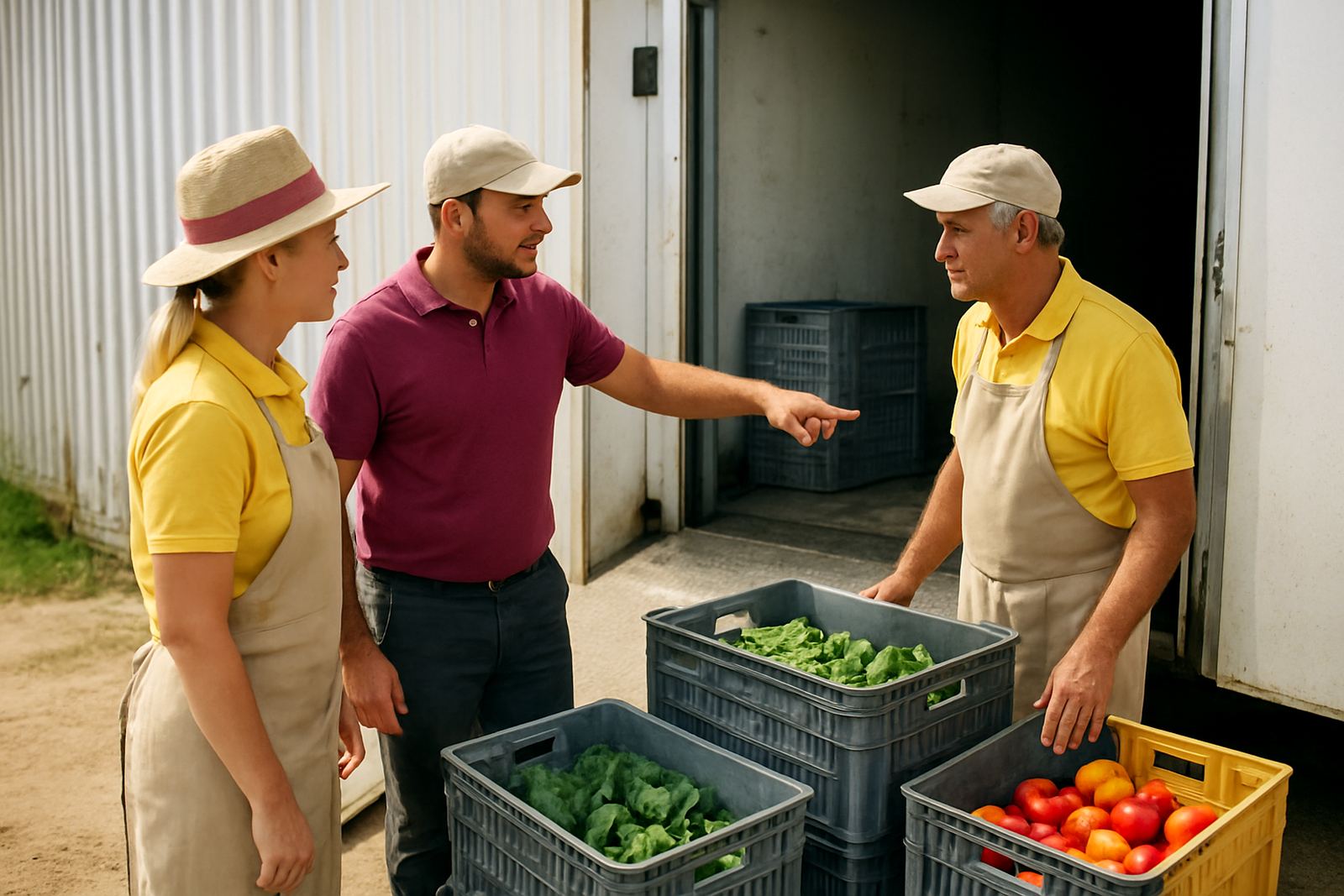
Planned maintenance works best when it is tied to the harvest calendar. Build the service around the date fruit starts coming in, the expected peak weeks and the expected shutdown at the end of the season. That way there is time to clean, test and adjust equipment before the pressure builds.
For many Western Cape farms, the best window is just before the first rush, with a second check halfway through the season if the plant runs hard every day. If the system already has a history of leaks, poor airflow or frequent trips, do not leave it until the rooms are full. A small fault now is easier to fix than an emergency with pallets waiting and staff standing by.
Maintenance records should also show filter changes, coil cleaning, drain work and any parts that were replaced. That makes the next season easier to plan and helps the technician see patterns that may not be obvious in a single visit.
Lock in seasonal start-up and shutdown steps
Seasonal start-up should not begin with a rushed switch-on and a hope that everything behaves. Open the system slowly, confirm pressures, check fans, test controls and watch the room reach temperature. If the plant sat idle through a quiet period, seals, switches and drains may need a fresh look before full operation.
At shutdown, preserve the system properly so it is ready for the next cycle. Clean the coils, clear the drains, isolate where needed and leave a record of any faults still outstanding. In some cases, a room that is left damp and dirty after shutdown will give trouble long before the next harvest starts.
- Follow a written start-up checklist for each room
- Test controls before stock is loaded
- Record any fault left open for repair later
- Clean and dry the system before preservation