Start with the equipment list and site details
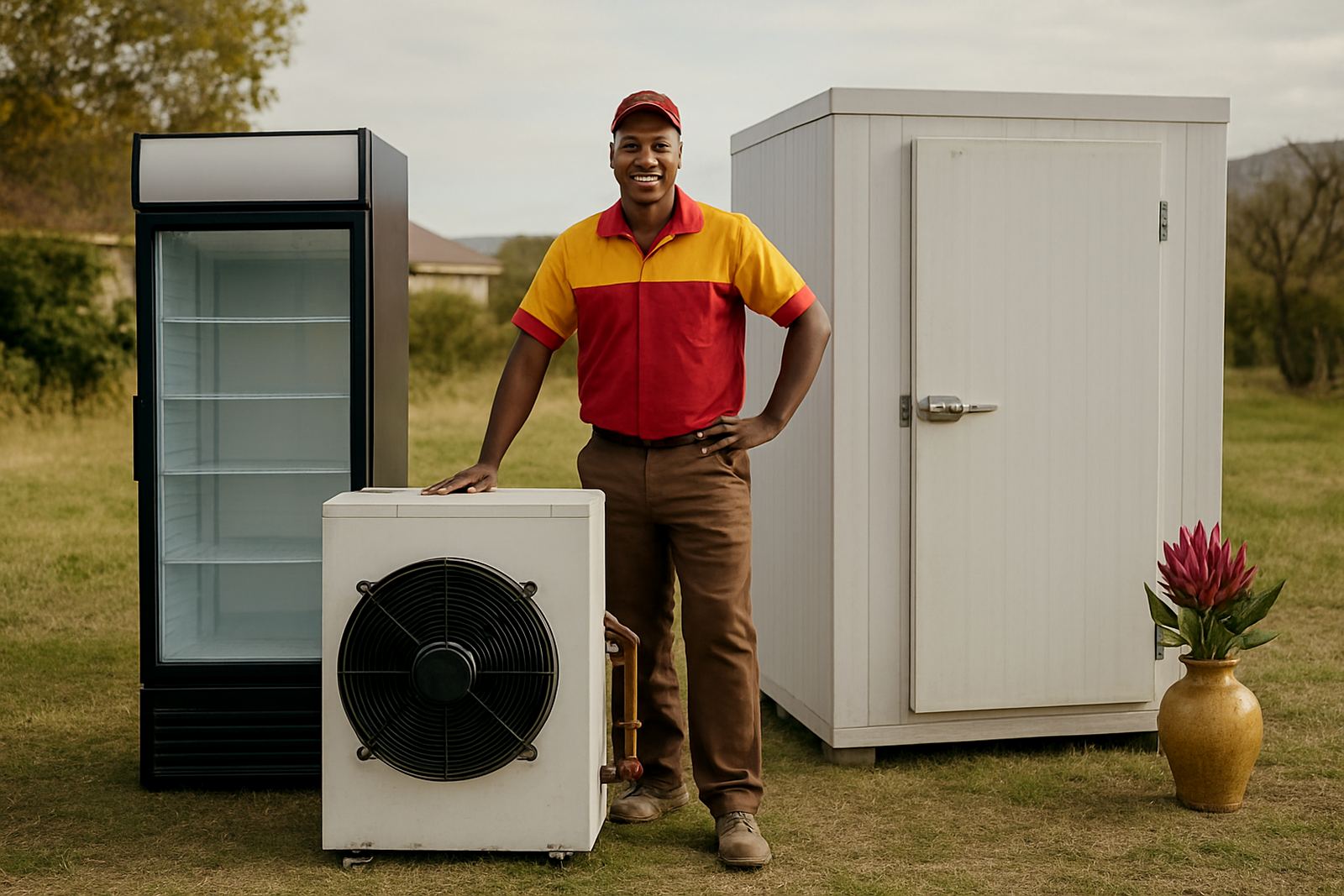
Before any price is signed off, the agreement should list every unit on site by type, size and location. A shop in Cape Town may have a split aircon, a chilled display cabinet and a cold room, while a farm in the Winelands may need packhouse cooling, store room units and temperature logging. If the schedule is vague, important items get missed and no one can argue later about what was included.
Good contracts name the site address, access rules, electrical shut off points, and the usual contact person for the branch. In busy areas like Montague Gardens or Paarl, access times matter because technicians may need to work around deliveries or trading hours. The agreement should also note if the site is coastal, because salt air near the West Coast can shorten the life of coils and fan parts.
- Full site address and after hours contact numbers
- List of all refrigeration and aircon equipment
- Unit locations, room names, and access notes
- Operating hours and times when work can be done
- Special risks such as dust, salt air, or poor ventilation
Set the service frequency before problems start
The right interval depends on how hard the equipment works. A small office unit may only need routine checks every few months, but a cold room serving fresh produce may need closer attention, especially during summer and peak trading periods. A sensible maintenance plan should say whether visits are monthly, quarterly, or seasonal, and what happens before winter shutdowns or summer start-ups.
Many faults begin with dirty coils, blocked drains, low refrigerant charge, or fan issues that could have been spotted early. In warm weather, a neglected unit runs longer and uses more power which puts pressure on already stretched loadshedding schedules. The contract should make it clear that planned visits are there to catch small issues before they become emergency call-outs.
- Monthly checks for busy cold rooms or high-use sites
- Quarterly service on standard retail and office systems
- Seasonal start-up before summer and shutdown preservation before long idle periods
- Extra checks after dust storms, building work, or power interruptions
Know exactly what each visit covers
A maintenance contract should not rely on vague wording like general servicing. It must spell out the actual tasks done on site. That protects the customer and the service team, because everyone knows what is included and what needs a separate quote. If the agreement says coil cleaning, it should say whether the indoor coil, outdoor coil, or both are covered.
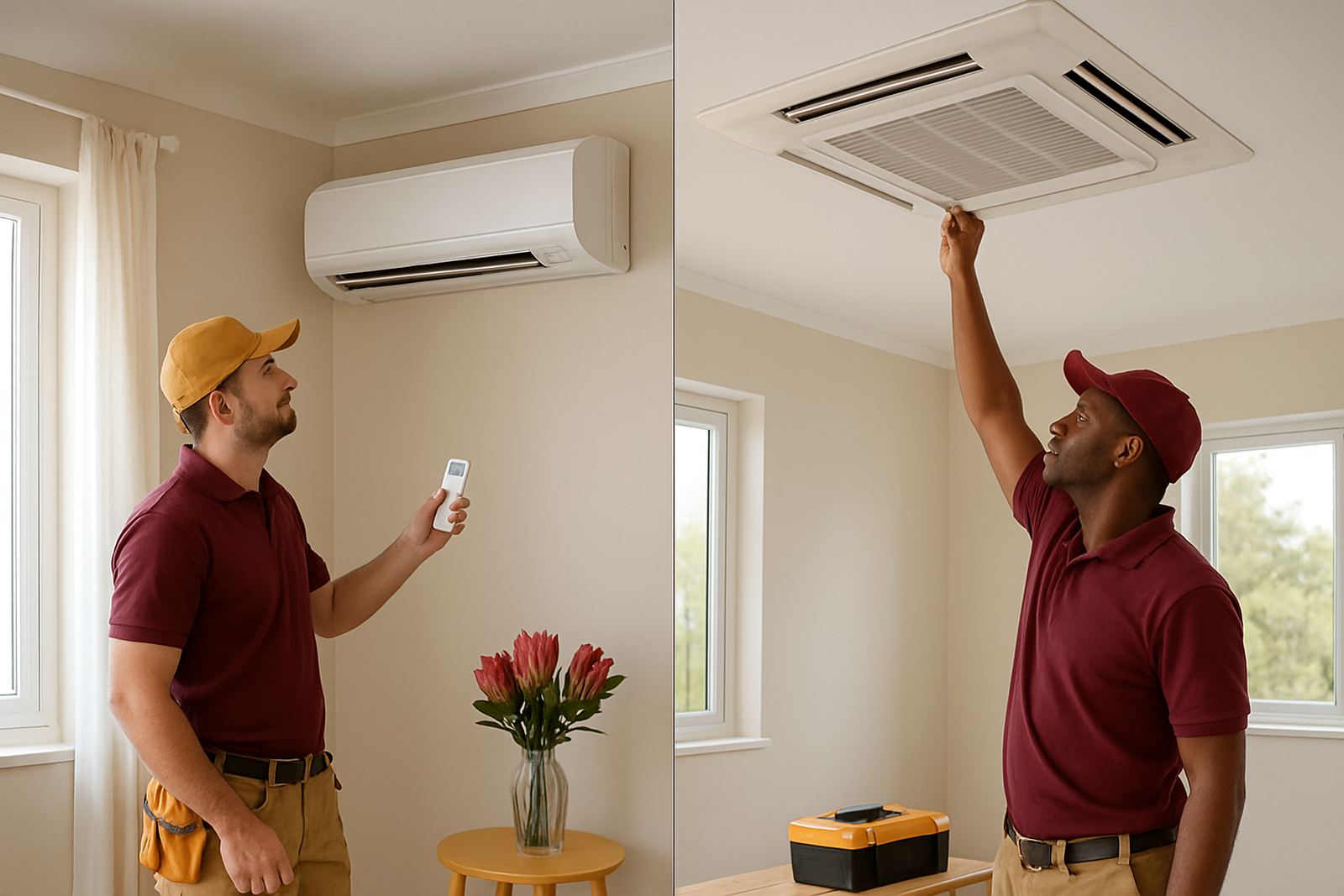
For refrigeration systems, the contract should include checks on temperature performance, drain clearing, visible leak detection, electrical connections, and the condition of door seals where applicable. For aircon, filter cleaning, airflow checks and condensate drainage are basic. If the site has product that must stay within a narrow range, temperature logging should be part of the routine, not an afterthought.
- Coil cleaning and drain clearing
- Leak detection and basic pressure checks
- Temperature logging and written readings
- Filter cleaning, airflow inspection, and fan checks
- Visual inspection of insulation, wiring, and drain pans
Decide how call-outs and repairs are handled
Even the best maintenance plan will not stop every fault. The contract should say how emergency call-outs are logged, how fast someone responds, and whether labour, travel, and parts are billed separately. A business in Stellenbosch may need urgent help during a wine export rush, while a supermarket in Vredenburg may need same-day support if a cold room starts rising above safe temperature.
It is also worth defining what counts as fair wear and tear versus damage caused by misuse, blocked ventilation, or power problems. If a unit fails because a fan motor has finally worn out, the agreement should explain the approval process for the repair quote. If a breaker trips due to a site fault, that should be clear too so there are no arguments later.
- Emergency contact number and response times
- How after-hours work is billed
- Whether spare parts are included or quoted separately
- Approval process for repairs over a set Rand value
- Who signs off completed work on site
Ask for records you can actually use
Maintenance is not only about fixing machines, it is about keeping proof. A proper agreement should include a service report after every visit, with readings, faults found, work completed, and items that still need attention. For food handling sites, temperature logs matter because they show whether stock was kept within the required range during trading hours and overnight.
Records also help with planning. If the same drain keeps blocking or a room is running too warm every second month, the pattern should be visible. That helps the owner budget for a repair before the next busy season instead of waiting for a breakdown. It also makes it easier to explain compliance checks to managers, auditors, or insurers when asked.
- Date and time of visit
- Technician notes and measured temperatures
- Parts replaced or repairs recommended
- Outstanding issues and follow-up date
- Signed proof of attendance where needed
Use a simple checklist before signing
Before you commit, read the agreement line by line and check the gaps. The cheapest quote is not always the best value if it leaves out cleaning, logs, or after-hours help. A fair contract is clear, practical, and suited to the site whether it is in Cape Town, Malmesbury, or a farm road outside Paarl.
Ask who coordinates the work, how often the plan will be reviewed, and whether the same technician team will attend where possible. Familiarity helps because a technician who knows your plant spots changes faster. At Kenny Cape West, the team is based in Montague Gardens and works across the Western Cape, so the contract should suit real conditions on the ground not just paper terms.
- Does the agreement name every unit and room?
- Are visit intervals suitable for the load on site?
- Are call-out rules and response times clear?
- Are reports, logs, and sign-off included?
- Are seasonal start-up and shutdown checks covered?
If the answer to any of these is no, the contract needs another look before it is signed. A solid agreement saves time, reduces spoilage risk, and keeps equipment working through summer heat, coastal humidity, and load-shedding pressure.