Start with the cold chain that matters most
Before the next outage, list every item that must stay within temperature: fresh food, dairy, meat, flowers, medicines, fermenting product and any stock that cannot take even a short rise in temperature. Do the same for your aircon rooms, server spaces, packing areas and customer areas if comfort affects trading. In shops and farms across Cape Town, Stellenbosch, Paarl, Malmesbury and Vredenburg, the first loss is often not power itself but time spent deciding what to save.
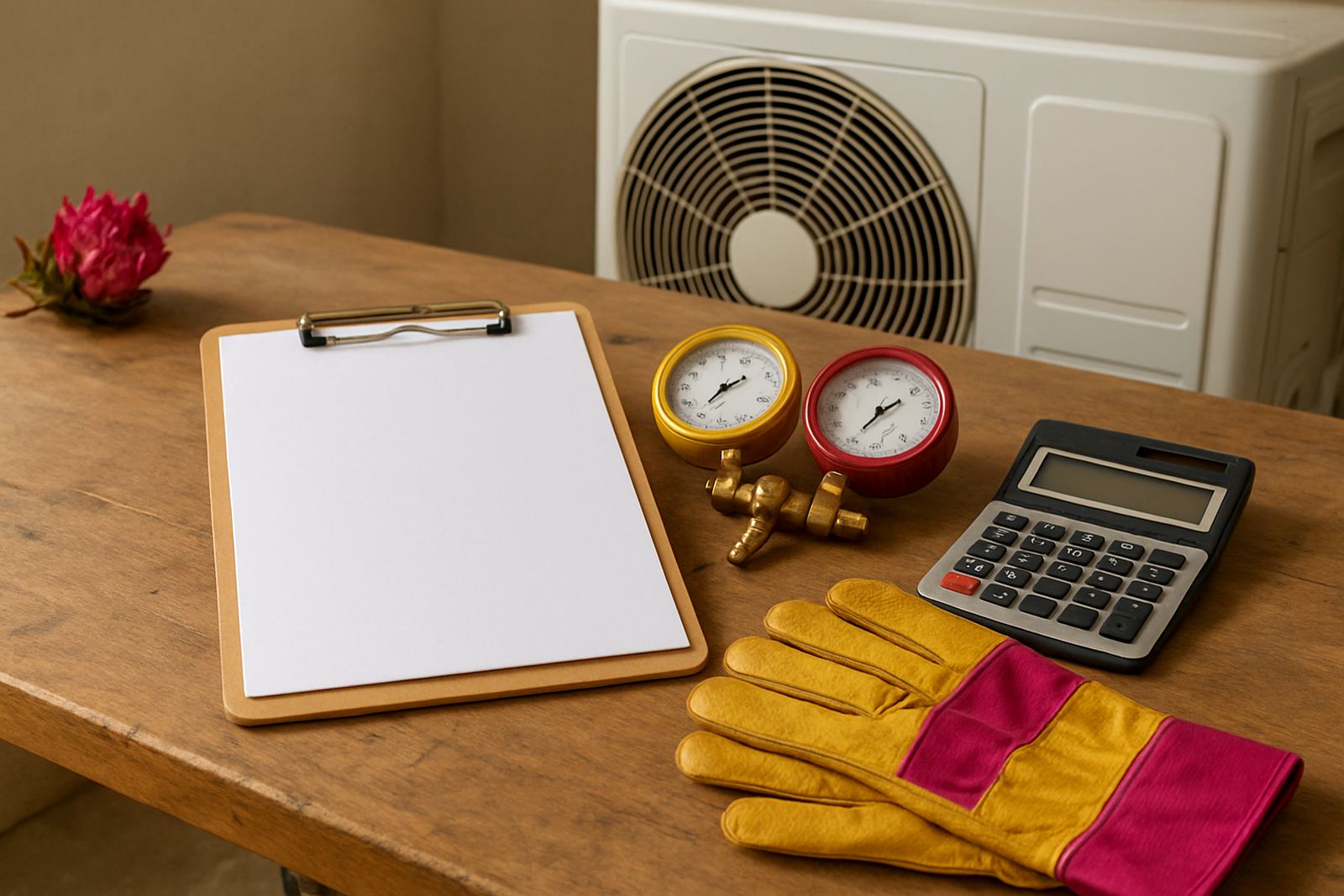
Write down the set points, acceptable temperature range, holding time and who checks each area during an outage. If you have more than one cold room, separate them by priority. A small room with high-value stock may need closer attention than a larger room with slower-moving stock. Keep a printed copy at the switchboard and in the plant room so it is not trapped on a laptop during load shedding.
- List every fridge, freezer, cold room and aircon circuit.
- Mark critical stock by value and spoilage risk.
- Note the safe temperature range for each room.
- Assign one person per shift to check and record readings.
Check the plant before the outage hits
Equipment that is already tired will struggle much more when the power returns. Ask for a pre-loadshedding inspection that covers compressors, fans, contactors, drains, door seals, control settings and visible signs of oil, ice or vibration. In the Western Cape, coastal humidity can make coils dirty faster, while inland dust from farm yards can block airflow and force the unit to work harder.
Do not wait for a breakdown to deal with low gas, blocked drains or a noisy fan motor. A system that is serviced on time usually copes better with repeated starts and stops. If you are running retail, hospitality or packhouse equipment, arrange Planned Maintenance before winter peaks and before the holiday season when outages can hit stock levels hard.
- Clean coils and clear dust from intake and discharge points.
- Check drain lines for blockage and backflow.
- Inspect door seals and strip curtains for gaps.
- Test defrost cycles and temperature controls.
Protect stock when the power goes off
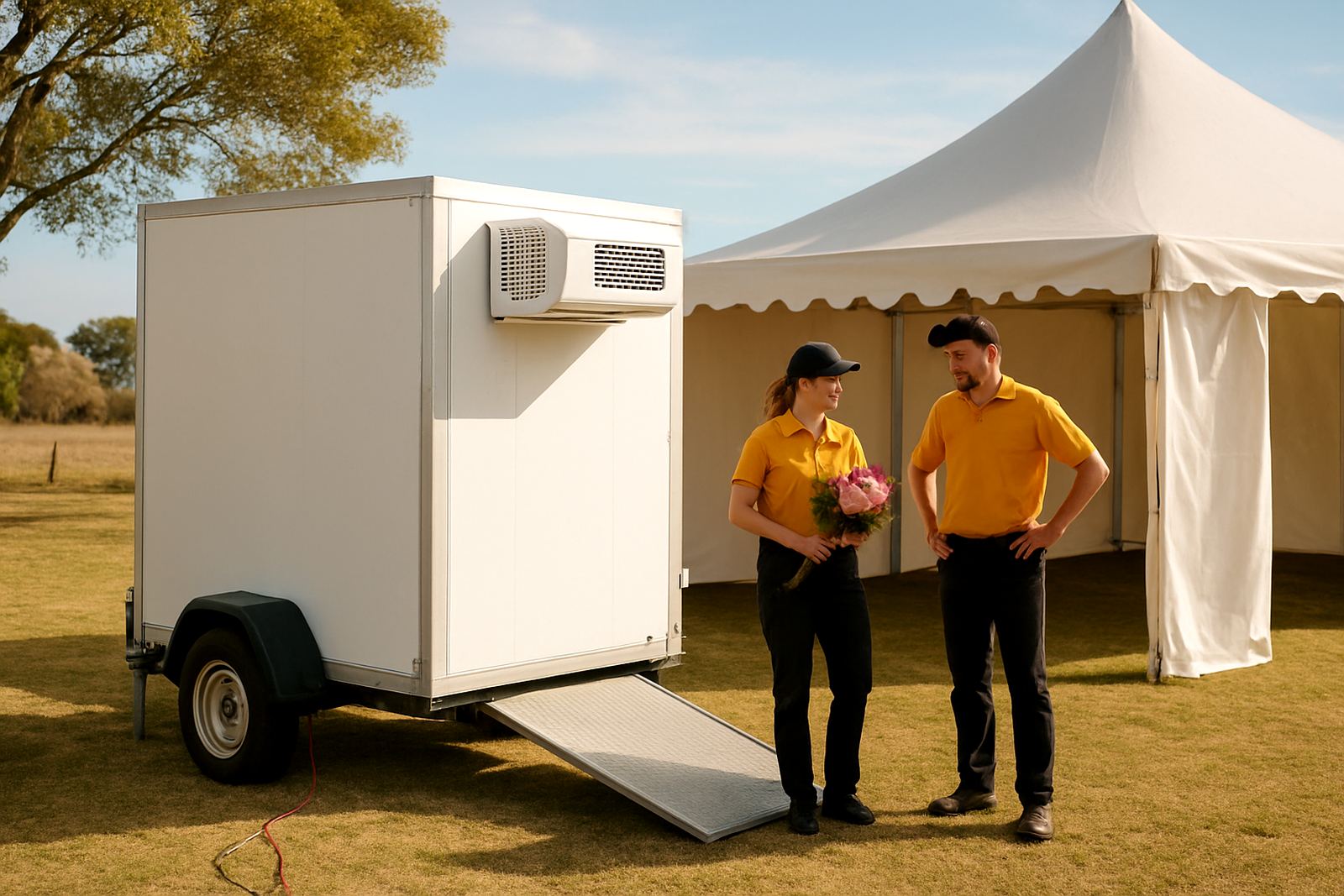
When load shedding starts, every door opening costs you cold air. Keep access to cold rooms to a minimum and move stock only if it is essential. Make sure staff know which rooms stay shut and which products may be transferred first. If you are using backup power for a limited period, prioritise the rooms that carry the highest risk of spoilage and keep records of how long each room is without mains supply.
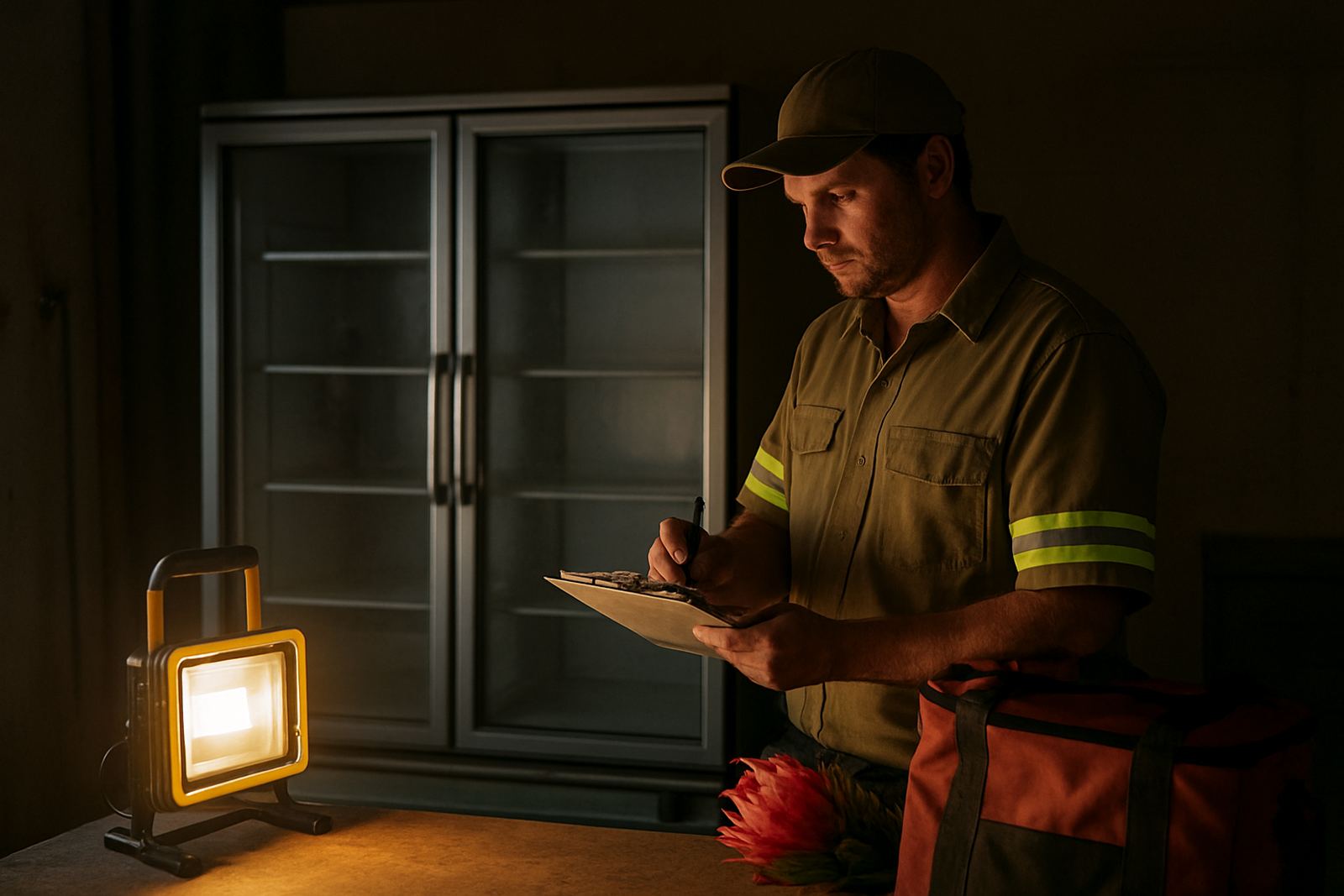
Temperature logging is worth doing properly. A quick glance at a display is not enough if the room is cycling up and down through the outage. Record the time power failed, the temperature at that moment, the time power returned and the recovery reading 30 to 60 minutes later. That helps you spot weak areas before the stock loss grows. It also helps with contract work and insurance queries if you need proof of what happened.
- Keep doors closed and limit entries.
- Group stock in the coldest part of the room.
- Move vulnerable items first if transfer is needed.
- Log temperatures before, during and after the outage.
Plan what happens when power returns
When electricity comes back, do not assume everything is fine. Refrigeration systems often need a short recovery period and aircon units can trip if they restart under load. Check the main isolator, then listen for unusual noise, repeated clicking, uneven fan operation or alarms. If a breaker trips twice, leave it off and call for help rather than forcing repeated restarts.
After longer outages, check for ice build-up, water on the floor, warm spots in the room and any smell of overheated wiring. In some facilities the biggest problem is not the outage itself but the pressure surge and restart sequence that follows it. A proper restart routine keeps damage down and helps you avoid a second call-out later the same day.
If your site has a generator or battery support, make sure the changeover is tested under load, not only while idle. Small faults in changeover switches and control wiring can hide until the first real outage. It is better to find them during a planned test than during a hot Friday afternoon when stock is already at risk.
Use a simple staff checklist for every shift
A good checklist stops confusion when the lights go out at 11:00 or 18:30. Keep it short enough for staff to use without training on the spot, but detailed enough that no one is guessing. Put one copy in the office and one near the cold room door. If your team changes often, add a 5 minute handover at shift change so the next person knows what was checked and what still needs attention.
- Confirm load shedding times for the day.
- Check cold room temperatures and record them.
- Close and latch all doors before outage time.
- Move priority stock to the correct room.
- Switch off non-essential equipment if needed.
- Check the plant room after power returns.
For larger sites, nominate one person to speak to the technician and keep the notes together. That saves time on the day of the call-out and gives a clearer picture of what happened if the same fault keeps coming back. It also helps on farms where the packing area, staff room and workshop may all be on different circuits.
Know when to call for repairs, not more waiting
If your compressor is short cycling, a room is pulling down slowly, the aircon smells damp, or the same breaker keeps tripping, get it checked before the next outage. Repeated load shedding puts extra stress on starters, capacitors, controls and fan motors, so a small fault can turn into a long shutdown. For shops and cold rooms in Cape Town, Montague Gardens, Stellenbosch, Paarl, Malmesbury and Vredenburg, quick response is often the difference between minor product loss and a full day's waste.
Kenny Cape West handles call-out repairs, maintenance contracts, cold-room work, aircon servicing, leak detection, temperature logging, coil cleaning, drain clearing, seasonal start-up and shutdown preservation. If your site needs a cleaner restart plan, a service contract or help after an outage, send the details early so the fault can be assessed properly. A few simple checks now can spare you a lot of spoilage later.
Email callouts@kennycapewest.co.za with your site location, equipment type, fault symptoms and when the problem started. Include photos if you can. That makes the first visit more useful and helps the technician bring the right parts.