Start with the stock you need to protect
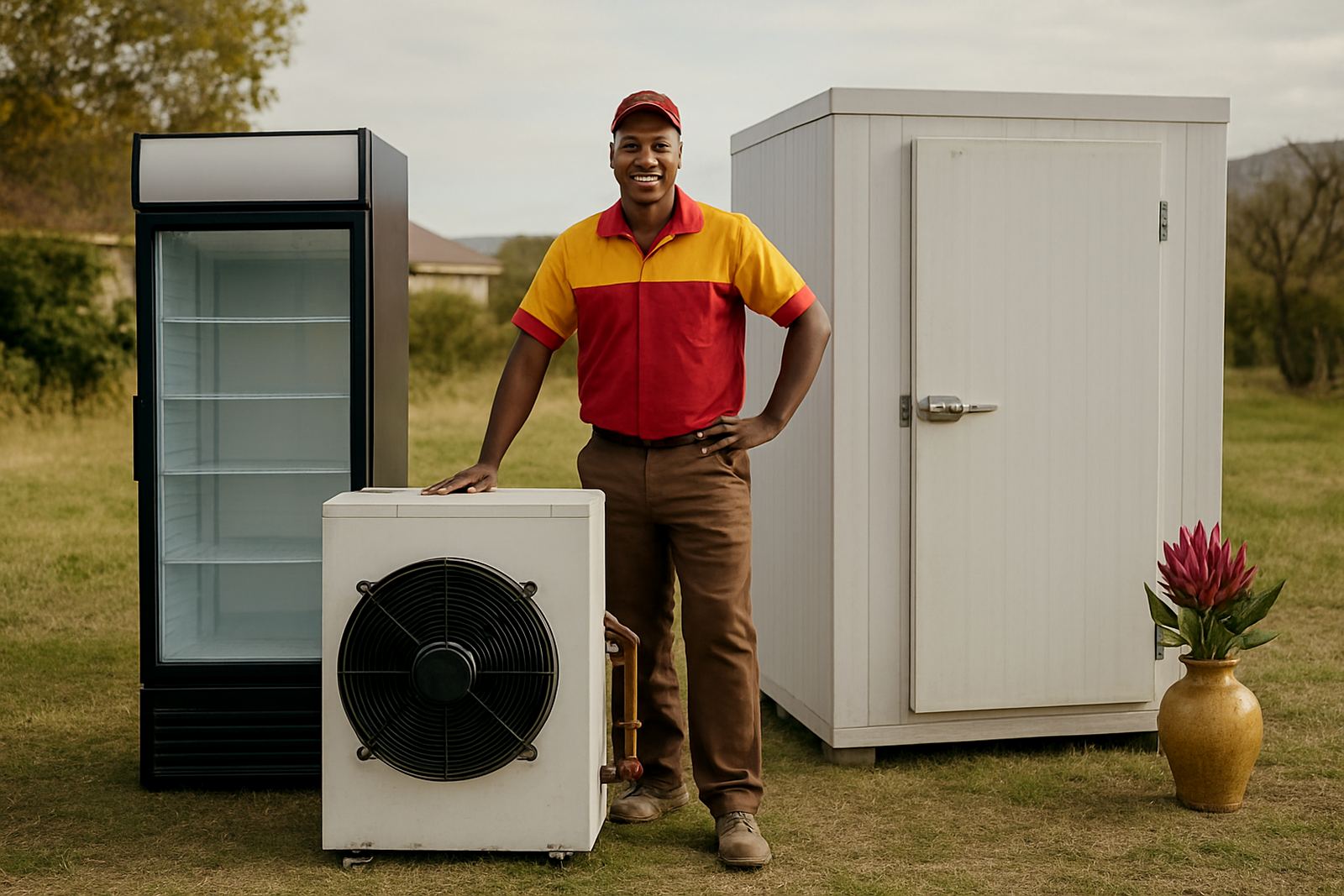
Begin with the product, not the container. List what must stay chilled, frozen, or simply kept out of heat while you manage a busy period. Fresh produce, dairy, meat, flowers and prepared food all have different temperature needs and hold times. A few extra crates of stock can often be managed in a small unit, but a weekly peak for a farm packhouse or retail store may need a larger hold-over space.
Check how much stock arrives at one time, how long it must stay in storage, and how many pallet spaces you need at peak. If you are handling daily deliveries, allow room for one day in, one day out, plus working space. Tight access inside the unit slows down loading and can lead to warm stock sitting too long.
- Write down the product types and target temperatures
- Measure the busiest day, not only the average day
- Allow space for trolleys, pallets, crates and staff movement
- Separate stock that must not share air space, such as raw and ready-to-eat items
Choose the right size and access for your site
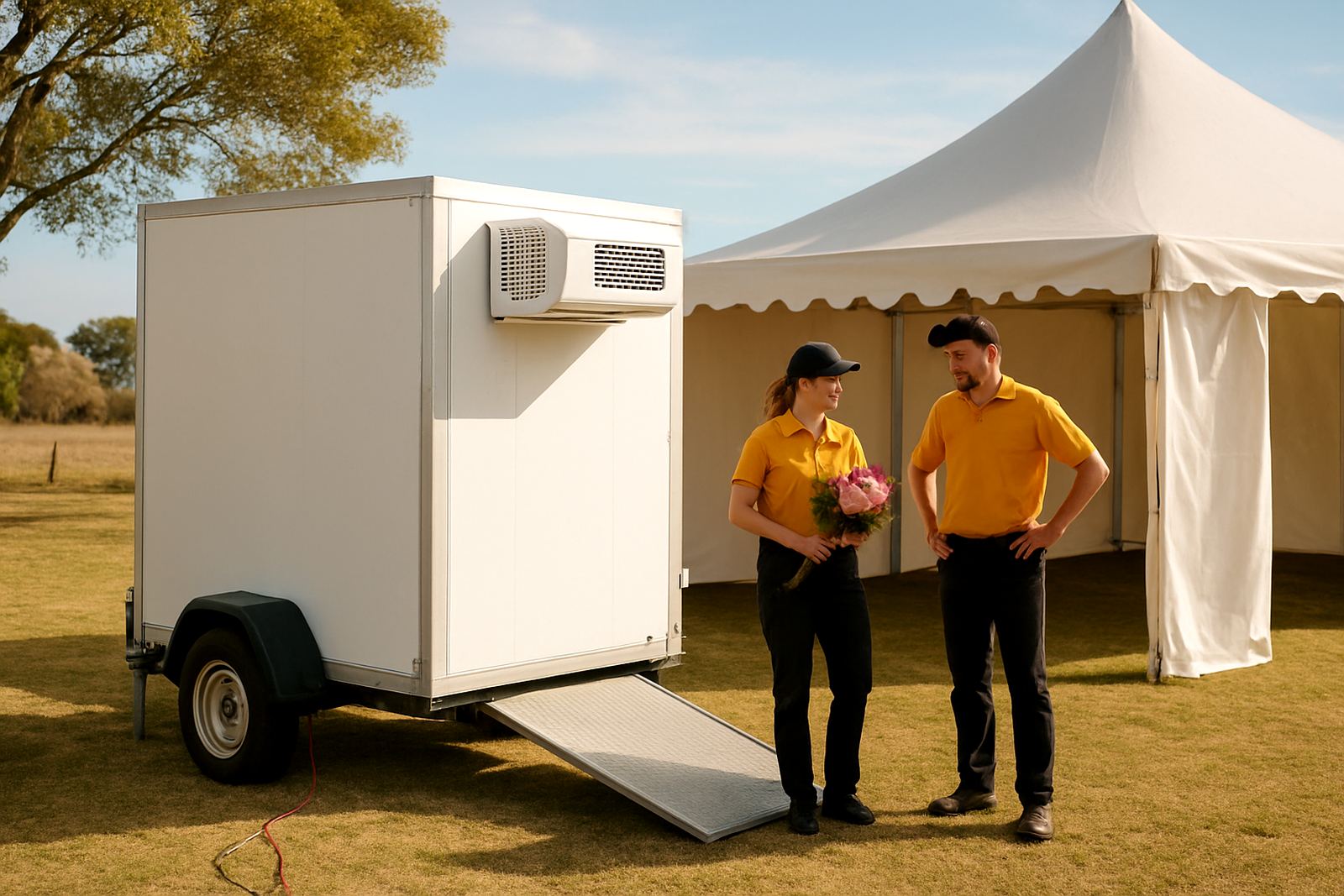
Portable cold storage comes in different lengths and internal layouts, so site space matters. Before you book, measure the parking bay, yard or loading area where the unit will sit. Leave space for doors to open fully, fork access if needed, and vehicle turning room. In Cape Town and the Winelands, many sites have narrow driveways or mixed-use yards, so the delivery path needs checking as well.
Think about how staff will load and offload in real use. If a unit is too high, too far from the prep area, or awkward to reach, it will not save time. In coastal areas like the West Coast, wind and salt air can also affect placement, so choose a level spot with good drainage and some shelter if possible.
- Measure length, width and height available on site
- Confirm gate width, turning space and overhead clearance
- Check if the floor can handle the weight when fully loaded
- Keep the unit off soft ground where it may sink after rain
Check power supply, backup and load-shedding plans
Cooling equipment needs a stable power source. Ask what supply the portable unit needs, whether it plugs into site power, and what current draw it makes at startup and during normal running. On farms, in industrial yards and at some retail sites, the power feed may already be under strain from lighting, pumps and other equipment. Do not assume there is spare capacity.
With load-shedding still affecting the Western Cape, backup planning matters. A generator may be needed, but it must be sized correctly and placed safely. If the unit will run through the night, ask how the temperature is held during outages and what alarm or call-out support is available if the supply fails.
- Confirm power requirements before delivery
- Check whether a generator is needed for outages
- Keep cables protected from water and passing vehicles
- Ask for start-up checks after connection
Make hygiene and temperature control part of the hire
Temporary storage still has to meet proper hygiene standards. Surfaces should be cleanable, seals should close well, and there should be enough airflow around the stock so the cold can move properly. If the unit has been used before, ask when it was last sanitised and whether it was serviced for gas leaks, fans and drains. A unit that smells damp or shows ice build-up should not be accepted.
Temperature logging is worth the effort, especially if you are storing food or high-value stock. A simple log can show that product stayed in range through the busy period, which helps with internal records, customer complaints and municipal or audit checks where relevant. If you need to store stock for more than a day or two, keep a written record of readings morning and evening.
- Check door seals, floors, lights and internal condition
- Confirm the operating temperature before loading stock
- Ask how often the unit is checked during hire
- Keep a temperature log for the full hire period
Plan the delivery, siting and handover properly
Portable cold storage works best when the handover is planned like a delivery route, not like an afterthought. Decide who receives the unit, where it will stand, and who signs off that the temperature has come down before stock is loaded. If the unit is arriving before sunrise or after trading hours, make sure someone is on site with access keys and site instructions.
Good placement reduces call-outs later. Keep the unit away from direct sun where possible, leave room around vents, and avoid standing water. In places like Malmesbury, Paarl or Stellenbosch, dust and heat can build up quickly, so a poor position can make the equipment work harder than it should.
- Nominate one site contact for the full hire period
- Confirm the offload route, gate codes and parking rules
- Allow time for pre-cooling before stock goes in
- Record any damage or faults at handover straight away
Use a simple daily checklist while the unit is on site
A temporary unit should not be left unattended without a basic routine. A short daily check helps catch problems before they spoil stock. This is especially useful during busy farm harvests, month-end retail peaks or shop refurbishments where teams are stretched. If staff are rushed, assign the same person each day so the checks are not missed.
Look for blocked drains, water pooling, unusual noise, frost build-up and door damage. Make sure staff close the doors properly after loading. A small gap can waste power and warm the full load quicker than many people think. If the unit runs on a generator during outages, keep fuel levels and service intervals under control too.
- Check temperature morning and evening
- Inspect doors, seals and drains for damage or blockage
- Keep stock off the floor and away from the back wall
- Report any rise in temperature at once
Know when to ask for service support
Temporary storage is there to support your operation, not create more admin. If you notice poor cooling, ice on the coil, water inside the unit, or repeated alarms, get a technician to inspect it quickly. The same applies if the hire period is stretched beyond the original plan and the unit now needs maintenance, cleaning or a fresh start-up check.
For shops, farms and packhouses across Cape Town, the Winelands and the West Coast, having a local support contact saves time when stock is at risk. A quick call-out can mean the difference between saving a load and writing it off, so dont wait for the unit to fail completely.
- Call for help if temperatures drift out of range
- Request drain clearing if water starts building up
- Schedule coil cleaning for longer hire periods
- Ask for shutdown preservation before collection