1. Confirm the fault and keep a simple record
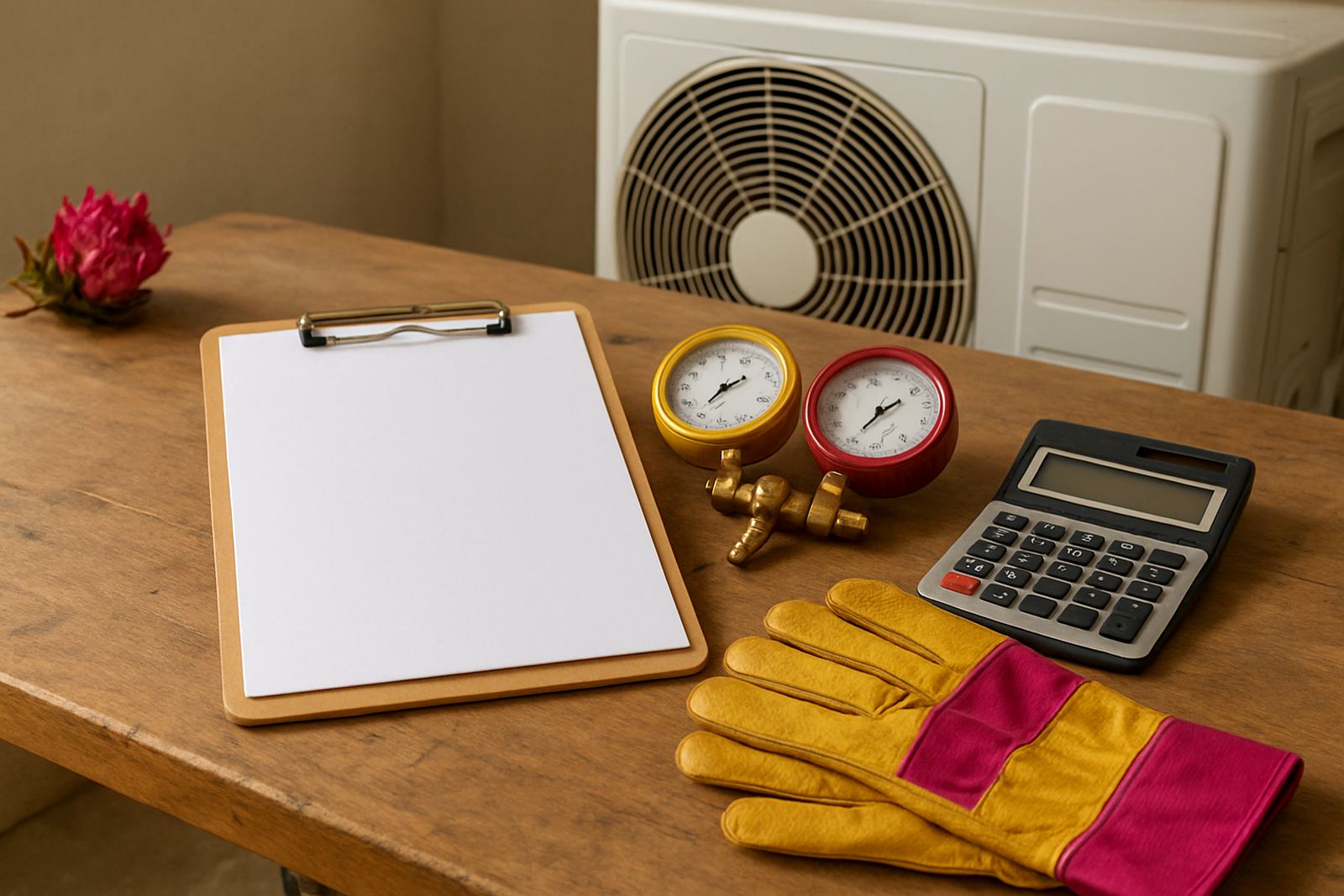
Before a technician comes out, note what the unit is doing now, not what it did last month. If the problem comes and goes, write down the times, the outside temperature, and whether the issue happens after load-shedding, during peak heat, or only at night. For cold rooms and fridges, temperature changes are important. A small log helps us separate a power issue, a control fault, a gas leak or poor airflow.
If you can, take 2 or 3 clear photos of the equipment, the display panel, and any visible fault such as ice build-up, water dripping, burnt marks, or loose wiring. Please include the make, model and serial number if it is visible. If the unit is on a farm or at a shop with several systems, label which room, counter or store area is affected so the technician can head to the right spot first time.
- Write the exact symptoms and the time they started.
- Note any beeping, tripping, smoke, smell or water leaks.
- Record the temperature shown on the controller if there is one.
- Tell us if the problem started after power cuts, storms or cleaning.
2. Clear access at the unit and around the work area
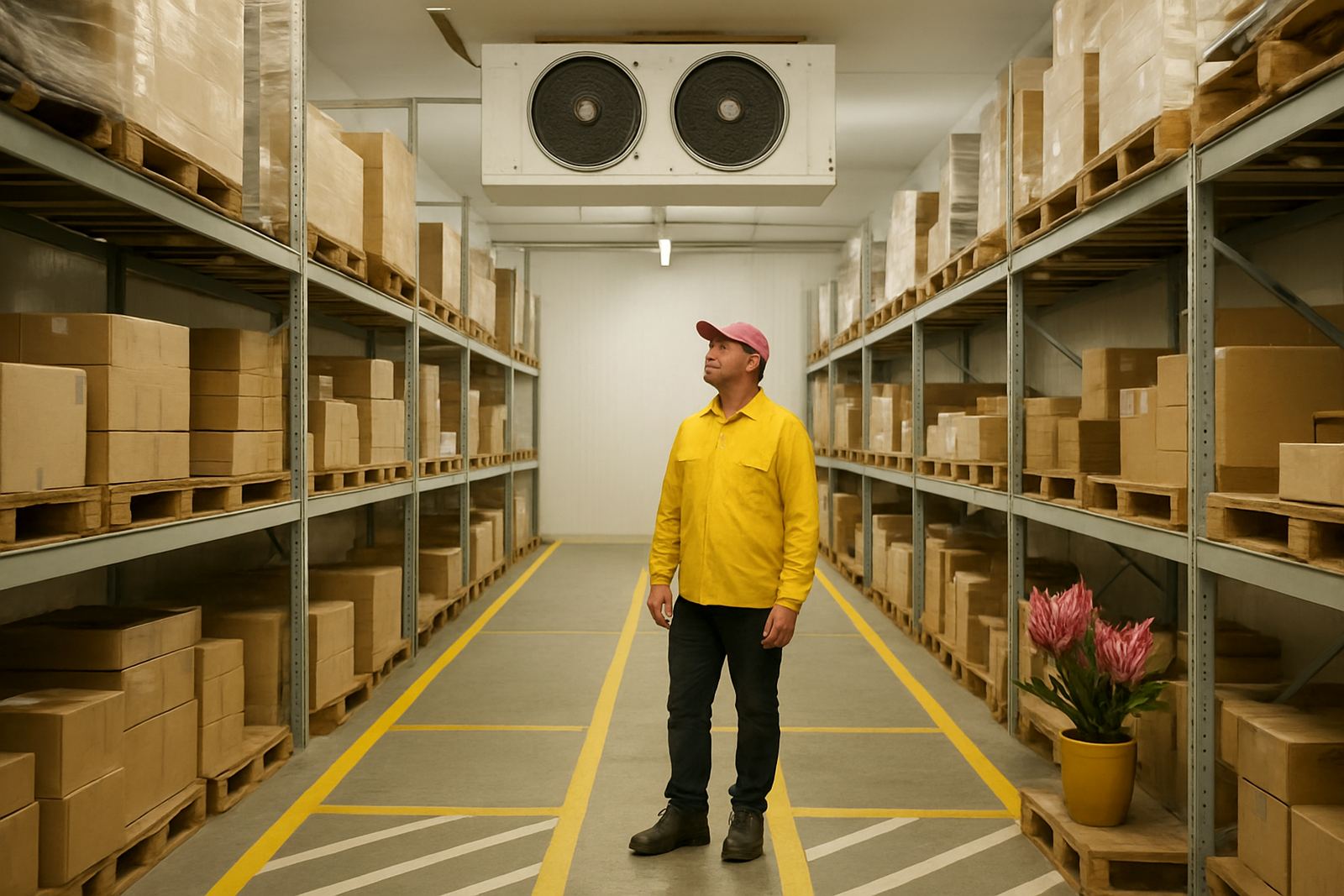
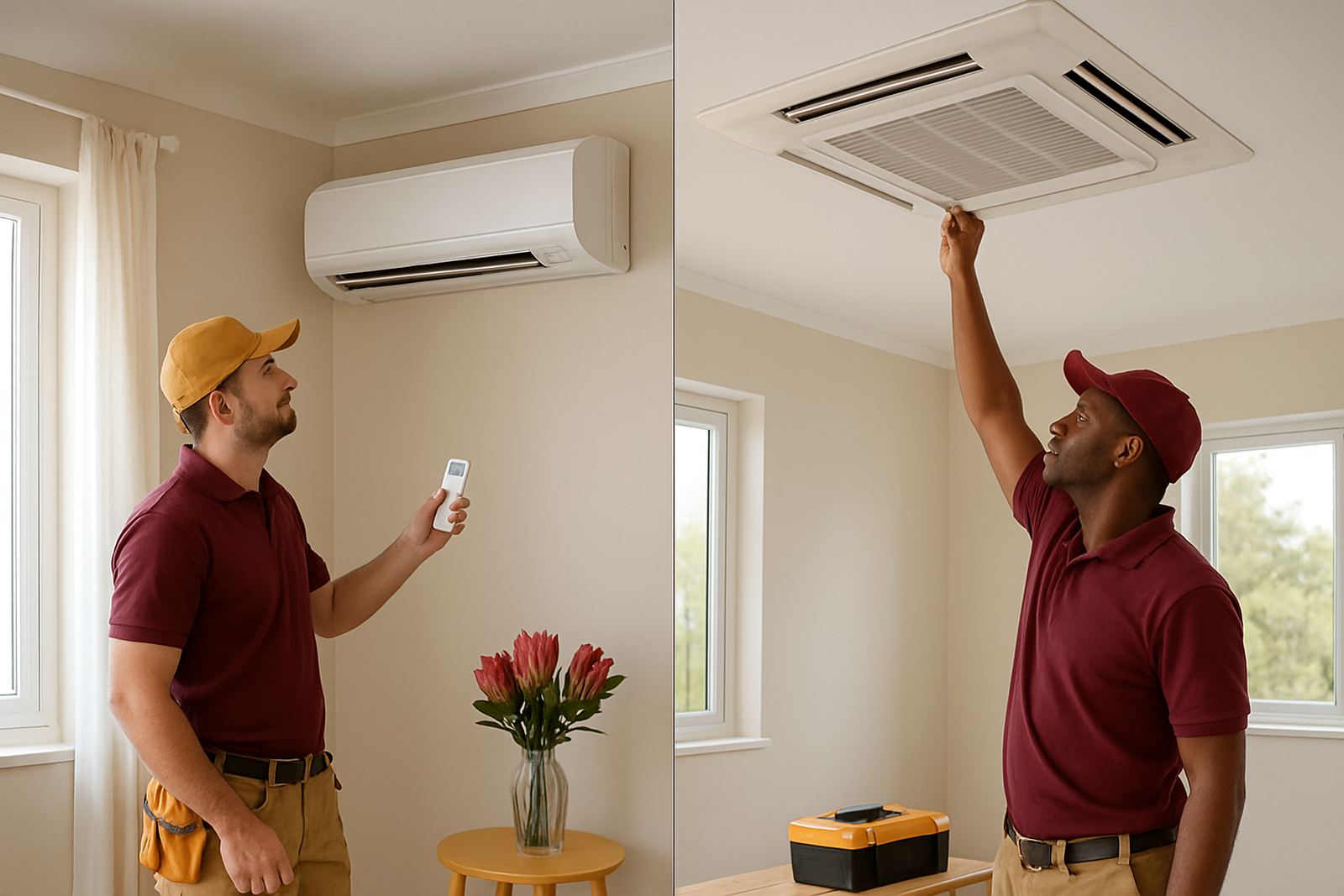
Technicians need enough space to work safely around the indoor and outdoor units, control boards, pipework and drain lines. Please move stock, boxes, display items, tools and parked vehicles away from the area before the visit. In tight plant rooms, even half a metre of clear space can make a big difference. If the unit is on a roof or high wall, make sure access ladders, hatches and safe walkways are open and usable.
For cold rooms, leave space near the door, evaporator and condenser area so panels can be opened and checked. In coastal areas such as Cape Town and the West Coast, salt air can lead to corrosion, so we often need to inspect brackets, drain routes and electrical connections properly. If the unit is in a storeroom, a back passage or outside under cover, please check that the route is free of obstacles and that we can enter without moving heavy stock on arrival.
- Move fragile stock away from splash zones and service panels.
- Unlock gates, plant rooms and roof access points.
- Keep pets and children clear during the visit.
- Make sure lights are working in the work area if possible.
3. Protect stock, products and temperature-sensitive goods
If we are servicing a cold room, shop fridge, bottle store or milk storage area, think about what needs to stay cold while the unit is off. Arrange backup storage before the visit if a shutdown is likely. On farms and in food stores, this step matters most when product turnover is high or when the room has no spare capacity. If you have temperature logging in place, keep the logs going right up to the visit so we can compare the readings before and after the repair.
For seasonal start-up and shutdown preservation work, it helps to know what must stay powered and what can be isolated. Some systems should be left running, while others need safe shutdown for cleaning, cover fitting or long-term storage. If you are not sure, ask us before switching anything off. A wrong switch can cause avoidable damage, especially after a long power interruption or during humid weather when moisture gets into open equipment.
- Move perishable stock to backup refrigeration if needed.
- Keep doors closed as much as possible before the technician arrives.
- Tell us about any temperature alarms or product risk.
- Set aside a contact person who can decide on stock movement quickly.
4. Check power supply, controls and water drainage
Many call-outs turn out to be linked to power supply, controls or drainage rather than the compressor itself. Please check whether the breaker has tripped, whether the isolator is on, and whether the control panel has a fault message. If there have been recent outages or low voltage in your area, tell us. In the Western Cape, load-shedding and power interruptions can leave systems with damaged contactors, failed capacitors, lost settings or blocked restart sequences.
Drain issues are common on aircon units and cold rooms. If you see water running down a wall, from a ceiling panel or under the evaporator, let us know before the visit. Do not poke into drain lines or try to force them open with wire. If the unit has had repeated icing, poor cooling or warm air on one side, that can point to airflow restriction, coil dirt or a blocked drain. Sharing this detail upfront helps us bring the right parts and tools.
- Check breakers, isolators and local switches before the call-out.
- Tell us about outages, surges or generator changeovers.
- Do not reset a tripped breaker more than once if it keeps tripping.
- Report any standing water, icing or overflow immediately.
5. Make the site safe for work and compliance checks
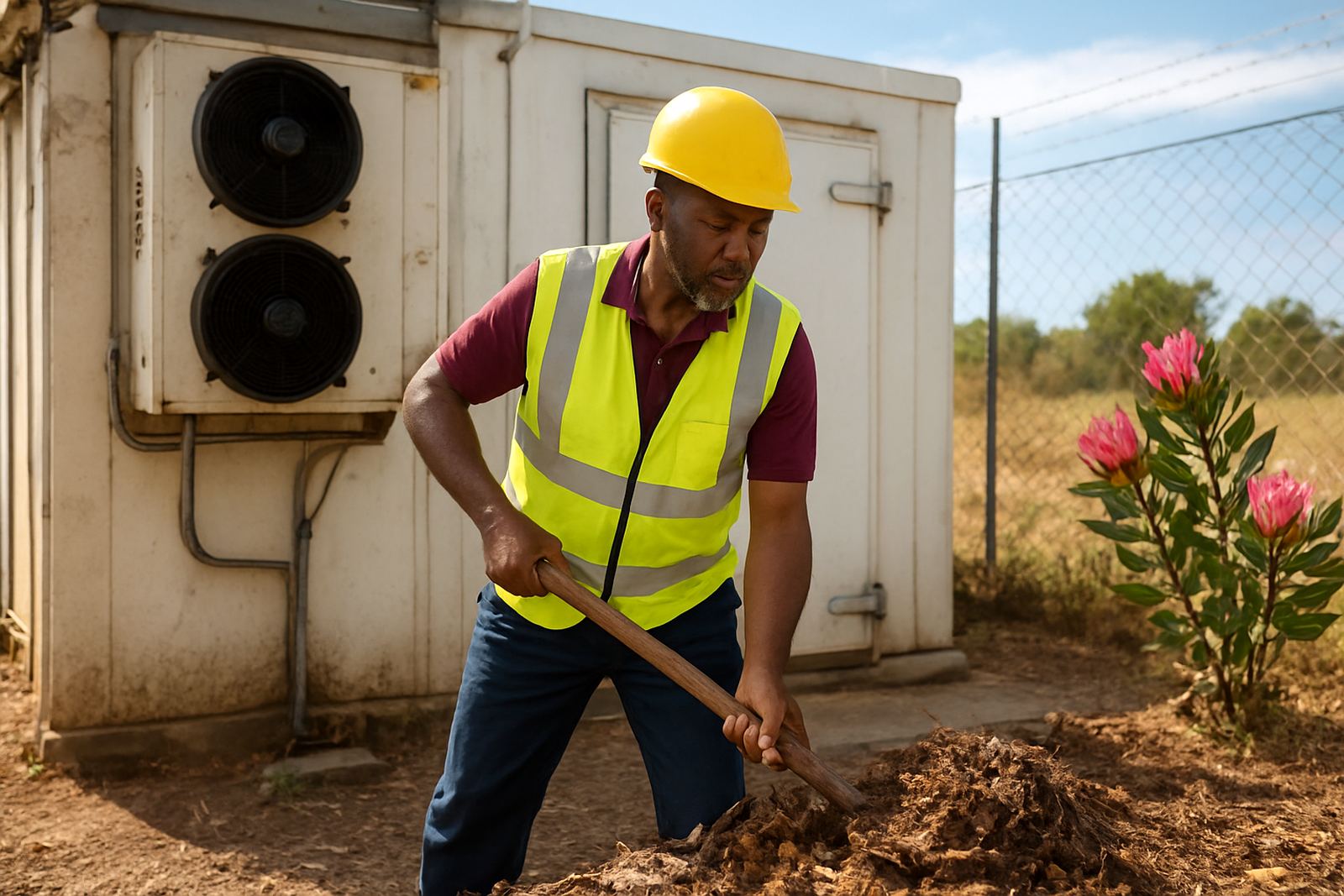
We need a safe working area to inspect electrical parts, gas circuits and moving components. If your site has safety rules, sign-in procedures or induction requirements, please tell us beforehand. On commercial and farm sites, this may include visitor registers, PPE requirements, restricted zones or a supervisor escort. For rooftop units and larger cold-room systems, safe access is not optional it protects your staff and our team too.
Please let us know about any recent changes to the site, such as renovations, repainting, pest control, chemical cleaning or new shelving. These can affect airflow, mounting points and drainage routes. If the installation sits near food handling areas, keep surfaces clean and clear. We also ask that you point out any asbestos warnings, unstable ceilings, damaged flooring or weak roof sections before anyone climbs or opens panels.
- Share site rules, gate codes and loading bay instructions early.
- Tell us if a permit or sign-in is needed.
- Warn us about slippery floors, poor lighting or roof hazards.
- Keep chemicals and cleaning agents away from the service area.
6. What to have ready on the day
On the day of the visit, keep one responsible person available to meet the technician, explain the issue and approve any further steps. If the work is planned maintenance, have the service history ready if you have it. If it is an emergency call-out, a short timeline of what happened before the failure is enough. For cold rooms and aircon systems, good information speeds up diagnosis and can reduce repeat visits.
It also helps to have payment and invoicing details ready if your business needs them before work starts. If the site has specific trading hours, tell us so we can plan around customers, deliveries or milking times. In towns from Cape Town and Montague Gardens through Stellenbosch, Paarl, Malmesbury and Vredenburg, traffic and gate access can affect arrival times, so accurate contact details matter.
- Keep your contact phone on and within reach.
- Have gate access, parking and delivery instructions ready.
- Share the site contact, billing name and email address.
- Ask any questions before the technician leaves so nothing is missed.
Good preparation keeps the visit focused on the actual fault or installation work. It also helps us finish faster, reduce disruption to your business and avoid return trips for simple access or information issues.