Why Door Opening Loss Happens So Quickly
Every time a door opens, cold air spills out and warmer air moves in. On a busy shop floor, packhouse, restaurant, or farm store, that exchange can happen dozens of times an hour, especially when staff are moving crates, trays or stock trolleys in and out.
The problem gets worse in the Western Cape when the outside air is warm and humid, or when a room sits near a loading bay with wind pushing through the doorway. Even a short hold-open time can cause frost build-up, longer compressor run time, and uneven temperatures near the entrance. If a room already struggles after load-shedding, those small losses become a bigger operational problem.
Door opening loss is not only about the door itself. It is also about traffic flow, stock handling, seals, strip curtains, lighting near the entrance, and how quickly staff can complete each movement.
Set Up the Entrance for Faster Movement
The quickest savings usually come from reducing the time the door stays open. The entrance should be organised so staff do not need to stop and search for stock, paperwork or tools before entering the room.
- Keep high-turn items closest to the door without blocking airflow.
- Store crates, labels and packing materials in a fixed place outside the room.
- Use clear floor marking so trolleys move in one direction only.
- Fit a clear viewing panel where possible, so staff can check if the room is free before opening.
- Keep the threshold clean and level so wheels do not catch and slow people down.
In a busy cold room, every extra second with the door open costs cooling capacity. If one person is waiting while another finishes stacking inside, thats often where the biggest loss starts. A tighter routine can save more than a costly equipment change.
Use the Right Door Hardware and Seals
Door hardware needs regular attention, not just when it fails. Worn hinges, broken closers, damaged seals and misaligned frames all let in warm air even when the door looks shut.
Check that the door closes fully without bouncing open. Magnetic or compression seals should sit evenly all around the frame. If a seal is hard, torn or covered in grease, it will leak air and can also pull moisture into the room. In coastal areas such as Cape Town and the West Coast, salt air and humidity can shorten the life of metal fittings, so inspections need to be more frequent.
For rooms with high traffic, ask whether the door size still suits the work being done. A door that is too small slows movement and stays open longer. A door that is too large may be harder to seal properly. If the frame is out of square, no amount of patching will give a proper fit and the leakage will continue.
Add Barriers That Reduce Warm Air Ingress
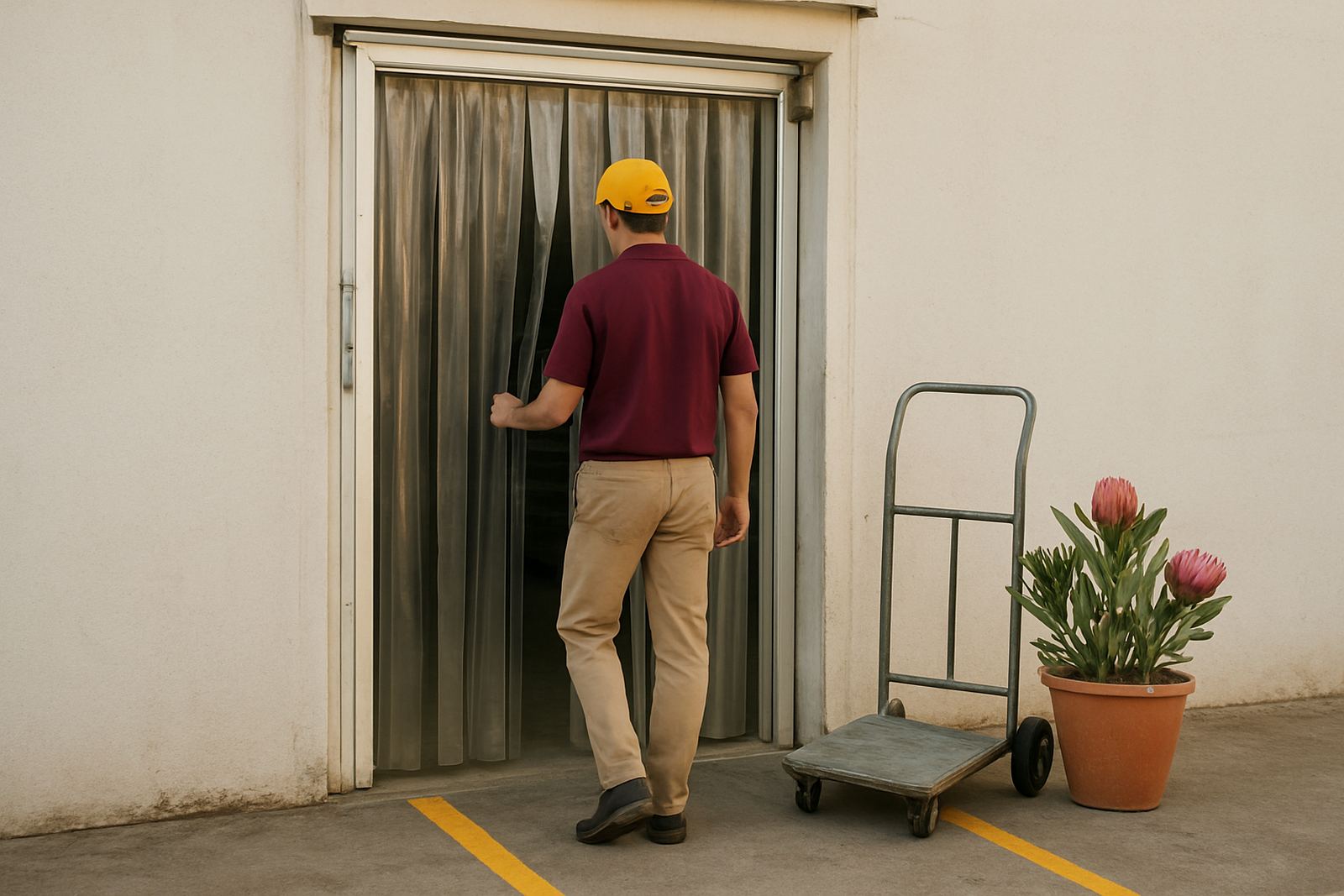
Where traffic is constant, extra barriers can make a useful difference. Strip curtains, air curtains, vestibules and staging areas each reduce how much warm air reaches the room interior. The right option depends on the doorway, the traffic type and the type of stock being handled.
- Strip curtains suit many small and medium entrances where carts pass through often.
- Air curtains can help where foot traffic is high and the opening must stay clear.
- Vestibules or small buffer areas work well where there is space for a second door.
- Self-closing doors help on staff entrances that are often left partly open.
These barriers work best when they are matched to the actual use of the room. A strip curtain that is too stiff or too short will be ignored. A buffer area full of loose stock will not protect anything. The aim is simple: slow the exchange of air long enough for the cooling system to recover.
Manage Traffic, Timing and Loading Practices
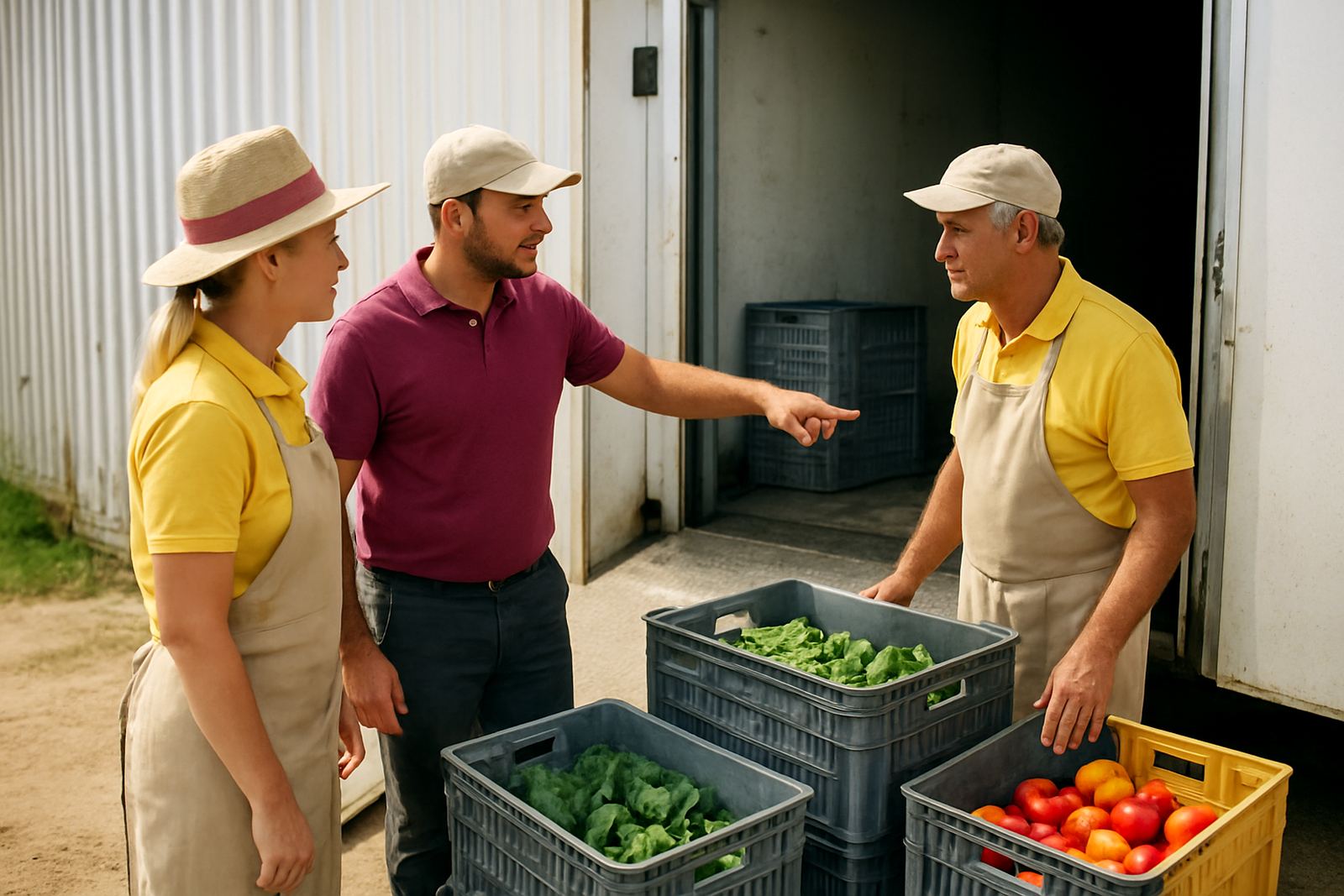
Many temperature losses are caused by habits, not equipment. If drivers, packers and shop staff all use the same doorway, the door may be open more often than it needs to be. A basic traffic plan can cut down unnecessary opening and give the system more stable conditions.
Group movements into short periods where possible. Keep one person responsible for opening and closing during loading. Avoid leaving the door open while stock is counted or checked. If a delivery takes time, move the stock to a shaded staging area first, then bring it into the room in batches.
Here is a practical checklist for daily use:
- Open the door only when the next load is ready.
- Close it as soon as each movement is complete.
- Do not prop the door open for convenience.
- Keep hot product, sunlight and rain away from the entrance.
- Limit unnecessary conversations at the doorway.
Simple rules like these can reduce compressor cycling, which helps equipment last longer and keeps temperatures steadier through the day.
Check Defrost, Airflow and Recovery After Load-Shedding
Door opening loss becomes worse when the system cannot recover properly. If evaporator coils are dirty, drains are blocked, or fans are struggling, the room will hold temperature badly after a busy period. The same applies after load-shedding, when recovery time is already under pressure.
Make sure coils are cleaned on schedule and drains are clear so meltwater does not freeze around the doorway area. Check that the room reaches target temperature again after peak traffic, not just overnight. If temperature logging shows repeated spikes near the entrance, the issue may be airflow, door habits, or a failing seal rather than the compressor itself.
For chilled rooms and cold rooms used by shops, farms and small depots, planned maintenance should include the entrance area as well as the plant. A room can have a serviceable unit but still lose money every day through the door.
Weekly Checklist for Shop and Farm Teams
A short checklist keeps the entrance working properly and helps the team spot problems before stock is affected. This is worth using in Cape Town, the Winelands and the West Coast where different sites see different traffic, weather and humidity levels.
- Check door seals, hinges and closers every week.
- Look for frost, damp patches or air movement around the frame.
- Confirm strip curtains hang straight and overlap correctly.
- Review whether stock placement is slowing movement at the entrance.
- Check temperature logs for spikes during peak trade or loading times.
- Book maintenance if the door is sticking, misaligned or left open often.
If the doorway is doing more than its fair share of the work, the rest of the system pays for it. A small adjustment at the entrance can make a real difference to temperatures, product quality and power use. Sometimes it is only a seal or a habit, but you need to catch it early.