Start with the real age and working hours
A fridge that has run 24 hours a day for a café in Cape Town has lived a harder life than one in a small home kitchen. The same goes for a shop fridge that is opened every few minutes, or a farm unit that sits in a dusty storeroom near Paarl or Malmesbury. Age matters, but working hours matter more.
A unit that is 6 years old and has had regular maintenance may still have useful service life left. A 12 year old fridge with repeated gas loss, weak cooling and worn door seals is usually heading towards the end. If the cabinet, compressor, evaporator and controls are all under strain, repairs start to chase one fault after another. That is when the bill looks smaller than replacement at first, then grows after the next breakdown.
We usually look at three things first: how old the unit is, how often it fails, and whether it still holds temperature properly under load. If the fridge is only struggling in hot weather but recovers well, a service may be enough. If it cannot keep product safe for a full trading day, you need a harder decision.
Repair costs that make sense, and costs that do not
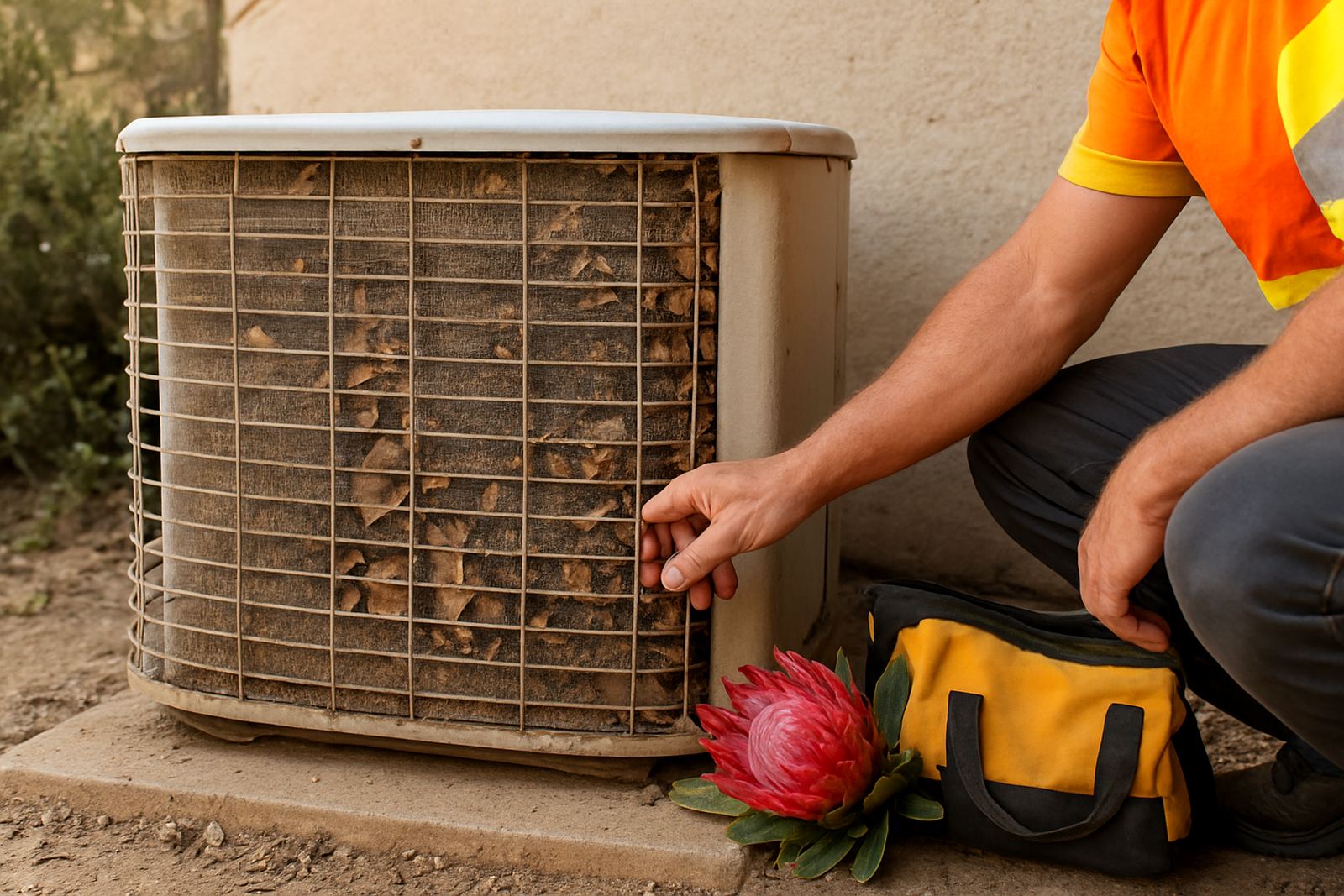
Not every fault means a new fridge. Many breakdowns come down to dirty coils, blocked drains, faulty fans, worn thermostats or a gas leak that can be traced and repaired. In those cases, repair is often the practical choice, especially if the cabinet itself is still sound. A proper call-out should tell you what failed, what caused it and whether the problem is likely to return.
- Good repair candidate: dirty condenser coils, blocked drainage, loose wiring, faulty controls, fan motor issues
- Borderline case: repeated gas leaks, weak cooling after several past repairs, heavy rust at the base or around the doors
- Replacement case: compressor failure on an old unit, major corrosion, cracked insulation, or a cabinet that no longer seals well
The repair becomes poor value when the cost is close to half the price of a replacement and the fridge is already near the end of its useful life. That number is not fixed for every site, but it is a fair working rule. You also have to count the hidden cost of spoilage, staff time and emergency call-outs. One failed night in a butcher, deli or farm pack room can wipe out the saving.
Signs the fridge is telling you to stop patching
Most fridges give warning before they fail completely. The trouble is that busy businesses get used to small problems and carry on until the unit gives up on a Friday afternoon. In the Western Cape, that often lands right before a weekend rush or just as a hot spell starts.
Watch for these signs:
- Temperature swings that are hard to explain
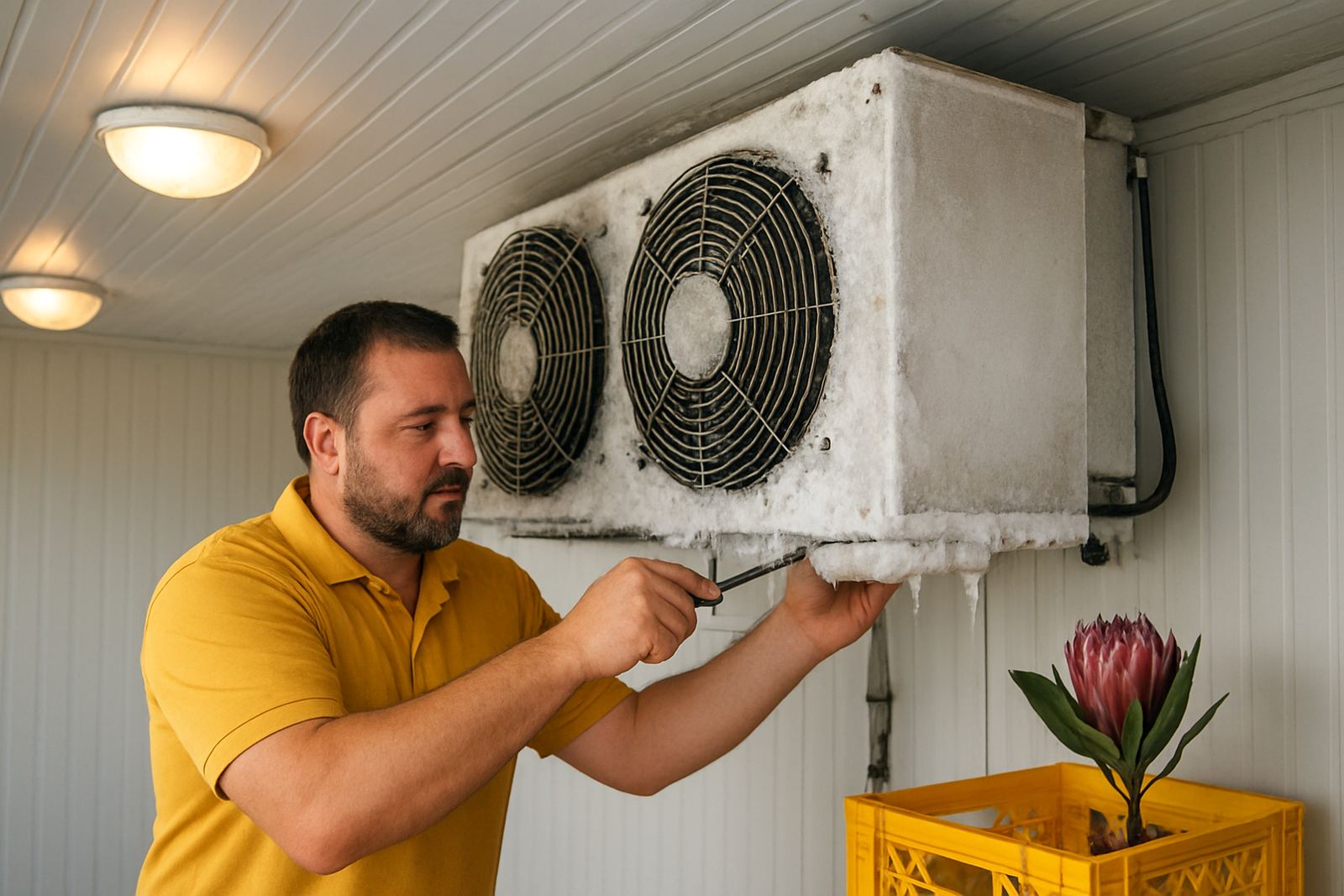
- Ice build-up on the wrong part of the system
- Water pooling inside or under the unit
- Compressor running too long, or cycling too often
- Warm product near the front but colder product at the back
- Rust, cracked seals or doors that no longer close square
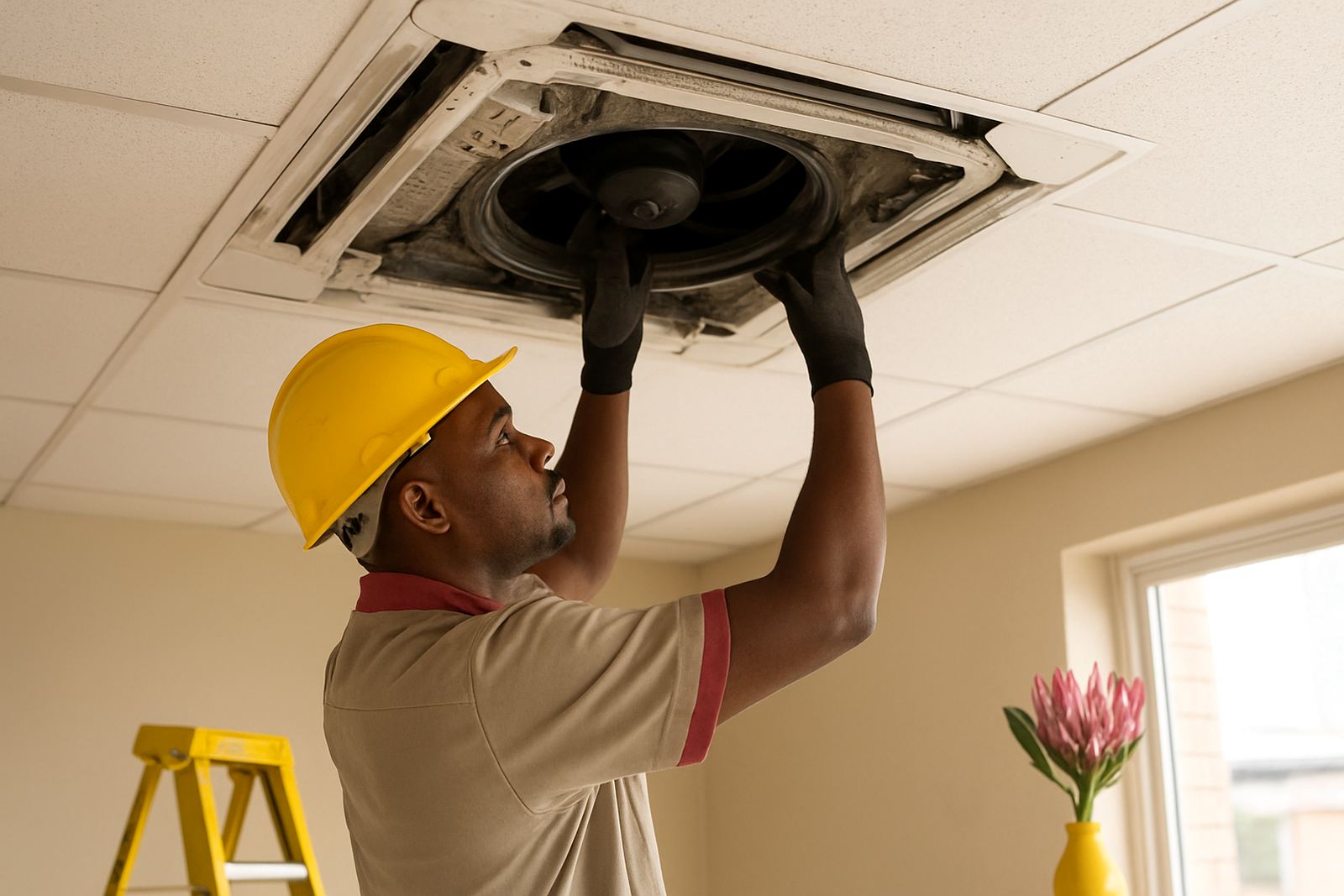
If two or three of these appear together, the fridge is not just dirty. It is asking for a proper inspection. A technician should test the electrical side, check for gas loss, inspect airflow and confirm whether the unit is still worth saving. Sometimes a simple service gets it back. Sometimes the best advice is to stop putting money into a unit that will fail again soon.
What replacement actually gives you
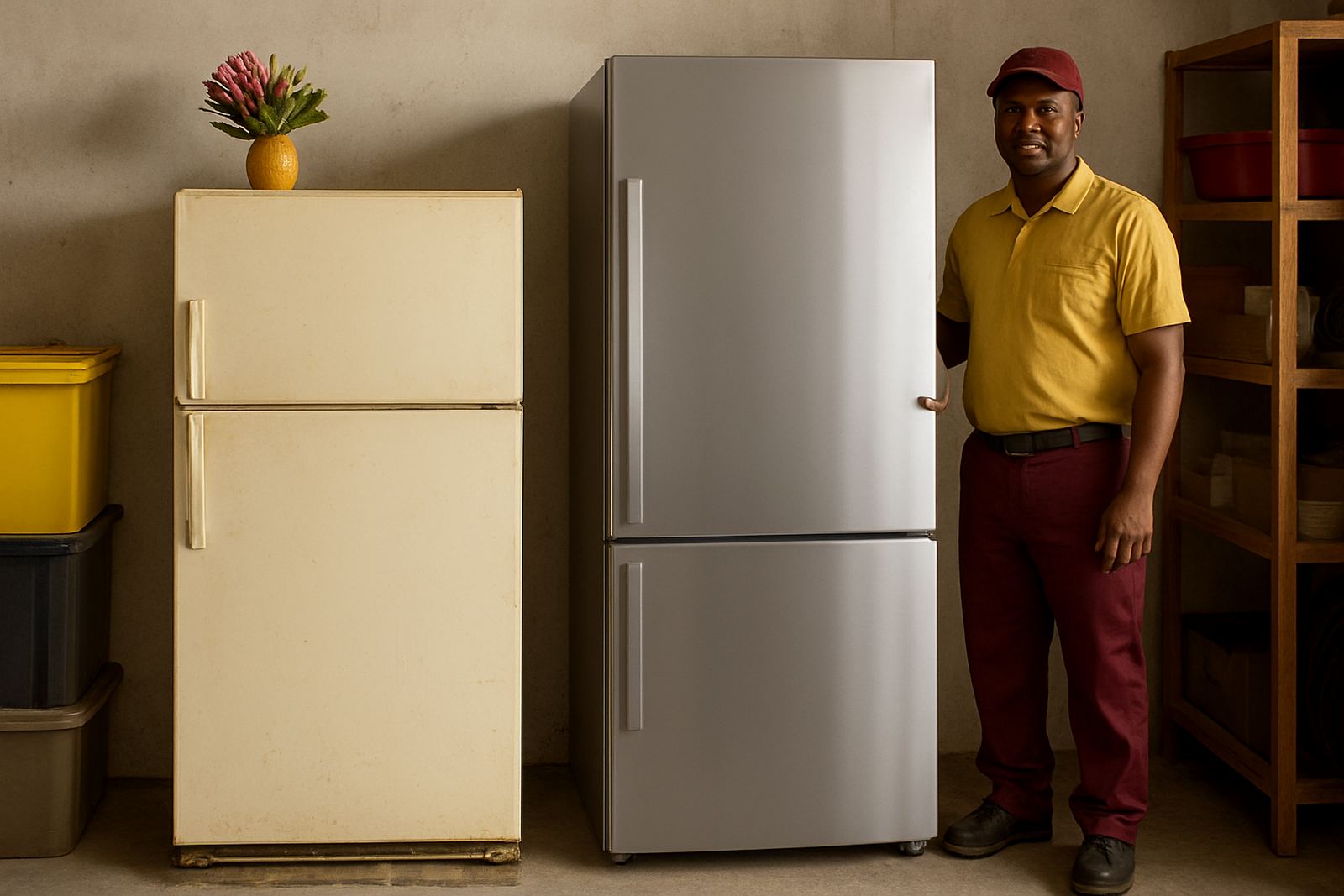
Replacing a fridge is not just about getting a shiny new cabinet. It is about reducing risk. A newer unit may use power better, hold temperature more steadily, and cope better with load-shedding when the power comes back on. That matters for shops, restaurants and farms that cannot afford temperature drift.
Replacement can also make sense when your current unit no longer matches the job. A small display fridge that once handled a side counter may now be carrying twice the stock. A cold room that was fine for a small operation may now be too tight for seasonal fruit, dairy or meat volumes. In those cases the problem is not only failure, it is poor fit.
Before replacing, ask these questions:
- Will the new unit match the space and product load
- Does the site have reliable power, or do you need better backup planning
- Is the current unit still under regular servicing
- Will the replacement reduce temperature losses during door openings and warm weather
On the West Coast, where humidity and salt air can shorten equipment life, replacement can also be a chance to choose a better suited unit for the site conditions. The right fridge in the wrong place still struggles, so location matters as much as the specification sheet.
A local example from shop floor to farm shed
A small grocer in Stellenbosch called us after the main upright fridge started warming up every afternoon. The staff had already had two quick fixes done over the year, and the owner was tired of losing stock. On inspection, the unit had dirty coils, a weak fan and a history of gas topping-up. The cabinet was over 10 years old and the doors were no longer sealing properly.
We laid out the options plainly. A service would improve things for a while, but the repeated faults showed the unit was near the end. The owner chose replacement after comparing the repair quote with the value of the stock losses and the cost of more call-outs. That decision saved time in the long run, because the new unit held temperature more evenly and cut down on panic repairs.
For a farm packing area outside Malmesbury, the answer was different. The cold room had a drainage issue and dirty coils, but the room itself was in good shape. That one needed planned maintenance, not replacement. Same region, same pressure on the equipment, different outcome.
How to decide before the next breakdown
If you are unsure whether to replace or repair, treat the choice like a basic business check. Look at the repair quote, the age of the unit, the number of recent faults, and the risk of spoilage if it fails again. If the fridge supports daily trading, the decision should be based on business continuity, not only the next invoice.
A simple way to judge is this: if the unit has one clear fault and the rest of the system is healthy, repair may be sensible. If the quote fixes one thing but leaves the rest worn out, replacement is usually the better call. Also remember planned maintenance. A fridge that gets regular coil cleaning, drain clearing and temperature checks will usually last longer and perform better through summer and load-shedding.
For businesses from Cape Town to Vredenburg, the best decision is the one that protects stock, keeps trading steady and avoids repeat panic callouts. That is especially true when the cold chain supports meat, dairy, flowers or fresh produce. In that setting, a fridge is not just an appliance, it is part of the working day.