What a blocked condenser does to the system
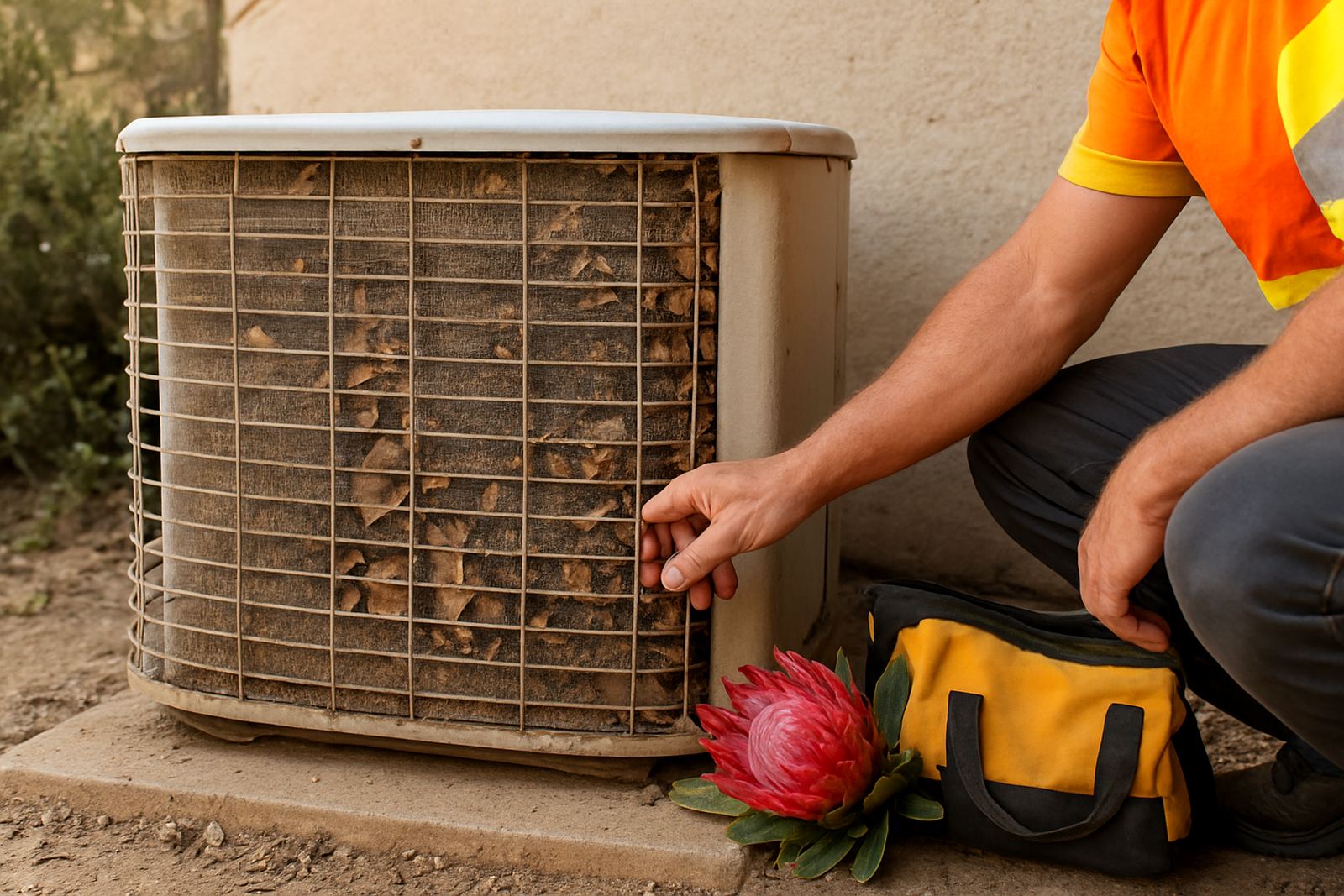
The condenser is the part that gets rid of heat. If the coil is packed with dust, lint, grease, salt film or crop debris, the heat cannot leave the system properly. Pressures rise, the compressor runs hotter and the unit starts using more power just to hold the same temperature.
That extra strain does not stay in one place. Fans draw harder, bearings wear faster and safety controls begin to trip. On a hot afternoon in Paarl or a windy day near the West Coast, a unit with a dirty condenser can fall behind very quickly, especially when doors are opening and closing all day.
In practical terms, the system cools slower, runs longer and still leaves rooms warmer than they should be. Food stock, staff comfort and equipment protection all take a knock.
The early warning signs site managers should not ignore
Blocked condensers usually give signs before a full failure. The trouble is that those signs can look like a small issue at first. If your team is only noticing it when a cold room is already too warm, the system may have been working under strain for some time.
- Longer running times with less cooling effect
- Higher electricity use with no change in usage patterns
- Warm discharge air around the outdoor unit
- Fan motors that sound louder than normal
- Short cycling or high pressure trips
- Ice or frost on parts of the system where it should not be
If a unit in Montague Gardens is exposed to road dust and workshop debris, or a shop in Stellenbosch sits near foot traffic and tree pollen, the condenser can block sooner than people expect. Coastal humidity in Vredenburg and Malmesbury can also leave a sticky film that holds dirt in place.
Why running strain becomes expensive so quickly
When heat is not removed properly, the compressor has to push the refrigerant harder through the system. That is where the real cost starts. The machine draws more amps, runs for longer periods and creates more wear on electrical parts. In a business that depends on constant cooling, even a small drop in efficiency can show up on the account at month end.
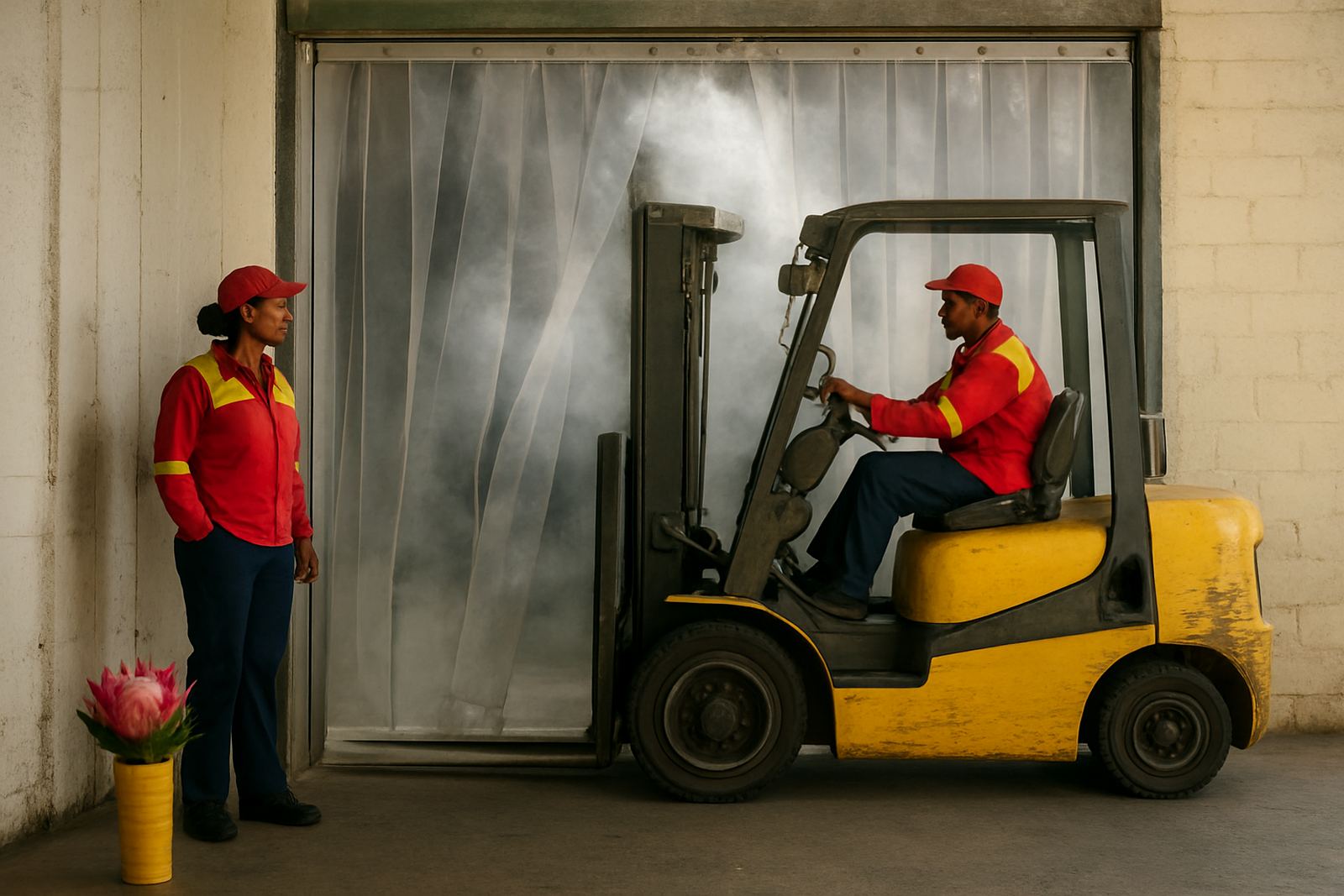
For cold rooms, the effect is bigger. A blocked condenser can mean longer pull-down times after stock delivery, poorer temperature recovery after door openings and greater risk of spoilage if the room cannot hold setpoint. For aircon systems, the same problem means poor comfort and higher complaint levels from staff or customers.
Across farms and retail sites, the pattern is the same: what looks like a dirty coil becomes a mechanical and financial problem. Ignore it long enough and you can end up replacing parts that would have lasted much longer if the airflow had stayed clear.
Western Cape conditions that make blockage worse
Every area brings its own kind of dirt. Around Cape Town and Montague Gardens, dust from roads, loading bays and light industry can build up on coils fast. In the Winelands, fine organic matter and seasonal pollen can cling to the fins. On the West Coast, salt in the air mixes with moisture and leaves a film that traps more dirt. It is not dramatic, but it is steady and it adds up.
Sites with bakeries, butchery prep areas, packing rooms or workshops also see grease, fluff and airborne particles. Once the fins start closing up, airflow drops and the condenser cannot shift heat the way it should.
- Outdoor units near driveways need regular washing
- Coils close to kitchens or prep areas need degreasing
- Farm sites often need more frequent checks in harvest season
- Coastal installations should be monitored for salt build-up
A service plan that suits a city shop may not suit a packing shed in Malmesbury, and that is where local judgement matters.
What proper cleaning and maintenance should include
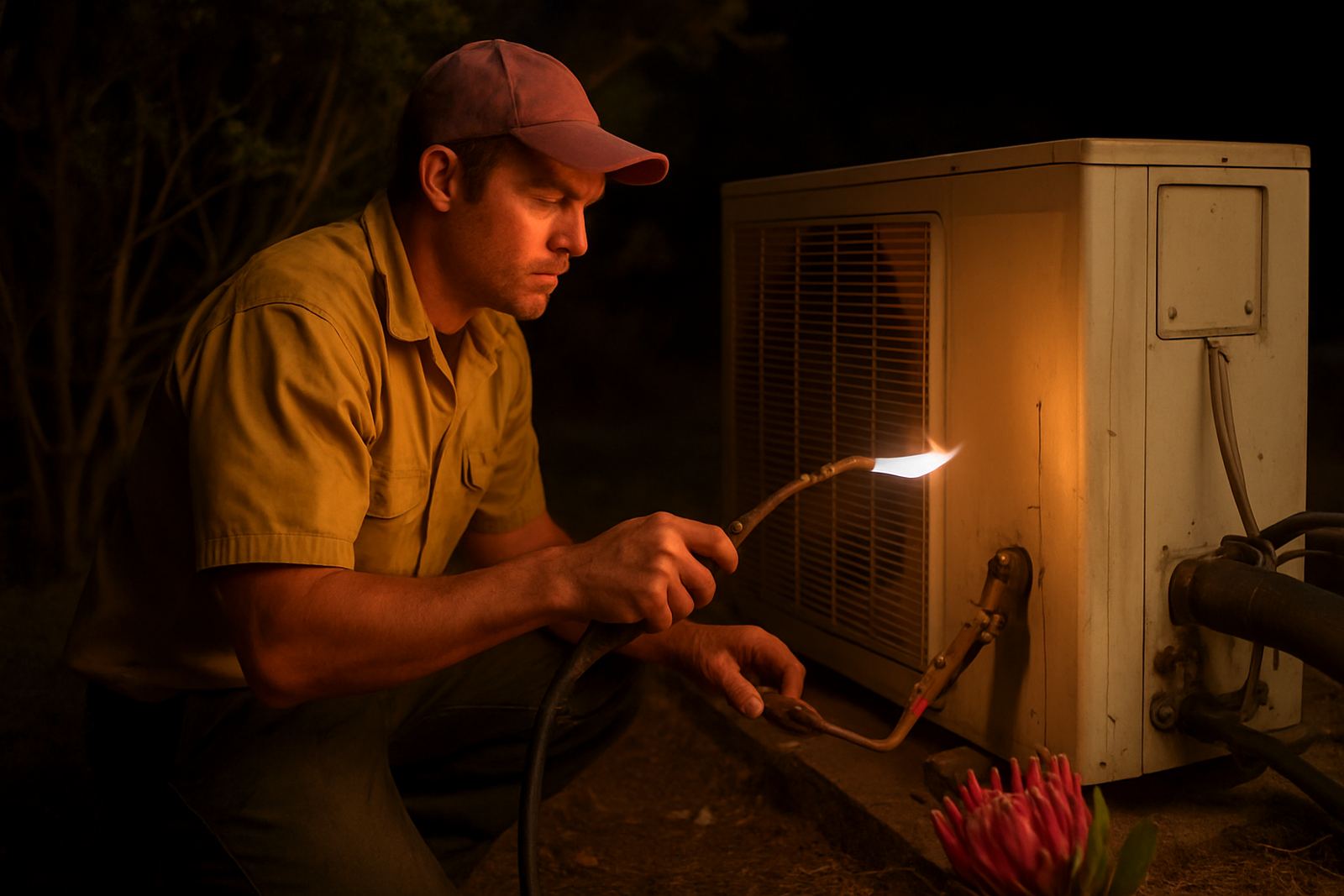
Cleaning a condenser is not only about hosing off the outside. A proper service looks at airflow, fin condition, fan operation and any signs of pressure stress. If the coil is bent over in places, airflow will still be poor even after washing, so the fins may need careful straightening. Drain lines and surrounding areas should also be checked, because water and grime often move together.
For commercial systems, planned maintenance should also include temperature logging, checks on electrical load and a review of start-up and shutdown settings. Seasonal start-up before the hot months can prevent a bad first week in December, while shutdown preservation helps protect equipment during quiet periods or off-season closures.
- Wash condenser fins with the right pressure and direction
- Check fan motors, blades and guards
- Inspect for oil marks that can point to leaks
- Confirm normal operating pressures and temperatures
- Clear debris from around the unit for proper airflow
A local example from a busy mixed-use site
A food store in the Cape Town metro can look fine to customers while the refrigeration plant is slowly struggling out back. We have seen a case where the condenser had become packed with dust from the loading area and a thin coastal film from open exposure. The room was still cooling, but only just. Staff were opening doors, the compressor was running nearly constantly and the owner had started noticing a rise in the power bill.
After cleaning, checking fan performance and clearing the drainage path, the unit recovered its cycle time and the cold room held temperature with less running strain. Nothing magical happened, only proper maintenance and a few small repairs before a bigger failure set in. That is usually how it goes. Catch the blockage early and you save the compressor from doing extra work it should never have had to do.
For farms around Paarl or Malmesbury, the same principle applies after busy packing weeks. Fine dust and crop residue can clog condensers quickly, especially when equipment sits close to yard traffic or processing areas.
When to bring in a technician
If cleaning the outside of the unit does not improve performance, or if the system is tripping, icing up or taking too long to recover temperature, it is time for a proper inspection. A blocked condenser can hide other issues such as refrigerant loss, fan faults or electrical wear, so guessing usually costs more in the end.
For shops, farms and cold rooms across Cape Town, Stellenbosch, Paarl, Malmesbury and Vredenburg, regular call-outs and maintenance contracts help keep the work scheduled instead of urgent. That matters when product is at risk and trading hours are tight.
Blocked condensers are not a small nuisance. They are a warning that the system is working too hard for too little return. Deal with them early and you keep cooling steadier, bills lower and equipment in service for longer.