What that after-hours noise usually means
When a refrigeration unit or aircon gets louder at night, the cause is often easier to hear because the building is quiet. A steady buzz may be normal, but knocking, scraping, hissing or a fan that sounds off-balance should not be ignored. In many Western Cape sites we find the problem only shows up after closing because that is when the system runs longer to recover temperature.
For shops in Cape Town, wine farms near Paarl or cold rooms out in the West Coast, night noise can be the first sign of a unit working too hard. If the machine is straining, it may still cool for now, but it will usually draw more power and the fault can spread to other parts. It is better to catch it early than wake up to warm stock in the morning.
Common causes we see on local call-outs
Most noisy units do not have one single fault. A technician will normally check a few likely causes, starting with the simple ones before opening the system further. Dust from a summer season, salt air near the coast, and load-shedding starts and stops can all add wear. In Montague Gardens and surrounds we often see noise caused by neglected cleaning, while on farms it can be vibration from uneven mounting or long pipe runs.
- Loose fan blades or worn fan motors that rattle at speed
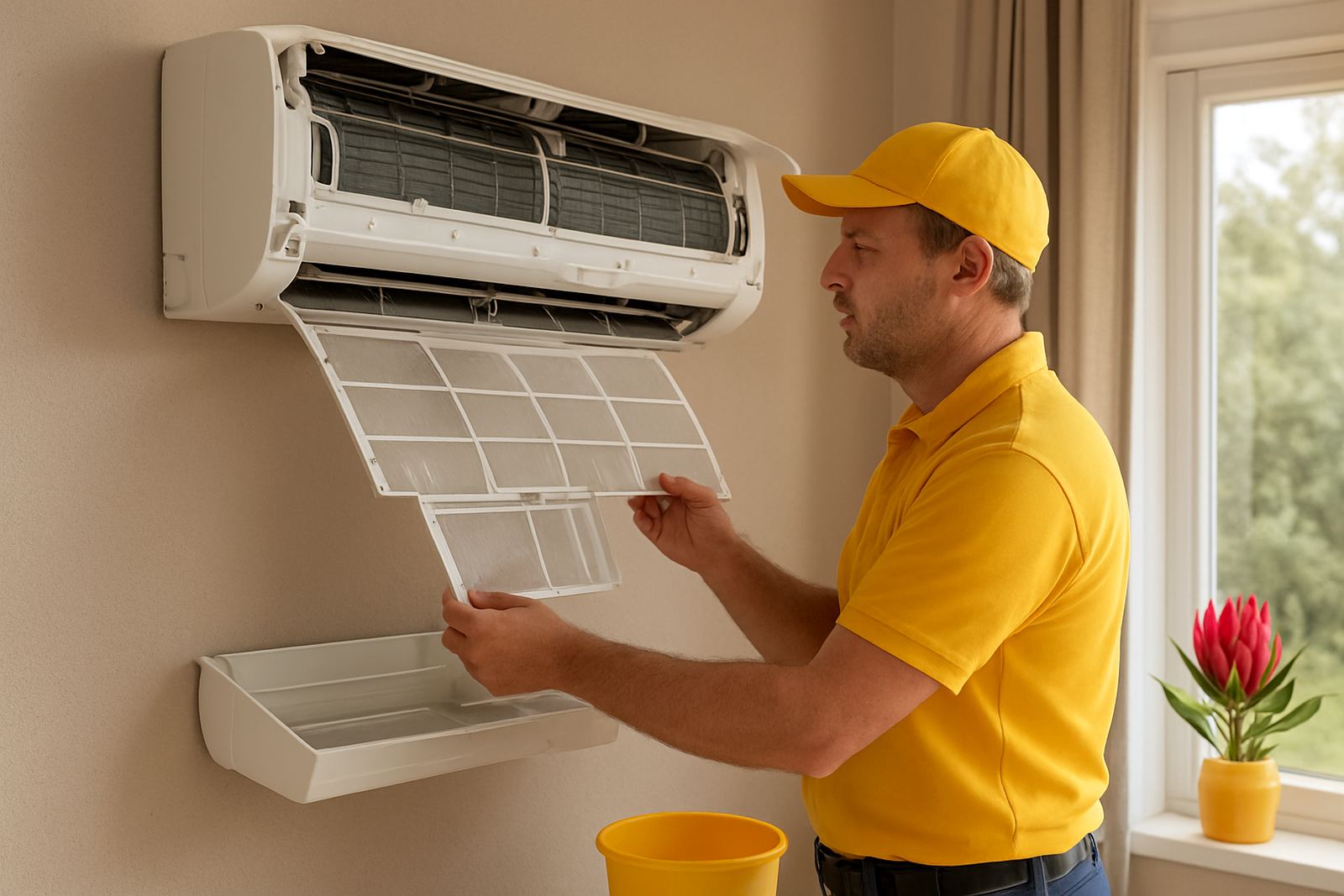
- Dirty coils that make the compressor labour and hum harder
- Blocked drains that let water drip onto moving parts
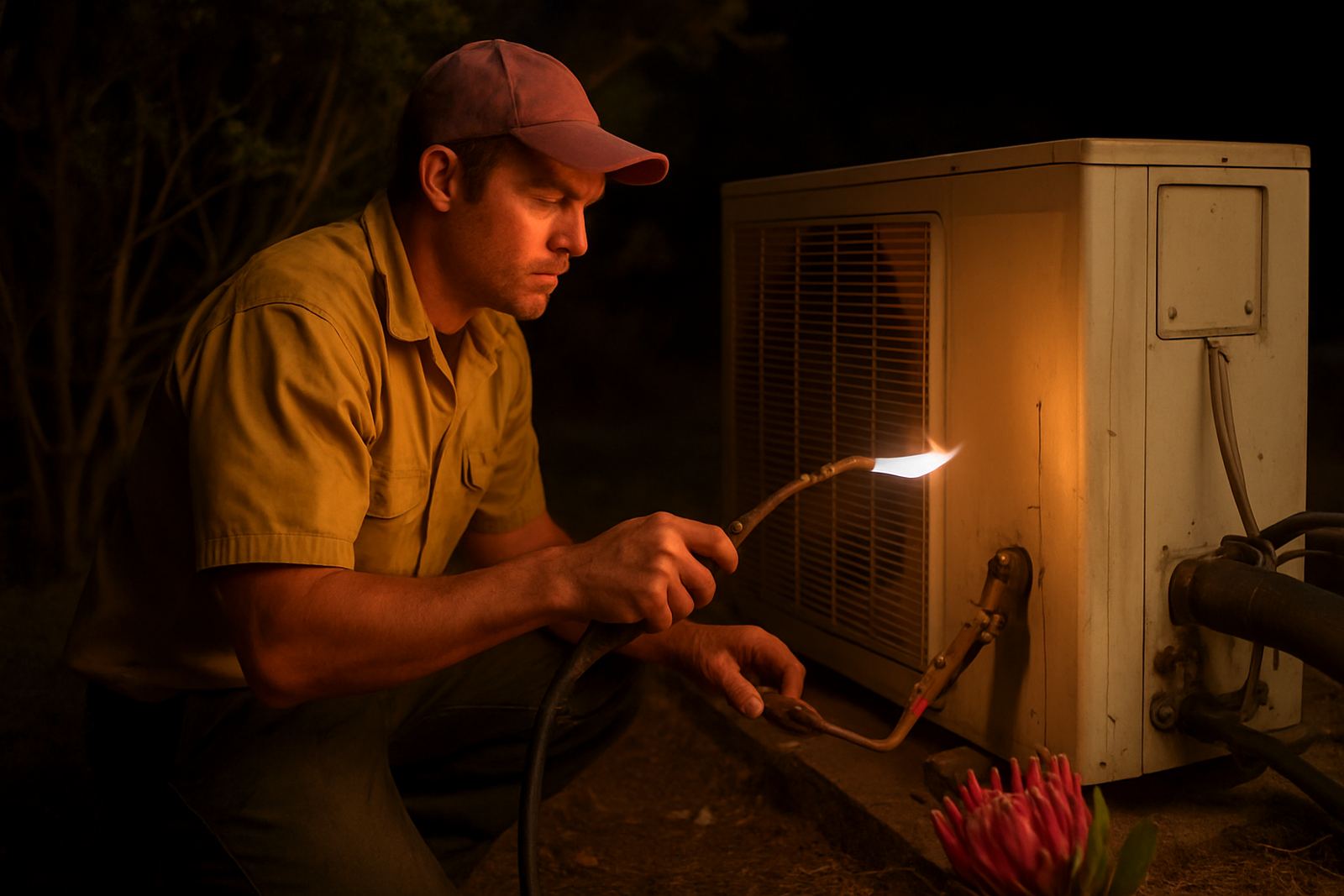
- Refrigerant loss that causes hissing, cycling and uneven cooling
- Vibration from brackets, wall mounts or roof supports
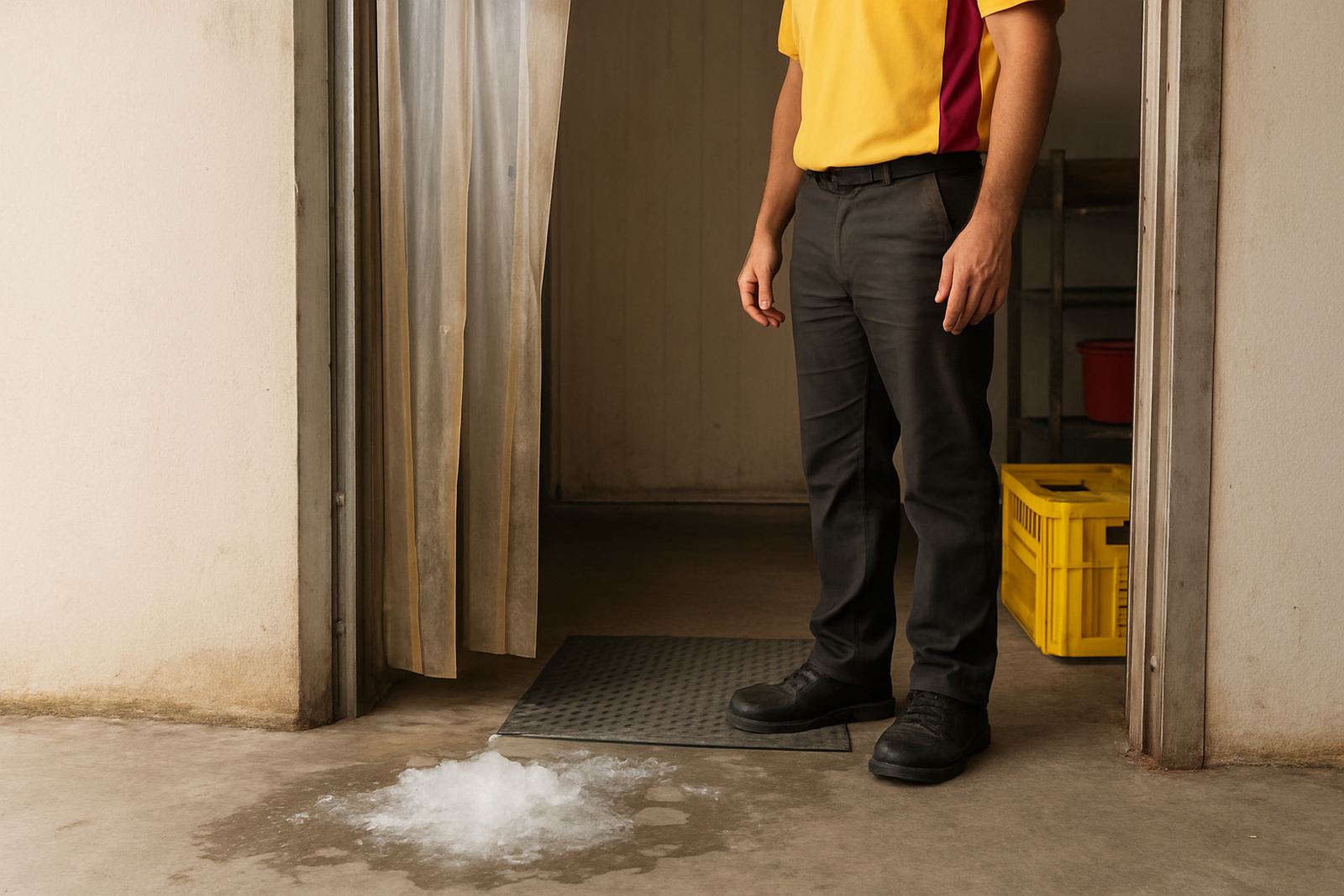
- Ice build-up on indoor units, especially after shutdowns
A simple screw or panel clip can make a unit sound far worse than it should. We have also found a cracked fan shroud making a sharp tapping noise only once the system reaches full speed, so do not assume the loudest sound is always the biggest repair.
Why night noise matters in cold rooms and shop floors
In a cold room, noise is not just an irritation. It can mean the room is not holding temperature evenly, or that the compressor is running longer than it should. That matters for meat, dairy, fruit, flowers and other stock that cannot afford temperature swings. If the room is noisy and the temperature log shows drift overnight, the fault needs attention quickly.
Shop aircon has its own issues. A unit that clatters after hours may still cool the store during the day, but it can also fail when the next heatwave hits. In places like Stellenbosch and Paarl, where afternoon temperatures can climb and trading hours are long, a noisy system often gives a few warnings before it stops altogether.
One practical point: if the noise is louder outside than inside, the outdoor section may be the source. If it is louder inside, the indoor fan, drain or evaporator area needs checking. That distinction helps the technician get to the fault faster and saves time on site.
What to check before you call for help
There are a few safe checks a manager or owner can do before booking a call-out. These checks are simple and can help you explain the fault properly. Do not open electrical covers or touch live parts. If the noise is sharp, electrical or burning, switch the unit off and call immediately.
- Listen for whether the noise starts only at night or all day
- Note if it happens on start-up, during running, or at switch-off
- Check whether the unit is still reaching set temperature
- Look for ice, water leaks, loose panels or bent guards
- Confirm if the noise is coming from indoor or outdoor equipment
- Record any recent power trips, load-shedding events or maintenance gaps
That information helps our team prepare the right tools and parts. A good description can save a second visit, which matters when your shop is in Cape Town and the fault is at a site in Malmesbury or Vredenburg, about the same fault can sound different depending on the installation.
How planned maintenance stops the noise from returning
Many night-noise call-outs are linked to maintenance that was delayed too long. Coil cleaning, drain clearing, fan checks and temperature logging all help prevent noise before it starts. Coastal humidity can create heavier buildup on coils, while inland dust can choke airflow and make the unit roar. Both conditions make motors and compressors work harder than they should.
For businesses with regular trading hours or cold storage needs, a maintenance contract is often the practical answer. It keeps service dates on record, helps with seasonal start-up before summer, and supports shutdown preservation when a room or aircon plant is not in use. On sites that face municipal noise complaints or shared-property rules, keeping equipment quieter also avoids trouble with neighbours and tenants.
Good maintenance is not only about keeping things cold. It is also about stopping vibration, keeping drains clear and making sure the unit runs within normal sound levels. A clean, well set system is usually quieter, cheaper to run and less likely to fail after hours.
A Western Cape example from a closed shop at night
We were called to a retail site in the Winelands after staff heard a loud metallic rattle from the back area once the shop closed. During trading hours the unit had seemed fine, but at night it was cycling harder and the noise carried through the store. On inspection, the condenser coil was heavily dusted, one fan assembly was loose, and the unit had started to vibrate against its mounting. The temperature was still near target, which is why the fault had gone unnoticed during the day.
After cleaning, tightening the fittings and checking the drain and refrigerant readings, the noise dropped straight away. The owner also started logging temperatures overnight so any future change would show up early. That is usually how these jobs go: the sound is the warning, but the real risk is what the sound is telling you about wear, heat or airflow.
If your refrigeration unit or aircon is getting louder after hours in Cape Town, Montague Gardens, Stellenbosch, Paarl, Malmesbury or Vredenburg, it is worth arranging a proper check before the fault grows. A quiet unit is often a healthier unit, and in the Western Cape heat that can save stock, time and a late-night panic call.