What evaporator ice usually tells you
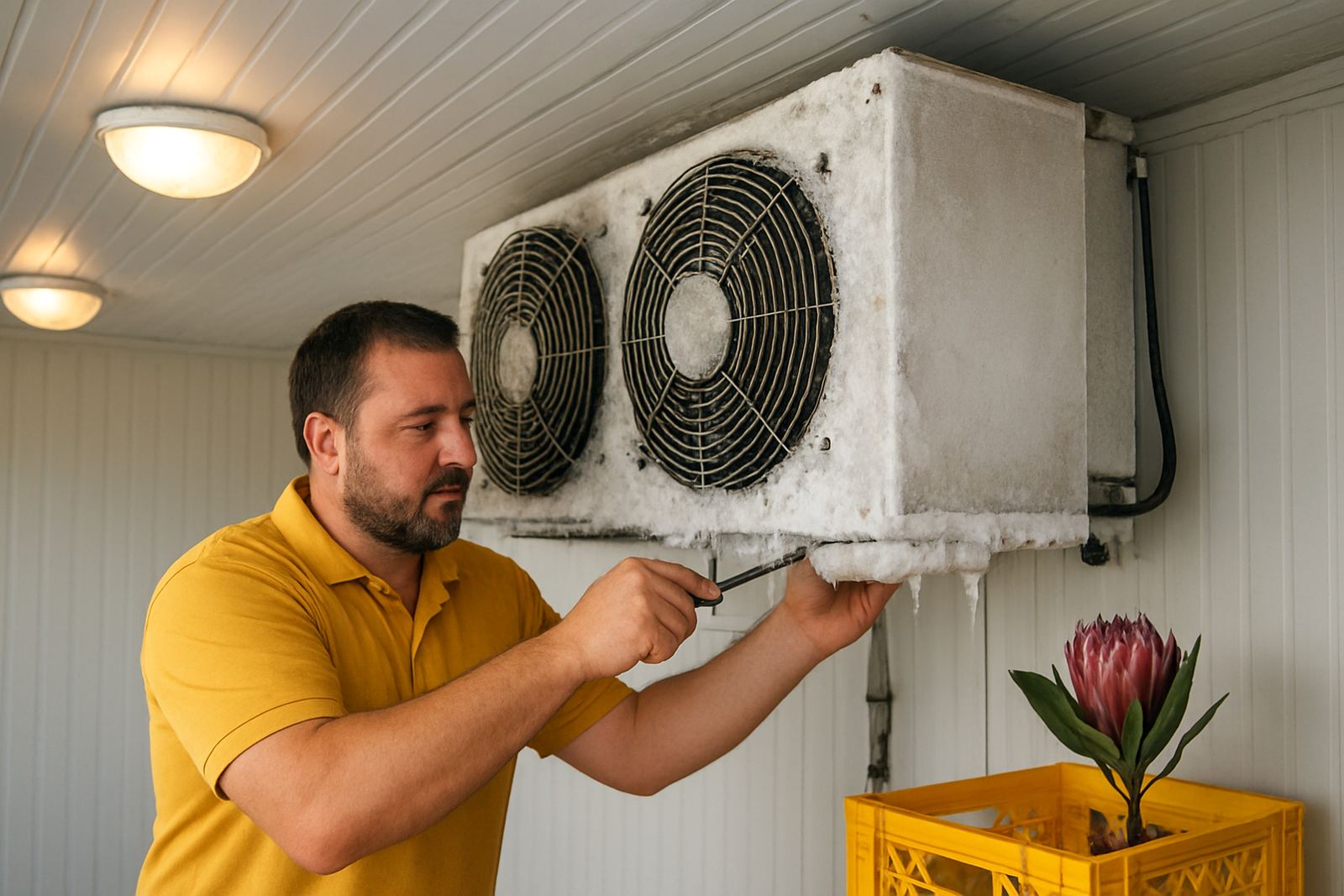
When an evaporator starts building up ice, the coil is no longer moving heat the way it should. In plain terms, the system is trying to pull heat out of the room or cabinet, but something is stopping the air from passing properly over the coil, or stopping the coil from defrosting as it should.
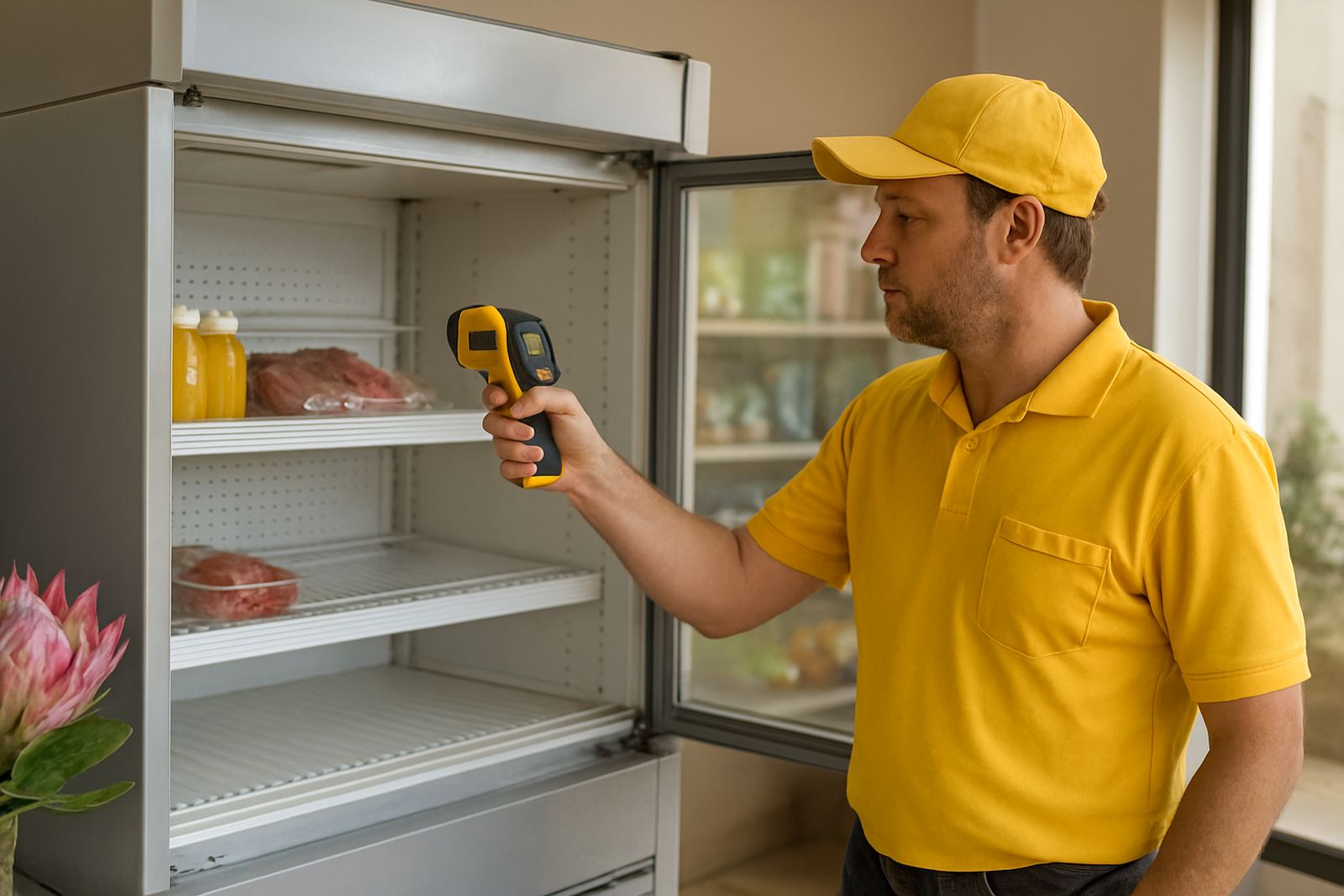
On site, that often shows up as warmer product temperatures, longer run times, heavier electricity use and, in some cases, water on the floor once the ice starts to melt. In cold rooms this can become a daily problem if the door is opening often or the unit is already under strain from summer heat in places like Cape Town, Paarl and Malmesbury.
Ice is usually a symptom, not the root fault. The real job is to work out why the coil has gone below its normal operating point and stayed there.
The most common causes we find on call-outs
Most evaporator icing comes down to a short list of faults. Some are small and quick to fix, others point to a bigger issue that needs proper testing. On farms and in shops, the usual causes include dirty airflow, low gas charge, failed fans, blocked drains or a defrost cycle that is not ending when it should.
- Dirty filters or coils: Dust, grease and fluff stop air moving over the coil, so it runs colder than normal.
- Low refrigerant charge: A leak can drop pressure and pull the coil down to freezing point.
- Weak or failed evaporator fan motors: Without enough air movement, ice forms fast.
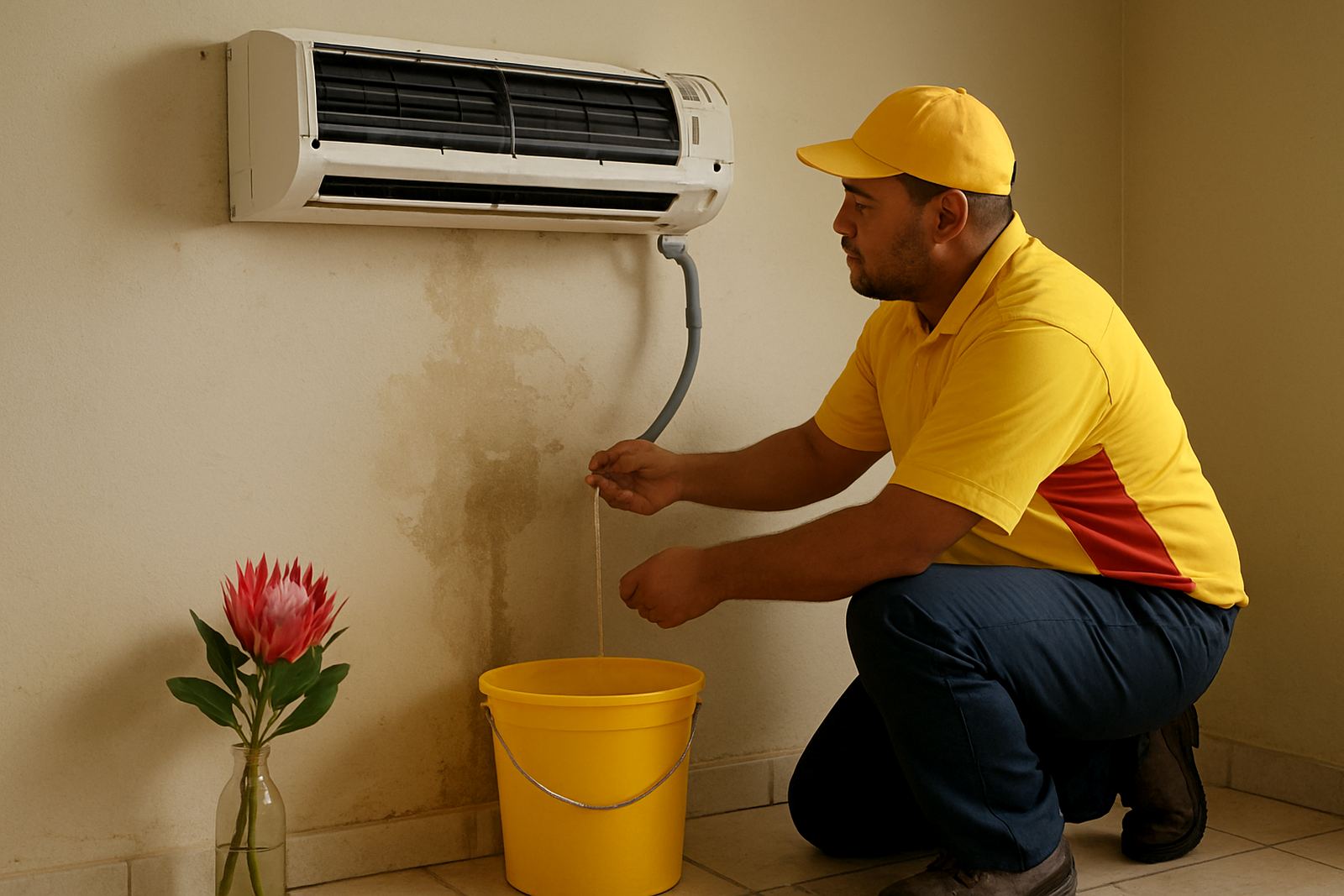
- Drain blockages: Water cannot leave the tray and freezes back onto the coil.
- Defrost timer or sensor faults: The unit stays in cooling too long, or defrost stops too early.
In coastal areas, salt air and moisture can make corrosion worse, especially on fins, wiring and drain pans. Inland, dust from yards, loading areas and farm packing sheds can clog the coil within weeks if the maintenance schedule is ignored.
How load-shedding and power trips make icing worse
In the Western Cape, load-shedding and unplanned power cuts can turn a small fault into a bigger one. After a shutdown, some systems restart with uneven pressures, delayed fan starts or control settings that have been disturbed. If the room is opened while the unit is down, warm humid air enters and that moisture freezes on the first cold surface it meets.
We often see this in retail stores and small cold rooms where the door seals are tired or the curtain is damaged. Once the unit starts up again it may look fine for a few hours, then the ice comes back because the underlying problem was never sorted. A proper restart after a shutdown should include coil inspection, drain checks and temperature logging for the first run period.
- Check whether the unit tripped after power returned.
- Confirm fans started and stayed running.
- Look for frost patterns on one section of the coil only.
- Inspect the drain line for standing water or ice at the trap.
What icing means for shops, farms and cold rooms
For a supermarket in Stellenbosch, an ice-covered evaporator can mean cabinets that cannot hold product temperature during peak trading. For a fruit packhouse near Paarl, it can mean cold storage losing control just when stock needs to stay steady. On farms along the West Coast, the problem may show up in milk cooling, produce holding rooms or smaller walk-in rooms that are opened many times a day.
The point is not only comfort or convenience. Once the coil is iced over, the system works harder and often for longer periods, which can shorten compressor life and push running costs up. If the drain is blocked too, melt water may drip where it should not and create hygiene problems or slip risk.
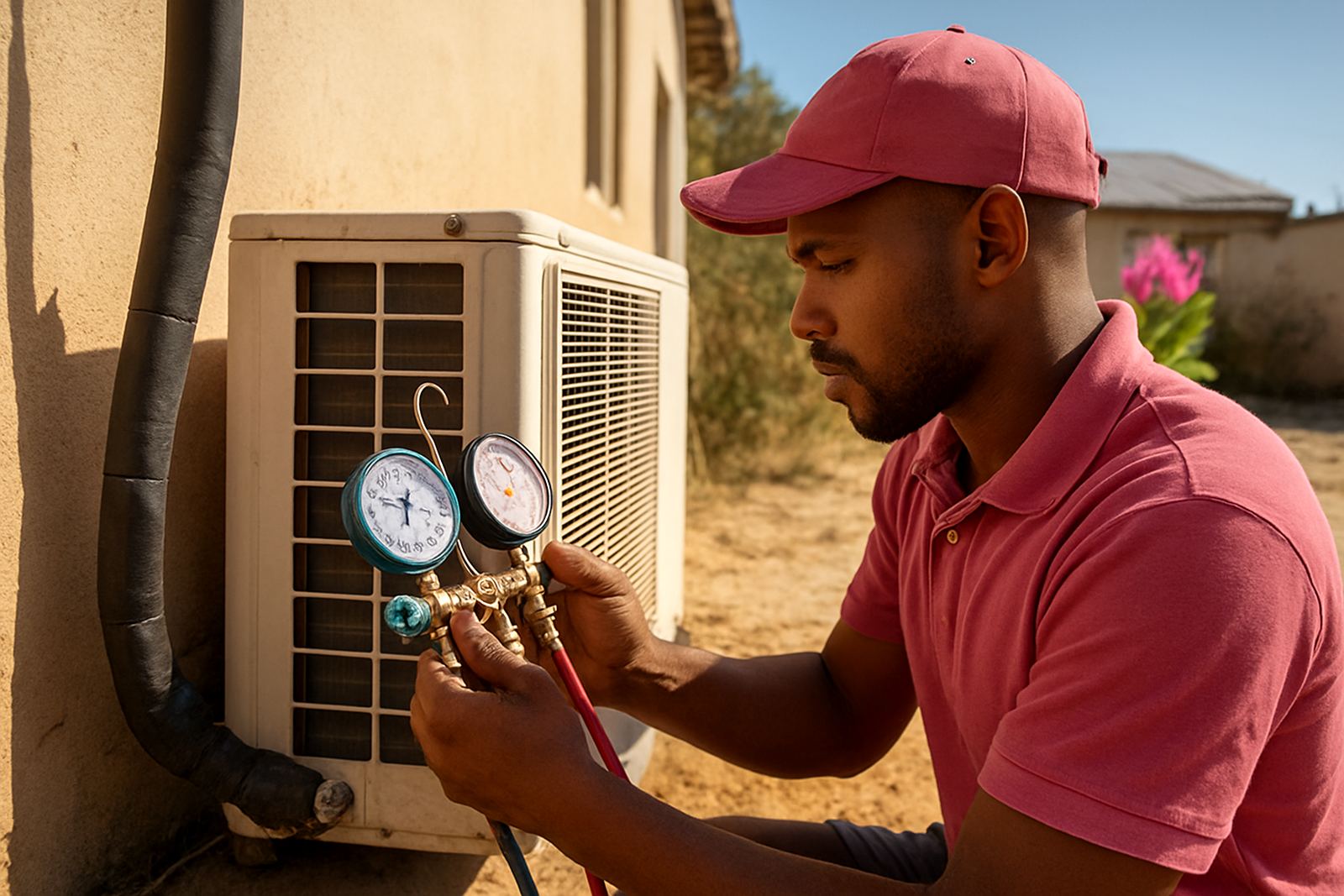
If the ice returns after a simple clean, the system needs testing rather than guesswork. That may include checking superheat, fan draw, thermostat settings, defrost cycle length and whether the room is pulling in warm air from a faulty door seal. Small faults add up quickly.
A practical site check before you book a technician
There are a few safe checks that can help you explain the fault properly when you log a call-out. Do not chip ice off the coil with a knife or screwdriver, because that can damage the fins and pipework. Instead, note what you can see and what changed before the problem started.
- Is the ice on the whole coil or only one side?
- Is the fan turning and moving air properly?
- Is water pooling under the unit or freezing in the drain tray?
- Has the room been opened more than usual?
- Did the icing begin after cleaning, power loss or a gas smell?
These details help the technician move straight to the likely cause. It also saves time on site, which matters when you have stock to protect and staff already waiting.
Why planned maintenance prevents repeat icing
Most repeat icing problems can be reduced with planned maintenance. That includes coil cleaning, drain clearing, fan checks, leak detection and temperature logging over a few operating cycles. On coastal sites, it also means watching for corrosion and salt build-up. On farm sites, it means dust control and making sure doors, curtains and seals are still doing their job.
A proper maintenance contract does more than tick a box. It gives you regular inspection before the busy season, seasonal start-up checks after shutdowns, and shutdown preservation when a room will sit unused. That is especially useful in the Western Cape where weather changes, humidity and power interruptions can all affect how an evaporator behaves.
If an evaporator is icing up now and again, it is usually the system asking for attention before it stops holding temperature altogether. Catching it early is cheaper than waiting for product loss or a full breakdown.
Western Cape call-outs from our Montague Gardens base
Kenny Cape West is based in Montague Gardens and works across Cape Town, Stellenbosch, Paarl, Malmesbury, Vredenburg and nearby areas. We handle emergency call-outs, planned maintenance, aircon servicing and cold-room work for shops and farms that need practical fault finding, not a quick guess.
If your evaporator is icing over, our team can inspect the coil, test the refrigeration circuit, check airflow, clear drains and confirm whether the fault is localised or part of a wider system issue. For call-outs or contract support, email callouts@kennycapewest.co.za.
The aim is simple: get the unit back to holding temperature, and make sure the same ice does not return next week.