When the cabinet is running but the product stays warm
Start with the simple checks before you assume the compressor has failed. A display fridge can hum away all day and still not cool properly if the airflow is blocked, the door seals are leaking, or the thermostat is reading the wrong temperature.
In shops from Cape Town to Malmesbury we often find the cabinet is overloaded with stock or the vents are packed tight against the back wall. That stops cold air from moving across the cabinet and the unit starts fighting itself. It may keep running longer, draw more current and still leave milk, deli items or drinks sitting above safe temperature.
- Check that the set point is correct for the product being displayed.
- Make sure stock is not pushed hard against the air outlets.
- Listen for the evaporator fan and condenser fan running freely.
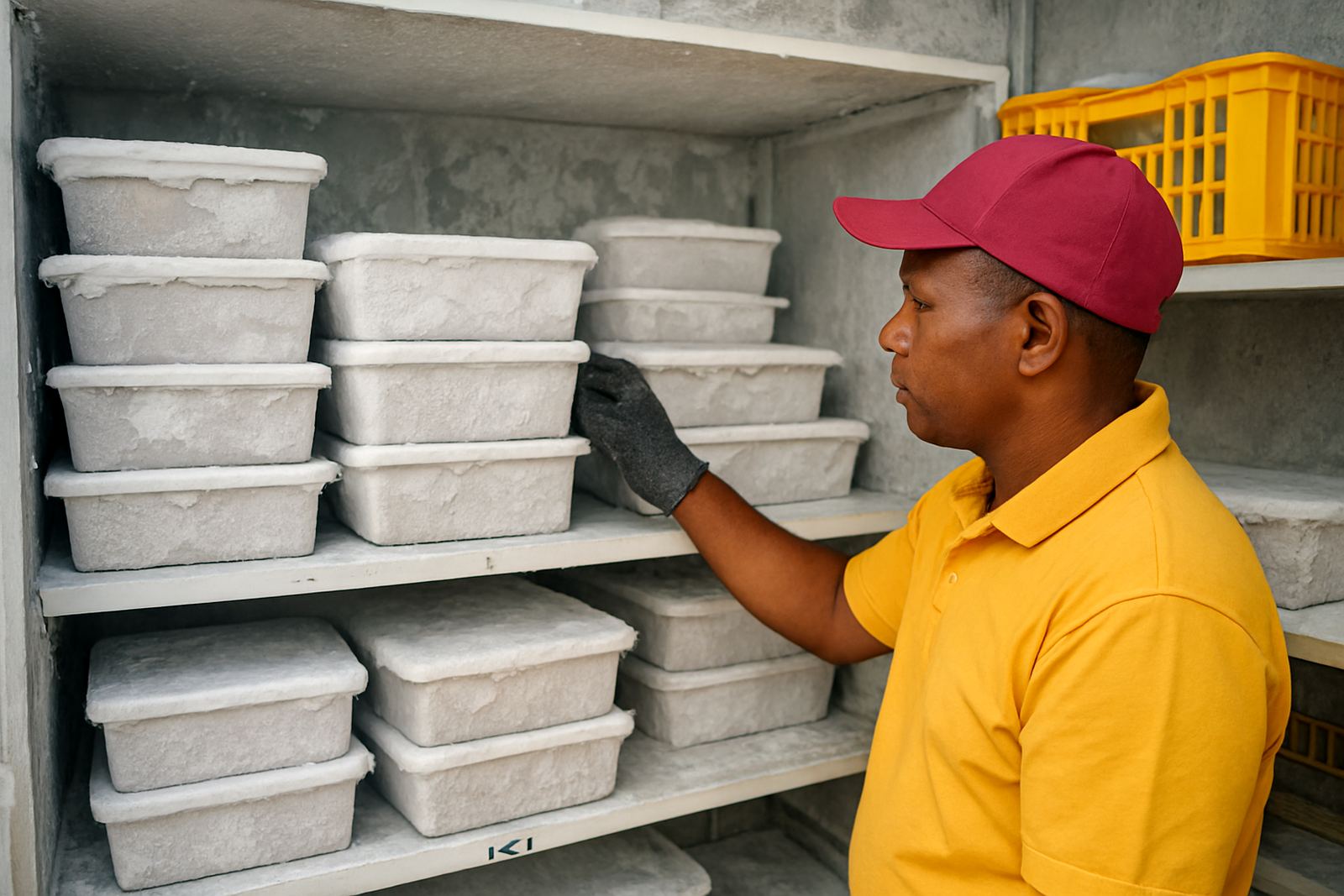
- Look for ice build-up on the coil or around the fan cover.
Airflow problems that hide in plain sight
Many call-outs turn out to be an airflow fault rather than a gas fault. If the condenser coil is packed with dust, grease or paper fluff, the fridge cannot dump heat properly. The machine runs longer, the cabinet temp creeps up and the shop owner notices it only when ice cream softens or the cold meats feel too warm.
Coastal humidity makes this worse in places like Cape Town and Vredenburg, while farm shops outside Paarl often battle fine dust and open doors from busy service counters. Check the space around the cabinet too. A display fridge needs breathing room behind and above it, and hot air from another appliance nearby can push the temperatures up quickly.
- Clean the condenser coil and the fan guards.
- Keep at least a hand-width of clear space around air inlets and outlets.
- Watch for blocked drain lines that let water pool under the unit.
- Confirm the evaporator fan is not iced up or making scraping noises.
What temperature logging will tell you
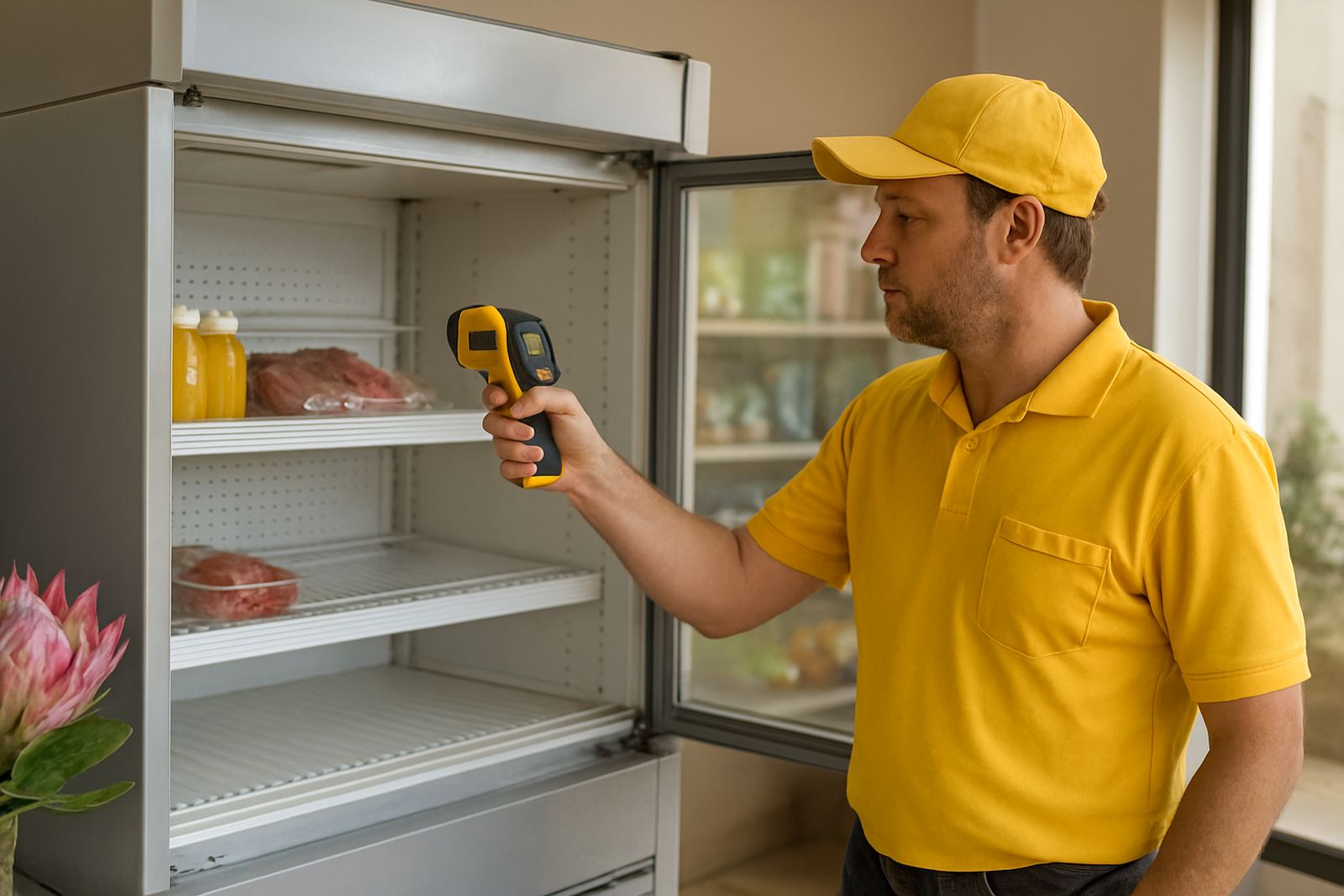
Temperature logging is useful because it shows what the cabinet did over time, not only what it reads at one moment. A fridge may look fine at 8 am but drift up through the day after a lunch rush, a power dip or a door left open by staff. If you keep records, patterns show up quickly.
For shops with higher risk stock, logging also helps with food safety checks and supplier complaints. If a cold room or display unit has been warm overnight, the log can show whether the issue started after load-shedding, during a power restoration, or after a thermostat setting was changed. That saves time and avoids guesswork.
- Note the cabinet temperature at opening time and again mid-shift.
- Record any load-shedding event or voltage dip.
- Keep an eye on defrost times and recovery after defrost.
- Log repeated hot spots in the same cabinet section.
Electrical supply issues in Western Cape shops
In the Western Cape, electrical supply is often part of the problem. A display fridge may restart after load-shedding but struggle to pull down temperature if the voltage is unstable or if too many machines start at once. Sometimes the compressor trips, then resets, then keeps trying without ever reaching the right cooling level.
Do not ignore signs like flickering lights on the cabinet, repeated tripping, or a compressor that starts and stops every few minutes. These faults can point to relay trouble, capacitor failure, low voltage or a control issue. In Montague Gardens and Stellenbosch we often see this after a utility interruption where the unit needs proper start-up checks, not just a button press and hope.
A simple shop example: a deli fridge in a Paarl forecourt was running all day but the top shelf stayed soft. The problem was a weak start component plus a dirty coil, so the compressor was labouring and the cabinet never recovered after each power interruption. Once the electrical fault and cleaning were sorted, the cabinet held temperature properly again.
Door seals, loading and daily habits that matter
Sometimes the fridge itself is not the main issue. Staff habits can be enough to warm the cabinet. Doors left open while loading, wet product placed in the wrong section, or a damaged seal at the bottom of the door can all create a warm display even when the unit is technically running.
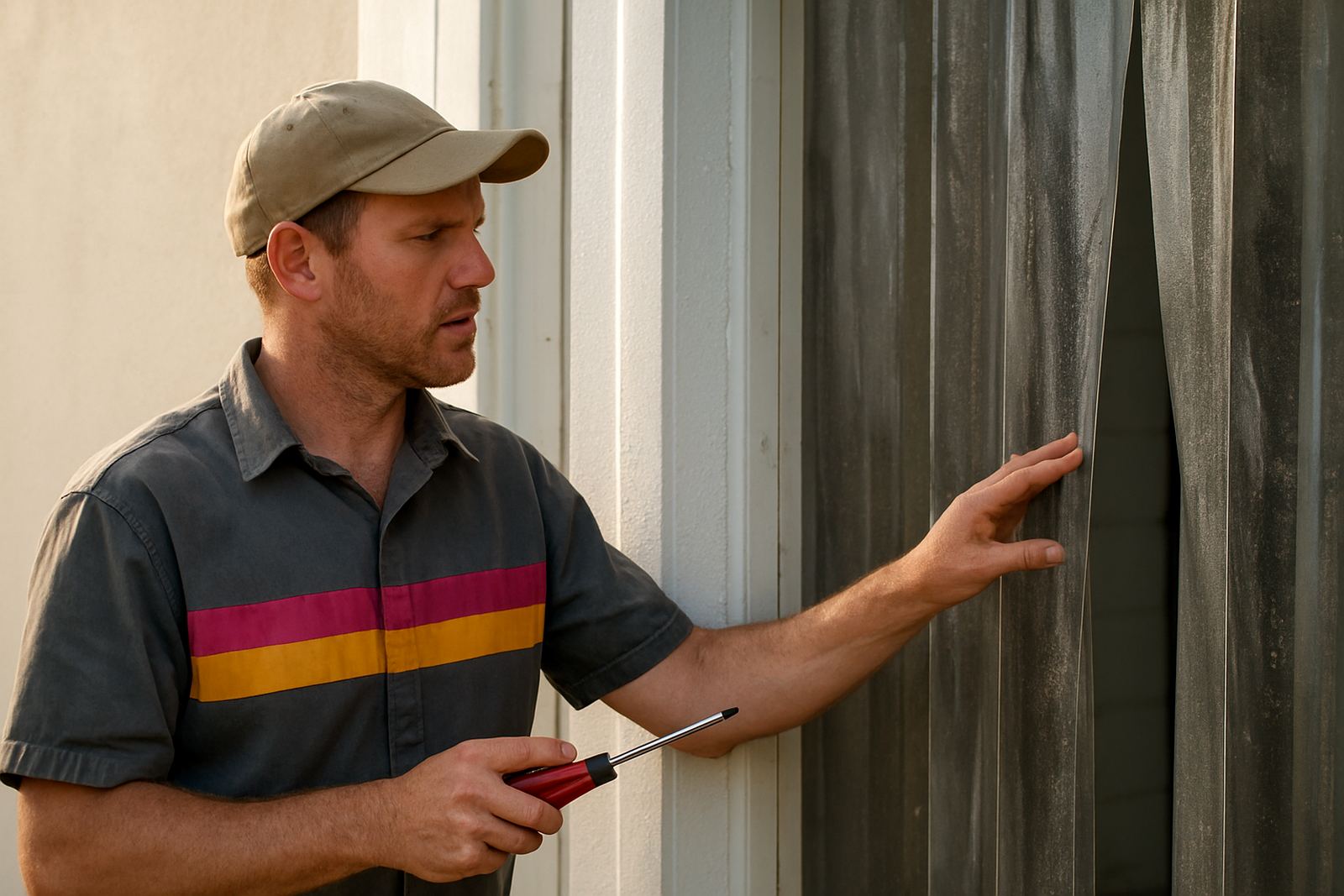
Check the rubber seals for cracks, gaps and flattening. If the door does not close cleanly or has to be pushed twice to latch, cold air will leak out every time someone walks past. In smaller shops and farm outlets, this often goes unnoticed until the first stock loss of the week, then everyone sees it was there all along.
- Test the seal with a sheet of paper around the door edge.
- Keep loading times short and doors closed while restocking.
- Do not block the return air with trays, crates or labels.
- Move warm product out of the cabinet before it raises the load.
When to call for service before stock is lost
If the cabinet is running for long periods, ice is building up, or the display temperature will not settle, it is time for a proper service call. A technician can check refrigerant charge, leak signs, airflow, controls, fans and drainage. In cold-room linked shops, a small fault at the display cabinet can also signal a larger issue in the storage system, so it is worth checking early.
Kenny Cape West works across Cape Town, Montague Gardens, Stellenbosch, Paarl, Malmesbury and Vredenburg on display fridge call-outs, planned maintenance and cold-room work. For shops and farms, early service usually costs less than lost stock and emergency replacement later on. If you need help, send the location, cabinet type and what the temperature is doing so the fault can be narrowed down quickly.
Regular coil cleaning, drain clearing and seasonal start-up checks also help before summer pressure or winter shutdowns. That is especially important where the cabinet sits in a warm front shop, near a bakery oven or beside a busy door that opens all day.