What freezer burn really is
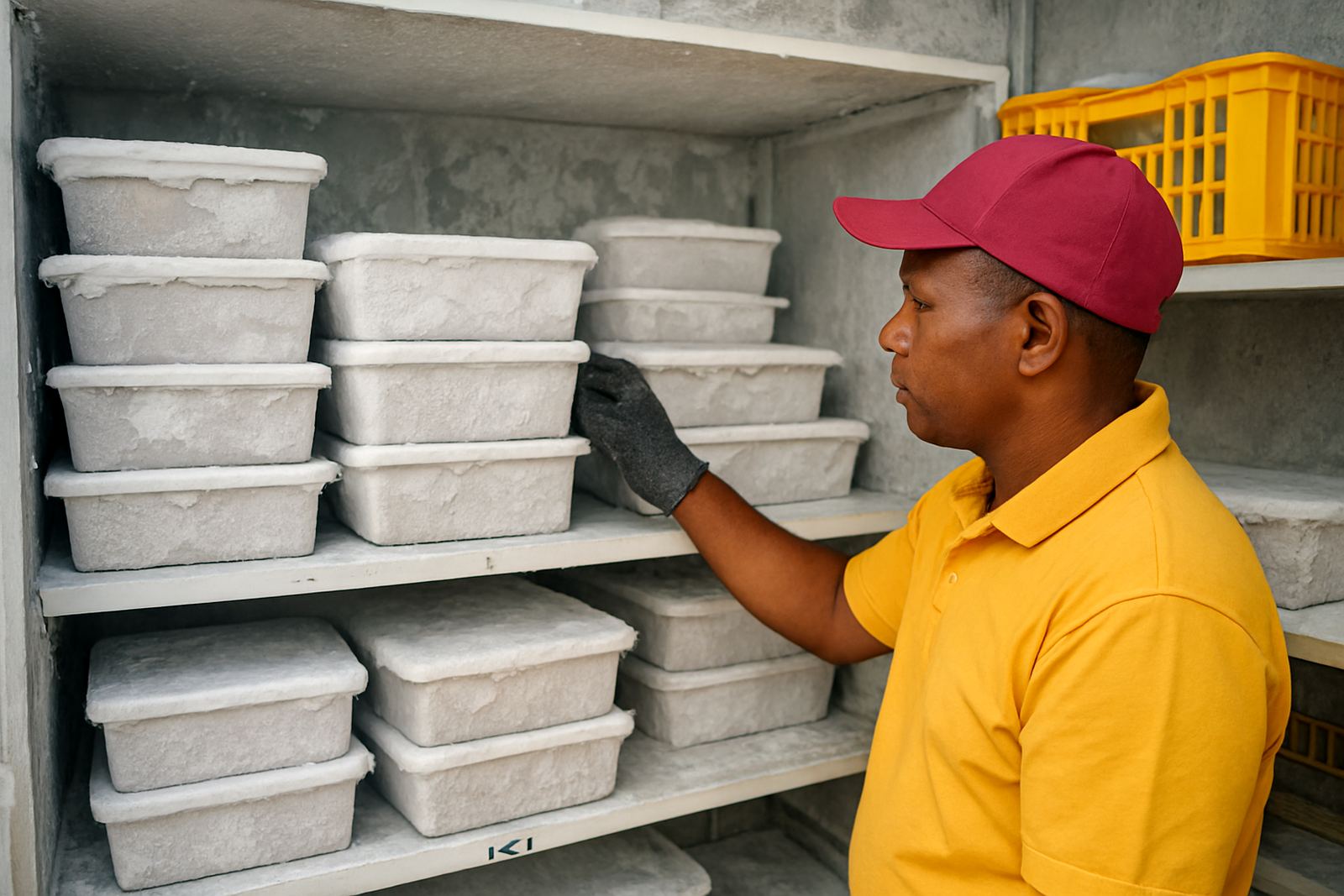
Freezer burn is the dry, patchy damage that appears when moisture leaves the surface of frozen food. It is not a burn from heat. It happens when the product sits in air that is too dry, or when packaging allows cold air to pull moisture out over time.
In practical terms, the food may still be safe if it has stayed frozen, but the texture, colour and taste can suffer. Ice cream gets grainy, meat turns pale and leathery, and baked goods can come out with dry edges after thawing. That is a quality problem, and for a shop or farm store it becomes a customer complaint very quickly.
The mistake many people make is to focus only on the cabinet temperature. A freezer can be reading -18 C at one point and still be damaging stock if there are warm spots, poor door seals, or frequent door opening. Those small changes matter more than most people realise.
Room temperature and air movement matter as much as the unit
A freezer room or cold room does not work in isolation. The room around it changes the load on the system every hour. In a Cape Town back room with a tin roof, or a farm pack room in Paarl that opens onto a loading bay, the ambient heat pushes the plant harder than many owners expect.
If the room is too warm, the system runs longer and may never settle properly. If the air flow is poor, one corner can stay colder than another. That leads to uneven freezing, which is a common cause of surface damage and packaging frost.
- Keep doors closed as much as possible during loading.
- Check that curtains, strip doors or air seals are not torn.
- Do not stack stock tight against evaporator discharge paths.
- Leave space for air to move around cartons and trays.
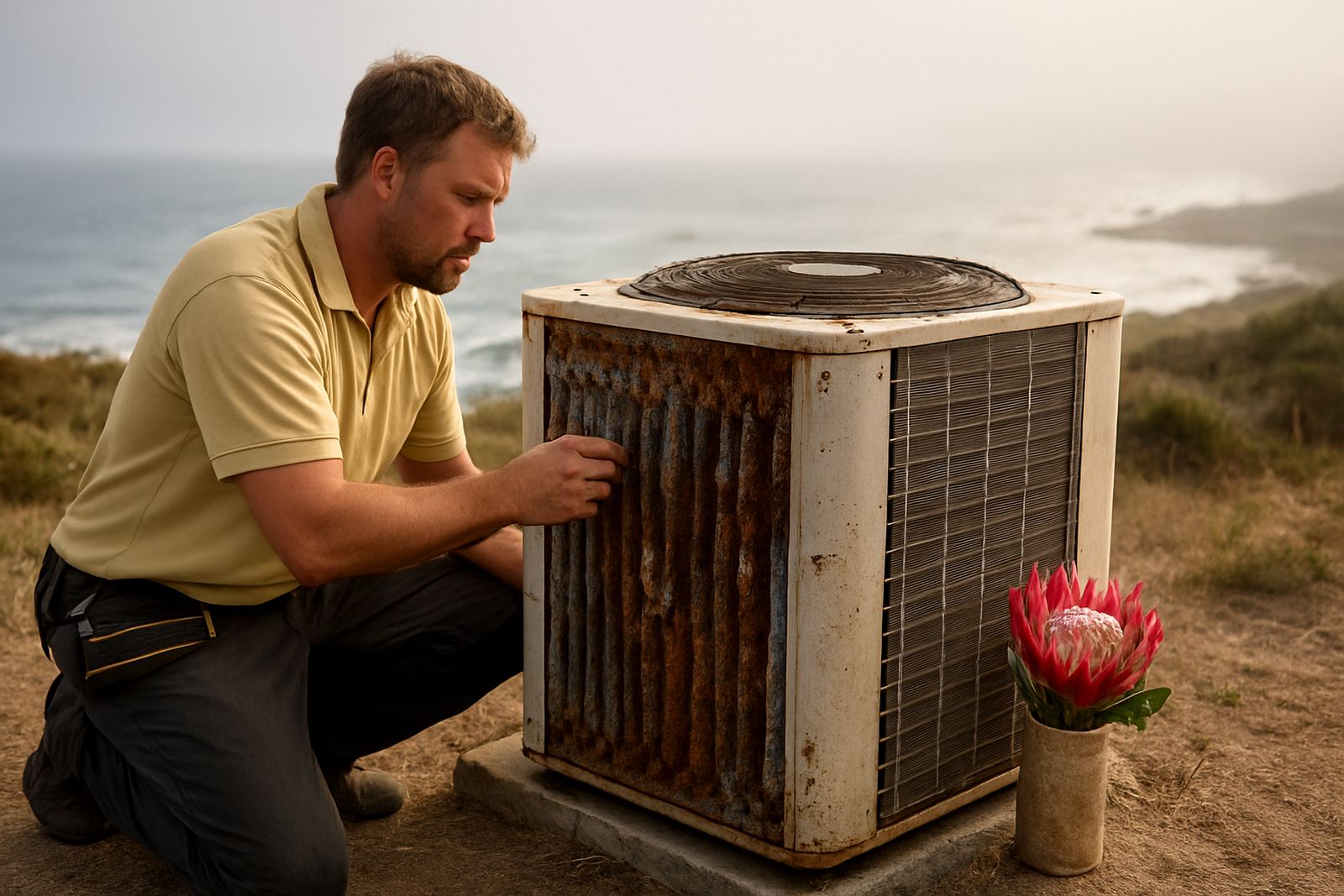
Humidity also plays its part. On the coast, salty damp air can work its way into fittings and seals. Inland, a hot dry room can still create problems if the door is left open for deliveries. Either way, the room has to be managed as carefully as the equipment.
Packaging and stock rotation decide how long quality lasts
Frozen product needs proper wrapping. Thin film, split bags and loosely closed cartons allow moisture loss and ice build-up. Once a pack has air inside it, the product starts drying from the outside in. The freezer did not fail, the storage method did.
Stock rotation is just as important. Old stock left at the back of the cabinet may sit there for months while fresh items are packed in front of it. In time, the oldest stock gets the worst air exposure and the first signs of freezer burn. That is why clear dates, line-of-sight stacking and regular checks are worth the effort.
- Use sealed containers or freezer grade wrapping.
- Label date and product type on every carton.
- Rotate older stock to the front each week.
- Do not overfill baskets so tightly that air cannot move.
For shops in Stellenbosch or Malmesbury, this can be the difference between selling a product and writing it off. The cost of a few minutes of rotation is far less than the cost of stock loss.
Load shedding and power interruptions leave a hidden mark
Western Cape businesses know the strain of load shedding and short power interruptions. A freezer room may recover after an outage, but the damage is often done during the warm-up period. Temperatures rise slowly, then drop again once power returns, and that cycle creates condensation and ice crystals inside packs.
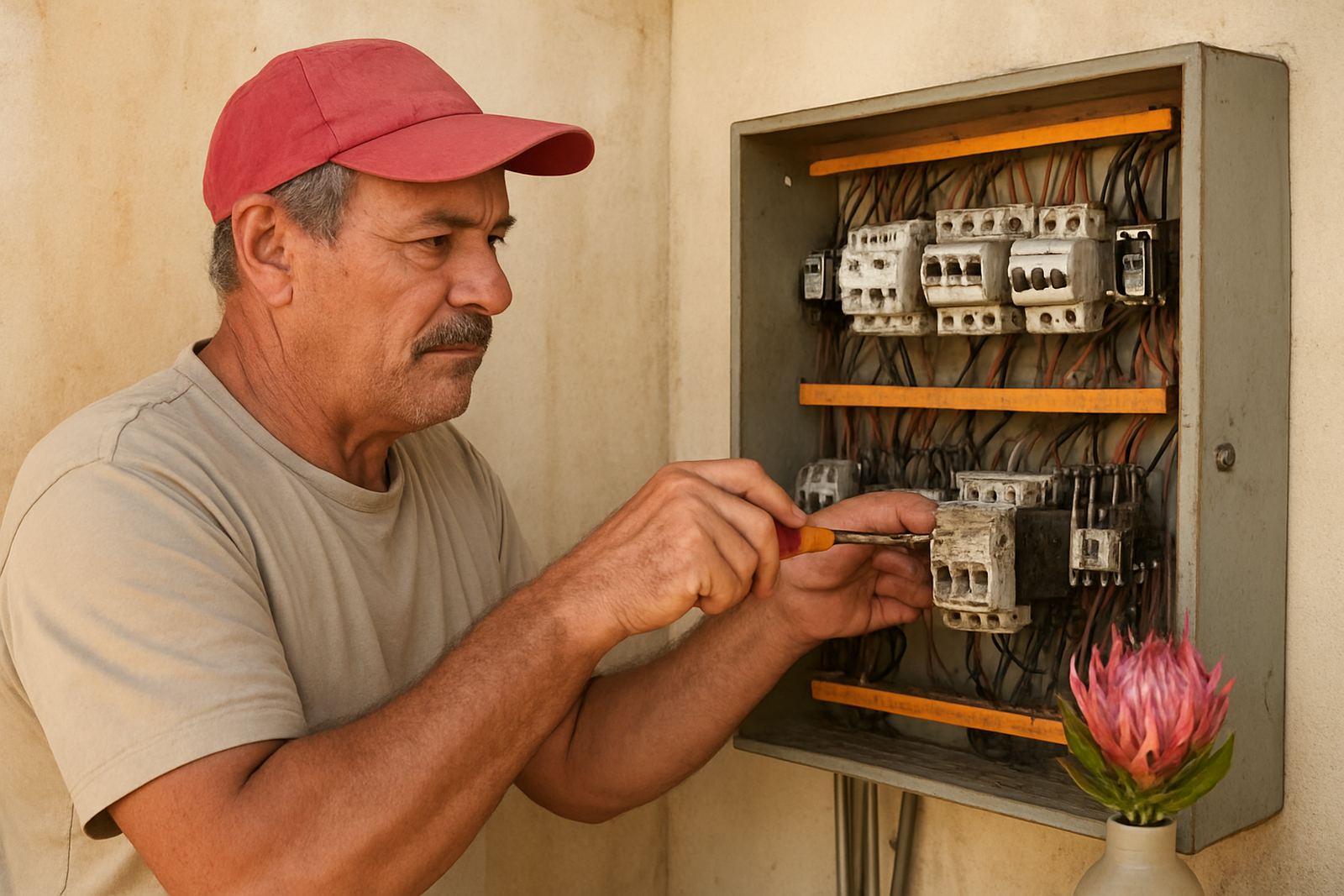
Repeated cycling is hard on compressors too. The equipment starts more often, runs under pressure and may struggle to pull down to set point after each restart. If a door was opened during the outage, the room has to clear a heavier heat load once power is back.
This is where seasonal planning helps. Before summer, units need a proper start-up check. Before a shutdown, the room should be cleaned and preserved properly so that rust, odours and iced-up components do not become another problem when operations resume. A freezer room that is looked after before the heat arrives will handle interruptions better, and the stock stays safer.
A local example from the Winelands
A small produce store near Paarl once phoned about fruit and meat showing frost on the packs, with some cartons soft at the edges after a night interruption. The owner thought the freezer was too cold. On inspection, the main issue was a mix of poor door seals, a blocked drain, and a delivery routine that left the door open too long on hot afternoons.
The unit itself was not the only fault. The room had no clear loading rule, the stock was packed too tight against the airflow path, and the maintenance log had gaps. After the seals were replaced, the drain cleared, and the team was shown a better loading sequence, the complaint stopped. The freezer did not need a miracle, just proper attention.
That is common in shops and on farms. The equipment may look fine from the outside, yet small issues inside the room slowly ruin frozen quality. One weak seal or blocked drain can cause ice build-up, warmer spots and uneven product life.
What to check before product quality slips
If frozen goods are not holding the way they should, start with the basics. Do not only look at the thermostat. Check the room, the stock handling and the maintenance records together.
- Confirm the actual room temperature at more than one point.
- Inspect door seals, hinges and closers for air leaks.
- Look for frost build-up on coils and around the fan area.
- Check drains for blockages and standing water.
- Review how often doors are opened during trading hours.
- Make sure temperature logging is being done daily.
If any of these areas are slipping, the product quality will usually show it first. Freezer burn is often the first visible sign that the room is under pressure, even before a breakdown happens. Catching it early saves product and avoids complaint calls later.
Why maintenance keeps frozen stock in better condition
Planned maintenance is not only about keeping the plant running. It is about keeping the room stable enough for stock to stay in saleable condition. Coil cleaning restores airflow, drain clearing prevents ice and water problems, and leak detection helps keep the system at the right charge. If the room can hold temperature properly, the product lasts longer and looks better.
For businesses in Cape Town, Montague Gardens, Stellenbosch, Paarl, Malmesbury and Vredenburg, the local conditions are not the same. Coastal humidity, inland heat and long delivery days each put different pressure on refrigeration. A monthly or quarterly contract lets those pressures be checked before they turn into stock loss.
Frozen product quality is not just a storage issue, it is a room performance issue. Once that is understood, the fix becomes much clearer and far less expensive.