1. Controls fail because the environment works against them
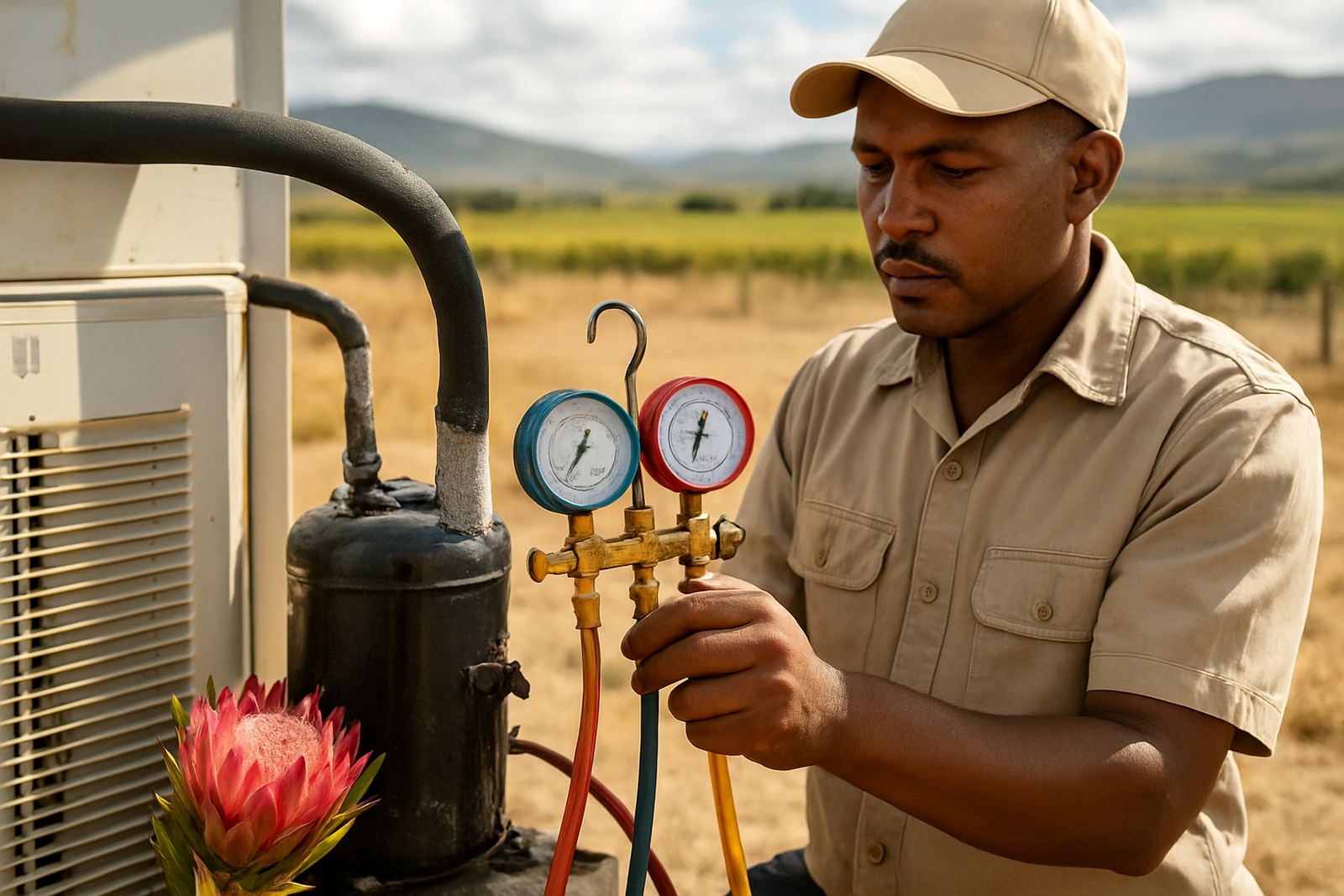
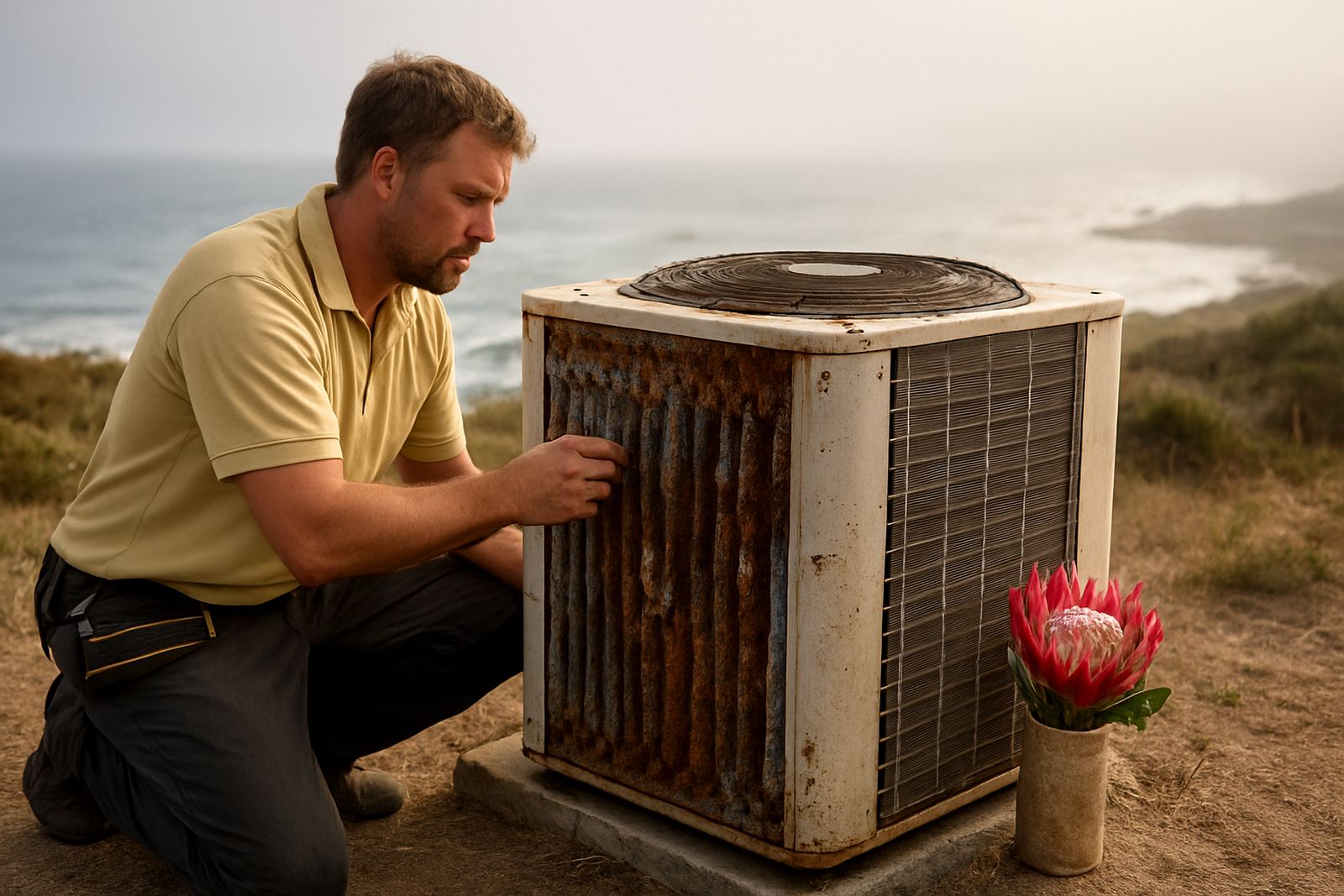
A refrigeration or aircon control is not failing in isolation. It is sitting inside a cabinet, plant room, ceiling void or cold room where heat, cold, dust and moisture all move in and out every day. In Cape Town and along the coast, salty air adds another layer of strain. Inland, the windblown dust from yards, loading bays and farm packhouses gets into terminals and fan compartments. Over time that combination breaks down relays, sensors, timers and contactors.
Most owners notice the symptom first, not the cause. A room that was holding 2 degrees starts drifting. An aircon keeps stopping after a few minutes. The controller shows an error, then clears itself. These are warning signs that the control side is struggling to read what is really happening inside the system.
2. Moisture gets into places it should not be
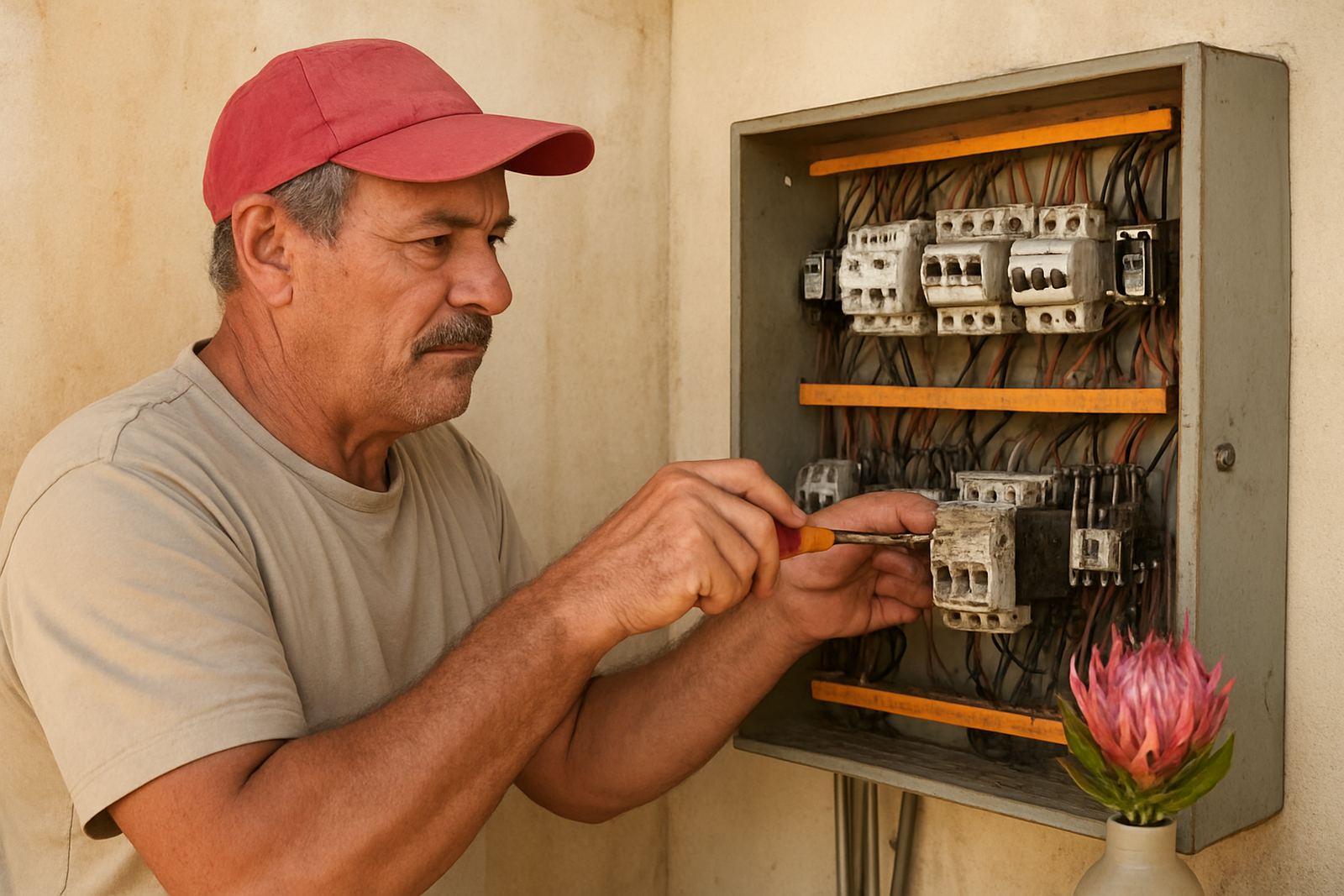
Moisture is one of the main reasons control components fail in the Western Cape. Condensation forms when warm air meets a cold surface, especially on uninsulated pipes, loose panel covers and damaged grommets. Once water reaches a terminal block or circuit board, corrosion begins. A small green crust on a connection can cause enough resistance to create false readings or a complete shutdown.
Cold rooms are especially exposed. Every time the door opens, damp air comes in. If door seals are worn or a strip curtain is missing, the control gear works harder and spends more time in wet conditions. In coastal towns, you can also get salt film on boards and wiring even when there is no visible leak. That is why a unit can look clean but still be failing inside.
- Check for water marks inside the panel.
- Look for rust on screws, hinges and terminals.
- Make sure cable entries are sealed properly.
- Inspect drain lines so overflow does not run onto controls.
3. Vibration loosens wires and damages parts over time
Compressors, condensers and fan motors all shake while they run. If fixings are loose, that vibration travels into the control box and the wiring starts to move. A wire that seems tight today can work loose after months of cycling. On farms and in busy shop environments, doors slam, trolleys knock into units and the effect adds up. It is often the small repeated movement that causes the fault.
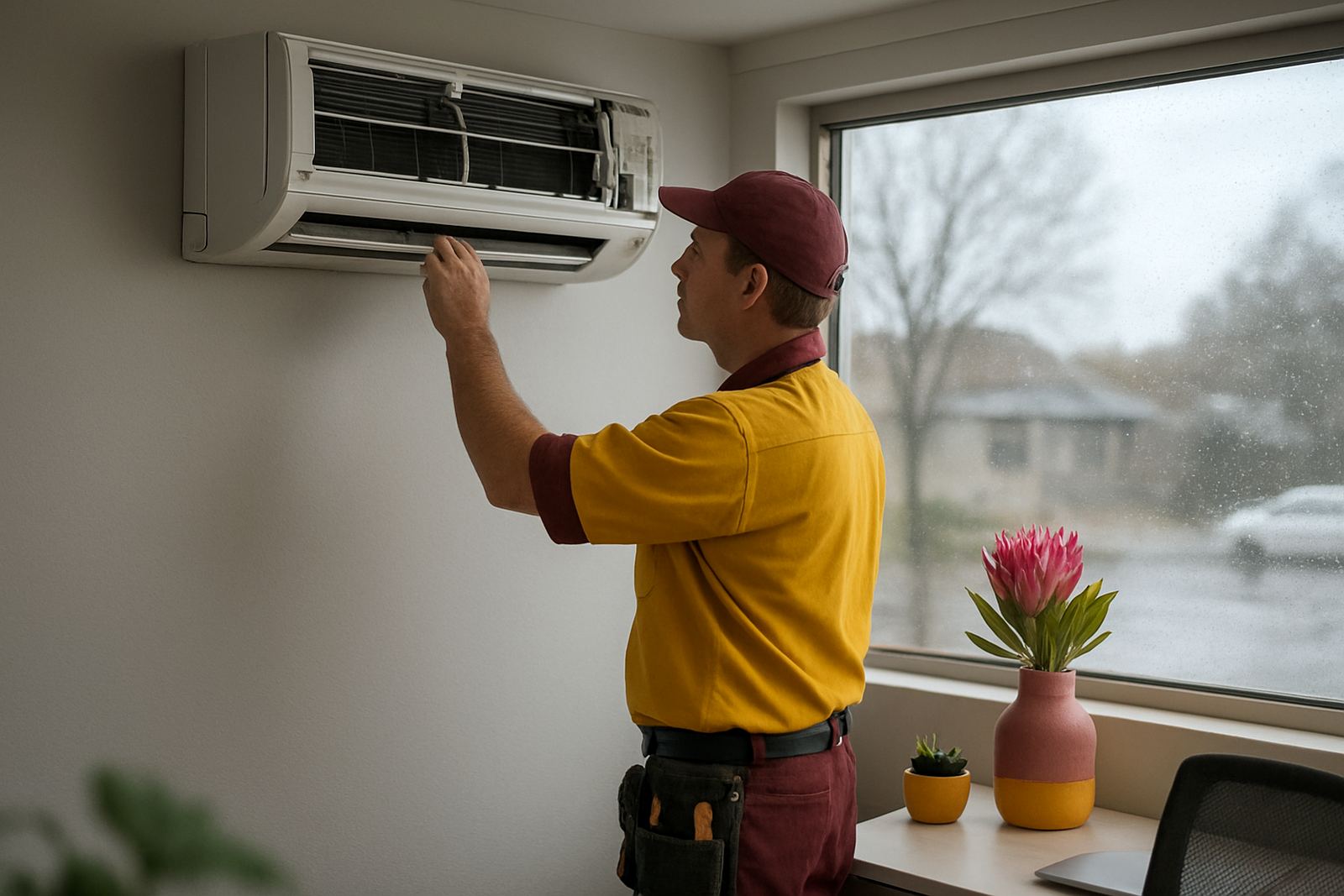
Vibration also shortens the life of contactors and relays. The internal parts are meant to make and break contact thousands of times, but if the unit is cycling too often because of poor settings or dirty coils, the wear accelerates. We see this often in older split systems where the fan runs, the compressor starts, then trips, then starts again. After a while the control side gives up and the system no longer holds temperature properly.
- Listen for rattles, clicking and repeated starting.
- Check mounting brackets and panel screws.
- Inspect terminals for signs of heat or arcing.
- Reduce short cycling by fixing the real cause, not just resetting the unit.
4. Age changes how sensors and boards read temperature
Age is not just about a part wearing out. It also changes how accurately a component reads. Temperature probes drift over time, especially where they have been exposed to cleaning chemicals, moisture or repeated flexing. A probe that is reading one or two degrees out may not seem serious, but in a cold room that difference can spoil stock or trigger unnecessary compressor running. On a hot day in Paarl or Malmesbury, that extra running time can push energy use up fast.
Control boards and timers also age from heat. A board mounted too close to a hot discharge line or in a poorly ventilated space is under constant stress. Capacitors dry out, solder joints crack and terminals loosen. Sometimes the control fault looks like a refrigeration fault, but the root issue is simply that the control gear has reached the end of its useful life.
5. Load-shedding and power dips expose weak controls
Power interruptions do not cause every fault, but they do expose weak parts. When a unit loses supply suddenly and comes back on again, the control system has to restart cleanly. If voltage is unstable, contactors chatter, boards reset badly and sensors can report nonsense for a short period. We see this in shops after several interruptions in a week, and on farms where long cable runs already create voltage drop.
After a power event, it is worth checking more than just whether the unit is running. A controller may appear normal while quietly storing an error, or a compressor may be starting against head pressure because the delay sequence was interrupted. That is when you get repeat call-outs for the same fault. If the wiring, protection devices and settings are not checked, the problem keeps coming back.
- Record when the fault started and whether there was a power interruption.
- Confirm voltage at the unit, not only at the main board.
- Check restart delays and time delays after a shutdown.
- Make sure surge protection and isolators are in good order.
6. A Stellenbosch cold room example shows the pattern clearly
At a produce cold room near Stellenbosch, the owner reported uneven temperatures and a controller that was cutting in and out. The compressor had already been checked, so the fault looked complicated at first. On inspection, the control panel had moisture staining from a blocked drain and one sensor lead had been rubbing against a metal edge. The cable insulation had worn through just enough to give an unstable reading.
Once the drain was cleared, the damaged cable was replaced and the panel was dried and resealed, the readings steadied immediately. The unit had not failed because of one dramatic breakdown. It failed because a few small issues were left long enough to affect the controls. That is how many faults begin in the Western Cape, slowly and then all at once.
For shop owners and farm managers, the lesson is simple. Do not wait for the unit to stop before checking the control side. Look for rust, loose terminals, probe drift and repeat trips. A quick inspection can save a cooler full of stock or a weekend with no aircon in a busy store.