When the compressor starts working harder than it should
A healthy refrigeration compressor should cycle cleanly and hold temperature without sounding strained. When it begins running for longer spells, starting more often, or pulling temperature down much slower than usual, something in the system is not right.
On a shop floor or in a cold room, the first sign is often simple: product that used to hold at the right temperature now sits a little warmer, or the unit seems to be running almost non stop. That can point to low gas charge, dirty coils, poor airflow, a failing contactor, or a compressor that is losing efficiency.
- Longer run times than normal
- Frequent short cycling
- Slow pull-down after loading stock
- Higher than normal energy use
Noises that should get your attention fast
Noise is one of the clearest warning signs. A compressor that starts to knock, rattle, hiss, or clatter is asking for inspection. In many cases the sound changes only slightly at first, so staff hear it every day and think it is normal, but it often gets worse once bearings, mounts or internal parts begin to wear.
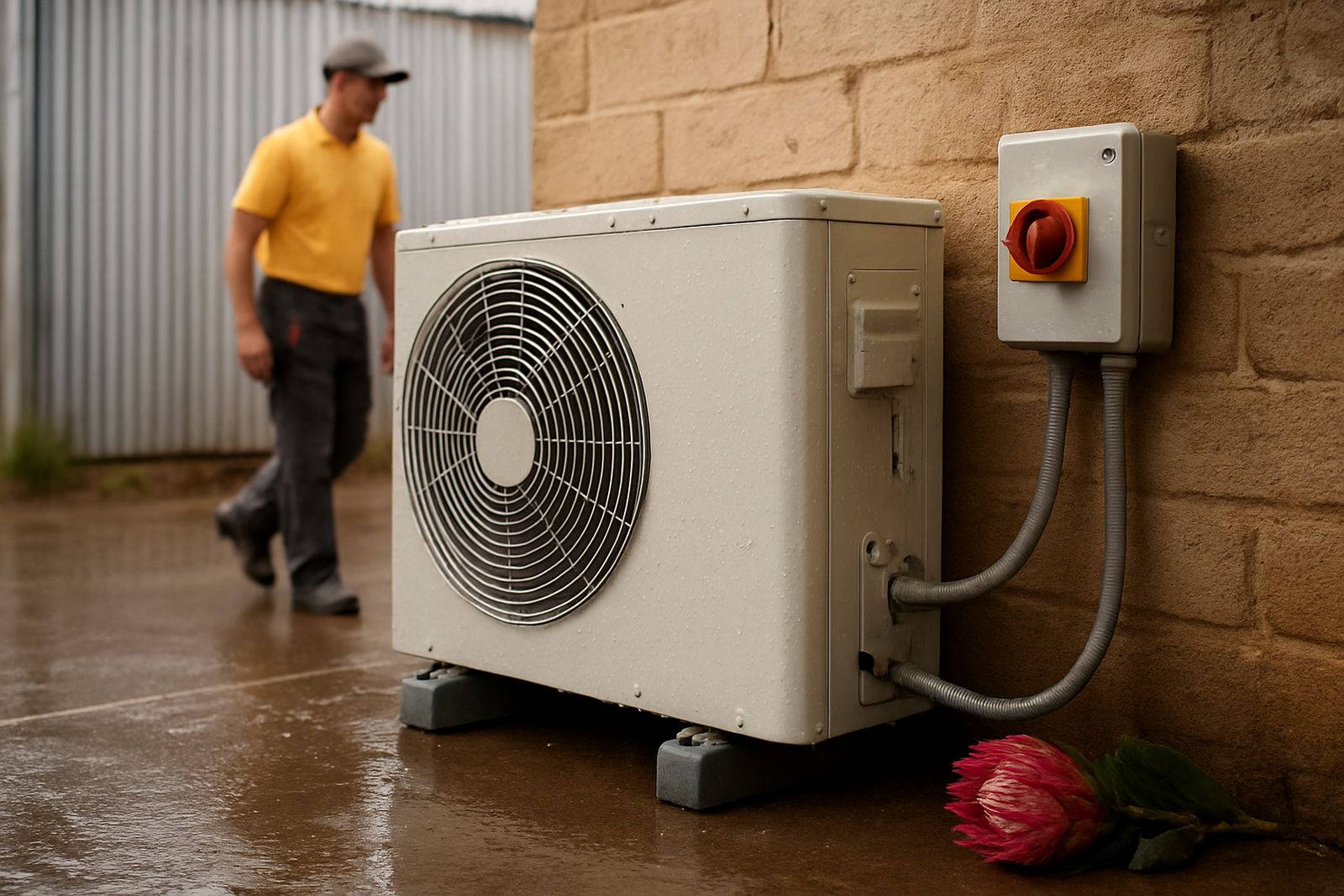
If the unit is outside or in a plant room, listen during start-up and while it is under load. A hard start, metallic tapping, or a deep humming sound that does not settle can mean the compressor is struggling to get moving. Dont leave it to run like that for weeks, because a small mechanical problem can turn into a full breakdown.
- Knocking or banging on start-up
- Persistent humming without proper start
- Rattling from loose mounts or pipework
- Sudden changes in tone during operation
Electrical warning signs that often show up first
Many compressor failures begin with electrical symptoms, not mechanical ones. Repeated tripping, blown fuses, burnt marks on terminals, or a contactor that chatters are all reasons to stop and check the system properly. In Western Cape sites with load-shedding, voltage swings can make weak components fail faster, especially on older plant that already works hard.
Watch for lights dimming at start-up, a breaker that trips only when the compressor kicks in, or a unit that starts only after several attempts. These signs can point to low voltage, a failing capacitor, loose wiring, or a compressor drawing too much current. If the compressor is over-amping, the fault needs proper testing before it destroys other parts.
- Breaker trips when the compressor starts
- Burnt smell near the control gear
- Contactor chatter or buzzing
- Repeated starting failures after power returns
Temperature drift, icing and poor product hold
By the time people notice temperature drift, the system has often been struggling for a while. A cold room that cannot hold setpoint, a drinks cabinet that warms on busy days, or a freezer with soft spots in the product are all signs that compressor performance may be dropping. Sometimes the issue is not the compressor itself, but the compressor is the first part that shows the stress.
Icing on evaporator coils, excessive frost, or water pooling around the unit can all go with compressor trouble. Poor gas return, airflow problems, blocked drains, or low refrigerant can all put pressure on the compressor and shorten its life. A proper check should include temperatures, pressures, coil condition, drain clearing and logging, not just a quick restart.
- Room temperature creeping up over several days
- Ice build-up where there should be steady airflow
- Wet floors from blocked drains or defrost issues
- Stock not holding as long during busy trading periods
What shop owners and farm managers should do first
If you spot more than one sign, do not keep pushing the unit to see if it comes right. Start by noting the temperature, the noise, the start pattern and any tripping events. That information helps a technician get to the fault faster and can save a lot of time on site.
Keep doors shut, reduce warm product loading, and move vulnerable stock if the temperature is climbing. On farms and in wine areas, this matters during harvest and peak packing periods when one failed compressor can put pressure on the whole chain. A short delay can turn into spoiled stock, lost hours, and a far higher repair bill.
- Record the room temperature and time of the fault
- Check whether the condenser coil is dirty or blocked
- Look for tripped breakers or alarm codes
- Call for proper fault finding before restarting again and again
A Western Cape example: when warning signs were missed
We often see this pattern in Cape Town, Stellenbosch and Paarl. A small retailer or packhouse notices the unit running longer after a warm spell, then hears a new hum, then a breaker trips once or twice. Because trade is busy, the issue gets parked for later. A week on, the compressor fails fully and the cold room is down at the worst time.
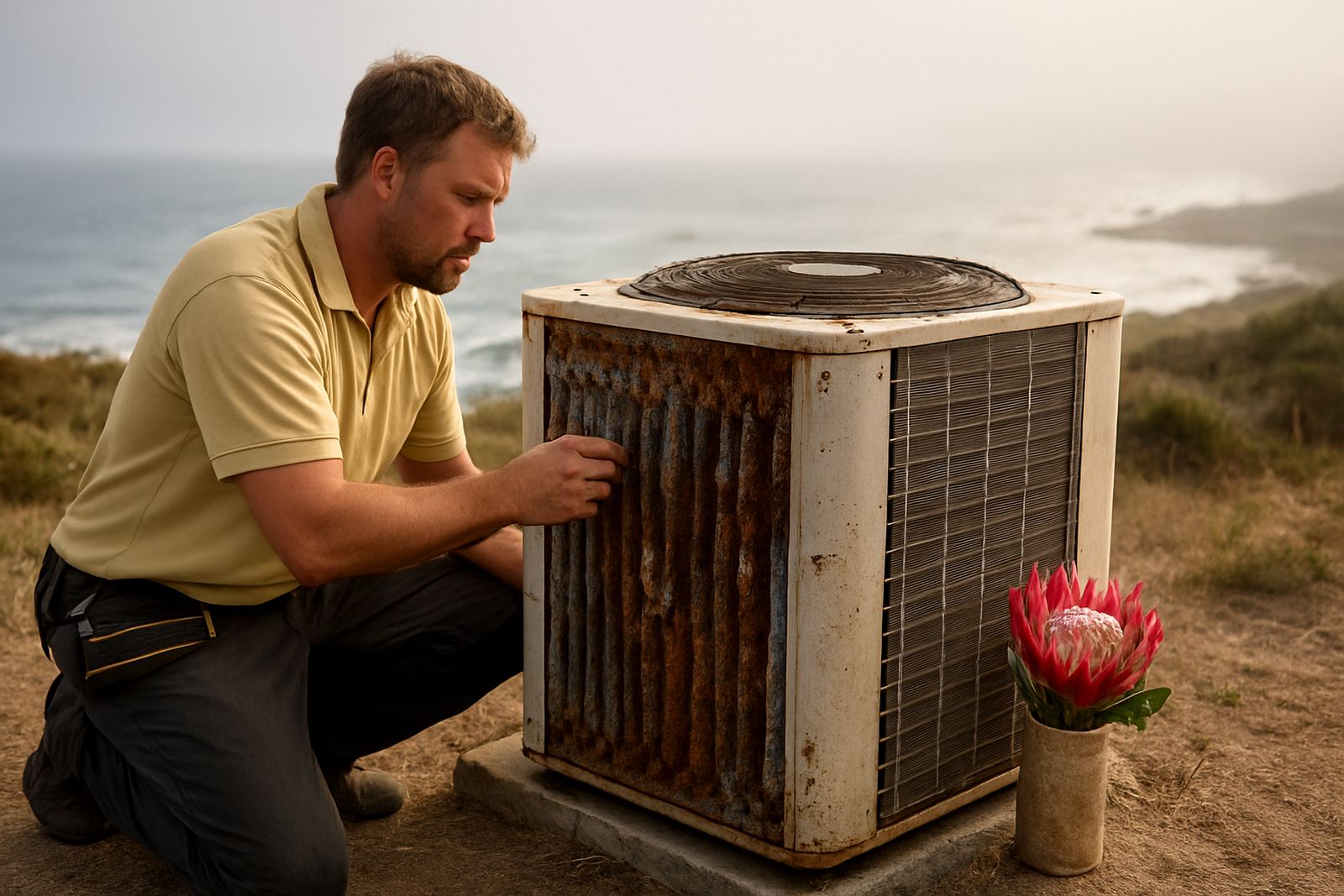
In one case on the West Coast, a cold room serving fresh produce began taking longer to recover after loading. The coil was dirty, the drain was partly blocked, and the compressor was drawing higher current. Once the system was cleaned, checked and logged properly, the room stabilised, but the warning signs had already been there for days. Catching that early would have saved a call-out and protected stock. Its a common story, just with different locations.
How planned maintenance helps the compressor last longer
Compressor failure signs are easier to spot when the system is checked regularly. Planned maintenance gives you a record of pressures, temperatures, coil condition, drain performance and electrical load, so small changes stand out before they become a shutdown. That is especially useful in coastal humidity, dusty yards, and sites that rely on equipment through load-shedding.
At Kenny Cape West, we work on refrigeration and aircon across Cape Town, Montague Gardens, Stellenbosch, Paarl, Malmesbury and Vredenburg. For shops and farms, that often means planned maintenance, emergency call-outs, cold room servicing, coil cleaning, drain clearing, seasonal start-up and shutdown preservation. If you have a compressor that sounds off, runs hot, or trips more often than it should, it is best checked before it leaves you with a warm room and dead stock.