Why rain brings hidden refrigeration faults to the surface
After wet weather, a refrigeration circuit may trip for reasons that look unrelated at first. A panel that has worked all summer can trip the minute a storm passes, or the next morning when the plant starts up again. That is not always a sign of a major failure. Often, rain simply exposes a weak point that was sitting there all along.
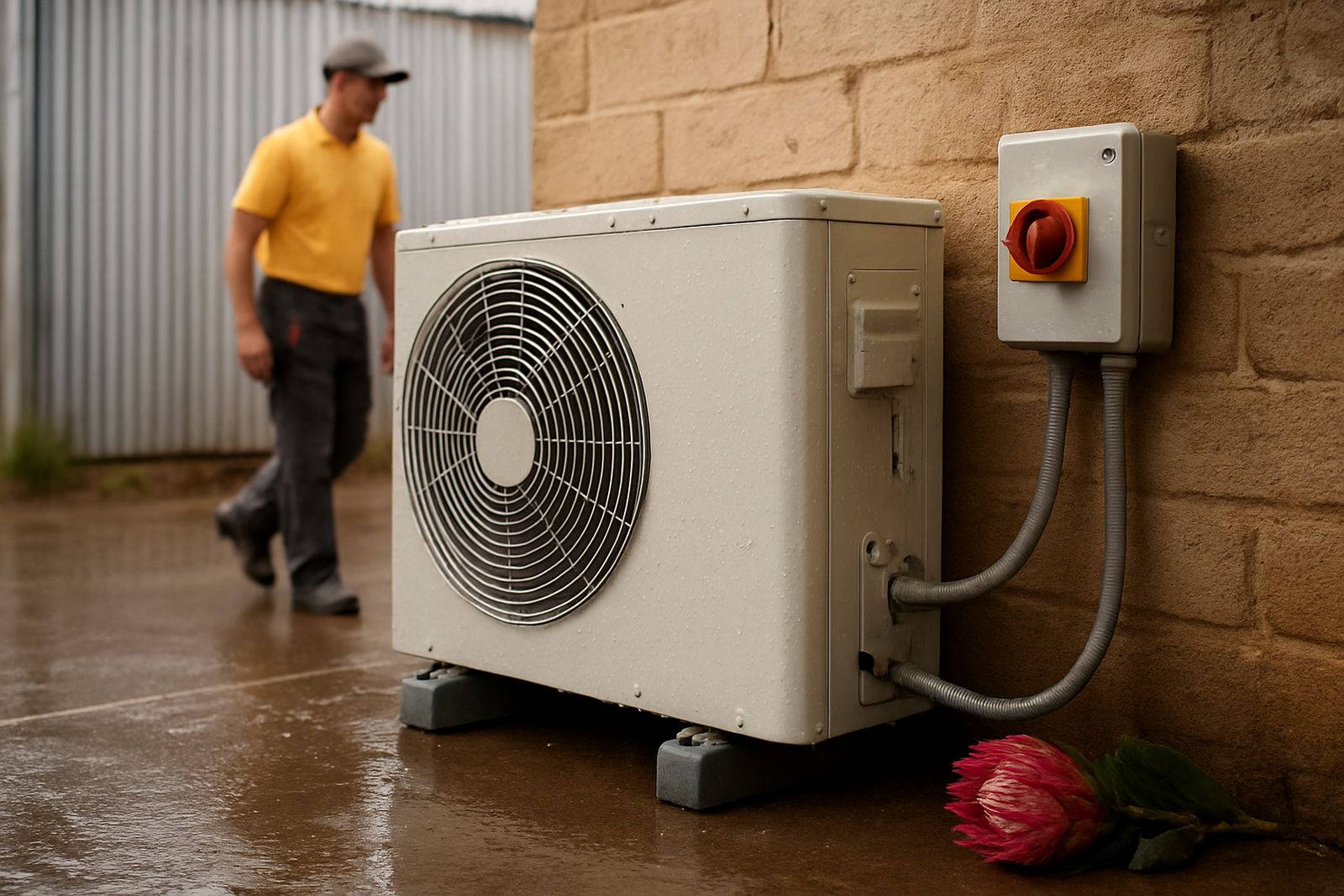
In coastal and exposed inland areas, moisture gets into outdoor isolators, condenser fans, junction boxes and conduit runs. Once water and electricity meet in the wrong place, the protection device does its job and shuts the system down. On farms, at packhouses, and in shop yards, we see this more often where equipment sits in wind, salt air or under a roof with poor guttering.
The most common trip points after wet weather
The fault is not always inside the compressor or the cold room itself. More often it starts in a small part of the circuit that got damp, dirty or loose. A bit of water can lower the resistance across terminals and cause nuisance tripping, especially on older installations.
- Moisture inside contactors, relays or terminal blocks
- Water in outdoor isolators or junction boxes
- Damaged cable insulation where rodents, UV or age have already weakened it
- Blocked drain lines that let water run back into the unit
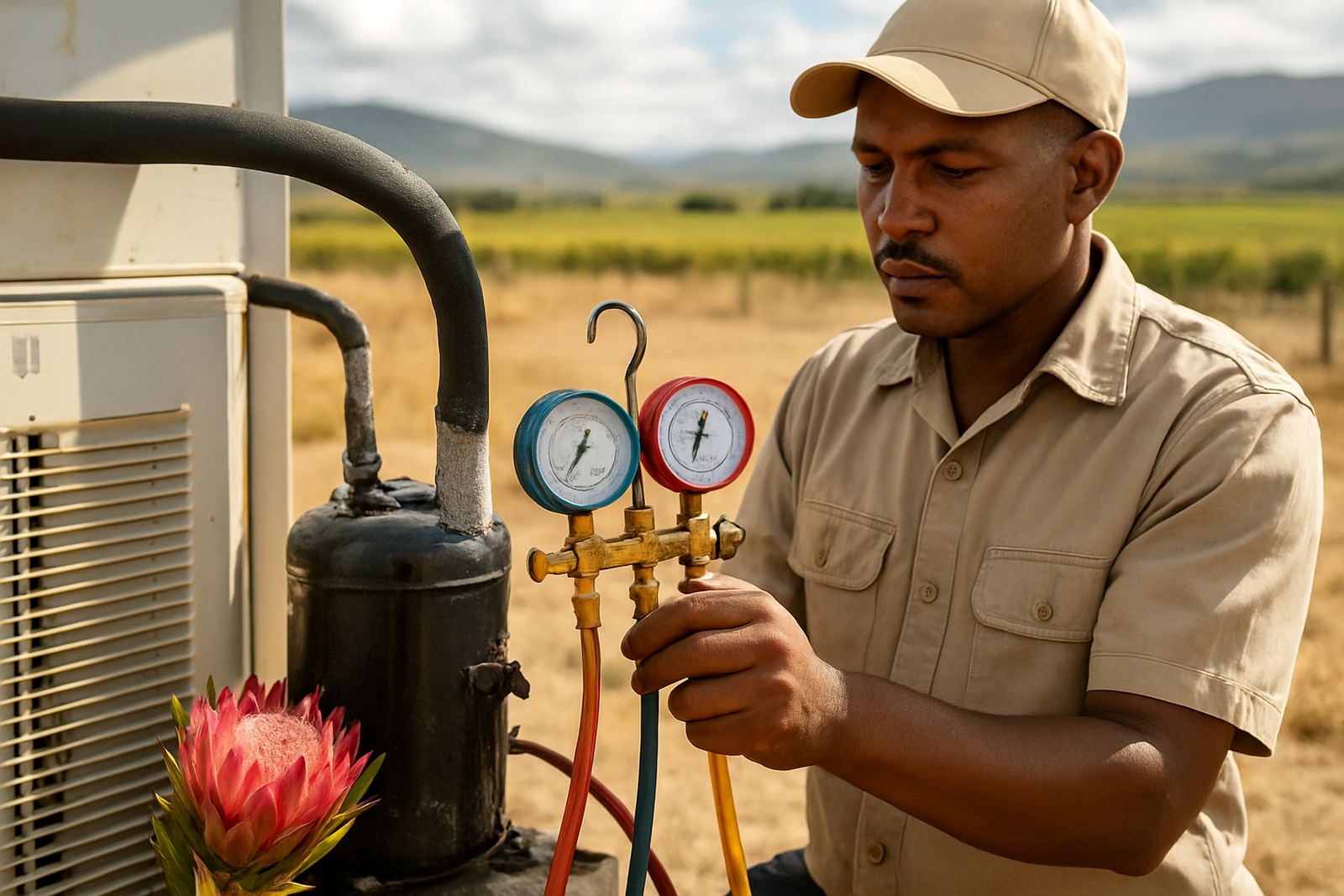
- Dirty condenser coils making the system draw too much current on start-up
- Fans with wet bearings or failed capacitors that struggle after a storm
In some cases the trip only happens once the system tries to start under load. That is why a quick reset may seem to solve it for an hour or two, then the problem returns.
What water does to panels, wiring and controls
Electrical panels are supposed to be dry, but many sites have small gaps, cracked seals or loose gland entries. Rain blown by south-easterly winds can enter from the side not just straight down. On coastal properties, salt and moisture speed up corrosion, so a connection that looked fine in March may already be green and brittle by winter.
Once corrosion starts, resistance rises and heat builds at the terminal. That can lead to repeated tripping, burnt contacts or a failed board. On some systems the control circuit is affected first, so the unit appears dead even though the compressor is still healthy. We also find damp in low points of conduit, where water pools after heavy rain and slowly works its way into the enclosure.
If a panel has been opened recently for service, the lids, rubber gaskets and cable entries need to be closed properly again. A missing screw or a loose cover can be enough to let weather in.
A Winelands example after a weekend storm
After a strong front in the Winelands, a fruit store outside Stellenbosch called about a cold room that tripped every time the compressor tried to start. The product was safe for the moment but the temperature was climbing. The site had no obvious flood damage, which made the fault harder to spot at first.
On inspection, the outdoor isolator had taken in moisture through a poor seal and the contactor showed heat marks. The unit had also been battling a dirty coil, so start-up current was higher than normal. Once the damp parts were dried, the damaged contactor replaced and the coil cleaned, the system held properly again. A small issue became a bigger one because wet weather exposed all the weak points at once.
That is the pattern on many Western Cape call-outs: rain is not the root cause, it is the trigger.
Checks you can make before calling for a repair
If a refrigeration circuit has tripped after rain, there are a few safe checks you can do before switching it back on. Keep the area dry, avoid opening live panels and do not bypass any protection devices. If there is standing water near the unit, clear access first so the technician can work safely.
- Look for water around the outdoor unit, isolator or cable entry points
- Check whether the breaker or overload has tripped repeatedly
- Listen for a fan trying to start and then cutting out
- Inspect for blocked drains or a wet ceiling above the plant area
- Note any smell of burning, clicking from the panel or unusual humming
These clues help narrow down whether the issue is electrical, mechanical or related to airflow. A clear fault note saves time on site and can reduce product risk if a cold room is involved.
How maintenance lowers the risk of rain-related trips
Regular maintenance is one of the best ways to stop wet-weather faults from becoming breakdowns. A planned visit should include terminal checks, coil cleaning, drain clearing, inspection of seals, and a look at the condition of cable supports and weatherproofing. If the site sits near the coast or in a windy yard, those details matter more than most people think.
For shops and farms, shutdown preservation before a quiet season also helps. Equipment that stands unused through cold or wet months can corrode faster than gear that runs daily. A proper seasonal start-up then confirms the system is dry, balanced and ready for load-shedding conditions or a sudden spike in demand.
Maintenance is also the right time to record temperatures and spot patterns. If a unit keeps tripping after every wet spell, the log will show when the problem began and whether it follows rain, power cuts or heavy evening use. That is the sort of detail that turns guesswork into a fix.
When a call-out is the right move
If a breaker trips more than once, or the cold room temperature starts to climb, treat it as urgent. A refrigeration system that runs unstable after rain can damage product, shorten compressor life and create repeat call-outs if the underlying fault is not traced properly. The longer a wet fault sits, the more likely it is to spread into other parts of the circuit.
For Western Cape sites from Cape Town to Malmesbury, Paarl, Vredenburg and the smaller farm roads in between, weather exposure is part of daily life. That is why a proper fault finding visit matters more than a quick reset. Find the damp point, dry it, test the circuit and confirm the load before leaving the site. Anything less is usually just a short pause before the next trip.