Why milk rooms lose temperature when the rest of the farm looks fine
A milk room can look tidy and still struggle to hold a steady temperature. The problem is often not one big breakdown but a string of small issues such as warm air leaks, blocked airflow, dirty coils or a drain that keeps the room damp. In the Western Cape, those issues show up quickly in summer, and on windy coastal days the plant can work harder than expected.
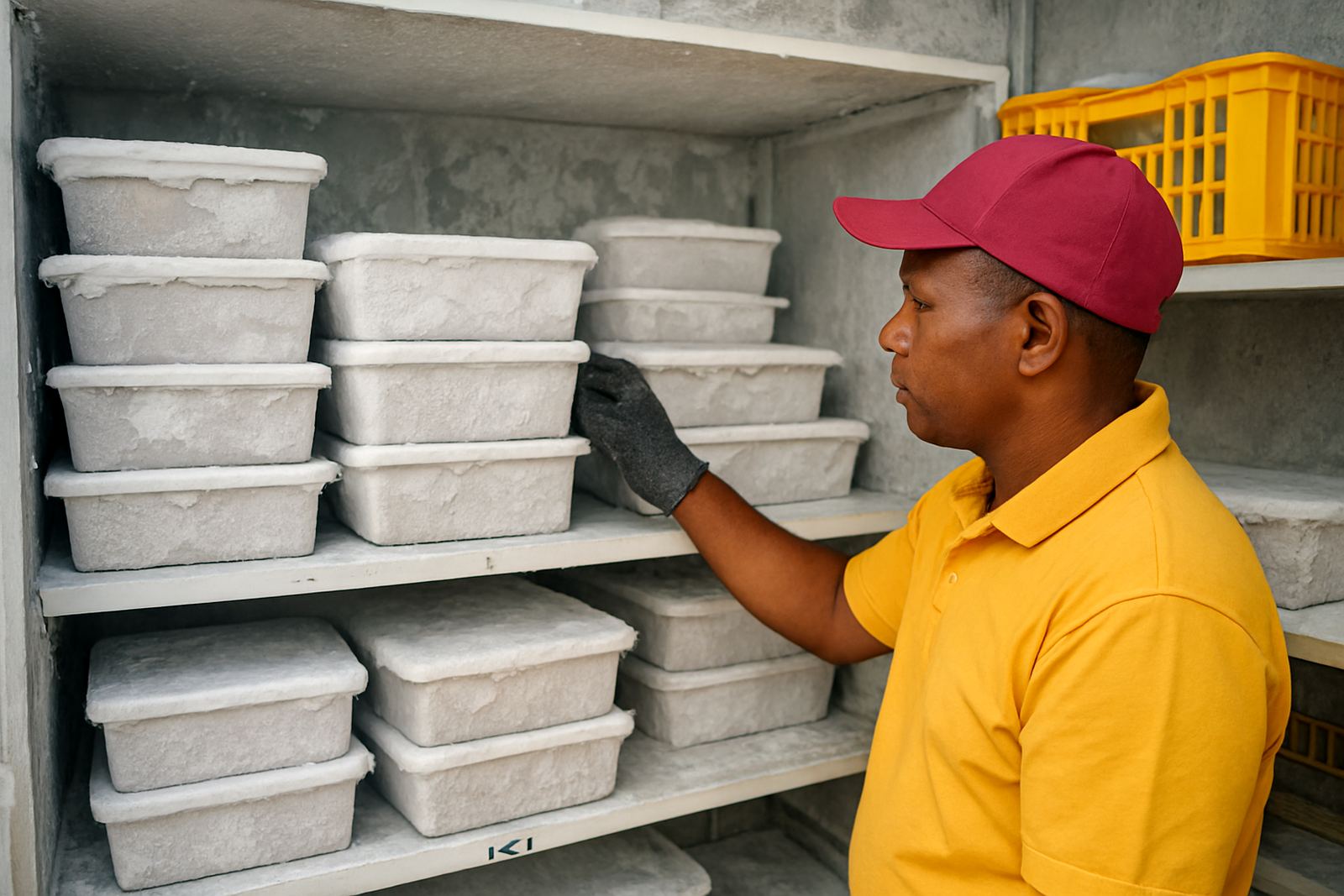
On farms near Stellenbosch and Paarl we often see the room door opening too often during milking, which lets in heat and moisture. That extra moisture matters because cooling equipment has to remove both heat and humidity. If the room has poor sealing, a fan problem, or the evaporator is iced over, the unit may run longer and still not pull the temperature down.
The first warning signs are simple: the room takes longer to recover after doors open, the compressor cycles too often, there is water on the floor, or the temperature reading drifts by a few degrees through the day. Those few degrees can make a real differnce to holding milk safely before collection.
The cooling faults that farm teams can spot early
Milk room cooling faults often start with everyday wear. A technician can test the system properly, but farm staff can still spot early signs if they know what to look for. Do not wait until the unit stops completely, because many failures begin with pressure changes, airflow restrictions or poor drainage.
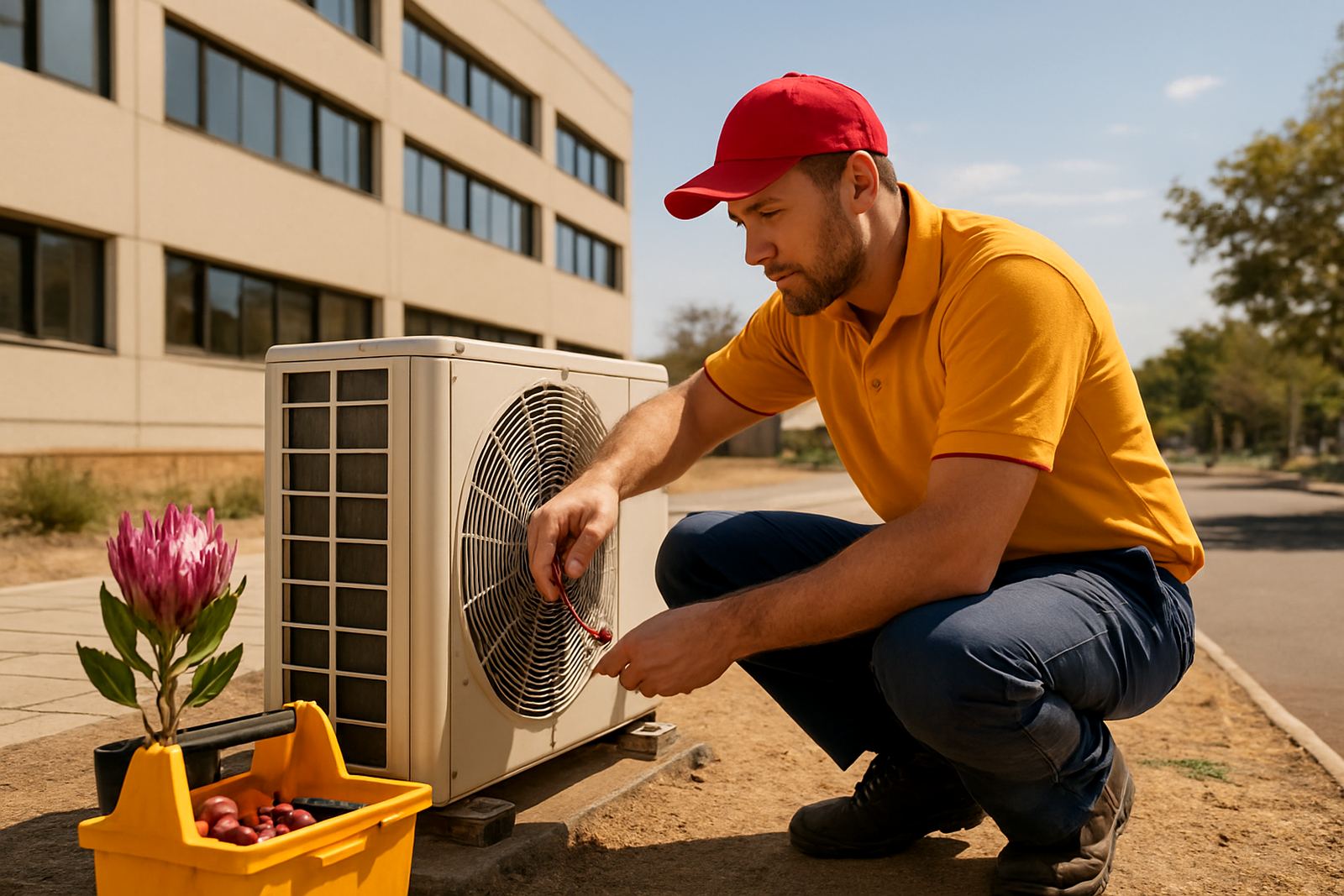
- Coils clogged with dust, chaff or grease, which reduces heat transfer.
- Drain lines blocked by sludge or algae, causing water to sit in the unit.
- Door seals damaged, letting in warm air and insects.
- Fans running but moving weak air because blades are dirty or motors are tired.
- Low gas charge from a slow leak, which makes the system struggle on hot days.
- Thermostat probes placed badly or knocked out of position during cleaning.
If the room is next to a parlour or wash area, steam and hot water can add to the load. That is common on smaller farms around Malmesbury and the West Coast where one room has to do a lot of work in a small footprint.
Why maintenance matters more in coastal and farming conditions
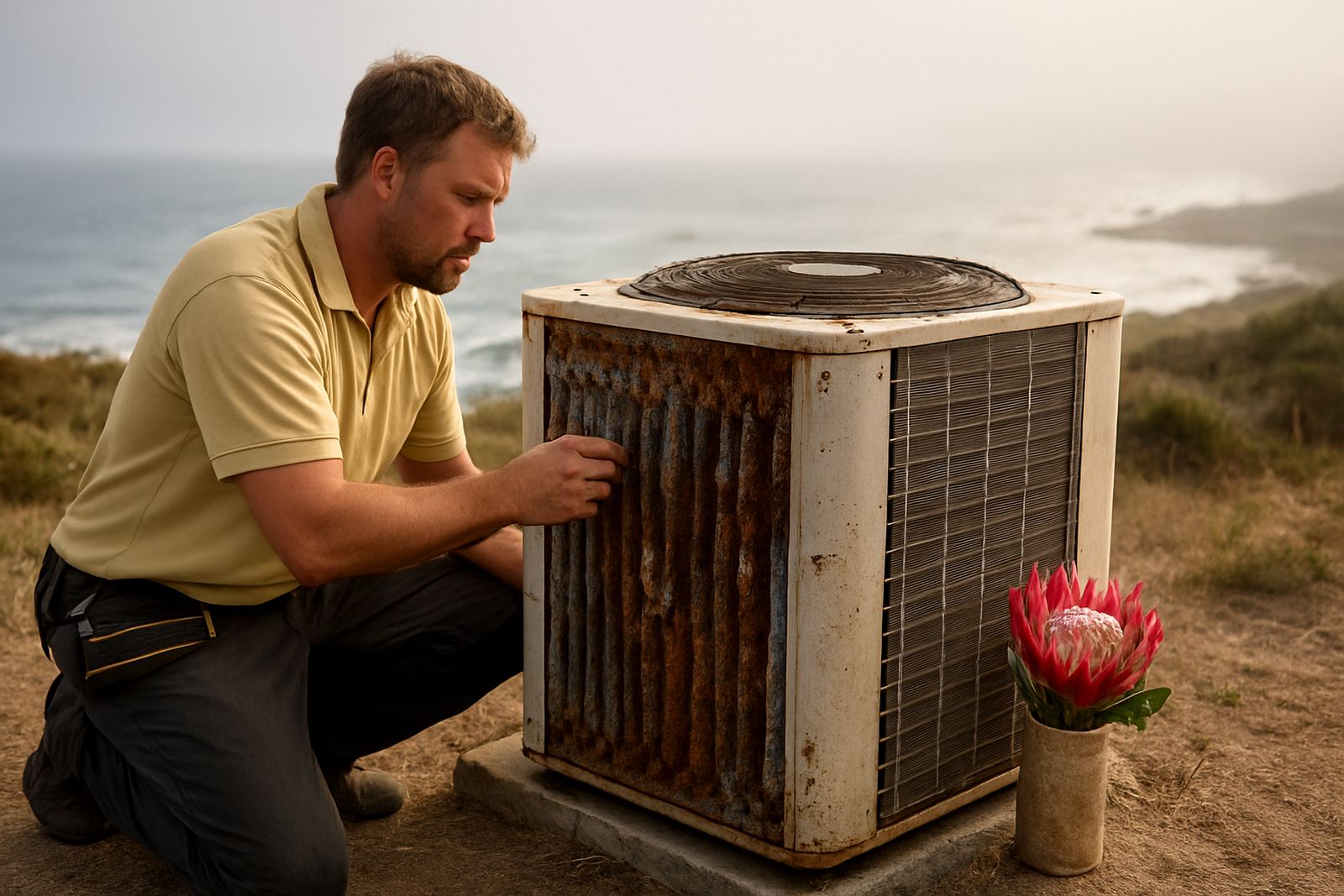
Milk room equipment on farms faces a harsher life than many people expect. Dust from roads and feed, wash-down water, salt in the air on the coast and frequent door movement all shorten the time between services. In Vredenburg and other West Coast areas, salty air can corrode electrical parts and fasteners sooner than inland sites. In the Winelands, fine dust and pollen can block condenser fins and reduce airflow.
Planned maintenance is not just about keeping the machine alive. It helps keep the room consistent through seasonal swings. Before summer, the system should be checked for refrigerant charge, fan condition, controls, drain flow and coil cleanliness. Before winter or a shutdown period, the room may need preservation steps so damp does not create mould, rust or odours.
Where there are repeated power cuts, the cooling plant should also be checked for restart behaviour. After load shedding, some systems come back under strain if voltage is weak or if the controls are not resetting correctly. That is when a technician should look at start-up current, contactors, and any safety trips that keep cutting the system out.
What good temperature logging tells you on the farm
Temperature logging is useful because it shows what happens over time, not just what a person sees when they walk in. A room may feel cold for five minutes after a service, then drift up later when the door has been used and the compressor has cycled a few times. Logs can show those patterns clearly.
For farm milk rooms, the aim is steady performance. A few spikes may point to door discipline, but repeated rises at the same time each day often point to a control fault, a dirty coil, or a unit that is undersized for the actual room load. That matters if milk is waiting longer than usual for collection, or if extra stock is being held during busy periods.
- Check the logger position so it records the room air, not a cold corner.
- Review data after milking times, not only at midday.
- Match temperature swings with door use, wash-downs and power interruptions.
- Keep records for contractor visits, because patterns help isolate the fault faster.
On a farm outside Paarl, a room may seem fine during the early morning milk collection but drift upwards in the afternoon because the sun hits one wall and the condenser is already dusty. Logging catches that pattern long before product quality becomes a worry.
Seasonal checks before the heat arrives
Every season changes what the milk room needs. Summer asks more of the plant, while winter brings damp and longer idle times. A seasonal start-up should include a full visual check, cleaning, control testing and a look at any parts that were left idle during a shutdown.
Good seasonal preparation also means checking the room itself. Wall panels, ceiling joints, door closers and floor drains should all be in order. If warm air is getting in, the cooling system is fighting a losing battle. That is common on older farm buildings where the room has been altered a few times over the years and no one has gone back to check the seal properly.
For farms in the Cape Town and Stellenbosch areas, planning ahead before the hot spells is usually cheaper than waiting for an emergency call-out in peak season. A short maintenance visit can prevent a long breakdown, especially when milk collection times are fixed and there is no room for delay.
A practical local example from a Western Cape farm
A dairy operation near Malmesbury had a milk room that was holding temperature in the early morning but climbing after lunch. Staff assumed the unit was simply getting old. On inspection, the real issues were a partially blocked drain, heavy dust on the coil and a door seal that had split at the bottom. The compressor was working harder than needed, and the room was taking in warm air every time the door shut badly.
After drain clearing, coil cleaning and a proper leak check, the temperature steadied again. The farm also started logging the room temperature twice a day and during wash-down periods. That showed the problem had started earlier than anyone thought. It was not a fancy fix, just careful work and follow-up. Sometimes that is all a milk room needs to behave properly again.
For farms with multiple cooling points, it helps to look at the whole chain, not only the cold room cabinet. The room, the doors, the thermostat, the fans and the power supply all affect reliability. If one part slips, the rest has to carry the load and that is when breakdowns start piling up.