Start with a clean working space around the unit
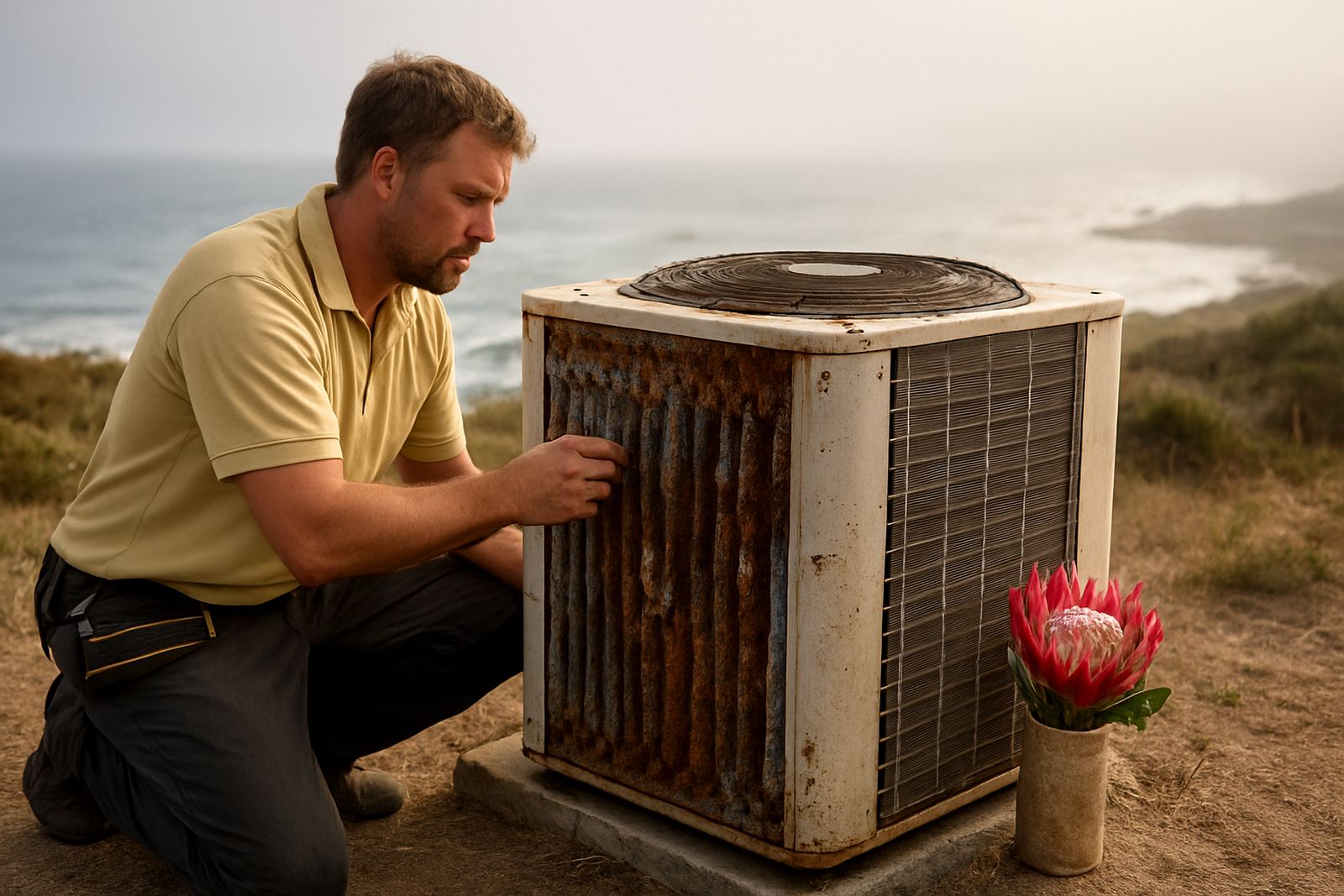
The easiest way to keep a chiller steady is to give it breathing room. If the condenser area is crowded with boxes, dust, packing wrap or stored tools, the unit works harder and temperature begins to swing. In Cape Town and the West Coast, windblown dust and salt in the air can build up quickly, so a daily look around the unit is worth doing.
Make sure the area in front of grills, fans and access panels stays clear. Check that nobody has pushed stock against the cabinet or stacked cartons over vents. If the chiller sits near a delivery door, the constant opening and closing can pull in warm air. That is normal in a shop or farm packhouse, but it should be managed with good loading habits.
- Keep at least 1 metre of clear space around service points where possible.
- Brush off loose dust and wipe the exterior daily in busy sites.
- Check that doors, curtains and seals close properly after every use.
- Never let pallets or bags block airflow to the condenser fan.
Watch loading habits and product rotation
Temperature stability is not only about the machine, it is also about what goes inside it. A chiller loaded with warm product, opened too often, or packed too tightly will struggle to recover. That is especially true during peak trading in Stellenbosch, Paarl and Malmesbury where fruit, dairy and prepared stock can move through the day in waves.
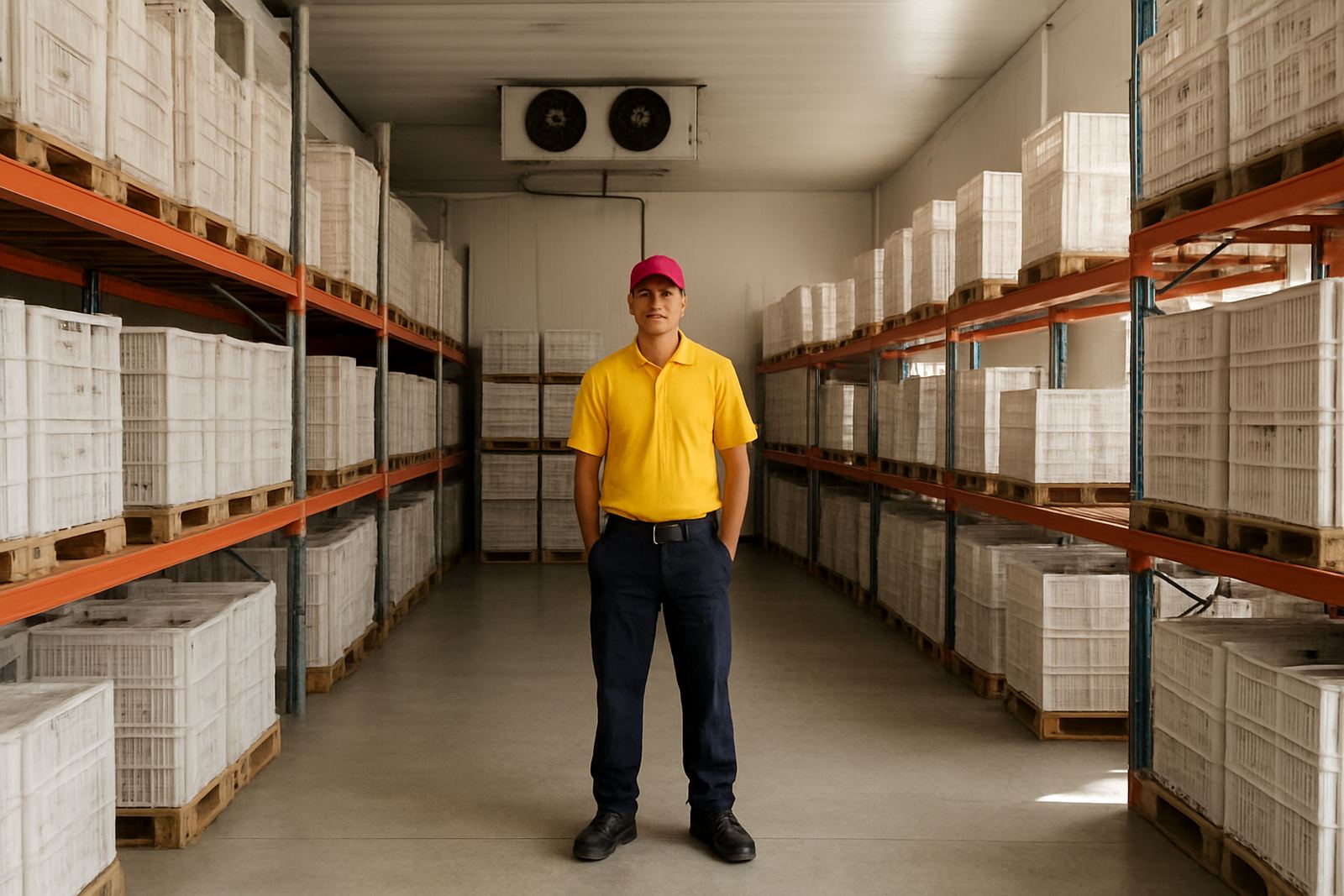
Good rotation helps the unit recover faster. Put older stock at the front, keep fresh stock behind, and avoid leaving the door open while searching for items. If large quantities arrive at once, split the load into smaller batches if possible. A full load of warm produce can make the temperature drop uneven for hours, which is where spoilage often starts.
- Pre cool stock before it enters the chiller when practical.
- Load evenly so air can move between cartons and shelves.
- Keep high turnover items easy to reach to reduce door time.
- Do not overfill shelves or block return air paths.
Treat door seals, hinges and latches as daily checks
One damaged seal can undo a lot of good maintenance. Warm air, moisture and insects all find weak points quickly, especially in coastal humidity and during summer heat. If the door does not close squarely, the chiller may start cycling more often and the temperature will drift through the day.
Daily staff checks should include the seals, hinges, latches and any strip curtains. Look for splits, dirt build up and sections that have gone hard. Even a small gap at the bottom edge can cause frost on the evaporator and lead to uneven cooling. If the door is heavy or hanging slightly off line, get it adjusted before it worsens.
A simple paper test works well: close the door on a strip of paper and pull it free. If it slips out too easily in one spot, that section needs attention.
Keep an eye on temperature logs and recovery times
Daily temperature logging shows patterns that you will not see from one quick glance at the display. If the chiller sits where staff can note temperatures at opening, mid shift and close, you can spot slow drift early. A difference of just a few degrees for several hours can change shelf life on milk, meat, cut fruit or chilled prepared meals.
Recovery time matters as much as the reading itself. If the chiller takes longer than usual to return to set point after a door opening, there may be a dirty coil, low refrigerant, weak fan or a control issue. On farms and small shops, this often gets noticed only after stock starts feeling soft or too warm. By then the system has already been working under strain for days or weeks.
- Log the temperature at the same times each day.
- Note door alarms, power cuts and load-shedding events.
- Record any unusual frost, noise or water on the floor.
- Compare recovery times after deliveries or stock transfers.
Use shutdowns and load-shedding to protect the cold chain
Western Cape businesses know that power interruptions can happen without warning. A planned response makes the difference between a short interruption and a full stock loss. During load-shedding, keep doors closed, avoid unnecessary stocking checks, and make sure staff know which products must be moved first if the outage runs long.
For longer shutdowns, preservation work is important. A chiller that sits idle for a weekend or a holiday period should be cleaned, dried and left ready for the next start-up. Moisture left inside can cause odours, corrosion and mould. When power returns, the unit should be checked for correct fan operation, drainage and stable pull down before full stock is loaded back in.
This is where a clear shutdown plan helps. It gives staff a simple routine instead of guesswork when time is tight and everyone is trying to save product.
Do not ignore the small signs of trouble
Most chiller faults start small. A faint rattle, longer run times, a bit of frost on the wrong place, or water collecting where it should not are all early warnings. If these signs are caught quickly, the repair is often simpler and cheaper. If they are left, the system can end up overworking until temperature control becomes unreliable.
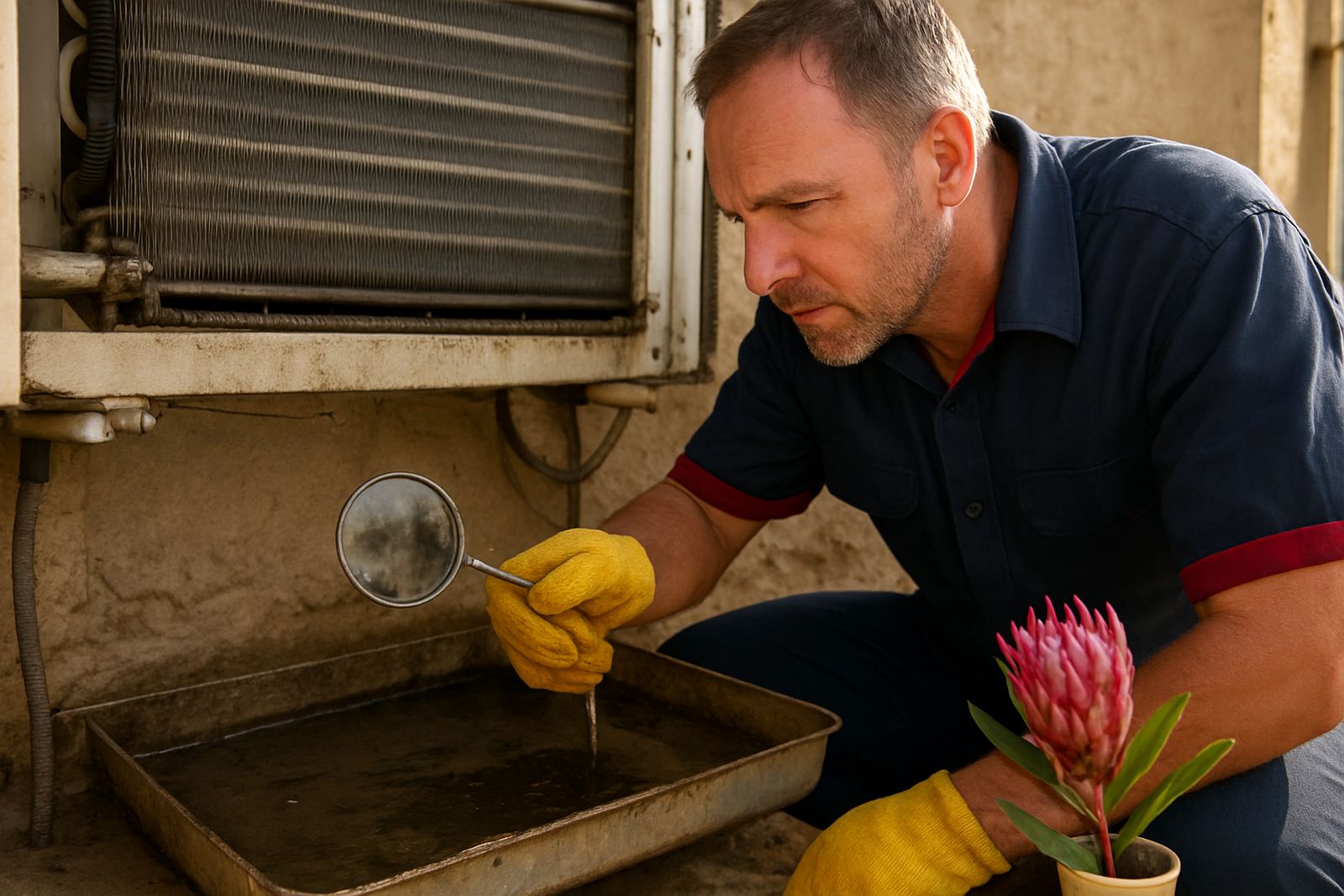
Leaks are a common cause of unstable operation. Even a slow refrigerant leak can make a chiller cycle badly and lose capacity over time. Dirty coils and blocked drains can also create false symptoms, which is why regular cleaning and drain clearing matter. A machine that looks busy is not always cooling correctly.
For shops and farms in Cape Town, Stellenbosch, Paarl, Malmesbury and Vredenburg, a steady chiller usually comes from the same discipline: clean it, log it, inspect it, and deal with changes quickly. That is practical work, not fancy work, and it saves money.
When a local example shows the pattern
A small food store near the Winelands may notice that the chiller holds 2 degrees Celsius in the morning but creeps up by late afternoon. Staff may blame the weather, but the real issue could be a dirty condenser, frequent door opening during deliveries, and a worn seal on the lower hinge side. Once the team starts logging temperatures and checking the door each day, the pattern becomes clear.
After a service, the coil is cleaned, the drain cleared and the seal replaced. The temperature becomes steadier, the compressor cycles less often and stock quality improves. That kind of fix is common because temperature stability usually depends on a few small habits carried out every day, not one big repair.
If your site needs help with planned maintenance, cold room servicing or emergency call outs, the right time to act is before the readings start wandering. Stable temperature is easier to keep than to recover.