Why a clean drain still blocks
An evaporator drain is supposed to carry away water made during the cooling cycle. In practice, that line only stays clear if the unit is running under the right conditions and the drain pan, trap and fall are all doing their job. Once dirt starts building up, water slows down, backs up and finds the nearest exit, often under the unit or into a storeroom floor.
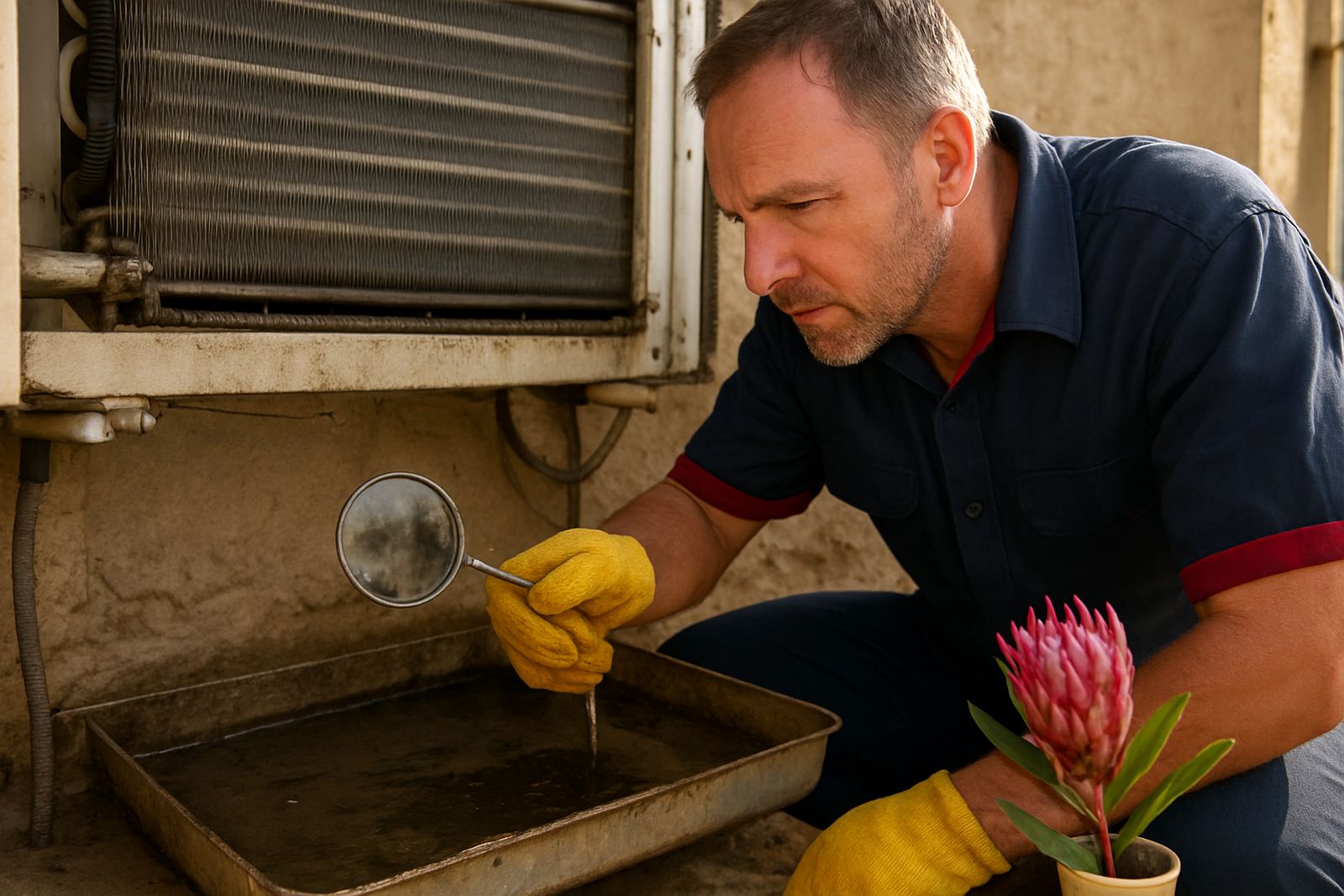
The usual causes are simple. Dust from loading bays and farm roads gets pulled into the coil, mixes with moisture and forms sludge. In food rooms, fat vapour and packaging dust stick to the tray. In coastal areas, salt and damp air help corrosion start sooner. Then one small blockage can become a bigger problem, especially when the site is busy and nobody notices the drip until there is pooling water.
- Blocked drain tray from dirt, grease or rust flakes
- Flat or lifted pipe run that holds water
- Missing or dry trap that lets air fight the flow
- Slime growth in warm, damp conditions
- Debris after building work or filter changes
What you will see before the drain fails
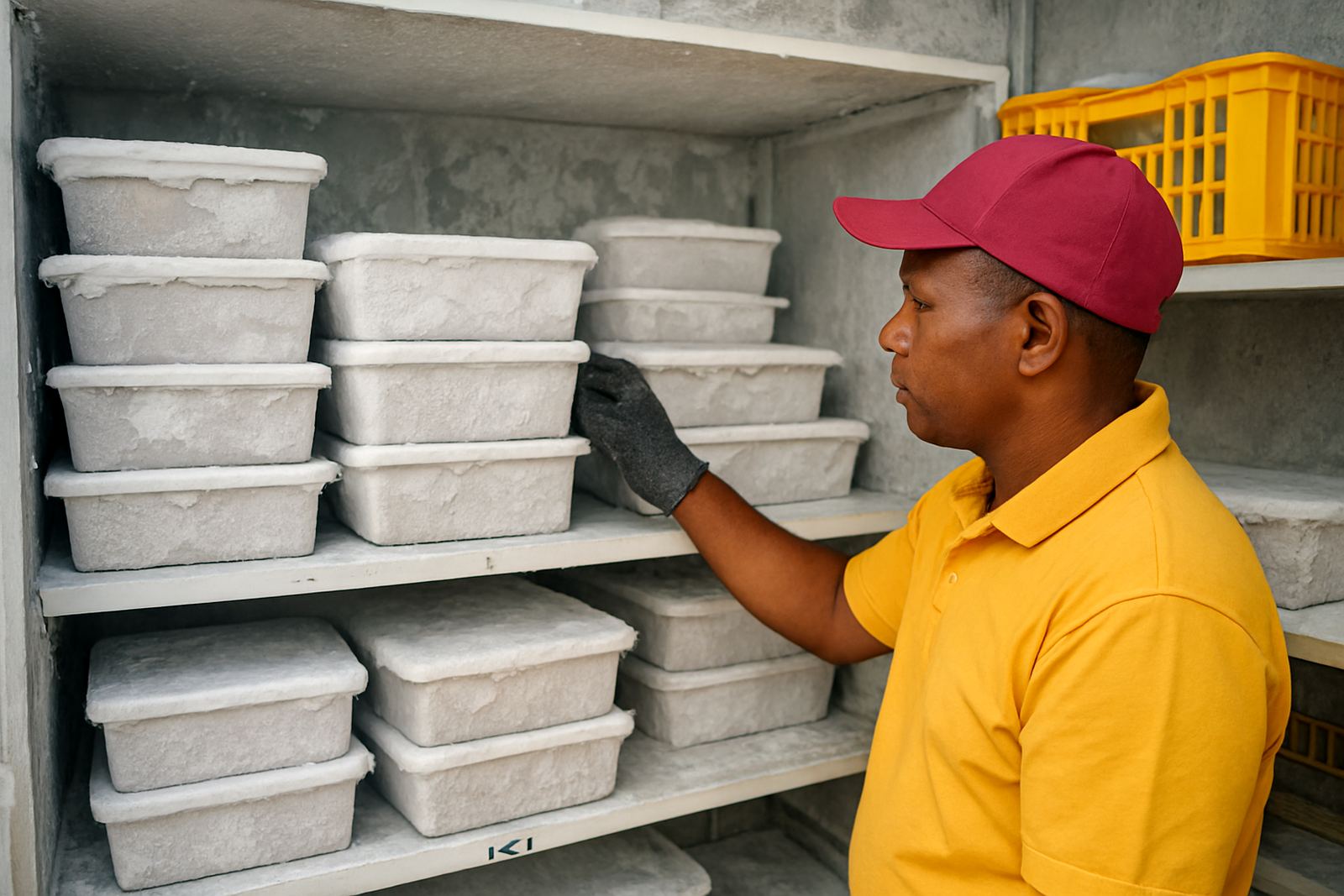
Most blocked drains give warning signs. The first sign is often a smell, then a drip, then water marks around the unit. On some cold rooms the fan starts making a light splashing sound because water is sitting in the tray. If the evaporator starts icing up more often than usual, the drain may already be partly blocked and the ice is not melting away fast enough.
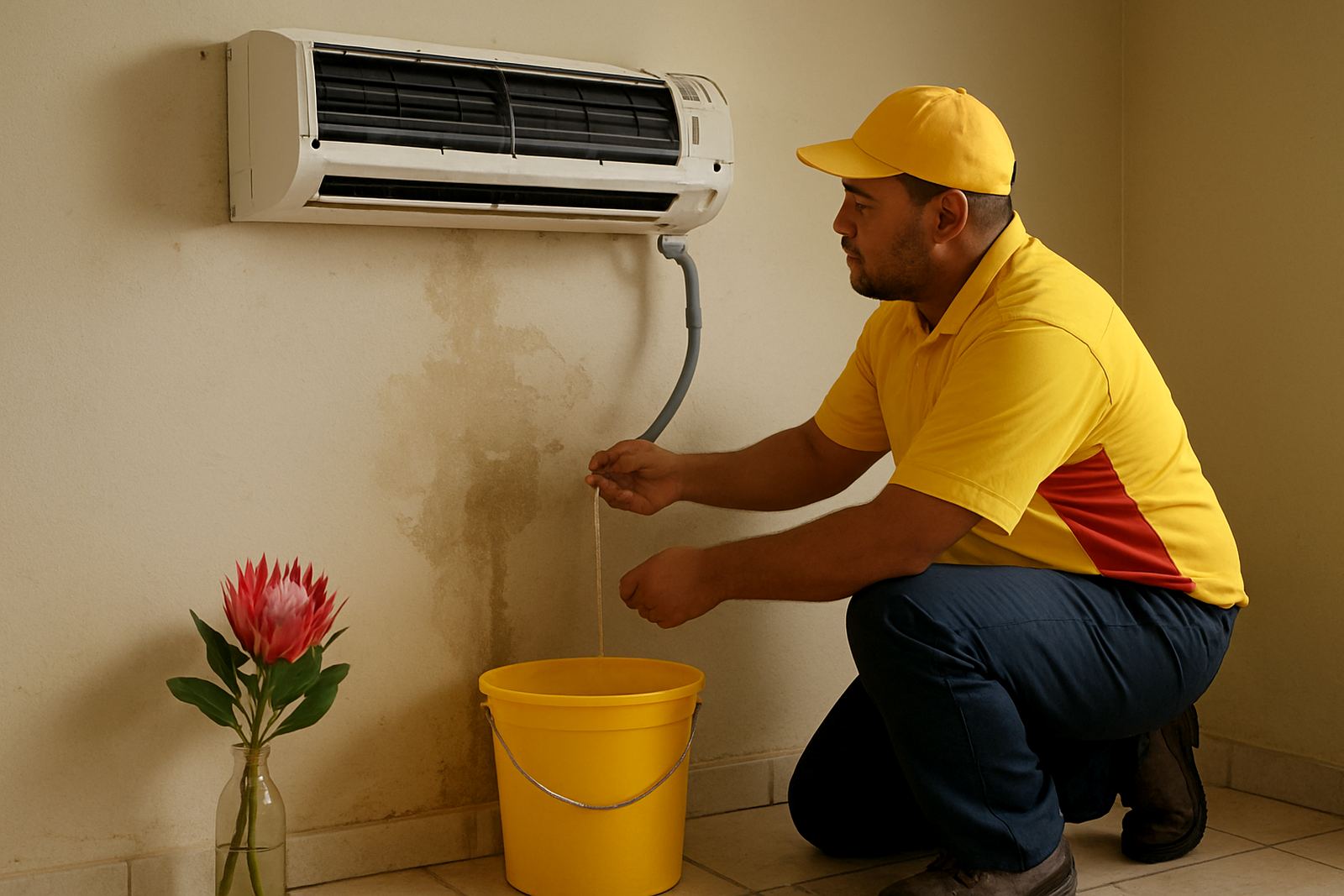
On aircons, a blocked drain usually shows up as water running down a wall or dripping above a doorway. On cold rooms, the problem can be harder to spot because the water may be trapped behind panels or on the floor under boxes. By the time the site manager notices, the slippery surface has already become a safety risk. It is not just a mess issue, it can affect stock, staff movement and in some cases product temperatures too.
- Wet patches below the indoor unit
- Ice on the evaporator that returns after defrost
- Musty smell near the ceiling or panel line
- Overflow marks on a drip tray or insulation
- Water on the floor after long weekends or load-shedding
Why Western Cape sites get more drain trouble than they expect
We see the same pattern from Cape Town to Paarl, Malmesbury and Vredenburg. Coastal humidity keeps things damp for longer, so slime forms faster inside the drain line. In the Winelands, dust and pollen are a problem in harvest months and during windy days. On farms and small distribution sites, units often run hard with doors opening and closing all day, which means more moisture and more debris in the system.
Load-shedding adds another layer. When power cuts and starts again, temperature swings can cause extra condensation. If a cold room warms up, then pulls down again, the drain has to handle more water than usual. If the site has a poorly maintained trap or a line that runs too flat, that extra water can sit in the pipe and start the blockage cycle. A small mistake in installation can stay hidden for months, then show up during the hottest week of summer.
One Paarl shop we attended had the same puddle returning every Friday. The drain was not fully blocked, just slow. After we cleared the line and corrected the slope on a short section, the drip stopped. The owner had assumed the unit was failing, but the real issue was a half kinked pipe behind a ceiling panel and a tray full of fine dust.
What can be done between services
Sites do not need to wait for a breakdown before taking action. Basic checks by staff can keep drains open for longer and help a technician find problems quicker during a service visit. The key is to look for changes, not just failures. A little attention each week can prevent a blocked line from turning into a call-out during trading hours.
- Keep filters clean so less dust reaches the coil and drain tray
- Check for water under units after long operating hours
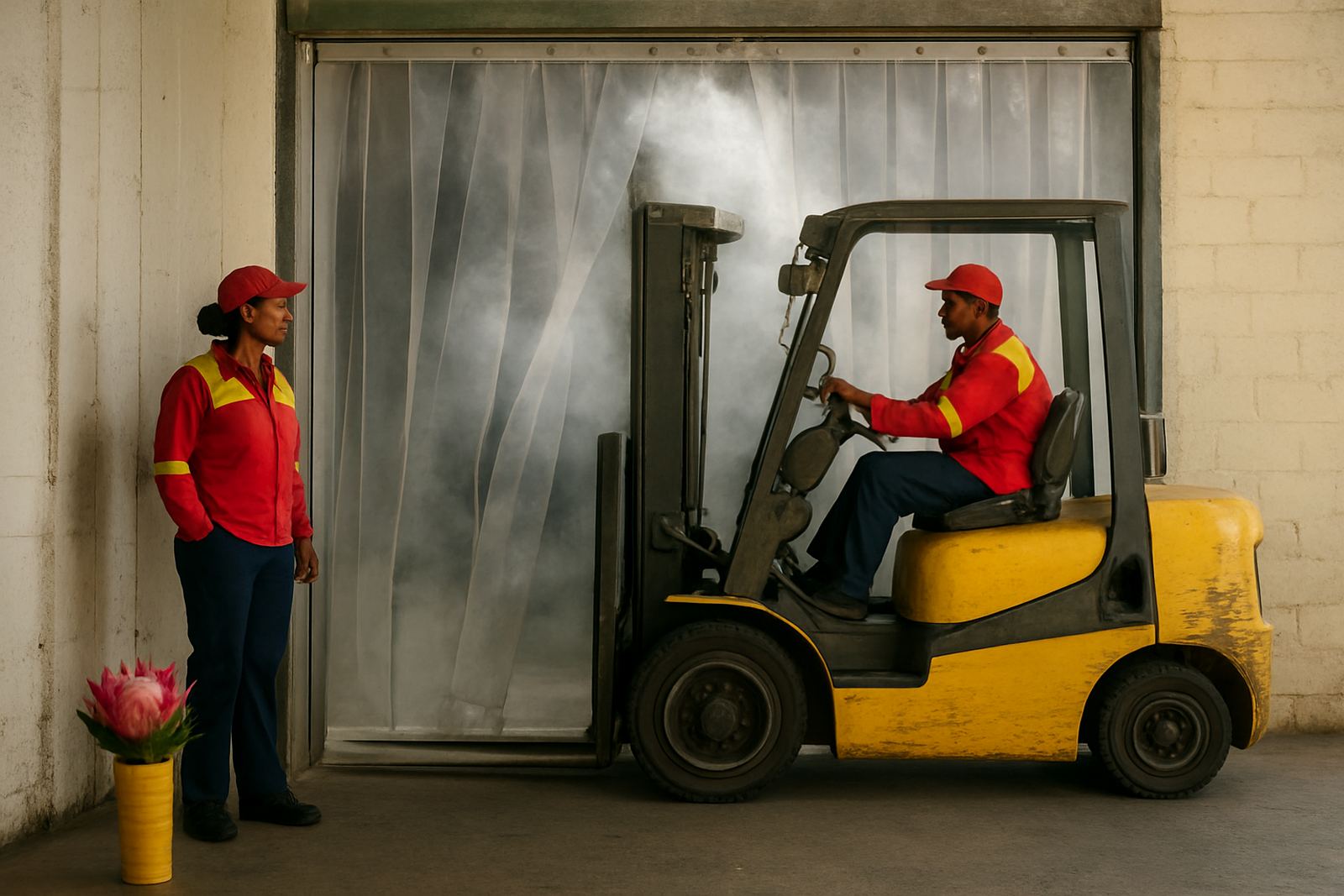
- Make sure door seals close properly and reduce moisture load
- Keep the area around the unit clear so leaks are spotted early
- Report repeated icing, smells or drips before stock is affected
If a site is using a cold room, staff should also avoid leaning stock against the evaporator or blocking airflow. Poor airflow leads to uneven icing and more melt water. That extra water has to go somewhere, and if the drain is already slow, it can overflow during the defrost cycle. For aircons in offices, shops and small workshops, the same rule applies. Clean air and clear airflow reduce the chance of messy water on ceilings and floors.
What proper drain servicing includes
Drain work should be more than a quick flush. A proper service includes checking the fall of the pipe, testing the trap, clearing the tray, looking for algae or scale, and making sure insulation is not holding hidden moisture. In cold rooms, the technician should also check the defrost settings, fan operation and the condition of the coil. If one of those parts is off, the drain can clog again soon after cleaning.
At Kenny Cape West, we handle planned maintenance, emergency call-outs, cold-room servicing and aircon servicing across Cape Town, Montague Gardens, Stellenbosch, Paarl, Malmesbury and Vredenburg. For shops and farms, the best time to deal with drain trouble is before it becomes a slip hazard or a stock loss. A clear drain line is cheaper than replacing wet ceiling board, damaged insulation or spoiled goods.
When to call out a technician
Some sites can manage the basics, but certain signs mean the problem needs proper attention. If the drain blocks more than once in a season, there may be a slope issue, hidden dirt in the line or a drain pan problem. If water is freezing in the tray, the unit may have an airflow issue or a control setting that needs to be checked. If the same room keeps smelling damp, there may be mould growth inside insulation or behind panels.
For businesses that cannot afford downtime, regular maintenance is the safer route. It helps catch drain problems before they interrupt trading, create safety issues or trigger a refrigeration fault at the worst possible time. If your unit is dripping now or a cold room floor keeps getting wet, send the details and we will advise on the next step.
Callouts can be arranged through callouts@kennycapewest.co.za.