Start with the rooms that carry the most value
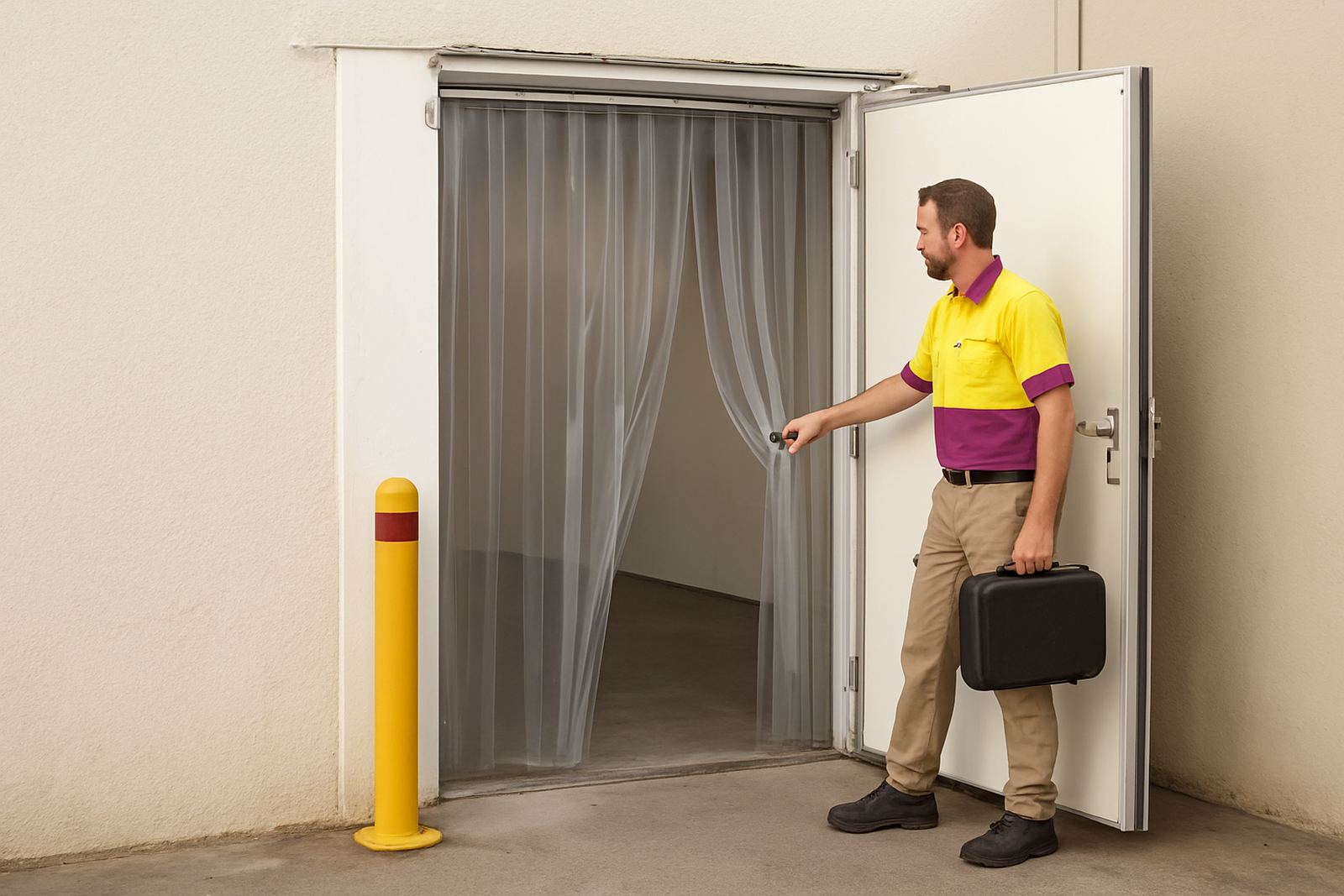
Before the first extra pallets arrive, walk the cold room, packhouse and storage areas with a clear eye. The aim is simple, keep product temperature steady while doors open more often and staff move faster. In the Western Cape, that means thinking about warm afternoons in Paarl, damp coastal air near Vredenburg and the stop-start power supply that still catches people out during busy weeks.
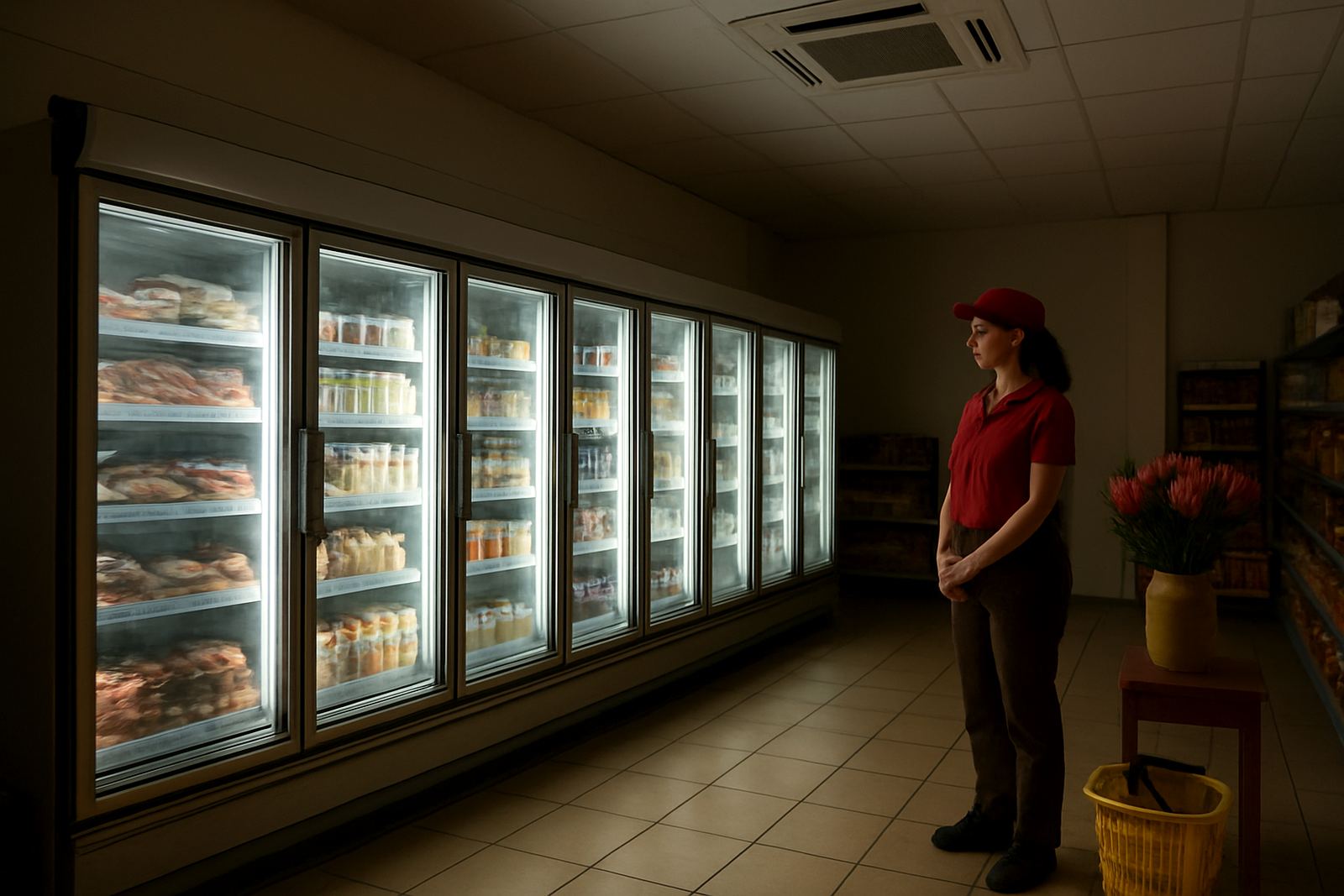
Check whether each room is reaching the set temperature within a normal pull-down time. If it is taking longer than usual, the plant may already be struggling. Look for frost on evaporators, water under the unit, warm corners near the door and any panel gaps where air is leaking out. A small seal problem can turn into a costly one once harvest volumes rise.
- Confirm set-points for each room and label them clearly.
- Check door closers, seals and strip curtains for wear.
- Make sure lights, fans and alarms are working before peak use.
- Clear the area around the condenser so air can move freely.
Do a proper clean before the dust and lint build up
Coil cleaning is not cosmetic work. Dirty condenser coils push pressures up, increase running time and can shorten compressor life. In farm areas and around loading bays, dust, cardboard fibres and crop debris collect quicker than most people expect. If the unit is also close to the coast, salt in the air can add another layer of trouble.
Drain clearing matters just as much. A blocked drain can overflow into a room, stain packaging and make a slip hazard right where staff are carrying crates. During harvest, small water issues are often ignored until they become a shutdown. It is better to clear them before the room starts running at full load.
- Wash condenser and evaporator coils with the correct method for the unit.
- Check drain pans and traps for sludge, algae and loose dirt.
- Inspect fan motors and blades for damage or wobble.
- Clean around the outdoor unit so grass, leaves and sand do not choke airflow.
Test for leaks before gas loss becomes a panic repair
Refrigerant leaks are easy to miss when the system still seems to be cooling. By the time a room is getting sluggish, the plant may already be under strain. Leak detection should be part of every harvest-season plan, especially on systems that have had vibration, pipe work movement or previous repairs. Older sites in Montague Gardens and Cape Town industrial areas often have equipment that has seen many summers and a few rough load-shedding cycles.
Watch for oil marks on joints, unexplained ice on lines and repeated top-ups that never seem to last. If a system needs gas more than once in a season, the leak is still there. Finding it early keeps the room steadier and helps avoid waste. Also, poor charging can hide other faults, so a proper pressure check is worth the time.
- Inspect joints, valves and service ports for oil staining.
- Check line insulation for splits, tears and sun damage.
- Compare running pressures with normal operating values.
- Record every top-up or repair so repeat faults are easy to spot.
Protect product with logging and a clear paper trail
Temperature logging is more than a compliance box. It helps you see patterns before they become losses. If one room drifts at night, or takes too long to recover after loading, the log will show it. That matters for fruit, dairy, meat and mixed stock, and it matters even more when staff are busy and nobody has time to guess what happened at 3 am.
Keep the records simple and easy to read. Note the room number, set temperature, actual temperature and the time checked. If a door is left open too long or a load comes in warmer than expected, write it down. This helps when you need to explain product condition to a customer, a packhouse manager or a farm owner.
- Check and record temperatures at the same times each day.
- Flag rooms that take longer than normal to recover after loading.
- Keep service reports with the temperature logs in one file.
- Mark any alarm trips, power interruptions or unusual noise immediately.
Aircon in offices, packing areas and staff spaces still needs attention
Aircon servicing often gets pushed behind the cold room work, but it still affects the way a site runs. Staff comfort matters in a packing shed, office and dispatch area, because tired people make mistakes and work slower. During hot spells, small systems work harder and fail sooner if filters, drains and coils are neglected.
For stores and farms in Stellenbosch, Malmesbury and Paarl, seasonal start-up should happen before the hottest days arrive. Test cooling, check drainage and listen for rattles or weak airflow. If the unit is noisy or cycling too often, it may be low on gas or have a fan problem. Do not wait until the first heatwave to find out.
- Clean filters and check indoor airflow.
- Inspect drain lines so condensate does not drip onto floors or stock.
- Test thermostats and remotes for correct response.
- Confirm that outdoor units are not blocked by shade cloth, weeds or stored material.
Build a harvest-week plan with your service team
Planned maintenance works best when it is timed around real trading pressure, not around a calendar alone. Before the season starts, agree on which rooms are critical, what can be serviced after hours and what needs immediate attention. If the site loses power often, arrange shutdown preservation so compressors, contactors and control panels are protected before the next interruption.
For busy shops and farms, a good plan should include emergency call-outs, regular checks and fast access to a technician who knows the site. That is especially useful when the first warm week lands and everyone suddenly needs cooling at the same time. A short visit now can prevent a long stop later.
- List every cold room, aircon unit and backup system on one schedule.
- Set service dates before harvest volume rises.
- Keep spare parts, lamps and fuses on site where practical.
- Make sure the right contact person can authorise work quickly.
If you are working from Cape Town to the West Coast and the Winelands, the safest time to sort cooling is before the rush starts. Kenny Cape West handles planned maintenance, emergency call-outs, cold room servicing and aircon work from Montague Gardens, with support for sites in Cape Town, Stellenbosch, Paarl, Malmesbury and Vredenburg. For harvest-season checks or a service plan, email callouts@kennycapewest.co.za.