Why a proper service history saves hours on the second fault
Most refrigeration and aircon faults do not appear out of nowhere. A compressor that trips in summer, a cold room that holds 4 C in the morning but creeps up by afternoon, or an aircon that loses gas twice in one season usually has a pattern. A service record gives that pattern shape. It tells the technician what was cleaned, what was changed, what temperatures were logged and whether the drain line was already slow before the breakdown.
On a busy site in Montague Gardens or a farm outside Paarl, that matters because time is money. If the record shows a blocked condenser coil in December and a high head pressure fault in February, you are not starting from zero. You are checking the same chain of causes, and that shortens the fault-finding process. It also stops small issues from turning into a full shutdown.
What should be written down after every visit
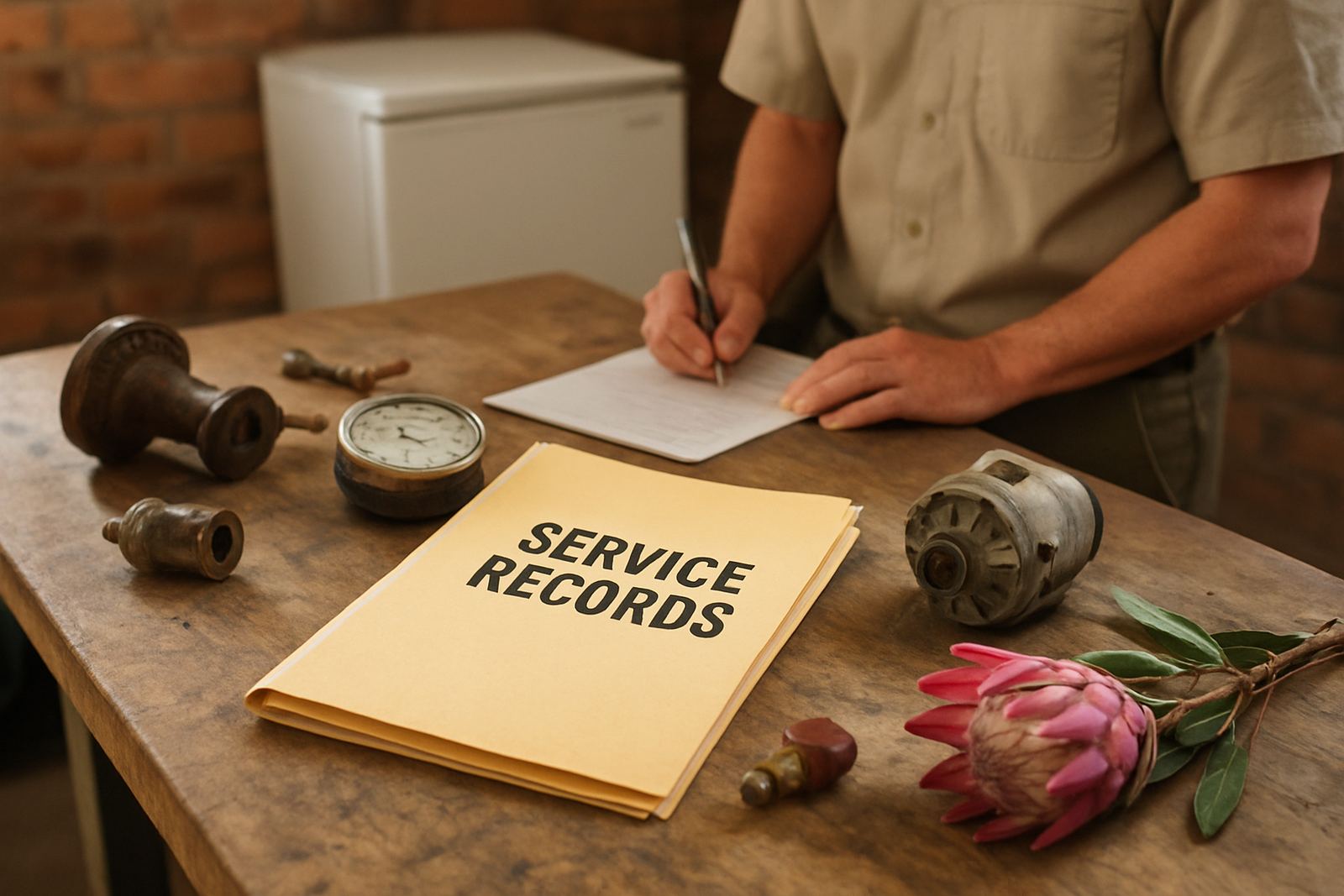
A useful record does not need to be fancy, but it must be clear and complete. If the notes are thin, the history becomes nearly useless by the next season. The best records include the date, site name, unit location, the person who attended, and exactly what was done. If a thermostat was adjusted or a contactor was replaced, say so. If the call was only a drain clearing and coil wash, say that too.
- Unit type and location, for example walk-in cold room, shop freezer, split aircon or package unit
- Temperatures taken before and after the service
- Gas leak findings, repairs made and any follow-up needed
- Filter, coil and drain condition
- Power issues, trip history and load-shedding impact
- Parts used and any temporary fixes still in place
Even a short note about dirty filters or a salt-air build-up on a coastal site can help the next visit. A little detail now can save a lot of head scratching later.
How records help with cold rooms, shops and farms
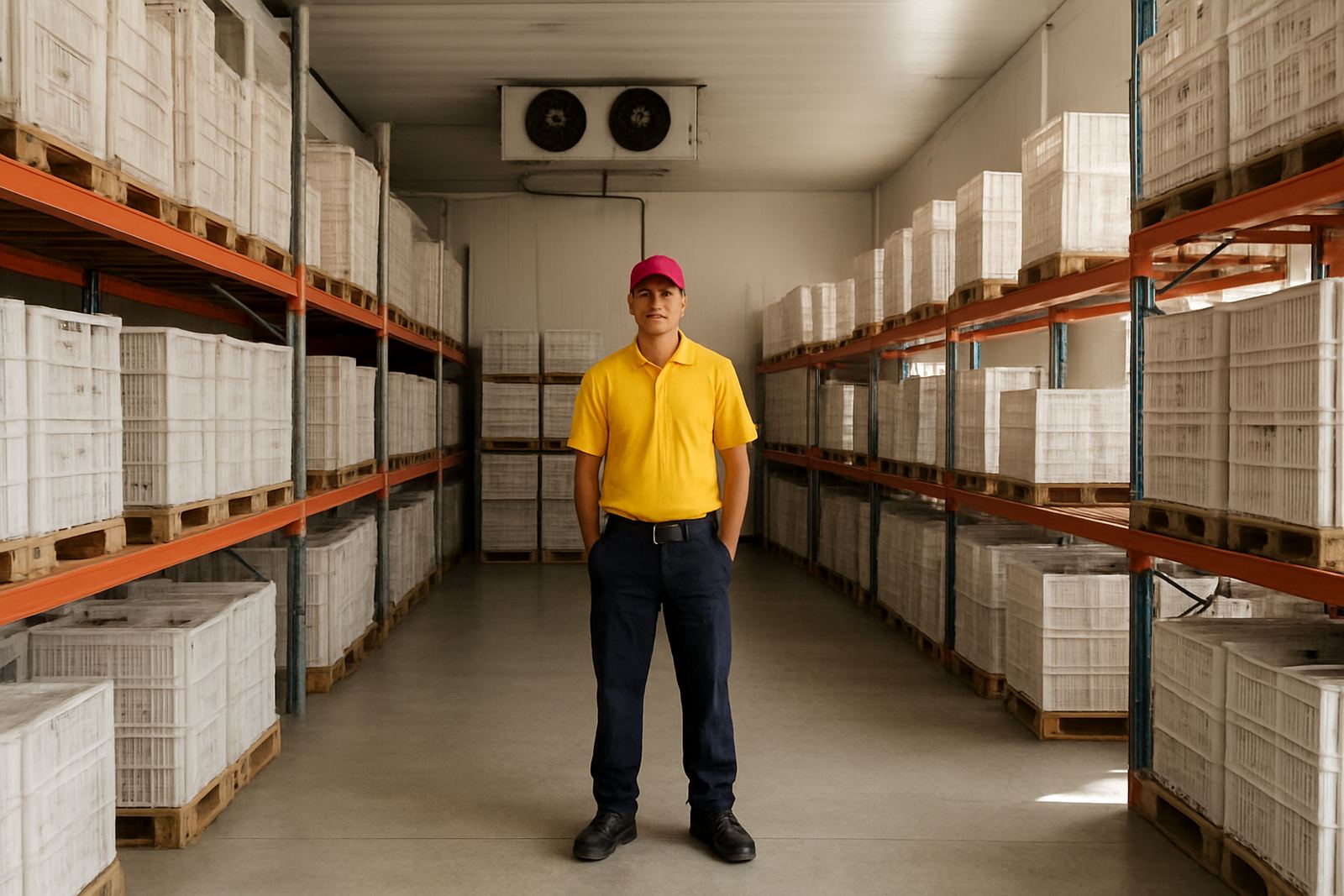
Cold rooms on farms around Stellenbosch and Malmesbury face different pressure to a deli chiller in Cape Town or an aircon in a shop on the West Coast. The working environment changes the fault pattern. Coastal humidity can speed up corrosion. Dust from yard traffic can load coils fast. Frequent door openings in retail push compressors harder. If the site history shows that the same room struggled every time the ambient temperature climbed above 30 C, the fix is usually not guesswork.
For farms, records are especially useful during shutdown preservation. If a cold room is switched off between seasons, the notes should say how it was cleaned, dried and protected. That way, when it starts up again, you know whether a gasket failure, drain blockage or ice build-up was already there before the shutdown. Without that paper trail, technicians often waste the first visit checking things that were already ruled out months earlier.
A Western Cape example: from repeat breakdown to clear cause
We see this often on mixed-use sites from Cape Town through to Vredenburg. A small supermarket had a cold room that kept losing temperature every few weeks. The first repair covered the immediate symptom, but the notes were brief and no one logged the condenser condition or the room temperature trend. By the third call-out, the pattern was plain. The coil was clogging with dust, the drain was backing up, and the unit was cycling harder than it should have been during load-shedding windows.
Once the site service record was kept properly, the team could match each fault to the weather, service interval and cleaning history. The next plan was not a panic repair. It became coil cleaning, drain clearing and scheduled temperature logging before the holiday trade. That changed the result and cut the repeat visits.
- Early warning signs were linked to specific dates
- Service intervals were adjusted before peak trading
- The client could see why the fault kept returning
Records that matter during load-shedding and power dips
In the Western Cape, power interruptions can confuse the picture. A unit may appear faulty when the real issue is a voltage dip, delayed restart or frequent cycling after power returns. If the service note records the outage time, restart behaviour and any alarm codes, it becomes far easier to separate electrical stress from a true mechanical fault. That is important for shops, packhouses and small restaurants that cannot afford wrong assumptions.
Temperature logging is one of the most useful habits here. If a cold room holds spec before an outage but drifts 2 C to 3 C afterwards, the record gives a clean timeline. If the room never recovers, the technician knows to look at gas charge, airflow or defrost problems. No need to chase the wrong part first.
What a good maintenance contract should leave behind
A maintenance contract should not only keep equipment running. It should leave behind a clear record of what was inspected and why. That history helps the next technician, helps the owner and helps staff on site who need to know what was done before they call for help again. If a site moves from one season into the next with proper records, planning service becomes much easier.
For planned maintenance, our team in Montague Gardens keeps notes on coil cleaning, drain clearing, fan condition, door seals, temperature checks and any abnormal wear. For emergency call-outs, the record should show the fault as found, not just the fix. That difference matters when a unit gives trouble again two months later and everyone needs the facts, not memory.
- Keep one file per site, not one loose note per visit
- Store temperature logs with the service report
- Record any follow-up date before the technician leaves
- Make sure the farm manager or store supervisor gets a copy
Why older notes are still worth keeping
It is tempting to throw out old service slips once the machine is running again. That usually causes trouble later. A two-year record can show that a repeated fault only starts after winter shutdown, or that a condenser has been cleaned three times but the airflow problem never changed. Older notes help separate one-off events from a real recurring fault.
For businesses across Cape Town, Stellenbosch, Paarl, Malmesbury and the West Coast, that history is practical. It supports warranty discussions, helps with budgeting and gives the technician a proper starting point. The next time a unit acts up, the story is already there. And that is often the fastest way to the answer, even if the answer is not pretty.