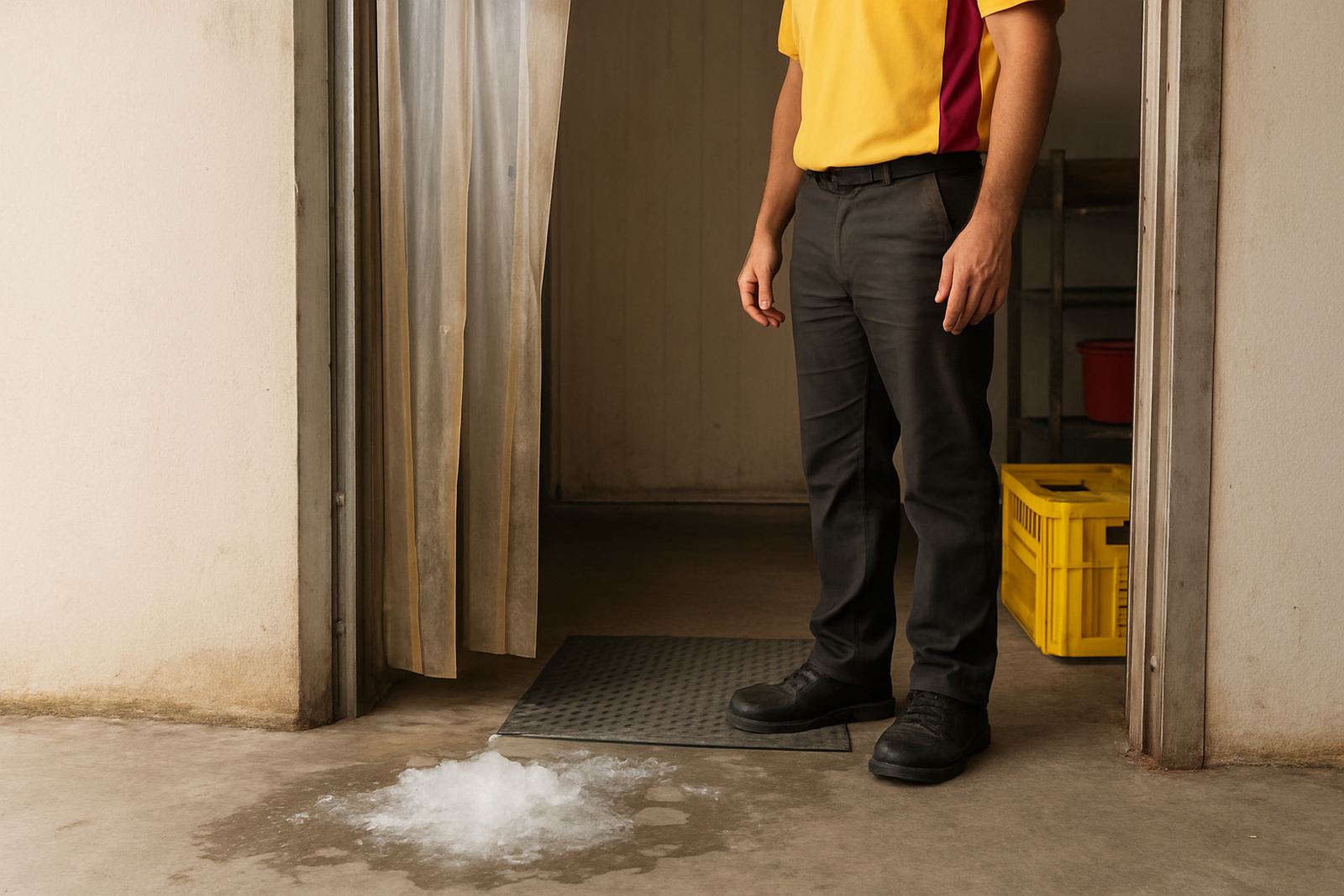
Why holiday prep matters before the first hot week
In the Western Cape, holiday trading can mean longer trading hours, more foot traffic, more door opening and hotter days exactly when systems are under pressure. A cold room that has been fine through winter can struggle once December arrives, and an aircon unit that was just coping in spring may start short cycling when the shop fills up. Waiting until the first failure usually means spoiled stock, staff discomfort and a rushed repair when technicians are busiest.
We see this every year from Cape Town to Paarl and Malmesbury. Businesses that plan ahead usually only need minor corrections, but the ones that leave it too late often face blocked drains, dirty coils, low gas, or fans that have been running harder for months. Holiday prep is not a fancy extra. It is basic protection for trading income.
Start with the systems that fail first in heat and load-shedding
Before the season starts, check the equipment that carries the biggest risk when temperatures rise or power supply dips. For many sites that means cold rooms, bottle coolers, split aircons and any refrigeration used for fresh produce, dairy, meat or drinks. A unit that is already weak will not recover well if the power trips and comes back several times in one day.
- Test all cooling equipment under normal trading conditions, not just when the shop is quiet.
- Look for ice build-up, warm spots, short running cycles and noisy fans.
- Confirm that doors seal properly and that staff are not propping them open.
- Check that generators or backup plans are ready for load-shedding periods.
- Make sure thermostats and temperature displays are accurate enough for your stock needs.
For cold-chain work, even a short period above spec can matter. A farm packing room near Stellenbosch may only lose a few degrees on paper but that can still affect holding time and product quality. The earlier the check, the more time there is to sort it before trading gets busy.
Clean coils, drains and filters before they choke airflow
Coils and filters carry a lot of the trouble we find on holiday call-outs. Dust from roads, leaves, kitchen grease and coastal air all build up over time, especially around Cape Town and the West Coast where salt and moisture are part of daily life. If the coil is dirty, the unit works harder and draws more power. If the drain is blocked, water ends up where it should not be, often right on the floor or into stock areas.
That is why coil cleaning and drain clearing should be part of holiday trading prep, not an afterthought. In some premises we find the drain line partly blocked with slime and dust, then the first hot spell pushes the water back into the ceiling or down the wall. It is a small fault until it becomes a shutdown problem.
- Wash or replace filters on the normal service schedule.
- Clear condensate drains and check for slow flow.
- Inspect coils for dust, grime and salt deposits.
- Confirm fan motors and blades are clean and turning freely.
- Check insulation on pipework and repair damaged sections.
Cold-room checks for shops, butchers and farm packhouses
Cold rooms need special attention because they protect stock that cannot just be moved to another shelf. For shops, farms and food-handling sites, the best holiday prep includes temperature logging, door checks, insulation checks and a look at how the room is being used during busy periods. If staff are opening the room every few minutes, loading habits may need to change before the rush begins.
A cold room in Vredenburg or Malmesbury may face different conditions from one in central Cape Town, but the same rule applies: do not wait for a failure to tell you there was a weak point. Check the defrost cycle, inspect hinges and seals, and confirm that the room is holding steady at the right temperature through the hottest part of the day. If the readings drift, the cause should be found and fixed early.
Holiday trading also puts pressure on loading patterns. Stock brought in warm, overpacked shelves and blocked return air grilles can all make a good system underperform. A proper maintenance visit should catch those issues before they turn into losses.
Plan for power cuts and shutdown periods, not just peak sales
Seasonal trading is not only about running hard. It is also about what happens when the site closes for a few days or when supply is interrupted. Shutdown preservation matters for premises that will be closed over Christmas or used at reduced capacity. If equipment is left dirty or damp, you often return to blocked drains, bad smells or corrosion.
For sites expecting load-shedding, the prep should include a clear restart plan. Staff should know which units must come back on first, which doors must stay closed and who to call if the system does not recover properly. This is especially useful for businesses in the Winelands or on the West Coast where travel time for emergency support can be longer than people expect.
- Record normal temperatures before the holiday period starts.
- Keep a simple call list for after-hours faults.
- Label isolated switches and key equipment positions.
- Protect unused units during shutdown with cleaning and dry-down.
- Check that maintenance records are up to date for every major unit.
A practical Western Cape example from a busy retail site
One common pattern is a shop that runs smoothly through winter then starts struggling in December after weeks of hotter afternoons and more door opening. In one Cape Town site, the aircon was still cooling but not well enough for peak foot traffic. The filters were loaded with dust, the drain line was slow, and the condenser coil had not been cleaned in months. The cold room was also drifting because the door seal was worn and staff were leaving it open while restocking.
Once the maintenance work was done, the room held temperature better, the aircon recovered faster, and the manager had fewer complaints from staff and customers. Nothing about the fix was dramatic. It was just the right checks done before the pressure hit. That is the point of holiday trading prep. Small faults are cheaper and easier to handle before they become urgent.
How to schedule service without disrupting trading
Most businesses do best when maintenance is planned around quiet trading times, early mornings or after closing. That way the team can work through planned maintenance, leak detection, coil cleaning and temperature checks without interfering with customers. For larger sites, it also helps to keep one person from the business available to show access points, stock risks and any recent problems. A bit of coordination saves a lot of time.
If you manage more than one branch, it is worth working through them in order of risk. A food store in Stellenbosch may need a different schedule from a farm packhouse outside Paarl or a retail outlet in Montague Gardens. The aim is simple: keep cooling steady, keep stock safe and avoid call-outs during the busiest weeks of the year.
For holiday trading prep across Cape Town, the Winelands and the West Coast, a proper inspection before the rush is usually the cheapest part of the season.