Why a small gap becomes a bigger cold room problem
A door seal is meant to close out warm air, dust and moisture every time the door shuts. Once the rubber hardens, tears, flattens or pulls away from the frame, the system has to work harder to hold temperature. That extra effort shows up first as longer running times, then as product sitting a degree or two off target and then as icing around the doorway, fan covers or floor edges.
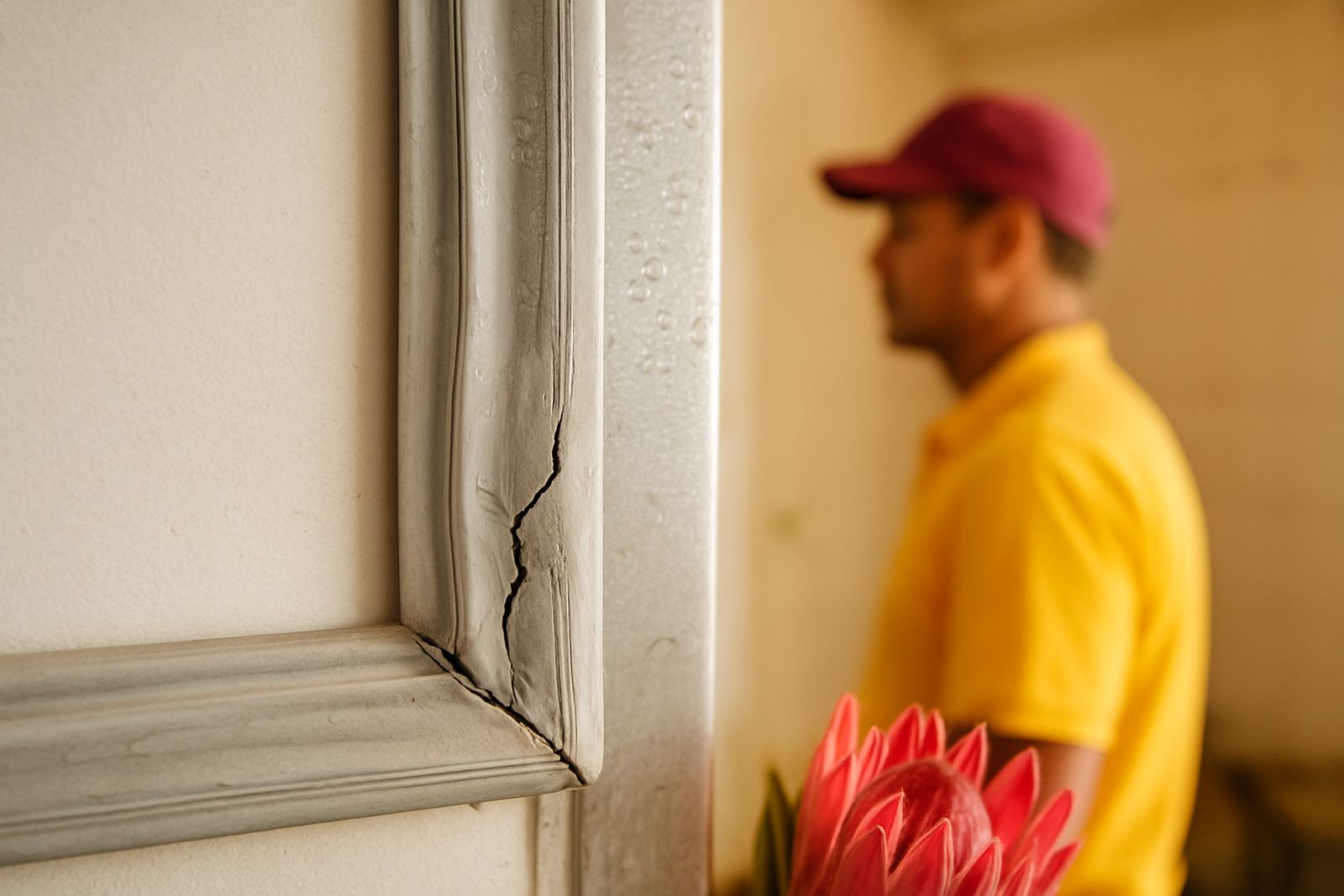
In Cape Town and the Winelands, where humidity can change quickly from one day to the next, a weak seal often lets damp air into the cabinet. When that moisture meets a cold surface, it freezes. You may see frost on the inner edge of the door, water on the threshold or a seal that sticks because it has started to split and collect grime.
Signs the seal is no longer doing its job
Some faults are obvious, but many are missed until stock starts warming up or the compressor cycles far too often. A good check should happen during routine maintenance, especially before summer, after heavy use, and after any door has been forced shut with crates or trolleys in the way.
- Cold air feeling around the door edge when the unit is closed
- Visible gaps, cracking, flattening or loose corners on the rubber
- Frost building on the frame or around the latch side
- Water pooling near the threshold after defrost cycles
- Door not closing fully because hinges are sagging or the seal is twisted
- Higher electricity use, with the plant running longer than usual
If a seal is dirty but still flexible, cleaning may help. If it has gone hard, split or deformed, cleaning will not solve it. That is when a proper replacement or door adjustment is needed.
How moisture gets in and icing starts
Warm air carries moisture. When that air enters a cold room, the moisture drops out as water or frost. If the seal is not closing evenly, the leak may be small but constant, and that is enough to create a problem over time. Ice then forms at the weakest point, usually the bottom edge, corner joins or any section where the seal no longer touches the frame.
This matters for both refrigeration and aircon equipment. On cold rooms, icing can interfere with airflow, reduce the effective storage space and put strain on the evaporator. On service counters and display fridges, the same issue can make the door stick, mist up the glass or leave food too close to the temperature limit.
Where salty coastal air is part of daily life, seals can age quicker because they are exposed to moisture and fine grit. In places like Vredenburg and along the West Coast, we often see seals wearing unevenly because doors are used all day and cleaned often with chemicals that slowly dry the rubber out.
What to do before a seal failure damages stock
Do not wait until the room is fully iced over or the product has started warming. A quick inspection can prevent a call-out later in the week. Check the door while it is cold, then run a hand around the edges to feel for air leaks. Look at the hinge side, latch side and bottom rail because that is where movement usually shows first.
- Clean the seal with warm water and a mild cleaner
- Make sure no labels, debris or packaging is stopping a full close
- Check hinges, latches and door alignment
- Inspect the seal for hard spots, splits or stretched sections
- Test whether a sheet of paper pulls out too easily from the closed door
If the door is out of line, replacing the seal alone may not last. The frame or hinge set-up may need adjustment first, otherwise the new seal will wear the same way. That is why a proper inspection is better than a quick patch job.
A practical example from a farm outside Paarl
A fruit packhouse outside Paarl called after noticing frost around the cold room door and a few trays of produce sitting too warm by the end of the shift. The problem was not the compressor. The lower seal had gone flat on one side, and the door was catching slightly because the hinges had dropped under regular use. Cold air was escaping every time staff went in and out, while damp air was getting back in and freezing at the threshold.
Once the seal was replaced, the hinges set correctly and the area cleaned properly, the icing eased and the room started holding temperature again. The staff also adjusted their opening routine, so the door was not left ajar while stock was being sorted. Small changes made a big difference, and the plant stopped cycling so hard. That is the point with door seals: the fault looks minor, but the effect can spread through the whole system.
Maintenance that keeps seals working longer
Door seals last longer when they are kept clean, checked and protected from rough handling. On shops, farms and storage rooms around Cape Town, Stellenbosch and Malmesbury, we normally recommend seasonal checks before the warmer months and again after heavy trading periods. That is also a good time to look at temperature logs, drain clearing and coil cleaning so one small fault does not hide behind another.
- Include seals in planned maintenance visits
- Record any frost, moisture or temperature drift early
- Keep doors free of product knock damage and bucket handles
- Use correct cleaning products that do not dry the rubber
- Replace worn seals before they start affecting stock quality
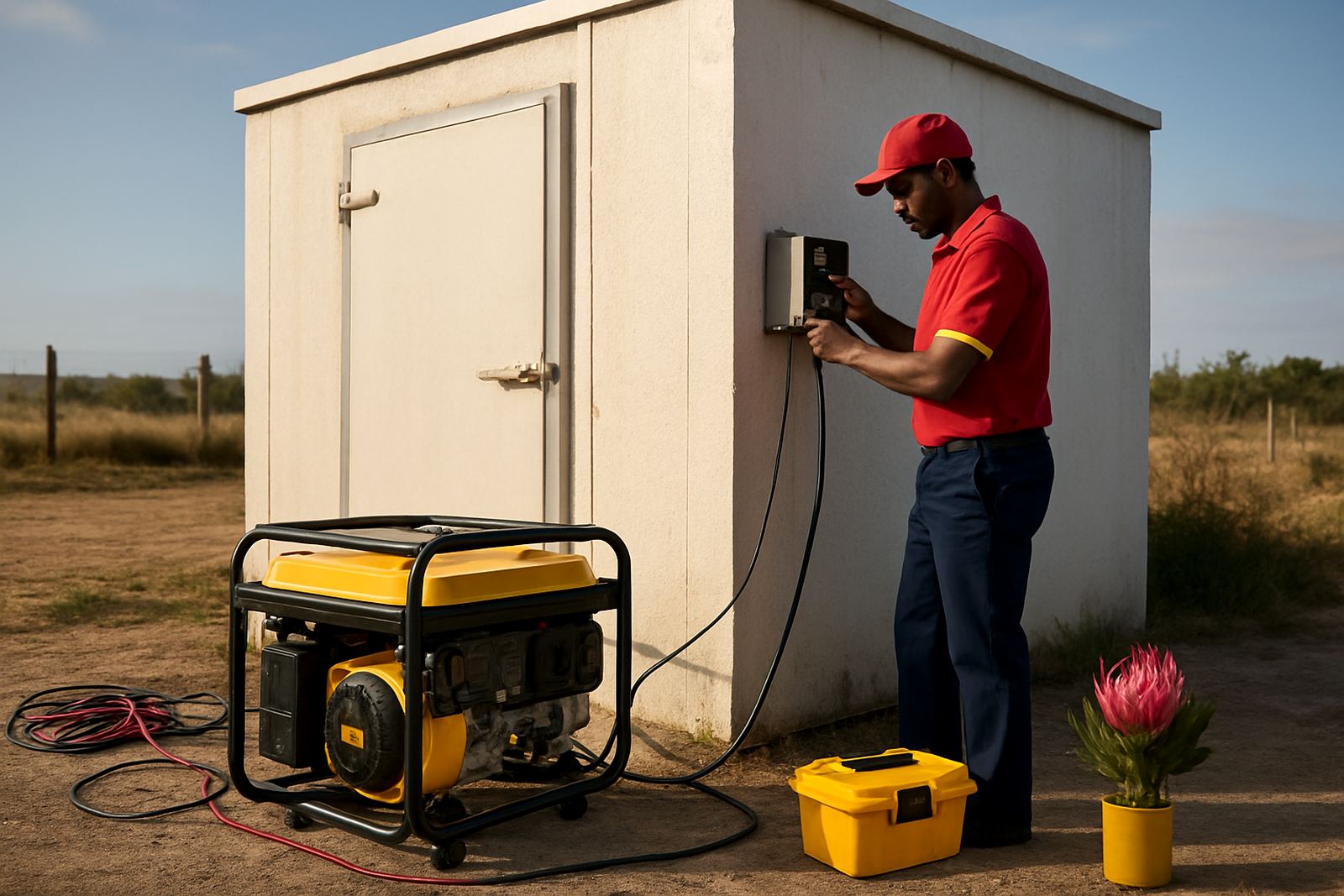
At Kenny Cape West, our team handles cold-room servicing, aircon servicing, leak detection, temperature logging and emergency call-outs across the Western Cape. Based in Montague Gardens, we work through Cape Town, the Winelands and the West Coast, including Stellenbosch, Paarl, Malmesbury and Vredenburg. If a door seal is causing temperature loss, moisture or icing, it is worth getting it checked before the next load of stock comes in.