What a walk-in freezer is and why it suits local businesses
A walk-in freezer is a insulated room fitted with a freezer system, so staff can store frozen goods at the correct temperature and access stock without lifting boxes in and out of small cabinets. It is used for meat, poultry, seafood, veg, dairy, baking items, ice and prepared food, and it suits shops, farm packhouses, butcheries, small wholesalers and guest properties that need steady frozen holding.
In the Western Cape, these rooms need to cope with load-shedding, summer heat, coastal humidity and dusty service yards. A proper unit does more than make cold air. It must keep temperature stable, stop frost build-up and recover quickly after door openings. That is why planning the room size, door position and system capacity matters from the start.
Sizes, layouts and common build options
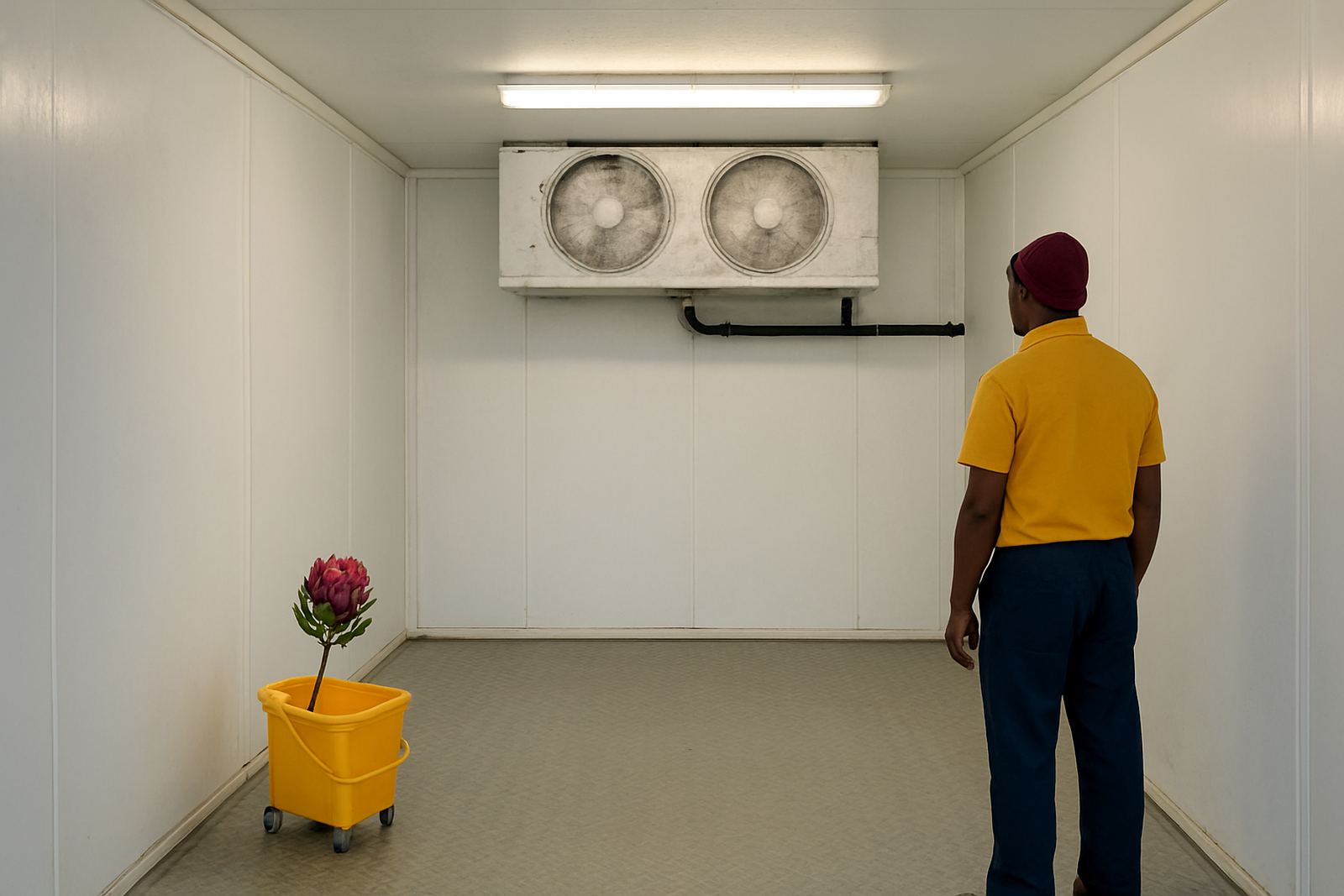
Walk-in freezers can be built to suit a small back room or a larger bulk store. Typical small rooms start around 2 m x 2 m, while larger store rooms may run from 3 m x 4 m upward depending on product volume and traffic. Ceiling height is usually matched to the building, often between 2.1 m and 2.7 m, but higher rooms can work if the insulation and refrigeration layout are planned properly.
Most units are supplied as modular panels with insulated flooring where needed. You can choose a solid door or a sliding door, and a sight glass, digital controller and internal safety release are standard checks on a professional install. For sites with heavy trolley use, a reinforced floor and proper threshold detail help prevent damage. On farms, extra attention is needed for level surfaces and drainage around the room, especially when wash-down happens nearby.
- Modular panel thickness based on duty and ambient conditions
- Insulated door with reliable gasket and internal release handle
- Non-slip floor finish or reinforced base for trolley traffic
- Digital temperature control and alarm options
- Optional strip curtains for frequent door opening
Where a freezer room works best
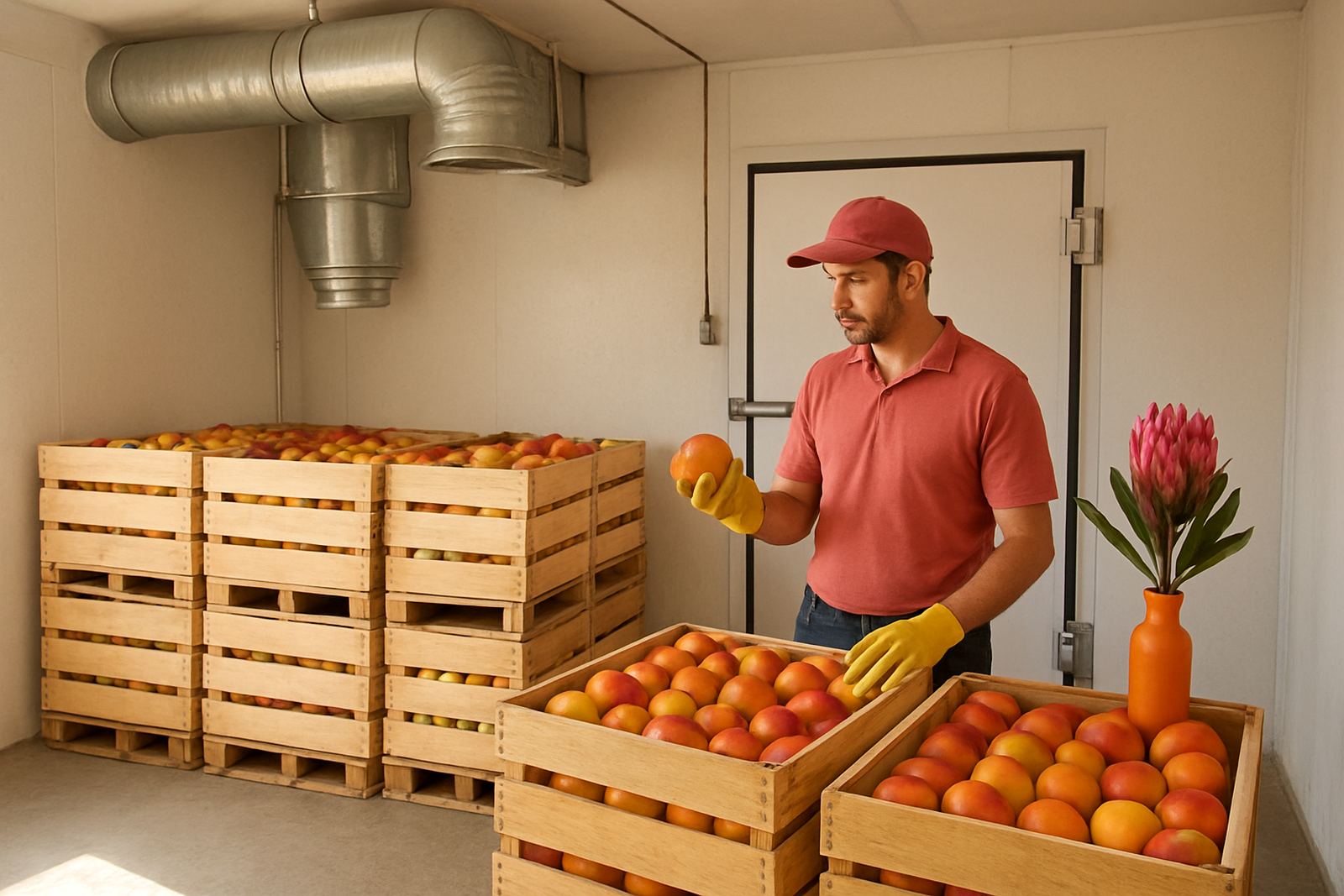
These rooms suit businesses that need frozen stock close at hand and cannot afford wasted space or repeated supplier trips. In Cape Town and Montague Gardens, they work well for food stores, caterers and distributors with daily loading. In Stellenbosch and Paarl, they are common on farms, wine estates and packhouses that need to hold frozen ingredients, samples or seasonal product. Along the West Coast and in Malmesbury or Vredenburg, they are useful where transport time is longer and stock needs to stay safe on site.
They also make sense where stock turnover changes by season. A farm may need extra capacity during harvest, while a retailer may need space for peak summer demand. If the room is used for mixed product, the layout should allow clear stacking and good air movement around the product, not packed wall to wall. That helps the freezer hold temperature better and keeps the evaporator from icing up too quickly.
- Shops with limited back-up freezer space
- Farms and packhouses with seasonal volume changes
- Butcheries, seafood suppliers and caterers
- Guest lodges and restaurants with bulk frozen holding
- Distribution points that need faster loading and offloading
Installation needs: power, drainage and heat management
A freezer room must be installed on a suitable floor with enough support for the panel system, equipment and loaded stock. The refrigeration system needs correct electrical supply, isolation and protection, and the site should allow for safe service access around the condenser and evaporator. If the room is indoors, heat rejected by the system needs proper ventilation so the plant area does not overwork in summer.
Power planning is especially important where load-shedding is a daily reality. Many sites choose generator or backup power integration, but the freezer should still be sized to hold temperature for short interruptions and recover cleanly when power returns. Drainage should be planned so melt water, wash water and cleaning runoff do not sit under the room or create slip hazards. If the room is close to the coast, fixings and exposed components should be selected with corrosion in mind.
How to care for the room and keep it holding temperature
Routine care keeps running costs down and extends equipment life. The door seal must close properly, the floor should stay free of ice, and the evaporator coils need cleaning before dirt and frost reduce airflow. If staff prop the door open during busy periods, energy use climbs fast and the room can struggle to pull down again. Temperature logging is worth keeping in place, because it shows if the freezer is drifting before stock is affected.
Our team handles Planned Maintenance, Emergency Call-Outs, Cold Room Servicing, Leak Detection, Coil Cleaning, Drain Clearing, Seasonal Start-Up and Shutdown Preservation. For businesses that shut parts of the year, preservation work matters. It helps protect the room, wiring and pipework while the site is quiet, then makes restart easier when trading picks up again. A freezer that is checked every few months usually gives fewer surprises and less product loss.
What to check before you place an order
Before ordering a walk-in freezer, it helps to set out exactly what will be stored, how often the door will open, and what the peak stock volume looks like. The wrong size room may save money at the start, but it often costs more in power and poor handling later. You should also know whether the site can take a floorless room on an existing slab, or whether a fully insulated floor is needed.
Please check these points before you buy:
- Required internal size, including aisle space and pallet or trolley access
- Target operating temperature and product type
- Daily door use and likely traffic through the room
- Available power supply and backup power arrangement
- Site conditions such as heat, salt air, dust or wash-down
- Need for alarms, logging, shelving or temperature display
If the freezer is for a farm or mixed-use site, it is also worth asking about access for delivery vehicles and service teams. A room can be well built but still underperform if the plant area is cramped or service access is blocked. That is the kind of detail that saves trouble later on.
Key facts
| Product type | Insulated walk-in freezer room for frozen stock storage |
|---|---|
| Typical temperature range | -18 C to -25 C depending on product and duty |
| Common sizes | From about 2 m x 2 m small rooms to larger bulk-store layouts |
| Construction | Interlocking insulated panels, insulated door, optional insulated flooring |
| Best suited to | Shops, farms, packhouses, butcheries, caterers and distribution stores |
| Service support | Maintenance contracts, call-outs, leak detection and temperature logging |