What an upright display fridge does on the floor
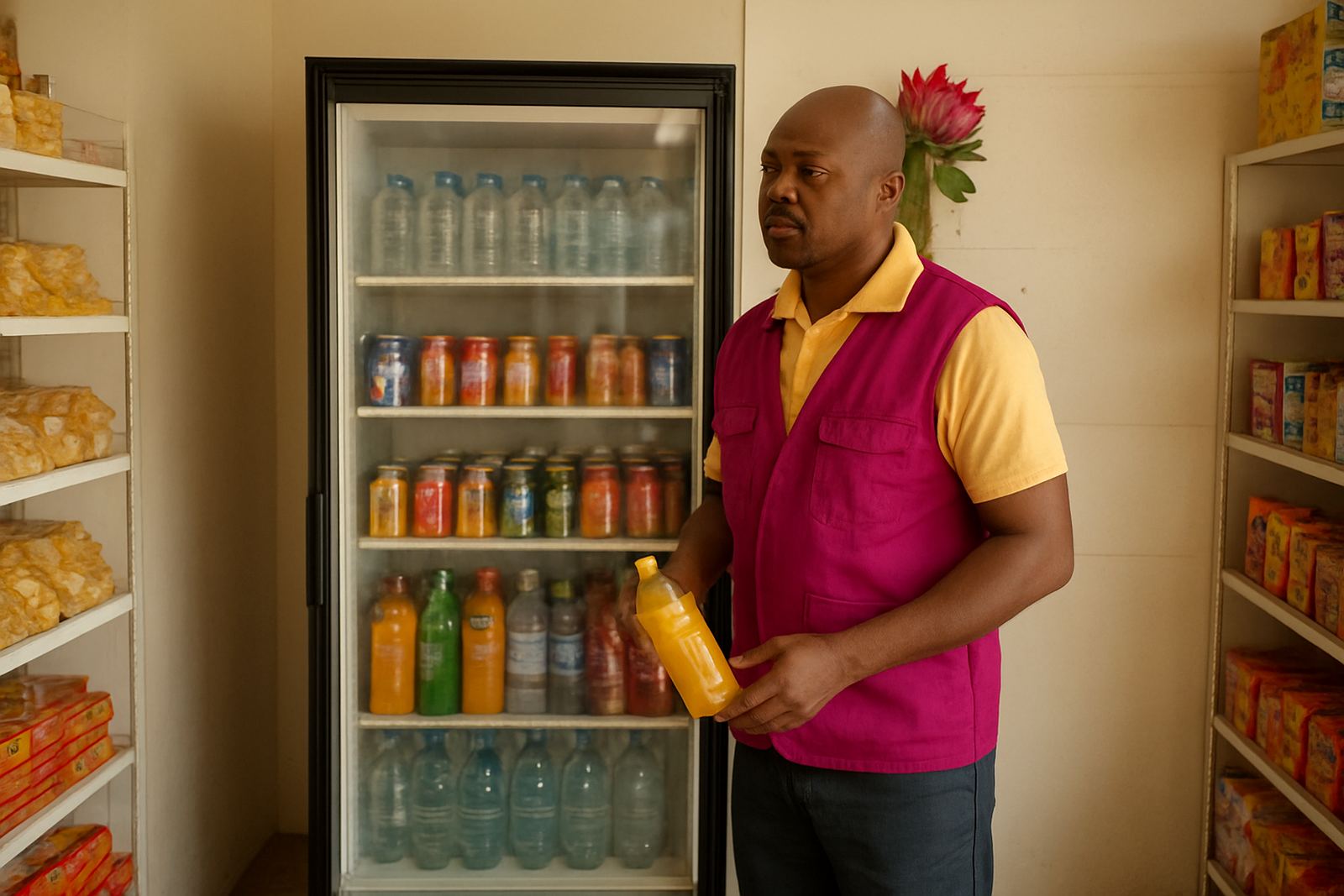
An upright display fridge is a merchandising refrigerator with a vertical cabinet, clear doors and internal shelving so customers can see stock without holding the door open for long. It is made for fast turnover items such as bottled drinks, yoghurt, pastries, pre-packed meals, milk, sandwiches and other chilled goods that must stay ready for sale. In a café counter area or convenience shop, the upright format gives you more display space in a smaller footprint than a chest unit, and it helps staff keep stock organised by shelf, size or product group.
For Western Cape conditions, a good unit must cope with warm summer afternoons, frequent door openings and load shedding recoveries. If the cabinet runs in a hot kitchen corner or near sunlight, the compressor works harder and the internal temperature can drift. That is why we always look at room temperature, door traffic and ventilation before recommending a size or setup. A fridge that is too small fills up fast, while one that is too large can waste power and sit half empty.
Sizes, shelf layouts and door options
Upright display fridges come in different heights and widths, usually from compact single-door units for a till point to larger multi-door cabinets for higher volume trading. The right choice depends on how much stock you want visible at one time, how often you replenish, and whether the unit must sit behind the counter or face customers on the shop floor. Shelf spacing matters as much as cabinet size, because bottled drinks, takeaway meals and taller dairy packs all need clear internal height.
- Single-door units for small cafés, forecourt shops and coffee counters
- Two-door cabinets for steady daily turnover and wider product mix
- Three-door units for busier stores or farm shops with more display stock
- Adjustable wire shelves for mixed pack sizes and better air circulation
- Glass doors or solid-backed display doors depending on visibility needs
- LED interior lighting for clearer product presentation and lower heat load
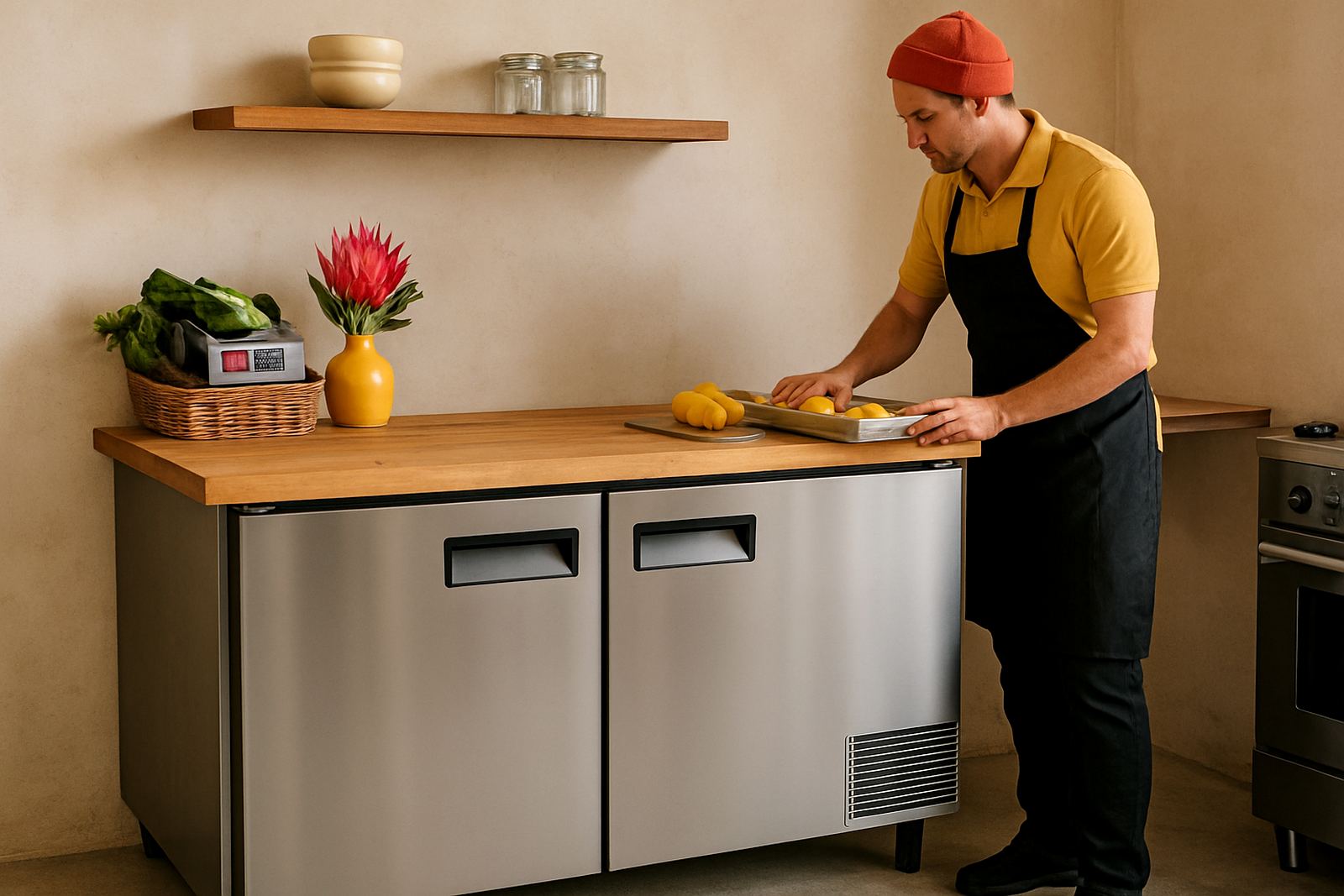
Some cabinets are built for counter placement, while others are tall floor-standing fridges with stronger castors or levelling feet. If the unit will move for cleaning, seasonal layout changes or back-of-house access, tell us at the start so the base and clearance suit the site. A fridge that looks right on paper can be awkward if the door swing, skirting or service space is not checked properly. The end result should fit the trading area without blocking movement for staff and customers.
Where these fridges suit local trading spaces
We supply and service upright display fridges for convenience retail, takeaway counters, cafés, small grocery shops, wine farms, farm stalls and deli style outlets across Cape Town, Stellenbosch, Paarl, Malmesbury and Vredenburg. They are especially useful where stock needs to be seen quickly and sold often, not stored for long periods. In a busy shop the front row must stay neat, because messy shelving slows sales and creates extra door opening time.
These units also suit back-of-house support spaces, such as prep rooms or staff canteens, where chilled items need easy access. On farms and in outlying towns, the cabinet often has to run through hotter ambient temperatures and may face dust near entrances. That means the condenser area, door seals and fan path need regular care. If the fridge sits near a baking oven, coffee machine, dishwash point or direct sun, it will need a bit more attention to keep the temperatures steady.
- Retail counters with high customer traffic
- Café service points and grab-and-go sections
- Forecourt and roadside convenience stores
- Farm stalls, cellar shops and deli counters
- Staff canteens and prep rooms with chilled stock rotation
Installation, power and ventilation requirements
Before installation, check the electrical supply, floor level and ventilation space. Most upright display fridges need a standard single-phase power supply, but the exact load depends on cabinet size, compressor type and whether the unit has heated door frames or extra lighting. We always check the socket position, cable route and isolation point so the fridge can be serviced safely later. A dedicated circuit is often better than sharing with kettles, microwaves or other heavy appliances.
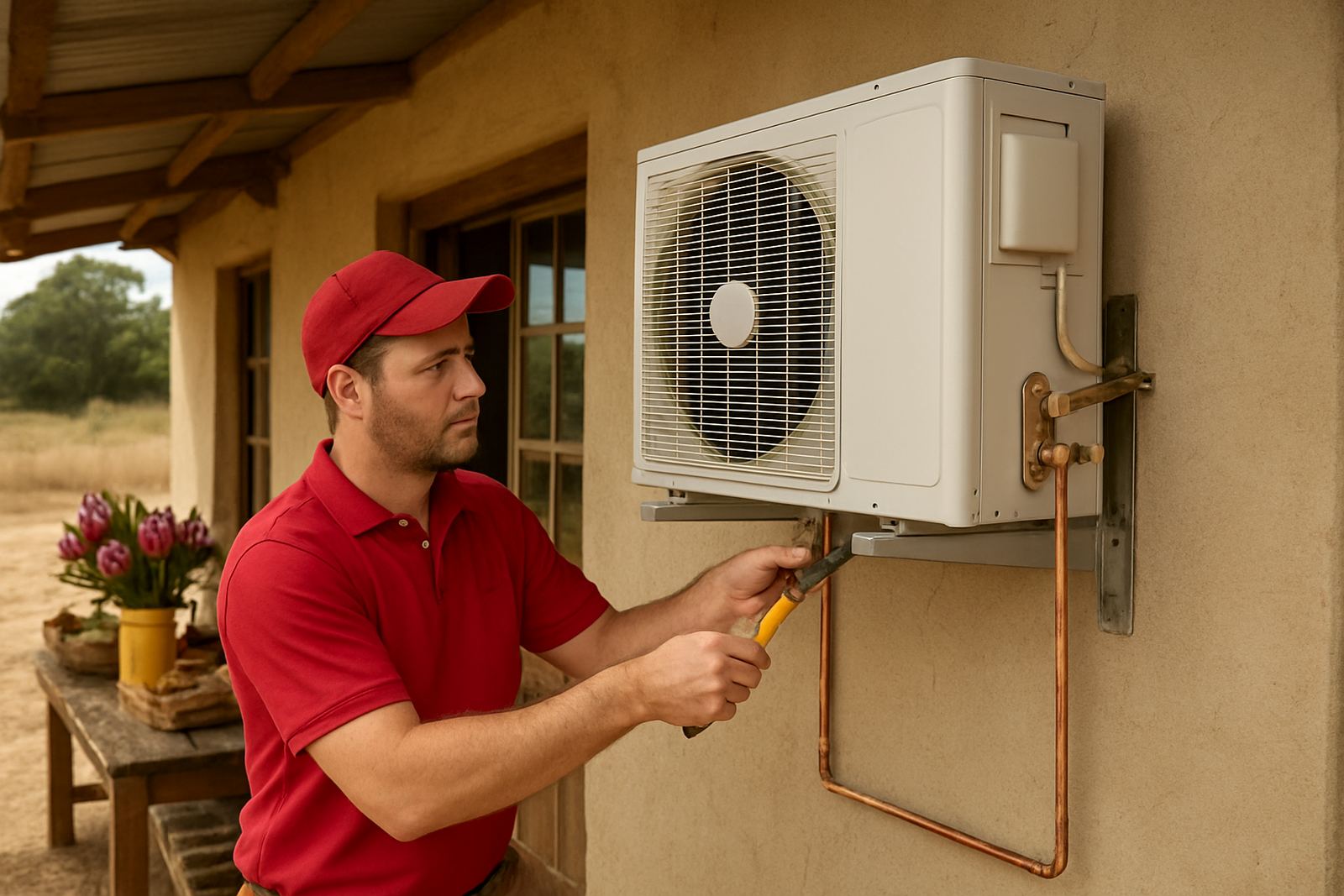
Airflow is just as important. The condenser needs room to reject heat and the cabinet should not be pushed tight against a wall unless the maker allows it. Leave space around the rear or base vents, and keep the unit level so the door seals properly. In coastal areas, salt air and humidity can shorten component life if the cabinet is not cleaned properly. If the fridge will stand in Montague Gardens, on the West Coast or close to open doors, the site should be checked for dust, draughts and moisture before final placement.
If you are fitting the unit into a counter run or tight shop layout, measure the opening, door swing and service access carefully. A few extra millimetres can save a lot of trouble later, especially when the fridge has to be moved out for cleaning or a repair callout.
Cooling performance, gas type and load shedding recovery
Upright display fridges rely on a compressor, refrigerant gas, evaporator and fans to hold a stable internal temperature. When a unit is switched on after transport or after a power cut, it should be allowed to settle before stock is loaded in. If the fridge is packed full too early, the pull-down time stretches and the products near the top or back can warm unevenly. For many retail uses, stable chill is more important than very fast pull-down, because the cabinet must recover after repeated door openings.
During load shedding, keep the doors closed and avoid opening the cabinet unless necessary. After power returns, listen for abnormal noise, check that the fans start properly and confirm that the temperature is dropping back to target. If the unit struggles to recover, it may need coil cleaning, leak detection or a thermostat check. A small refrigerant leak can show up first as warmer product, ice build-up on the wrong section or longer running times. Our team handles servicing and repairs for these symptoms across Cape Town and the surrounding areas, including call-outs when a shop cannot wait until the next day.
- Check the thermostat setting and actual cabinet temperature
- Watch for frost on evaporator coils or around the doors
- Inspect fan operation and drain clearing
- Look for damaged seals, hinge wear or poor closure
- Note whether the compressor runs too long or cycles too often
Care, servicing and what to confirm before ordering
Good care starts with regular shelf cleaning, door seal wiping and condenser cleaning. Dust on the coil makes the fridge work harder and can push up power use. Drain clearing is important too, because blocked drains cause water inside the cabinet and may lead to odours or slip hazards. If the unit is used for dairy or pre-packed food, keep a simple cleaning routine and log the temperatures each day so any drift is picked up early. That record helps if the site needs a maintenance contract or warranty support.
When ordering, check the dimensions, door count, shelf load, lighting, temperature range and whether the cabinet must be ventilated from the front or rear. Also confirm if you need a lock, castors, a digital controller or a temperature display that staff can read at a glance. Ask what stock will sit inside on day one, because a drinks-only unit is not the same as a mixed merchandiser for salads and dairy. If the fridge is being supplied for a farm shop or coastal site, let us know about humidity, dust or long periods without power so we can match the installation and servicing plan to the conditions.
If you need a new upright display fridge, or need support for an existing one, Kenny Cape West can help with installation, planned maintenance, seasonal start-up and emergency call-outs across the Western Cape. Sometimes a quick service is enough, other times the better choice is a full check before peak trading starts. Either way, it pays to sort the cabinet before warm weather or holiday trade puts extra pressure on it.
Key facts
| Type | Upright display refrigerator for merchandising chilled stock |
|---|---|
| Typical sizes | Single-door, two-door and three-door floor-standing cabinets |
| Temperature range | Usually 0 C to 4 C for chilled retail products |
| Shelving | Adjustable wire shelves with product spacing for airflow |
| Power | Standard single-phase supply, exact load depends on model |
| Common features | Glass doors, interior lighting, digital controls, castors or levelling feet |