What a condensing unit does in a working system
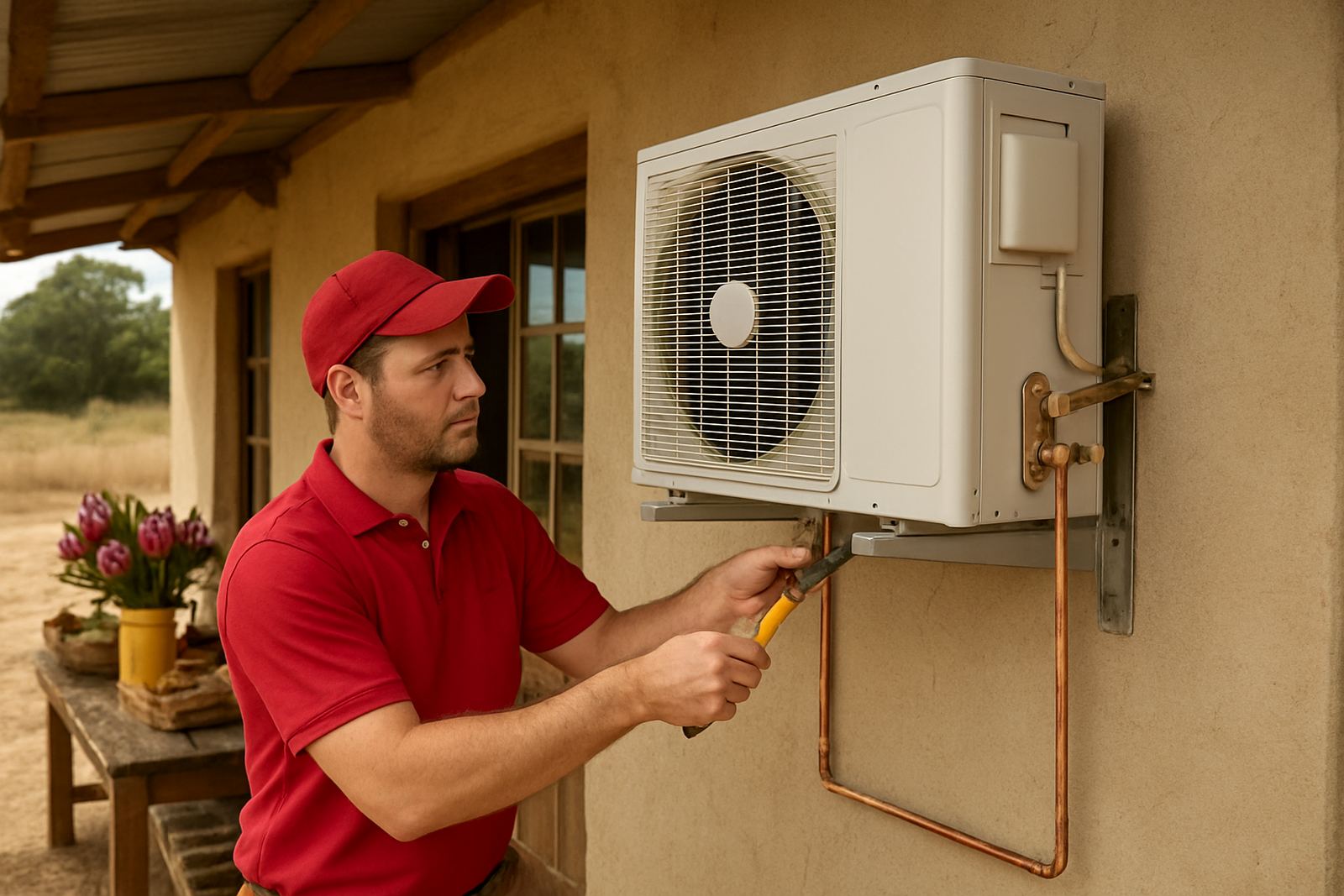
The condensing unit is the part that carries the compressor, condenser coil, fan and controls. In simple terms, it takes hot refrigerant gas from the evaporator side, removes the heat, and sends cooled liquid refrigerant back into the system. If the unit is undersized the room struggles to pull down after a door opening, a stock delivery or a hot afternoon. If it is oversized it can short cycle, waste power and wear parts sooner.
For Western Cape conditions, the unit has to cope with summer heat in inland towns, salty air near the coast and load-shedding related restarts. That is why we size units to the actual room load, product turnover, ambient temperature and operating hours, not just the room size on paper.
Sizes and options we supply for local sites
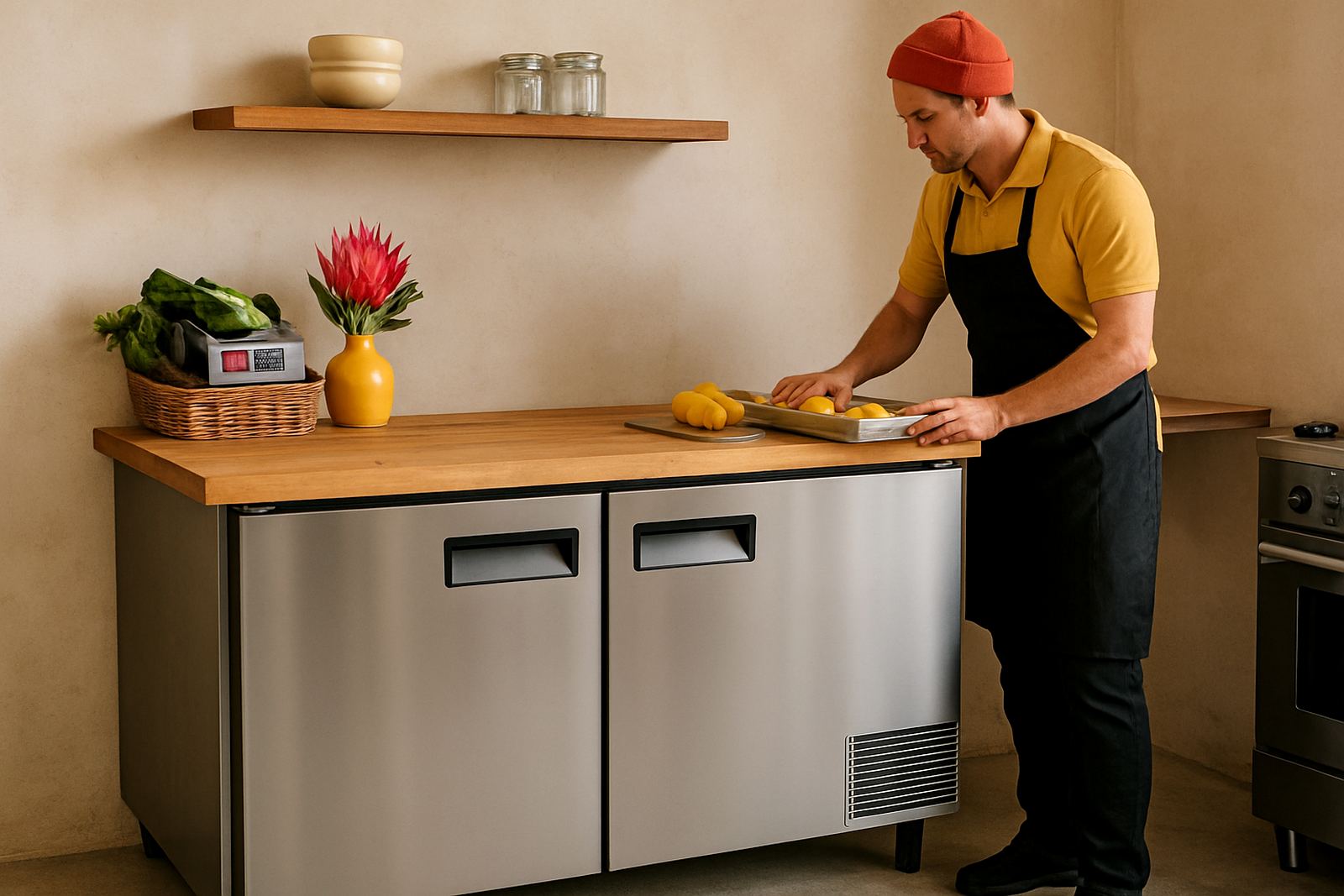
Condensing units are supplied to suit small coolrooms, medium retail chillers and heavier farm or production rooms. The right choice depends on the cold room volume, the product being stored, the target temperature and the way the site is used. A fish room, milk store or butcher room usually needs a different setup from a flower room or bottle store.
- Small units for single cold rooms and back-of-house fridges
- Medium units for shops, restaurants and packhouses
- Heavier duty units for farms, storage rooms and distribution points
- Air-cooled units for most sites, with plant-room placement where weather or noise matters
- Single-phase and three-phase options, depending on available supply
- Low-ambient and coastal-duty options for colder mornings and salty air
We also match the unit to the refrigerant circuit and the evaporator being used. That includes the fan motor setup, defrost method and the control package. A neat install with the wrong match still gives trouble later, so the full system needs to be considered.
Where condensing units work best
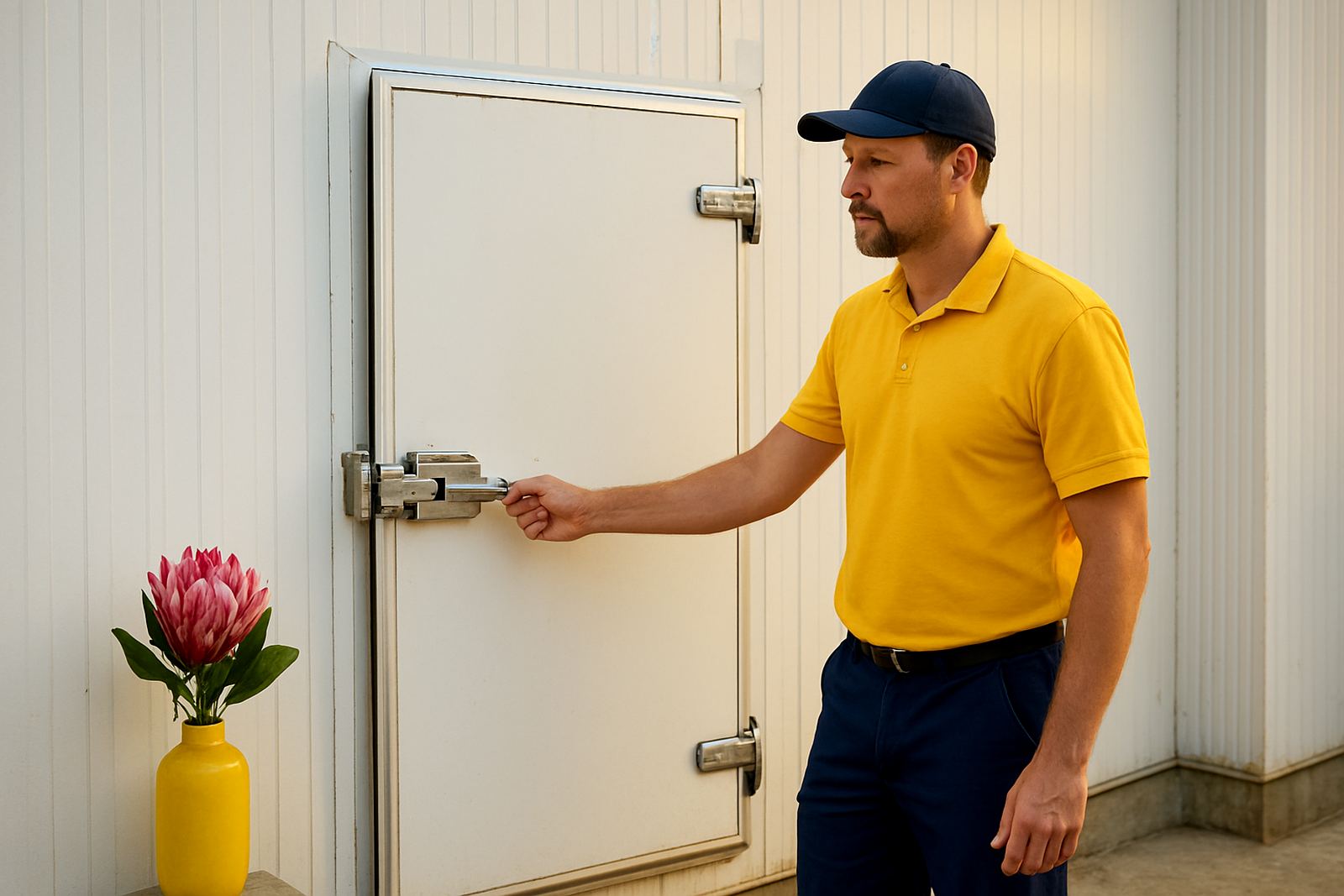
These units suit shops that keep perishables, farms with pack sheds or produce rooms, and any site that needs dependable temperature control after hours. In Cape Town and Montague Gardens, a plant-room installation is often practical where space outside is tight. In Stellenbosch and Paarl, units are often used on farm stores, cellar spaces and fruit handling rooms. Along the West Coast, we pay attention to wind, dust and salt exposure.
Common applications include:
- Cold rooms for meat, dairy, fruit and vegetables
- Walk-in chillers for hospitality and retail back areas
- Farm storage rooms for produce, flowers and milk
- Preparation rooms where doors open often through the day
- Replacement systems when an older unit is using too much power or fails often
Where a site has high ambient temperatures, poor ventilation or long duty cycles, the installation must allow enough airflow around the condenser coil and enough access for maintenance. Cramming the unit into a tight corner leads to overheating and higher running costs, simple as that.
Installation, power supply and refrigerant checks
Installation starts with the load calculation and the site walk-through. We check the room dimensions, insulation, door use, product type, line length and electrical supply. The electrical side must suit the compressor start current and the running load, with correct protection and safe isolators. On three-phase systems, phase balance matters. On single-phase systems, starting stress and voltage drop need attention, especially where a site runs on long cable runs or backup power.
The pipework must be correctly sized and pressure tested, with proper insulation and traps where needed. The condensing unit has to be mounted level on a firm base or wall support, with good clearance for service work. If the unit is in a plant room, ventilation and heat rejection must be planned properly or the room just becomes too hot and the system fights itself all day.
- Check available supply: single-phase or three-phase
- Confirm breaker size, isolator position and cable route
- Verify refrigerant type and charge requirements
- Allow space for airflow, drainage and cleaning access
- Plan for load-shedding recovery and safe restart sequence
Care, maintenance and trouble signs
Condensing units need regular attention if they are to last. Coil cleaning is a basic one, especially where dust, flour, grease or coastal salt builds up. Drain clearing prevents water from backing up into the room or the plant area. Fan motors, contactors, capacitors and wiring should be checked before peak season, not once the room has already warmed up and stock is at risk.
We recommend planned maintenance for sites that run daily, and seasonal start-up checks before the hottest or busiest months. After load-shedding, systems should be checked for safe restart and for compressor stress. If a unit is cycling too often, making unusual noise, or taking too long to pull down, there may be airflow problems, refrigerant loss, dirty coils or control faults.
- Clean condenser coils and fan guards
- Inspect electrical parts for heat damage or loose terminals
- Check refrigerant pressures and operating temperatures
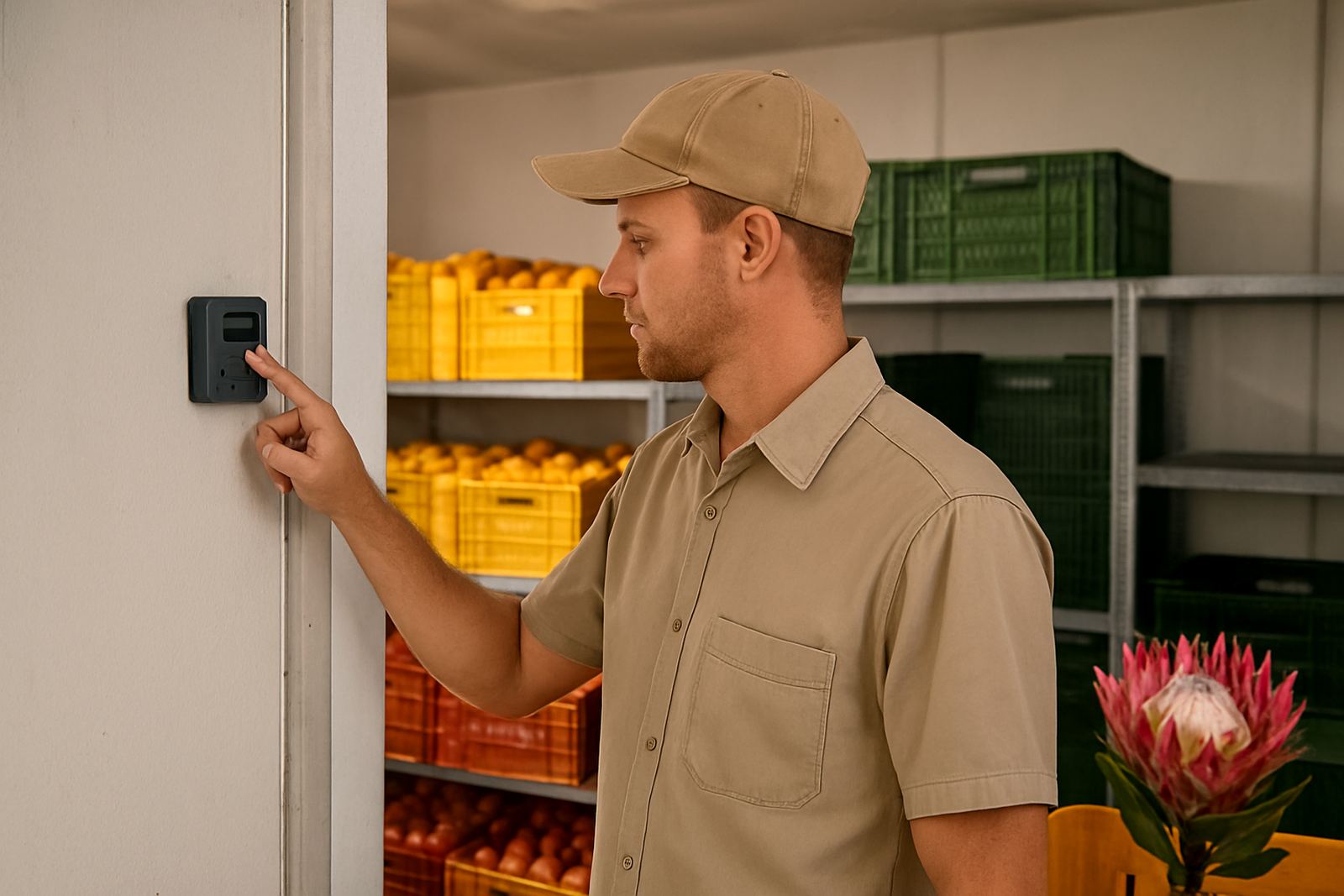
- Test defrost and temperature logging equipment
- Look for oil stains, frosting or repeated breaker trips
On coastal sites, corrosion can creep in quickly if the unit is left unchecked. Inland sites often have dust and lint instead. Different areas, same result if servicing is skipped: poor performance and higher power use.
What to check before you order a condensing unit
Before ordering, make sure the following details are ready. These basics help us match the unit properly and avoid delays on site. If any item is unclear, we can work it out during a call-out or site inspection.
- Room size in metres and the target temperature
- What is being stored and how often the door opens
- Whether the site has 230 V single-phase or 400 V three-phase power
- Length of pipe run between the unit and the evaporator
- Indoor, outdoor or plant-room location
- Any backup power, load-shedding schedule or generator use
It also helps to know if the room needs temperature logging, alarm contacts or a shutdown preservation plan for quiet periods. For farms and retail sites, this can save stock and keep the system ready for the next run. If you are replacing an older unit, send the old model details and we will check the fit and the practical upgrade options.
Western Cape support from our Montague Gardens base
Kenny Cape West is based in Montague Gardens, Cape Town and works across Cape Town, Stellenbosch, Paarl, Malmesbury and Vredenburg. Our team handles emergency call-outs, maintenance contracts, cold room servicing and aircon work, with proper attention to the operating conditions on each site. For a condensing unit that has to carry load day after day, the after-sales support matters just as much as the first installation.
Whether you need a new unit, a replacement on an existing room or a service check before peak season, we can assess the load and advise on the best fit. Send the room details to callouts@kennycapewest.co.za and we will take it from there.
Key facts
| Use | Outdoor or plant-room heat rejection for cold rooms and commercial refrigeration |
|---|---|
| Typical supply | Single-phase 230 V or three-phase 400 V, depending on unit size |
| Application range | Small cold rooms through to farm and retail storage rooms |
| Installation needs | Firm mounting, clear airflow, correct pipe sizing and safe electrical protection |
| Maintenance | Coil cleaning, electrical checks, refrigerant checks and drain clearing |
| Service areas | Cape Town, Montague Gardens, Stellenbosch, Paarl, Malmesbury and Vredenburg |