What a walk-in chiller does on a busy site
A walk-in chiller is a insulated cold room built to hold a set temperature for stock that needs to stay chilled, not frozen. It is used for flowers, fruit, vegetables, dairy, cold drinks, deli items, meat prep and other perishable goods that must be held between about 0°C and 8°C, depending on the product. For farms and shops, it gives proper stock control and less waste than standing goods in a normal room or using a small upright unit for too much volume.
These rooms are fitted to the site and the way you work. Some are used for short holding after delivery, while others run all day for dispatch and daily sales. In coastal areas such as Cape Town and Vredenburg, the humid air means door seals, drainage and panel joints matter more than people expect. In the Winelands and inland areas, high summer temperatures put extra load on the cooling system so size and usage need to be matched properly, not guessed at.
Sizes, panel options and useful add-ons
Walk-in chillers can be built in compact or large formats, from about 2 m x 2 m for a small shop back room up to 6 m x 10 m or larger for farm packing and wholesale use. Ceiling height is usually between 2.1 m and 3 m, but the final size depends on door access, stock handling and the space available on site. If trolleys, crates or pallet jacks are used, the internal layout must allow for turning room and clear passages.
Panel thickness is normally 75 mm for standard chilled storage and 100 mm where the room must work harder, such as warm loading areas or sites with frequent opening and closing. Flooring can be a sealed insulated floor, a non slip finish, or a room built onto an existing concrete slab if the slab is level and suitable. For flower rooms and fruit holding, good air circulation inside the room is important so stock does not sit against one cold spot and spoil unevenly.
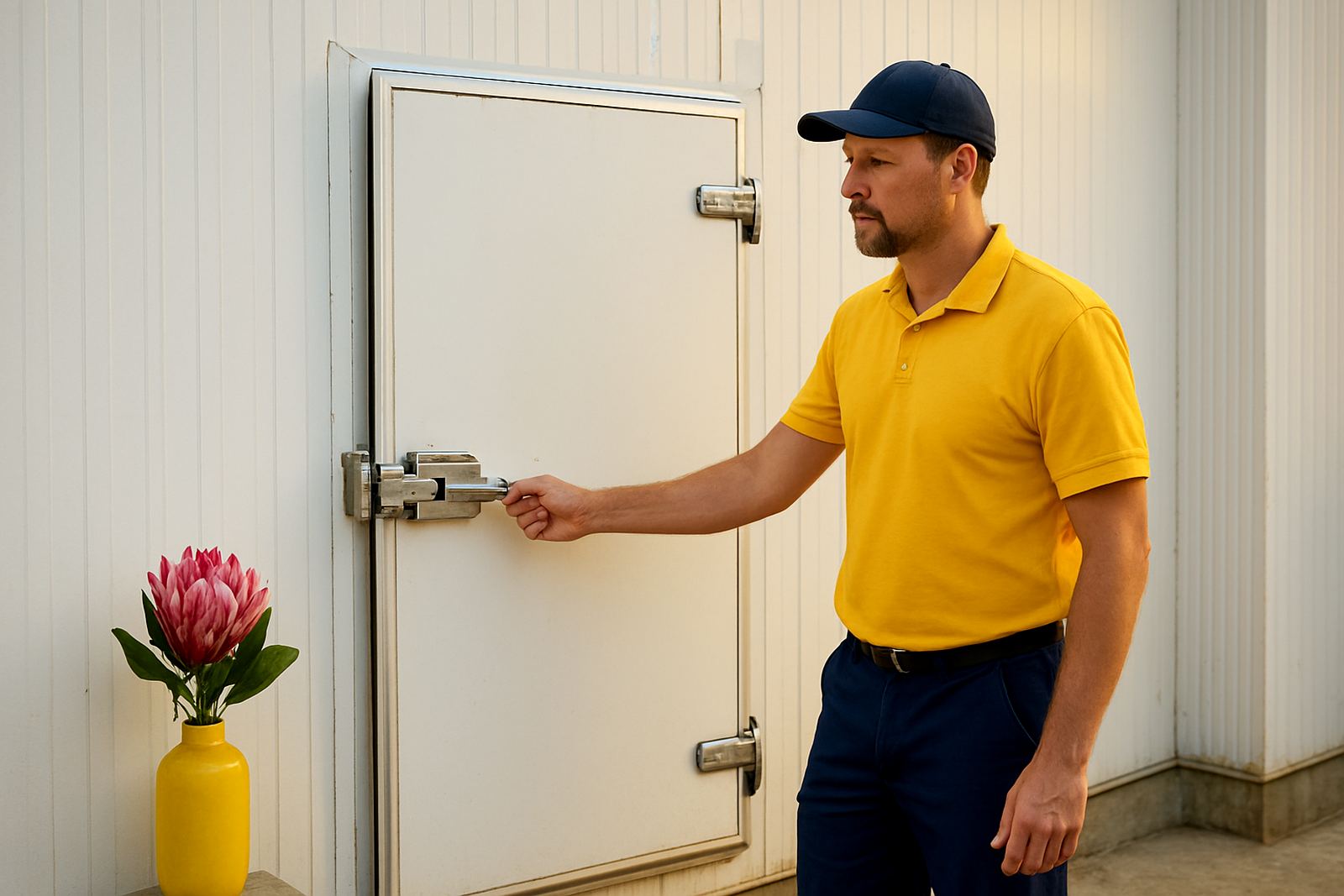
- Sliding or hinged insulated doors to suit traffic flow
- Strip curtains for high use entrances and better cold retention
- Digital temperature controller and visible thermometer
- Internal lights that work well in damp or dusty areas
- Drainage for wash down and condensate control
Where a walk-in chiller suits best
These rooms suit fruit packers, florists, bottle stores, butcheries, cafés, bakeries, spaza shops, supermarkets and farm stalls that need dependable chilled storage. On farms around Stellenbosch and Paarl, a chiller helps with harvesting, grading and holding stock before collection. In Cape Town and Montague Gardens, it is often used for daily distribution, overflow storage and keeping stock stable during load shedding, peak trade or delivery delays.
It also works well where stock turns quickly but must stay presentable. Cut flowers lose value fast if they warm up. Prepared food needs consistent temperature control for safety. Drinks and dairy must stay cold for service. If the room is used for mixed stock, the load plan should keep odours, moisture and handling needs in mind, because a chiller full of different product types can become messy and costly if it is not set up right.
- Shops with back room stock that cannot fit in undercounter fridges
- Farms needing post-harvest holding before dispatch
- Food outlets that need extra chilled storage during busy periods
- Businesses that need a backup plan for outages and generator use
Installation, power supply and refrigerant planning
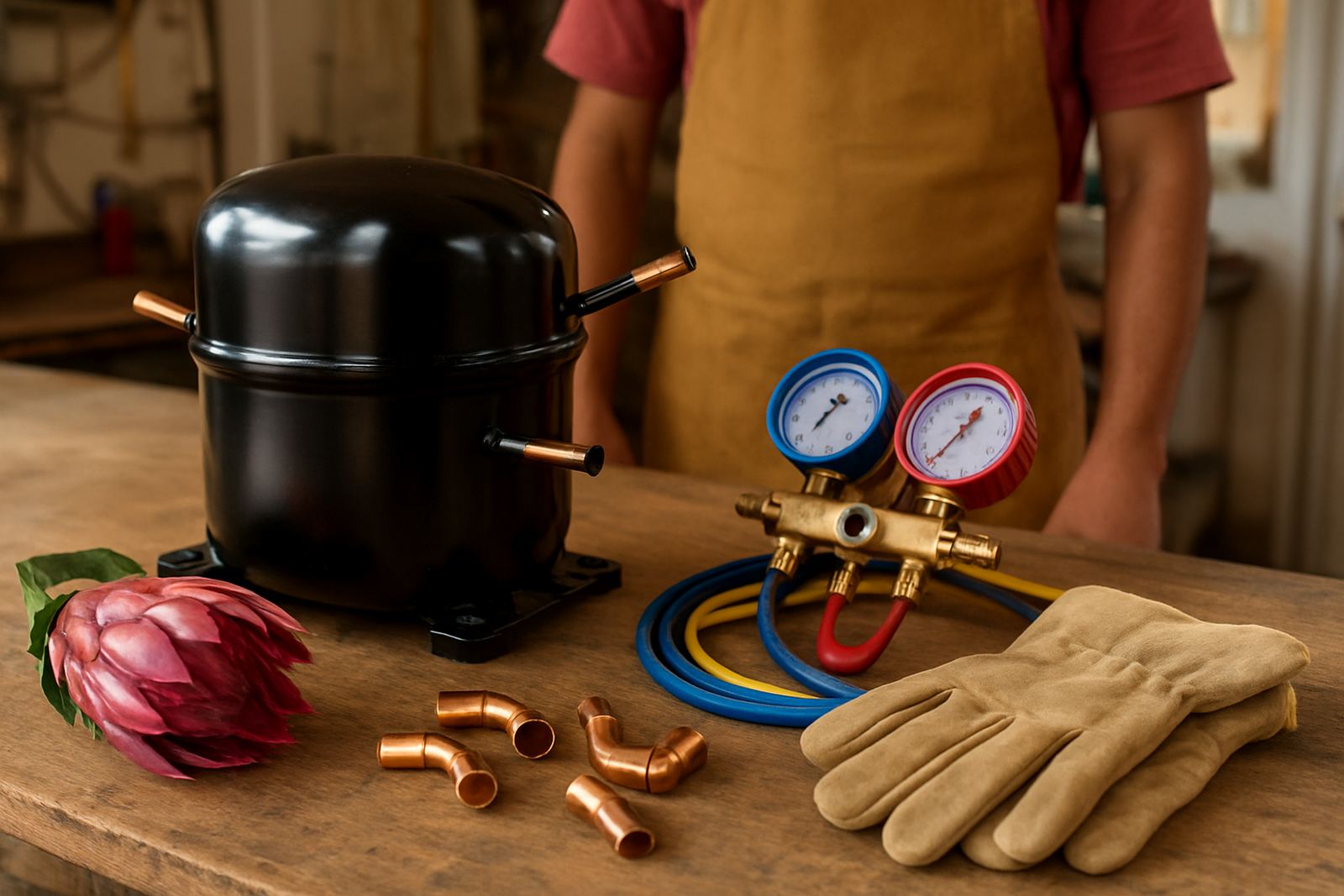
Proper installation starts with the room size, product load, room opening times and site conditions. A small room used lightly will need a different cooling capacity to a busy packhouse with regular door traffic. The compressor, evaporator and controls must be sized to suit the real duty, not just the floor area. If the site has frequent power cuts, generator backup or solar support should be checked early so the chiller can restart safely after an outage.
Most walk-in chillers run on standard electrical supply, but the exact amperage and circuit protection depend on the selected system. The installer should confirm the available supply, cable routing and isolation points before work starts. Refrigerant pipe runs, condensate drainage and service access also need attention. Poor placement makes later repairs harder and can lead to higher running costs. A room on a farm or in a coastal warehouse may also need extra corrosion control on fittings and brackets.
We fit and service chilled rooms with practical use in mind, including startup checks, temperature setting and handover guidance for staff. If your site has municipal noise rules or shared loading areas, the location of the condenser and airflow direction should be planned to avoid complaints or hot air recirculation.
Care, servicing and temperature control
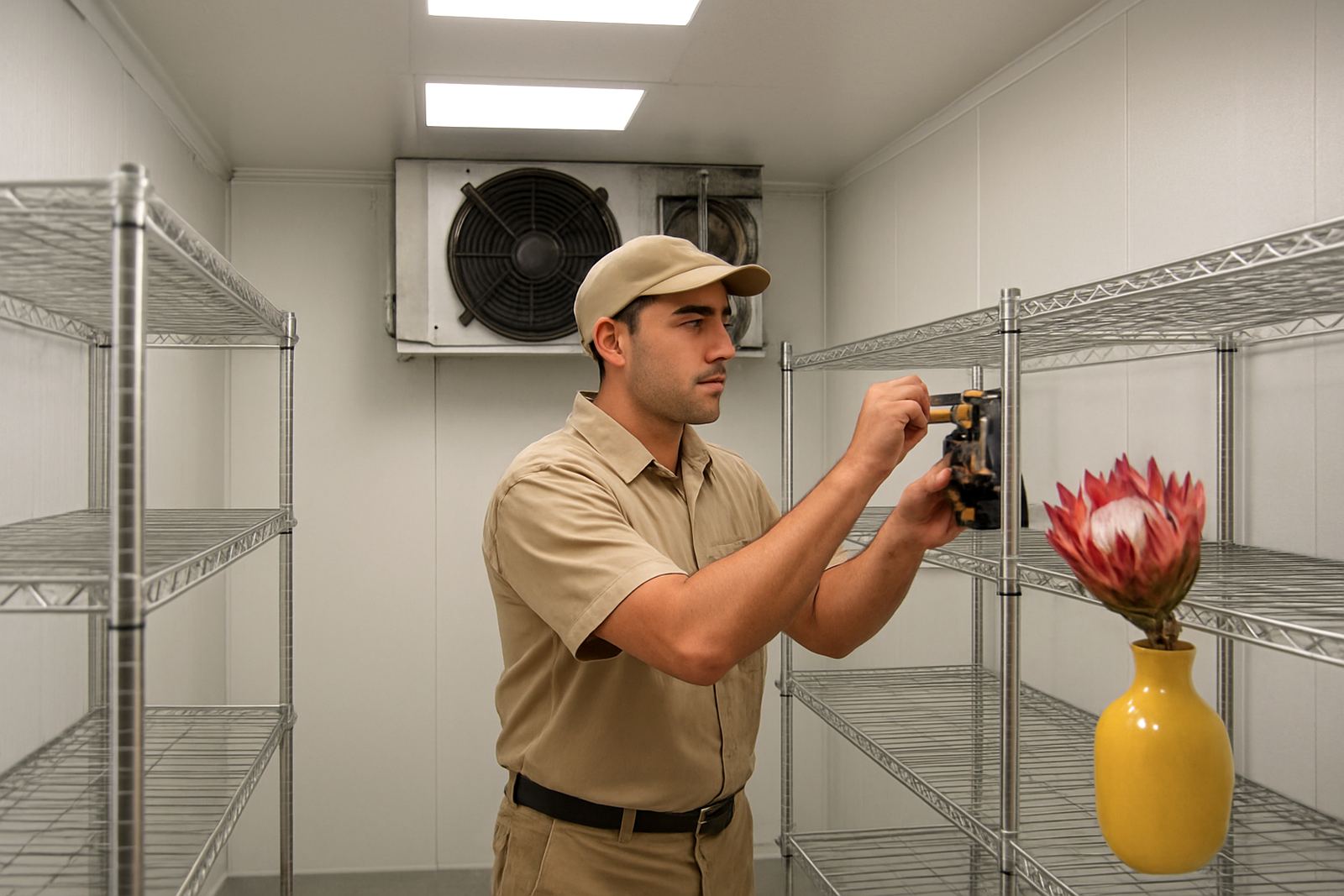
A walk-in chiller lasts longer when the coils stay clean, doors close properly and the drain line remains clear. Dust from packhouses, flower rooms and road-facing sites can block airflow and force the unit to work harder. On the coast, salt air adds extra wear to metal parts. Planned maintenance helps prevent these issues before they turn into stock loss. A good service plan also checks fan motors, controls, door heaters where fitted, and the condition of seals and hinges.
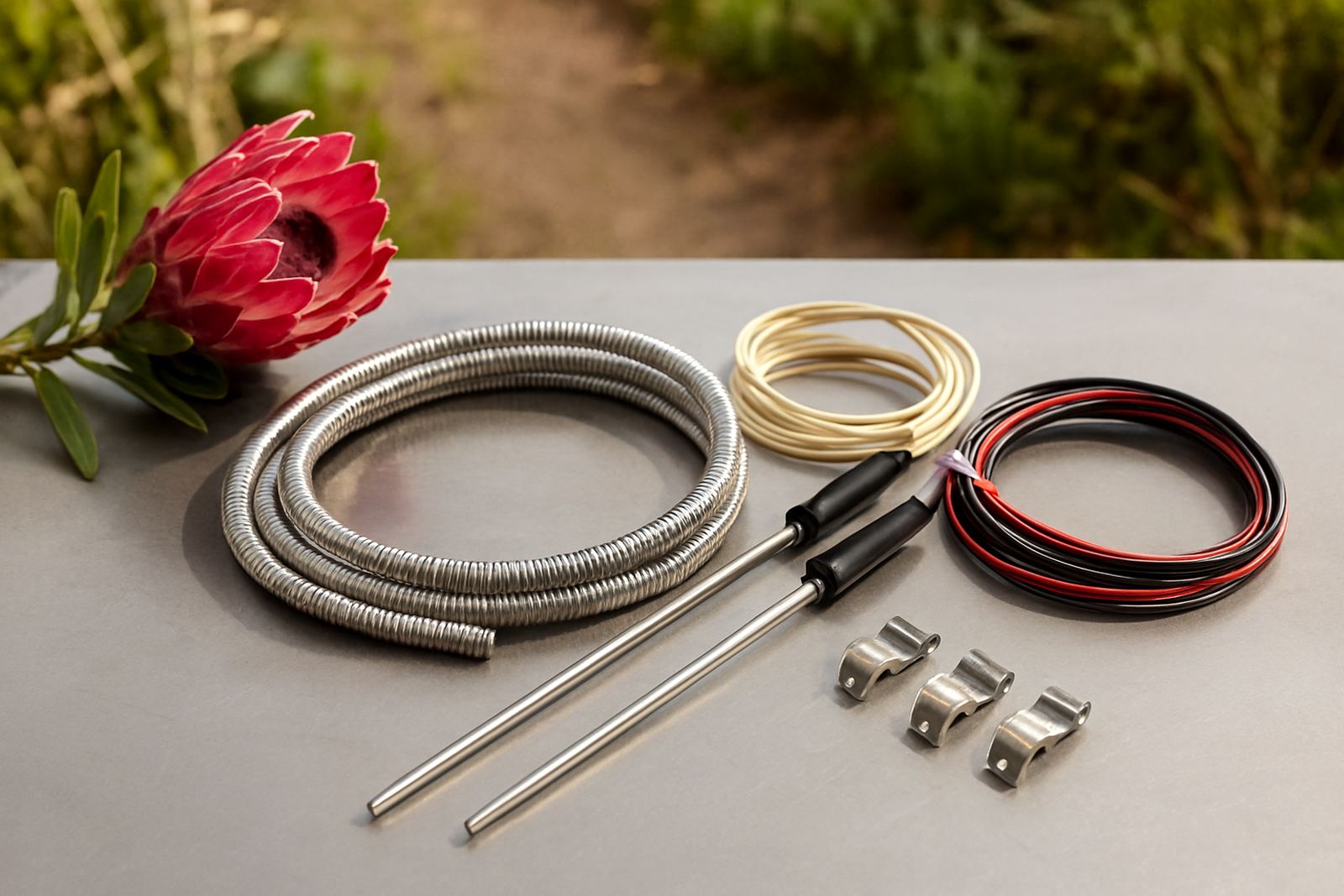
For food and fresh produce, temperature logging is more than a nice extra. It gives proof of safe holding conditions and helps show where faults started if stock is affected. It is useful for managers who need records for audits, suppliers or internal controls. If the room is opened all day, then seasonal start-up before summer and shutdown preservation before quiet periods can save a lot of trouble. In plain terms, regular servicing keeps the room working and the repair bill smaller, which matters when the stock inside is worth more than the plant itself.
- Monthly checks for temperature drift, seal wear and abnormal frost build-up
- Quarterly coil cleaning in dusty or high-use rooms
- Drain clearing to prevent leaks, smell and floor pooling
- Logbook review after load shedding or power interruptions
What to confirm before you place an order
Before ordering, measure the room space, doorway access and any clear route for delivery panels. Confirm what stock will be stored, how many times the door opens each hour, and whether the room must handle trolleys, crates or pallets. The right answer for a flower room is not the same as a beverage room or a prepared food store. A small mistake here can mean the room is too warm, too small or expensive to run.
It also helps to confirm these points early:
- Required internal temperature range
- Approximate daily stock volume and turnover
- Whether the site has backup power or only grid supply
- Drainage position and floor condition
- Any need for logging, alarms or remote checks
- Where service access will be kept for maintenance work
At Kenny Cape West, we work from Montague Gardens and cover Cape Town, Stellenbosch, Paarl, Malmesbury and Vredenburg. If you need a walk-in chiller that suits your product, your power supply and your daily use, we can help spec it properly and keep it serviced afterwards.
Key facts
| Product type | Insulated walk-in chilled room for fresh and perishable stock |
|---|---|
| Typical internal temperature | About 0°C to 8°C, depending on product and usage |
| Common sizes | From about 2 m x 2 m up to 6 m x 10 m and larger |
| Panel thickness | 75 mm standard, 100 mm for heavier duty use |
| Door options | Hinged or sliding insulated doors with optional strip curtains |
| Service options | Maintenance, leak detection, temperature logging and coil cleaning |