What a defrost heater kit does in a freezer system
A defrost heater kit is a replacement heating assembly fitted to a freezer evaporator or drain line so ice can be removed on a controlled cycle. It helps stop heavy frost from blocking the coil, lifting running costs and causing temperature swings in the room. In Western Cape conditions, especially where doors open often or the room is in a humid coastal area, frost build-up can happen faster than people expect.
The kit is normally used in cold rooms, freezer rooms, milk stores, abattoir areas, florists, butcheries and on farm pack sheds. It is also common on drain trays and drain lines where melt water can freeze again and back up into the unit. A correct heater kit does not overheat the coil, it simply gives enough heat to clear ice during the defrost period and then switches off again.
For any replacement work, the heater has to suit the evaporator size, the power supply and the way the system defrosts. A heater that is too short will leave ice on the coil, while one that is oversized can waste power and stress parts nearby.
Sizes and options we supply for different rooms
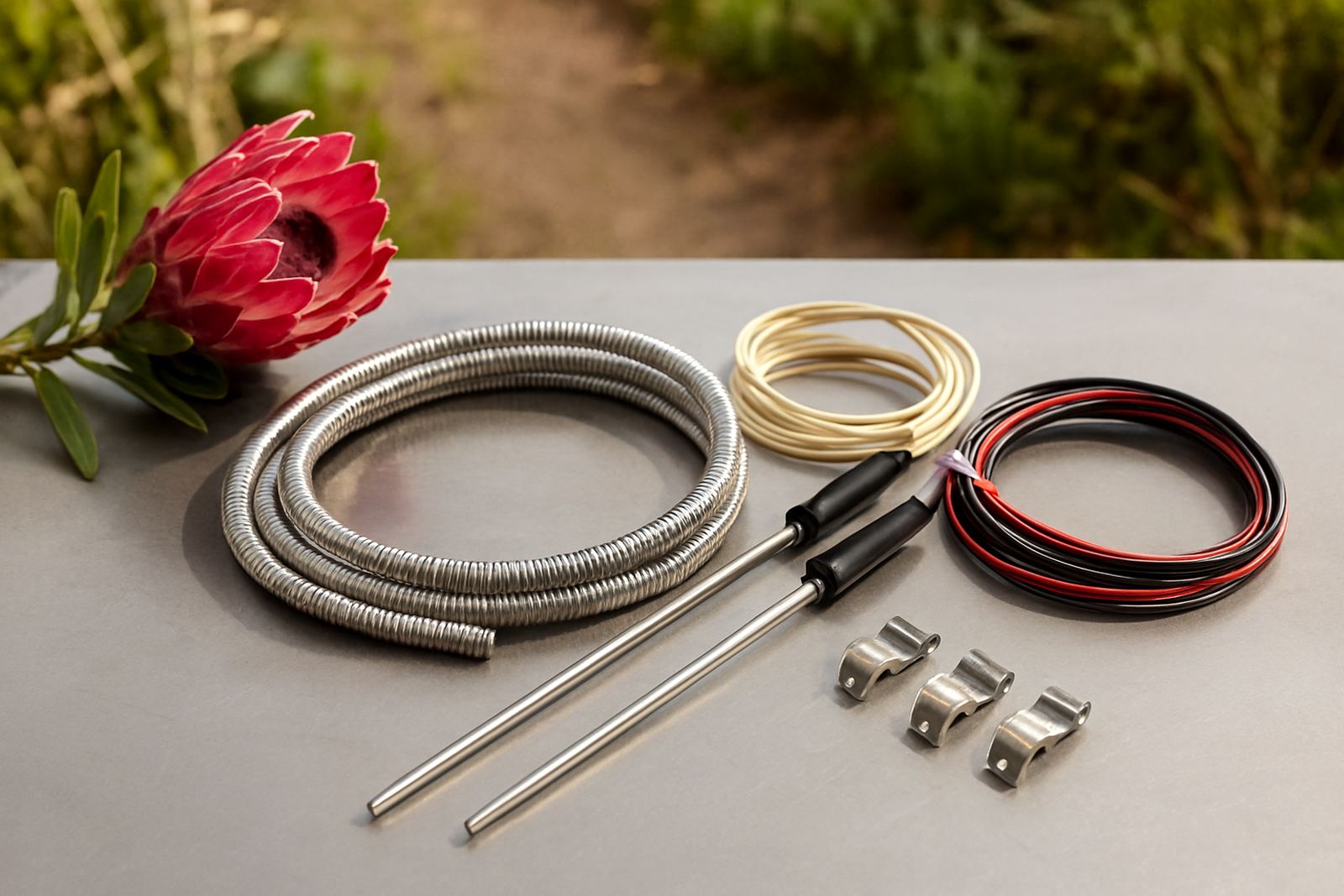
Defrost heater kits are selected by length, wattage, voltage and the shape of the evaporator they are going into. Some are fitted as straight tubular elements, while others are made for drain lines or drip trays. On bigger evaporators, more than one heater may be used so heat reaches the full coil face and the bottom tray.
- Voltage options commonly used: 220V to 240V single phase, and selected higher voltage industrial arrangements
- Heater lengths: short drain-line sections up to full evaporator lengths for larger units
- Wattage ranges: light duty kits for small rooms and higher output kits for heavy frost conditions
- Mounting style: clip-on, sleeve, straight element, or formed section to match the tray layout
- With or without built-in lead lengths, depending on the panel and terminal box position
When we match a kit, we check the evaporator make-up, fan position, drain route and defrost control setup. This saves time on site and avoids ending up with a heater that is close but not correct.
Where this kit suits best in the Western Cape
This product suits shops and farms that need reliable low-temperature storage through summer heat, winter damp and load-shedding recovery. We see the best results in rooms that run daily and cannot afford long defrost delays, such as vegetable holding rooms, chilled product rooms and freezer rooms for stock rotation. In Cape Town and Montague Gardens, it is often used where trading doors are opened all day. In Stellenbosch, Paarl, Malmesbury and Vredenburg, it is also common on farm and supply-chain cold rooms that must hold steady despite dust and temperature swings.
It is especially useful where the evaporator sits in a damp room, or where the drain line runs through a cold space and freezes again after a defrost cycle. If your evaporator keeps icing up on one side, or the drain pan is filling with water and not clearing, the heater kit may need replacing or the control settings may need checking too.
- Freezer evaporators with repeated frost blockage
- Drain trays that ice over after each defrost cycle
- Cold rooms affected by humidity or frequent door opening
- Rooms that struggle after power cuts or unstable supply
Installation needs, power supply and control checks
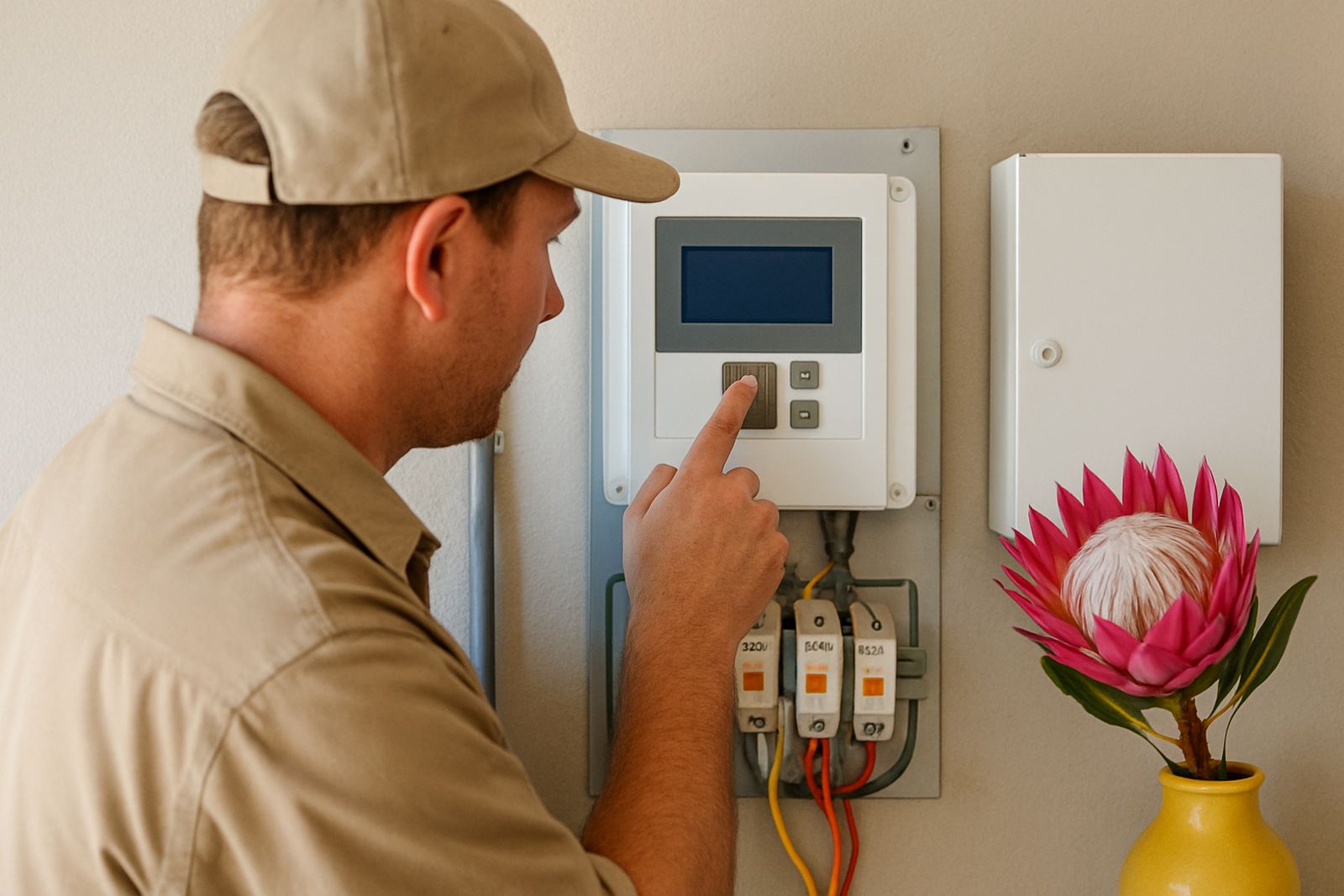
Fitting a defrost heater kit is not only about plugging in a part. The electrician or refrigeration technician must confirm the supply voltage, current draw, terminal insulation and the relay or timer that controls the defrost cycle. If the heater is wired incorrectly, it can trip the board, heat the wrong section, or stay on longer than needed. That can damage plastic parts, fan shrouds or drain fittings.
We also check that the heater is positioned correctly on the coil or in the drain path. On some units, heater placement matters as much as wattage. A proper install normally includes checking the defrost thermostat or probe, verifying the drain slope, and making sure the heater leads are protected from sharp edges and moisture ingress.
If the room has had recent compressor work, fan motor replacement or a control fault, the defrost cycle should be tested after installation. A quick start-up test helps confirm that ice clears fully and the room returns to pull-down without delay.
Care, servicing and signs the heater is failing
Defrost heater kits are not high-maintenance, but they do need the rest of the system to be kept clean and checked. Dirty coils, blocked drains and poor door seals make the heater work harder than it should. On sites near the coast, terminals and fixings can corrode if moisture is left to sit, so regular inspection matters.
Good practice includes coil cleaning, drain clearing and confirming that the defrost timer or controller is still giving the correct cycle length. If a room keeps frosting even though the heater is new, the issue may be airflow, a faulty probe, or the door being left open too long. Sometimes the drain is the real problem, not the heater.
- Ice still building on the evaporator after defrost
- Water refreezing in the drip tray or drain line
- Hot spots, burnt smell or discoloured wiring near the element
- Longer pull-down times after each defrost cycle
On planned maintenance visits, we check the heater condition together with fan motors, drains, gas pressures and room temperature logs where available. That gives a clearer picture than replacing one part and hoping for the best.
What to check before ordering the right heater kit
To supply the correct defrost heater kit, we need a few practical details from the site or the old part. The more exact the information, the better the fit and the less downtime for your room. If possible, send a photo of the evaporator data plate, the old heater and the wiring entry point.
- Evaporator make and model, or clear photos of the unit
- Voltage on site and whether the supply is single phase or three phase
- Heater length, shape and mounting style needed
- Whether it is for the coil, drip tray or drain line
- Any control details, such as timer, probe or defrost board type
- Signs of the fault: no defrost, slow defrost, tripping, or refreezing
If the room is on a farm, in a shop back area or in a busy depot, we also take note of access for fitting and whether the unit must keep running while work is done. That helps us plan the call-out properly and bring the right tools and parts first time, not after a second trip.
Key facts
| Product type | Replacement defrost heater kit for freezer evaporators and drain lines |
|---|---|
| Common supply | 220V to 240V single phase, other options on request |
| Use location | Cold rooms, freezer rooms, drip trays and drain lines |
| Typical fitment | Clip-on, tubular element, formed heater or drain-line heater |
| Main function | Melt frost and keep defrost water moving out of the system |
| Best suited to | Shop and farm refrigeration in coastal, inland and high-use sites |