What a temperature controller does in a cold room system
A temperature controller reads the product or air temperature through a probe and tells the refrigeration system when to start and stop. In plain terms, it stops the box from getting too warm, and it also prevents unnecessary short cycling that can wear out compressors, contactors and fan motors. On older rooms we often find a faulty thermostat or a controller with drifting readings, which leads to spoiled stock, heavy power use and uneven temperatures from one corner to the next.
For Western Cape conditions this matters even more. Coastal humidity can affect sensors and terminal blocks, while dust from farm roads and loading bays can block vents and build up around the panel. During load-shedding and power returns, a good controller helps the system restart cleanly, protect settings and keep temperature records more dependable. If the room is used for dairy, meat, flowers or produce, small swings can cost a lot by the end of the week.
Control sizes and options we supply
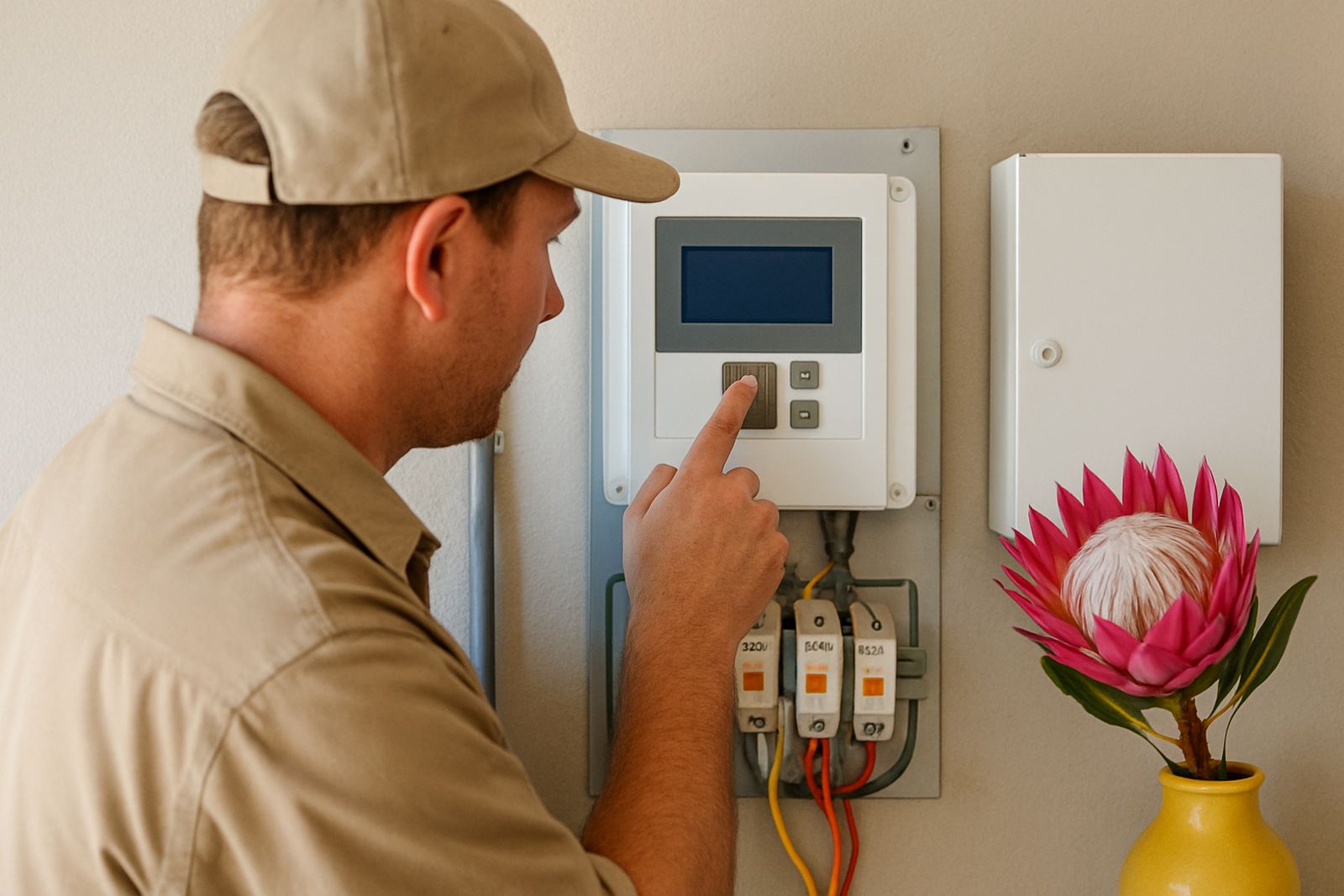
Temperature controllers come in compact panel units and larger digital controllers with relay outputs, defrost control and alarm functions. The right choice depends on the size of the room, the compressor load, whether the system uses electric defrost or hot gas defrost, and whether you want a simple display or a more detailed control setup. We supply replacement units for single evaporator rooms, multi-fan units and larger cold stores that need separate alarm or probe inputs.
- Single stage controllers for direct on-off control of small rooms and display fridges
- Dual output controllers for compressor and defrost functions
- Controllers with probe calibration and offset adjustment
- Units with high and low temperature alarms
- Controllers suited to 12 V, 24 V, 220 V or other panel supply arrangements
- Options with temperature logging output for maintenance records
Most replacements are chosen to match the existing cut-out size or to fit into a new control panel layout. If the old unit is no longer available, we can advise on a like-for-like swap or a practical upgrade without changing the whole refrigeration plant.
Where temperature controllers work best
These controllers suit cold rooms, vegetable and fruit rooms, bottle stores, dairy rooms, flower holding rooms and freezer applications where stable control is needed through the day and night. They are also useful in prep rooms, farm packhouses and small retail shops that run a condensing unit and evaporator from one control point. A controller is also a sensible replacement where the old mechanical thermostat is no longer holding temperature well or the dial no longer matches actual conditions.
For farms and outlets in Stellenbosch, Paarl, Malmesbury and Vredenburg, we often match the controller to the work pattern on site. Some rooms need long door openings and quick pull-down after loading, while others stay closed and only need a steady hold temperature. In shops close to the coast, we also check for corrosion on terminals and sensor leads because salt air can cause nuisance faults that keep coming back if not sorted properly.
- Small cold rooms from about 6 m3 upward
- Medium stores for produce, meat and dairy
- Freezer rooms that need tighter control and defrost timing
- Display fridges, upright cabinets and back-of-house chillers
- Rooms with intermittent use or seasonal shutdowns
Installation, wiring and power checks before fitting
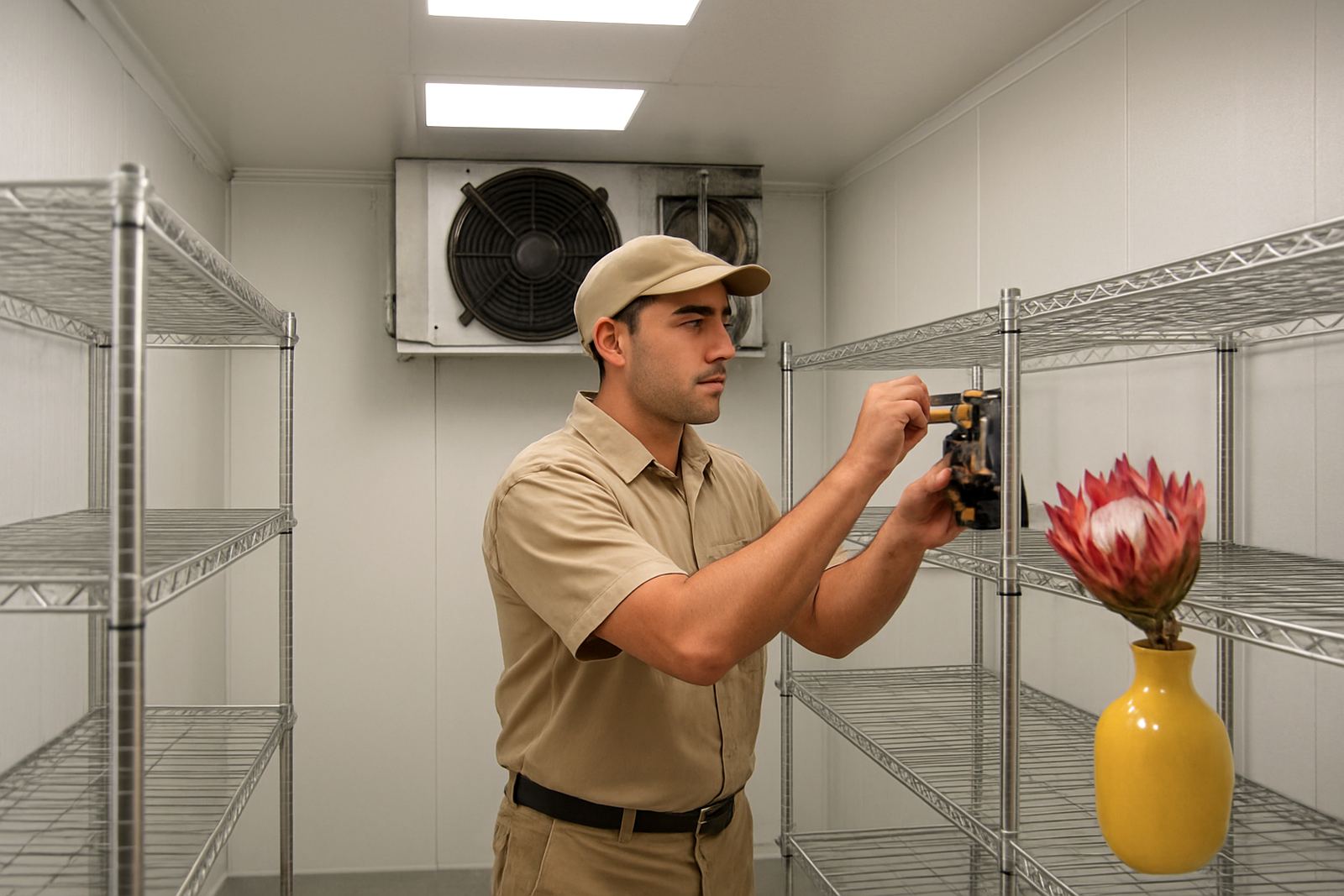
We treat a controller change as more than a simple box swap. Before fitting, we check the supply voltage, compressor amp draw, relay rating, probe position and defrost arrangement. If the unit is controlling a contactor, solenoid valve or fan circuit, the wiring must be matched properly so the controller is not carrying a load beyond its rating. A badly matched replacement can fail early or leave the room cycling too often.
On site we also look at the probe location because the sensor should read the room in a useful spot, not in direct airflow or against an evaporator coil. In some rooms the probe sits too close to the door or too near the outlet fan, which gives false readings and uneven tempertaure control. If needed we reroute the probe, tidy the cable path and seal penetrations so moisture does not track into the panel. For outdoor condensing units and plant rooms, we also check for stable mounting, weather protection and surge risk after outages.
- Confirm supply voltage and relay capacity
- Check probe type and cable condition
- Set cut-in, cut-out and defrost timing
- Test alarms after restart and power failure
- Label the panel for easier future servicing
Care, cleaning and servicing after installation
A controller itself does not need much day-to-day attention, but the system around it does. Dirty coils, blocked drains and weak door seals force the controller to work harder and can make the room cycle longer than it should. We include controller checks in Planned Maintenance and Cold Room Servicing because stable control depends on the whole circuit, not just the display on the wall.
During seasonal start-up we confirm set points, defrost intervals and alarm settings before the first heavy run. During shutdown preservation we back up the settings where possible, isolate the unit correctly and keep the panel dry so it is ready for the next season. If a site has repeated faults, we may test the probe against a known reading, inspect contactor operation and look for voltage dips after load-shedding. That sort of follow-up saves time when the room is busy and the stock is already in.
What to check before you order a replacement controller
If you are replacing a controller, have the following details ready. The more exact the information, the quicker we can match the unit and avoid a second visit. A photo of the old controller, the wiring diagram inside the panel, and the probe details usually help a lot.
- Make and model of the existing controller, if visible
- Cut-out size in millimetres
- Supply voltage and load rating
- Number of probes and their type
- Whether the system uses compressor, fan and defrost outputs
- Room use, for example dairy, produce, meat or flowers
- Any alarm or logging requirements
If the old controller is badly burnt, cracked or dead after a surge, we can still identify the likely replacement from the panel layout and wiring. For shops and farms from Cape Town to the West Coast, we keep the focus on practical fit, easy setting changes and dependable operation during hot spells, humidity and power interruptions.
Western Cape support for repairs and upgrades
Kenny Cape West is based in Montague Gardens and works across Cape Town, Stellenbosch, Paarl, Malmesbury and Vredenburg. We handle call-out repairs, maintenance contracts and cold-room work for shops and farms, so controller replacement can be done as part of a bigger refrigeration check if needed. That helps when a fault has caused repeated icing, poor pull-down or erratic switching and you need the full picture, not only a new front panel.
Whether the job is a small supermarket room, a packhouse line or a farm cold store, we aim to leave the control side clear, labelled and easy to service later. If you are unsure what controller you need, send through the old unit details or ask our team to check the panel on site.
Key facts
| Product type | Digital temperature controller for refrigeration and cold room systems |
|---|---|
| Control range | -50 C to +99 C depending on model |
| Power supply | Common options include 12 V, 24 V and 220 V panel supply |
| Outputs | Compressor, fan, defrost and alarm relay options |
| Probe input | Single or dual probe arrangements, model dependent |
| Use case | Replacement and upgrade for cold rooms, freezers, display units and prep rooms |