Cold Room Shelving That Holds Up in Chilled, Wet Spaces
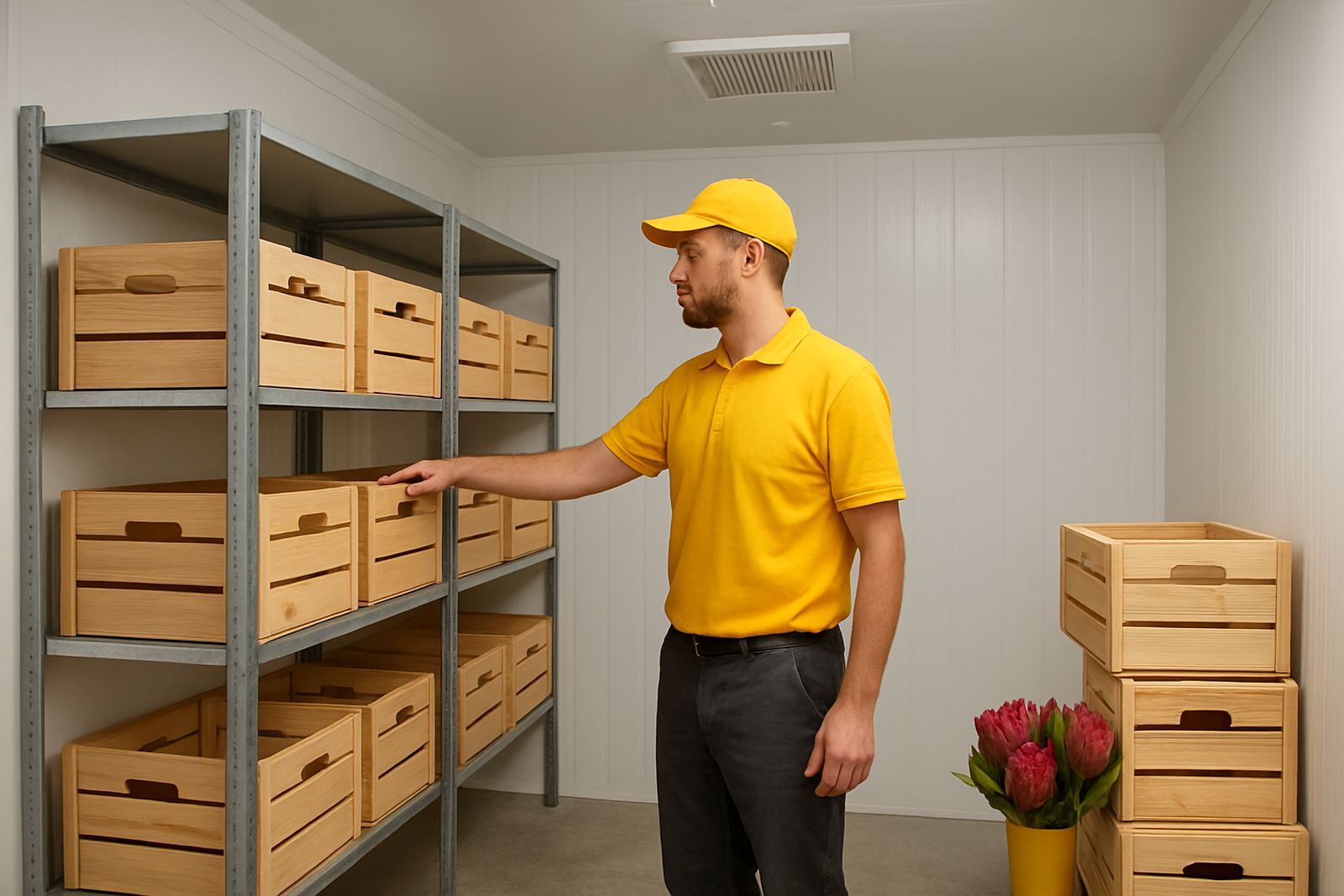
Cold room shelving is made for places where ordinary storage breaks down fast. In a chilled room, freezer or washdown area, you need shelves that can carry crates, cartons and tubs without rusting, bowing or trapping dirt. The right set-up keeps produce, dairy, meat and packed goods organised and easy to reach, while still leaving enough air movement around the walls and evaporator.
For Western Cape sites, that matters in more than one way. Coastal humidity, daily hose-downs and constant opening and closing can wear out light storage quickly. In a freezer, you also have to think about frost build-up and slippery floors. Good cold room shelving helps with both storage and hygiene, and it makes temperature recovery after loading a lot easier.
Sizes, Materials and Shelf Layouts We Supply
Cold room shelving is usually specified by room size, load type and cleaning method. Most systems are supplied in modular sections so they can be arranged around corners, doorways and evaporator clearance. We can help with layouts for small back rooms, walk-in chillers and larger farm cold rooms where pallets, crates or mixed stock need separate zones.
- Common shelf depths: 300 mm, 450 mm, 600 mm and 760 mm
- Common upright heights: 1.5 m, 1.8 m, 2.0 m and 2.4 m
- Typical bay widths: 900 mm, 1 000 mm, 1 200 mm and 1 500 mm
- Open-grid or perforated shelf decks for airflow and drainage
- Adjustable shelf positions for cartons, trays and small containers
- Corrosion-resistant frames for wet areas and low-temperature use
In practice, the best layout is the one that leaves a clear path for staff, stock trolleys and cleaning. If shelves sit too close to the wall or the unit, airflow gets restricted and the room has to work harder than neccesary. That can lead to uneven temperatures and more ice on the coil.
Where Cold Room Shelving Suits Best
This type of shelving is used in chilled rooms, freezers, prep rooms, farm packhouses and back-of-house stores. It suits fruit and vegetable rooms in the Winelands, fishing and seafood storage on the West Coast, butcheries in Cape Town and mixed retail storage where stock rotates every day. It is also useful in rooms that need quick cleaning between shifts or after stock inspections.
We often recommend it where stock has to stay off the floor for hygiene reasons. That includes rooms handling open containers, washed produce, sealed packaging and items that may drip during storage. In municipal and audit checks, clear floor access and cleanable storage are usually easier to manage when shelving is properly spaced and fixed.
- Chilled rooms for fresh produce, dairy and deli stock
- Freezers for frozen goods and backup holding
- Washdown prep areas and hygiene stores
- Farm packhouses and loading rooms
- Retail back rooms and restaurant stores
Installation, Fixing and Clearance Checks
Cold room shelving does not need power or gas connections. It is a mechanical storage product, but it still needs proper installation. Frames should be level, fixed or braced where required, and set so the shelves do not interfere with doors, fans, drains or floor cleaning points. In freezer rooms, correct spacing also helps reduce ice on the lower levels and keeps stock from sitting in cold draughts.
Before ordering, measure the usable floor area and note the positions of the evaporator, light fittings, drains and door swing. If the room has an insulated panel finish or a raised threshold, that can affect shelf leg heights and base clearance. For heavier loads, especially in packhouses and shop stores, we may suggest stronger uprights and additional cross braces so the bays stay square under daily use.
- Check clear width and depth, not just wall-to-wall size
- Allow for door opening, cleaning access and stock movement
- Keep space for airflow around refrigeration equipment
- Confirm floor condition and slope before fixing anything down
- Match shelf height to carton size and operator reach
Care, Cleaning and Servicing in Freezers and Washdown Areas
Good shelving lasts longer when it is cleaned on a routine basis. In washdown areas, residue from salt, sugar, packaging dust and food spillages can build up on shelf joints and posts. In freezers, frost and condensation can gather around fixing points and lower rails. Regular cleaning stops that from becoming a hygiene issue or a rust point.
We advise checking shelf clips, feet and joining points during planned maintenance visits. If a bay is carrying more weight than intended, shelves may start to sag or posts may twist slightly. A quick inspection often catches the problem early. That means less downtime and fewer damaged cartons, trays or crates.
For rooms on the coast, corrosion control is worth attention. Salt air can get into loading areas and open stores even when the cold room itself is sealed. Using the right materials and rinsing down properly after cleaning helps the system stay in service for longer.
What to Check Before You Order
Before you place an order, work through the room properly. A small measurement mistake can leave you with a shelf bay that blocks the evaporator or a corner that cannot be cleaned. We can help you confirm the practical details so the shelving suits the room and the stock on hand.
- Room temperature: chilled, frozen or mixed-use
- Stock type: cartons, crates, tubs, trays or loose items
- Load per shelf and total bay loading
- Cleaning method: wipe-down, hose-down or full washdown
- Floor type: sealed concrete, tiles, drained floor or insulated panel base
- Clearances needed for fans, doors, alarms and temperature logging probes
If you are changing from open floor stacking to shelving, consider how often stock is rotated and which items need to sit at eye level. It helps to map out your fast-moving goods first, then place slower stock on the higher shelves. That keeps the room practical and easier to work in day after day.
Key facts
| Product type | Modular cold room shelving for chilled rooms, freezers and washdown areas |
|---|---|
| Typical sizes | 300 mm to 760 mm depths, 1.5 m to 2.4 m heights, 900 mm to 1.5 m bay widths |
| Materials | Corrosion-resistant frames with cleanable shelf decks |
| Load use | Designed for cartons, crates, tubs and light to medium stored goods |
| Installation needs | No power or gas required, but correct levelling, spacing and clearance are needed |
| Maintenance | Routine cleaning, clip checks, corrosion inspection and load review |