Packhouse cooling built for real loading patterns
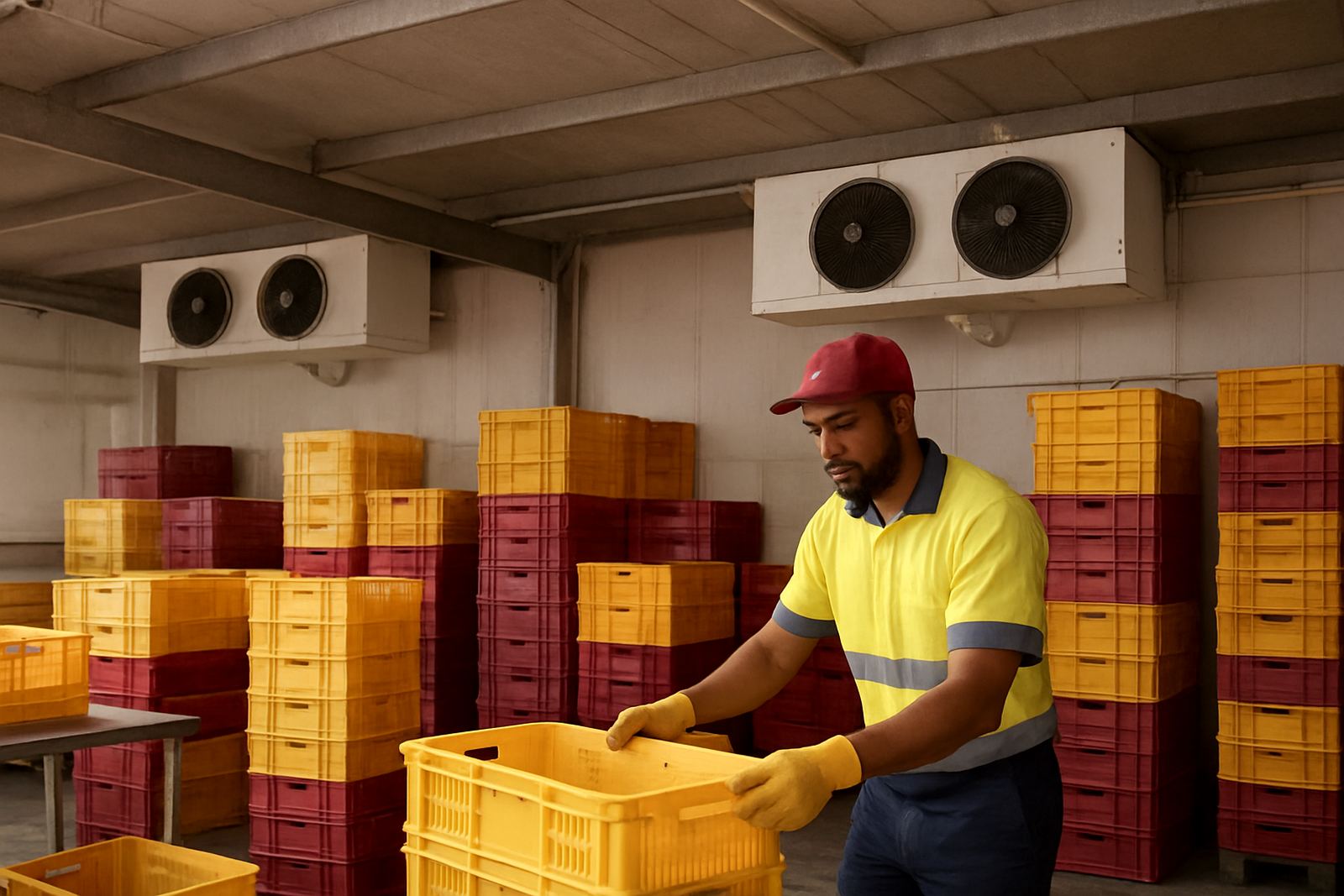
A packhouse cooler is not just a cold room with a bigger fan. It has to recover temperature fast after doors open, move air through stacked bins or cartons, and keep product in good condition while teams load, sort and dispatch. In the Western Cape that means dealing with summer heat, coastal humidity and the stop-start rhythm of farm work.
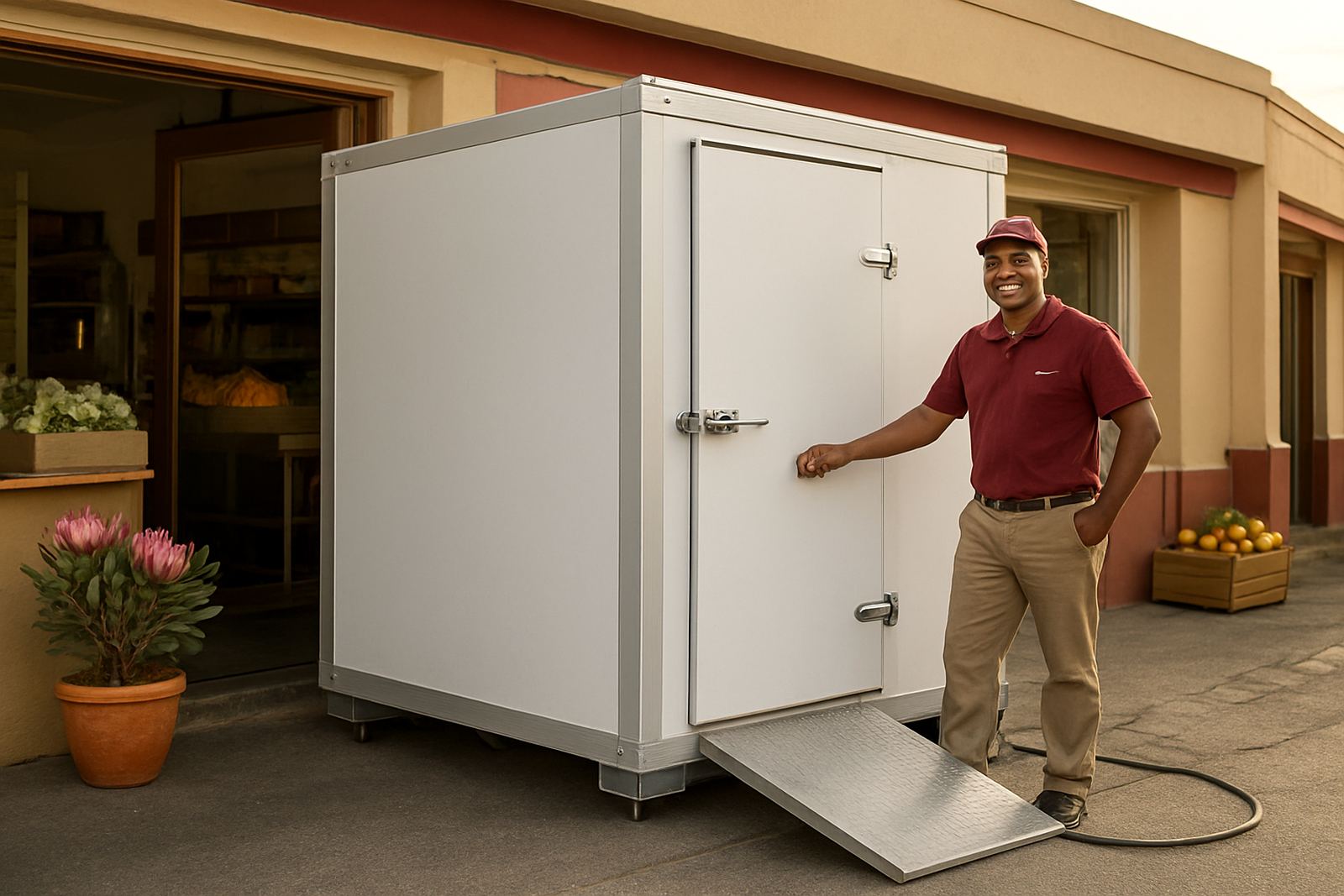
These units suit fruit and vegetable handling areas, pre-cooling rooms, dispatch rooms, grading areas and holding space near wash lines. Where produce comes in warm, the cooler needs enough capacity to pull down the load without freezing the product skin or drying the packs. We look at the room size, product volume, door use and the way forklifts or trolleys move through the space before recommending equipment.
Sizes and layout options for farms and pack sheds
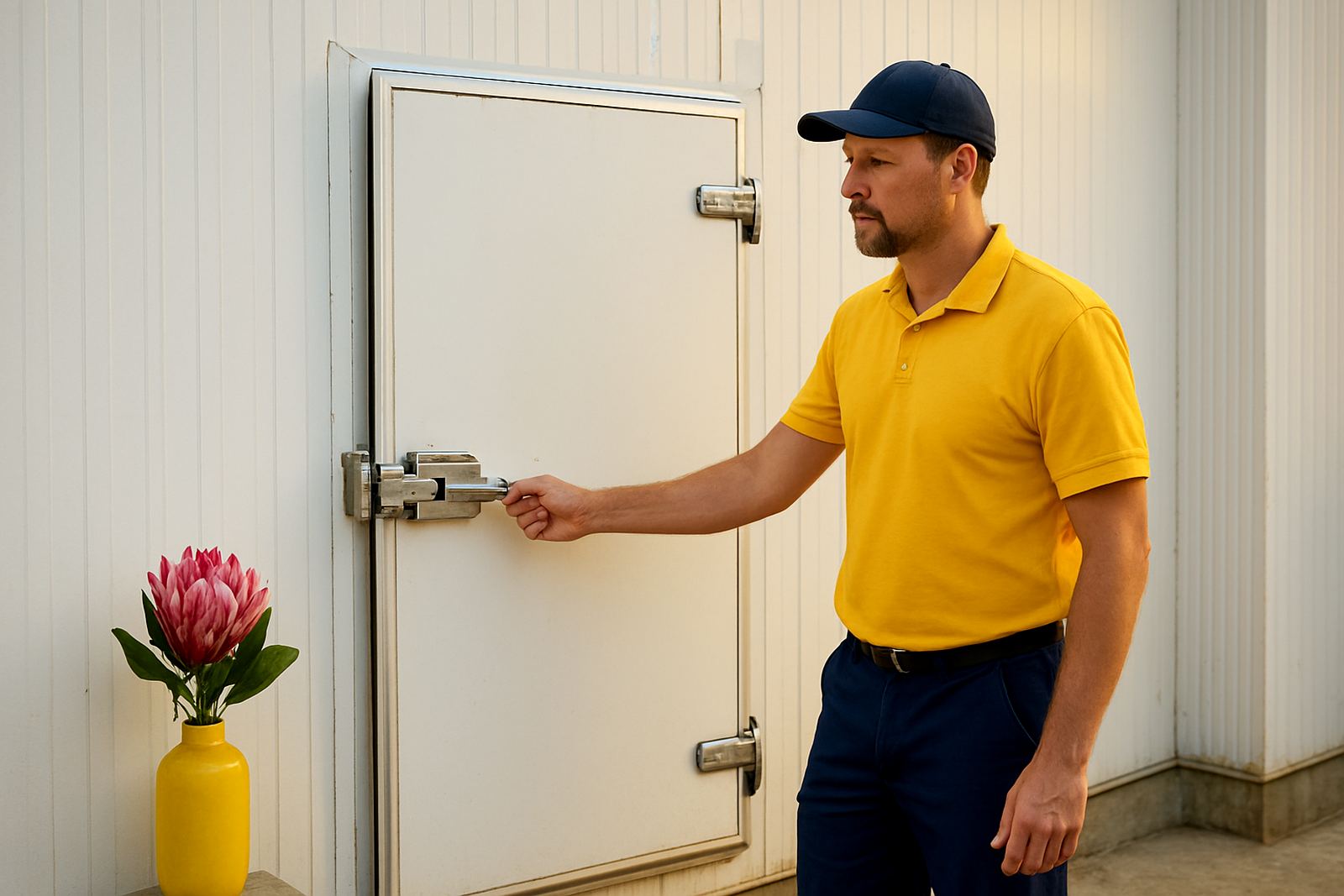
Packhouse coolers are usually specified by room volume, product turnover and the target holding temperature. Smaller rooms may suit one or two evaporator units, while larger pack sheds often need split capacity across more than one fan bank so airflow stays even around the load. Access doors, strip curtains and dock positions also matter because poor loading access can waste cooling and slow the team down.
- Small holding rooms for short-term staging and overnight storage
- Medium dispatch rooms for cartons, trays and mixed produce lines
- Larger pre-cool areas for high turnover packhouses and farm depots
- Units with ceiling or wall-mounted evaporators depending on roof height and racking
For sites in Stellenbosch, Paarl and the Winelands, we often work around existing pack lines and tight service spaces. On the West Coast, where air is harsher and salt can affect fittings, we pay closer attention to corrosion resistance and service access.
What the installation needs on site
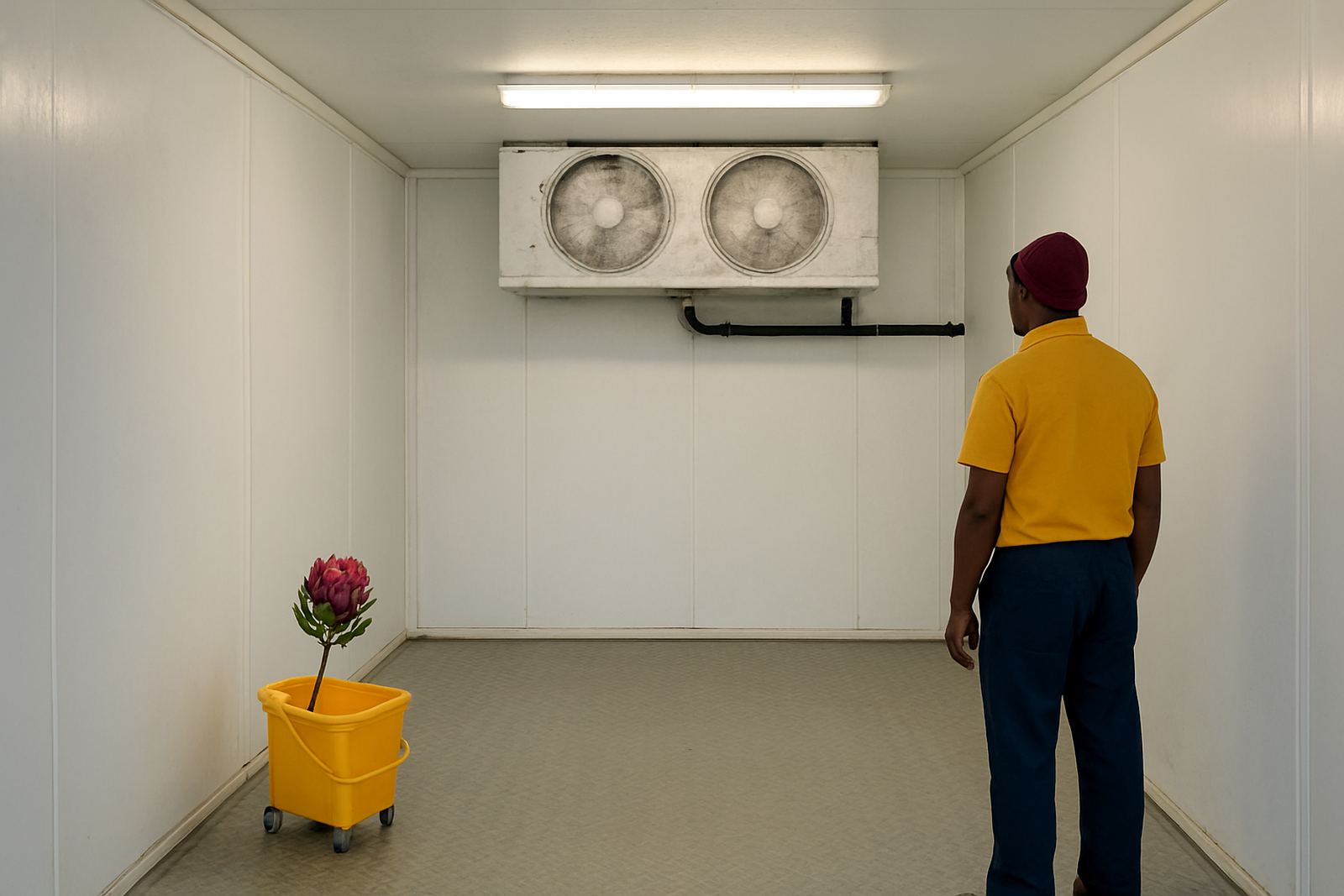
Installation starts with airflow and drainage. A packhouse cooler needs clear return air paths, sensible product stacking heights, and drainage that can handle defrost water without backing up under the slab. Electrical supply must match the start-up load and running load, especially where load-shedding or weak supply can cause nuisance trips. If the site uses backup power, the cooler must be set up to restart cleanly after changeover.
We also check the insulation, door seals and roof condition before fitting new equipment. If the room leaks air, the plant will run longer and the temperatures will swing more than they should. Gas pipe runs, condensate lines and service valves need to be placed where technicians can reach them, not buried behind cartons or fixed shelving.
- 3 phase power is often preferred for larger packhouse loads
- Voltage stability and cable sizing should be checked before commissioning
- Drain lines must fall away properly and be protected from blockages
- Outdoor condensing units need good airflow and weather protection
Where a packhouse cooler works best
This type of cooling equipment suits packhouses, citrus and deciduous fruit handling areas, vegetable depots, export staging rooms and farm stores that need controlled temperature before dispatch. It also works well in mixed-use spaces where produce is sorted during the day and held overnight for transport the next morning. In Cape Town and Montague Gardens, it is often used where there is steady truck movement and a need for quick pull-down after loading.
If your operation handles produce at different temperatures, we can separate zones or match the cooler to the highest-risk product first. That helps protect shelf life and reduces losses caused by warm spots near the doors or under the fan throw. The aim is practical, not fancy: keep the product in range and keep the team moving.
Servicing that keeps temperatures steady
Packhouse coolers need routine care if they are going to hold temperature through long shifts and hot weather. Dust, fibre, pollen and carton debris collect on coils and block airflow. Condensate drains can clog with slime or scale, and that leads to water on the floor or ice where it should not be. We handle planned maintenance, emergency call-outs and seasonal start-up checks for sites that open and close at different times of year.
- Coil cleaning to keep air movement strong
- Drain clearing before blockages cause water damage
- Leak detection where gas loss is pushing running times up
- Temperature logging to check if the room is holding set point
- Shutdown preservation for off-season rooms and farms with stop-start use
For coastal sites near the West Coast, salt in the air can speed up wear on fittings and external coils, so regular checks matter even more. A small issue caught early usually costs far less than spoiled produce or a failed dispatch morning.
What to check before you order
Before we quote or install, it helps to have a few site details ready. The more accurate the information, the better the match between the cooler and the actual job on the floor. If you are unsure, send what you have and we will work through the rest with you.
- Room length, width and height in metres
- Product type, daily intake and expected holding time
- Target temperature range and any humidity concerns
- Door size, door position and how often it opens
- Power supply available, including backup or generator use
- Any existing insulation, panels or old equipment on site
For farms around Malmesbury, Paarl, Stellenbosch and the Cape Town metro, we can also advise on maintenance timing around harvest, packing peaks and shutdowns. That helps reduce breakdown risk when the room is working hardest.
Key facts
| Application | Produce handling, pre-cooling, dispatch and short-term holding |
|---|---|
| Typical room size | Small to large packhouse rooms, sized to site volume and turnover |
| Temperature control | Set to the produce range required for the room |
| Power supply | Single or 3 phase, subject to load and site conditions |
| Installation needs | Insulated room, drainage, clear airflow and service access |
| Service intervals | Routine coil cleaning, drain checks and refrigerant leak checks |