What a milk cooling unit does on a working farm
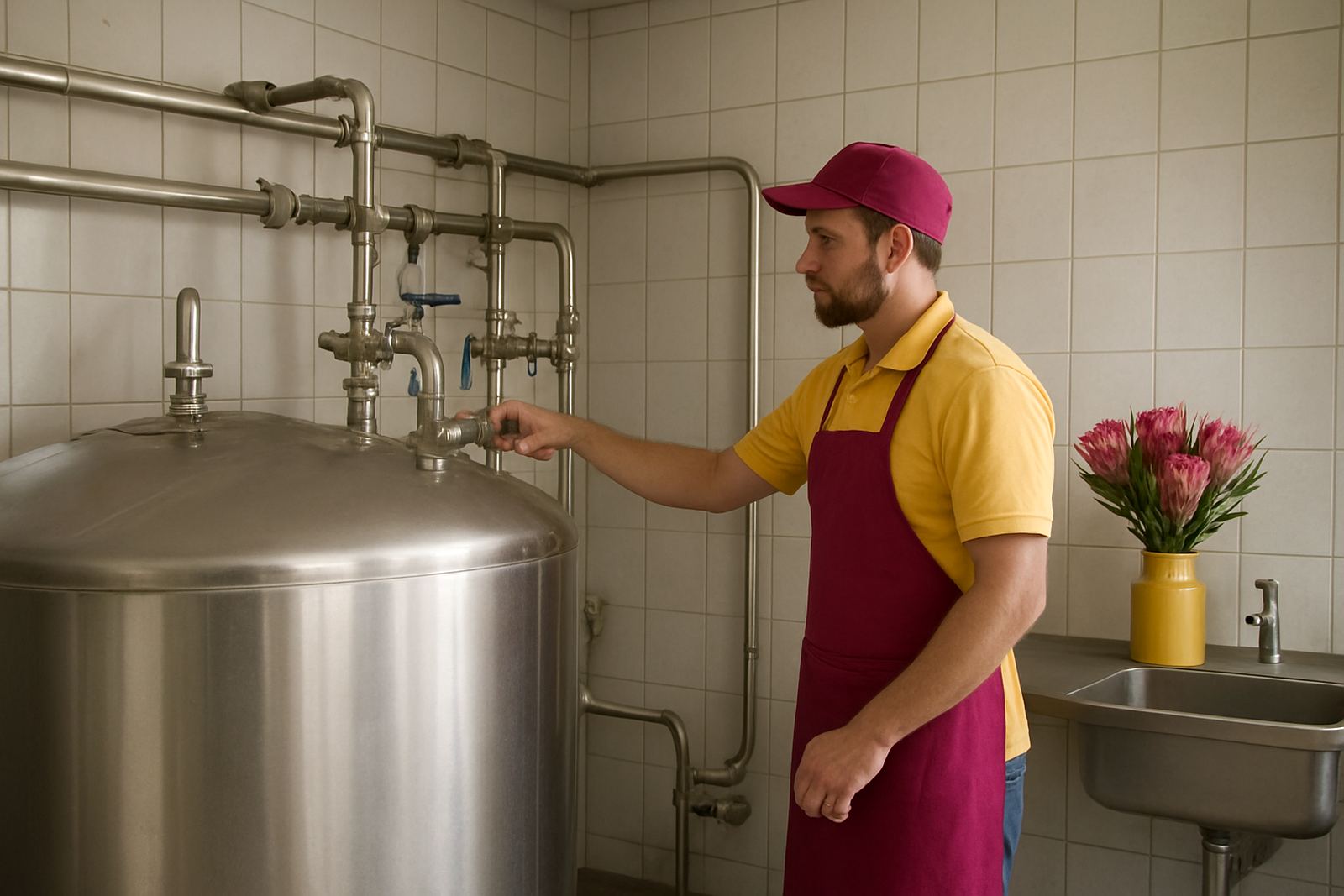
A milk cooling unit is cooling support equipment used to bring milk down to safe holding temperatures after milking and keep it there until collection or transfer. In practical terms, it helps limit bacterial growth, protects quality and gives the farm a more controlled milk room, especially where daytime heat builds up fast in summer.
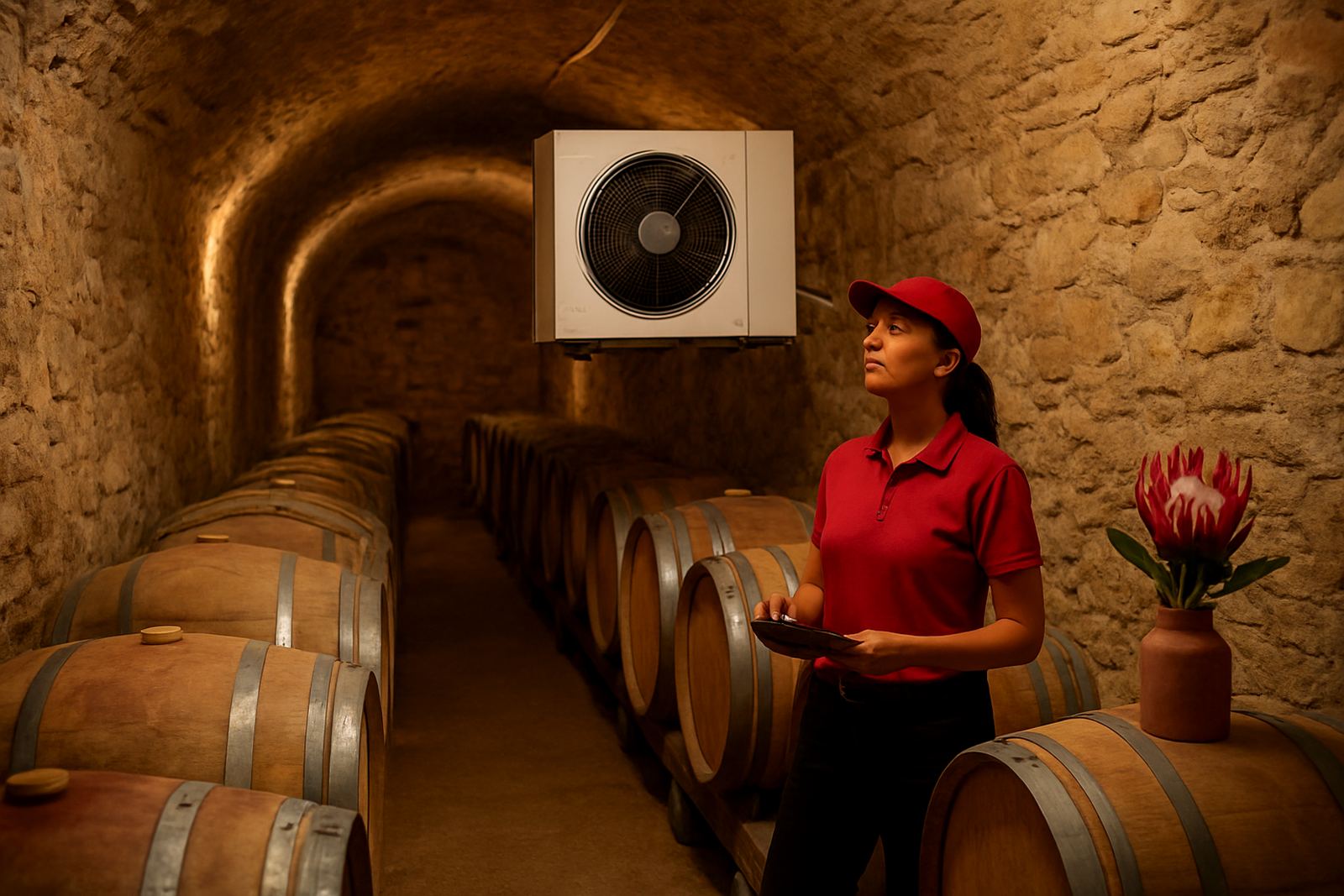
On many Western Cape farms the unit sits alongside a holding tank, wash area and drain point. It must handle frequent start-stop cycles, warm incoming product and the realities of dusty yards, salt air on the coast and power interruptions inland. The right unit is sized to the daily volume, the room temperature and how fast the milk needs to recover after each milking.
Sizes, configurations and cooling capacity
Milk cooling units are available in compact and larger duty sizes, depending on herd size and milk handling flow. Smaller setups suit a few hundred litres a day, while larger installations support higher turnover and longer holding periods. We match the unit to the tank size, room airflow and the expected ambient conditions in places like Paarl, Stellenbosch and Malmesbury.
- Small farm room units for low to medium daily volumes
- Split configurations where the condenser can be placed outside the milk room
- Air-cooled options for straightforward installation and easier servicing
- Higher-capacity units for faster pull-down after milking
- Units set up for temperature logging and visible checks during daily routines
Where a farm has a tight plant room, we can help plan a practical layout that leaves space for cleaning and access to valves, filters and electrical parts. That makes later maintenance easier, which matters when staff turnover is high or the site is busy at milking time.
Where this equipment suits best
This product suits dairy holding rooms, small farm milk rooms, collection points and prep areas where milk must stay cold before transfer. It is also useful where the dairy operation is not fully automated and staff need a clear, easy-to-manage cooling system. For coastal and inland Western Cape conditions alike, the unit should be selected for the real room temperature, not just the rated milk volume on paper.
It is a good fit where the operation needs practical temperature control, basic daily checks and dependable service support from Cape Town out to the West Coast. If the site also stores other perishable goods, we can look at how the milk room cooling ties in with cold-room work, leak detection and seasonal start-up before summer.
- Milk holding rooms on working farms
- Dairy sheds with limited plant space
- Farmyards affected by heat, dust or coastal humidity
- Operations needing planned maintenance between seasons
Installation, power and refrigerant considerations
Correct installation is just as important as the unit itself. The site needs a stable base, good air circulation around the condenser, proper drainage and easy access for cleaning. If the room is poorly ventilated the unit works harder, uses more electricity and may struggle during hot afternoons. That is a common problem in older farm rooms where the walls hold heat.
Power supply should be checked before ordering. Most milk cooling units need a dedicated electrical feed, correct breaker sizing and safe isolation for service work. In load-shedding areas, the farm should decide whether the unit will run on standby power, a generator or a staged cooling plan. For gas-based systems, the refrigerant circuit must be installed and tested by a qualified technician, with leak detection completed before handover.
- Check the available supply voltage and breaker capacity
- Confirm room ventilation and condenser clearances
- Plan drainage for wash water and condensation
- Allow space for isolators, gauges and future servicing
Care, cleaning and servicing that keep milk cold
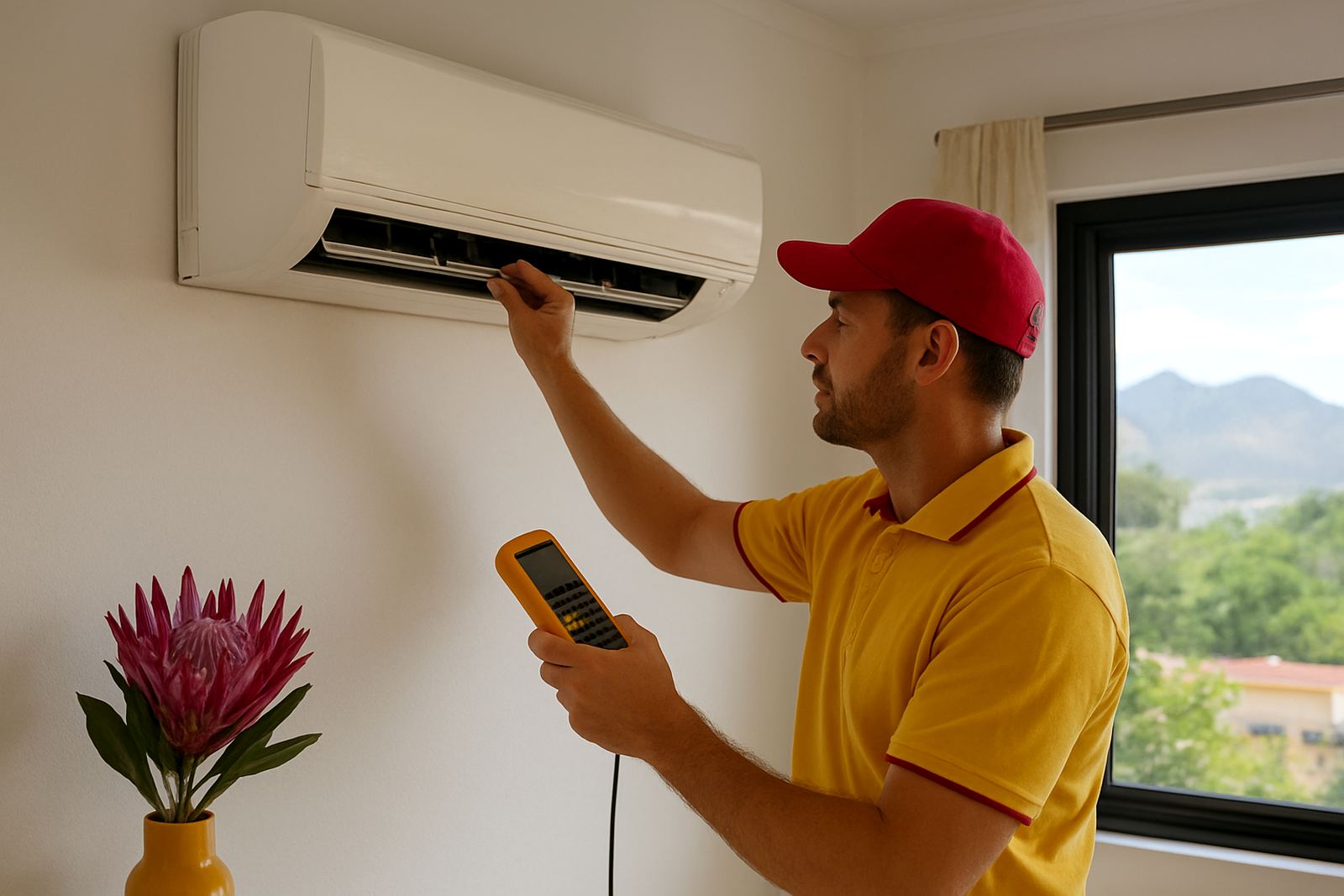
Milk cooling units need regular care to stay efficient. Dust on coils, blocked drains and poor airflow all affect performance, and on farm sites these issues build up quickly. We recommend scheduled cleaning of the coil surfaces, checking drain lines, inspecting fan motors and confirming the temperature control settings at regular intervals.
Our service approach can include planned maintenance, emergency call-outs, coil cleaning, drain clearing, seasonal start-up and shutdown preservation. For clients with cold-room work on the same site, we can coordinate the milk room service with the rest of the refrigeration plant so the farm is not left with multiple visits for small jobs.
- Wipe down and sanitise accessible surfaces as part of the daily routine
- Keep vents and condenser coils free of dust and chaff
- Check temperature logs and note any unusual recovery times
- Report oil stains, ice build-up or odd noises early
What to check before you place an order
Before ordering, it helps to have a few site details ready so the unit is sized and supplied correctly. The biggest mistakes usually happen when the milk volume, room heat load or power supply is guessed instead of measured. A short site assessment can save costly changes later.
Have these details ready when you call or email callouts@kennycapewest.co.za: daily litres handled, tank size, room dimensions, whether the room is indoors or partly exposed, power supply details and whether the farm needs temperature logging. If the site is in Cape Town, Montague Gardens, Stellenbosch, Paarl, Malmesbury or Vredenburg, we can plan the call-out and installation around local access and working hours.
- Daily milk volume and peak summer volume
- Milk room size, ventilation and floor drainage
- Electrical supply and any generator backup
- Need for logging, alarms or remote checks
- Service access for cleaning and repairs
Key facts
| Product type | Milk cooling unit for farm milk room and dairy holding applications |
|---|---|
| Typical use | Cooling support for fresh milk before collection or transfer |
| Capacity range | Small to larger duty sizes, selected to match daily litres and room heat load |
| Power requirement | Dedicated electrical feed, breaker size and isolation to be confirmed on site |
| Installation options | Air-cooled or split arrangement depending on layout and access |
| Service support | Planned maintenance, emergency call-outs, leak detection, coil cleaning and temperature logging |