What a glycol cooling loop does on site
A glycol cooling loop is a closed secondary circuit that carries chilled water or a water-glycol mix from a main chiller plant to remote areas. The main unit makes the cooling, then the loop moves that cooling to air handling coils, process equipment, cold rooms or prep areas without sending refrigerant through every room. That makes the layout easier to manage, especially where pipe runs are long or where access is tight in a working building.
For Western Cape sites, this setup is useful in shops, packhouses, wineries, food prep rooms and farm process areas. It helps with steady temperature control when the weather swings hard between morning and afternoon, and it gives better freeze protection for outdoor pipework in colder inland areas. It is also a practical choice where humidity and salt air can punish exposed parts near the coast.
Sizes, loop options and typical specs
There is no one-size answer here. Loop size depends on the heat load, the distance to each point of use, the temperature you need to hold, and whether the site needs backup during peak demand. We normally look at pump head, pipe diameter, insulation thickness and the glycol concentration before a layout is signed off.
- Pipework size: commonly 22 mm to 89 mm, depending on flow and distance
- Loop fluid: water with food-safe glycol blend or standard glycol blend, based on application
- Operating supply temperature: often between -8 C and +7 C for process and cold-room support
- Typical return temperature rise: about 4 C to 8 C, depending on load
- Pump sets: single or duty standby, with isolation valves and strainers
- Control package: thermostats, flow switch, pressure gauges and low-temperature safety cut-out
Some sites only need one short loop serving a single room. Others need a ring main with several branches, especially where the room list changes over time. We can size it for a small back-of-house area or a larger farm process line where the load changes through the day and the team needs stable conditions, not guesswork.
Where glycol loops suit best
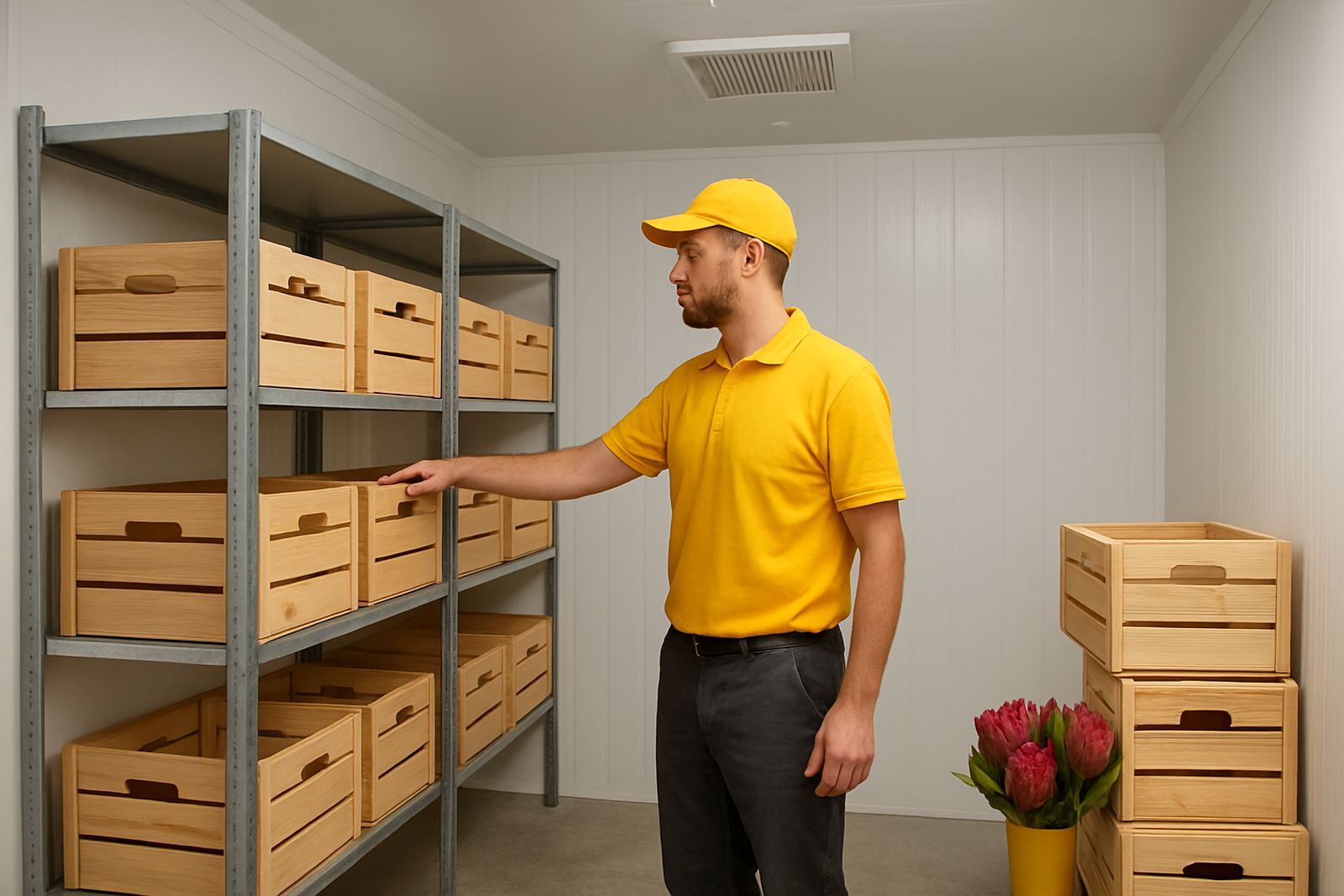
These systems suit places where temperature stability matters more than a simple on-off cooler. They are often used for product holding rooms, washdown-adjacent areas, fermentation support, packaging lines, and cold rooms that sit away from the main plant room. The loop keeps the cooling source central, while the chilled fluid travels to the space that needs it.
They also suit properties with awkward building layouts, older structures, or areas where direct refrigerant pipe runs would be too long. On farms and in Winelands facilities, this can keep service points together and reduce the amount of plant scattered around the site. In coastal towns, keeping the main equipment in one protected spot can also help reduce corrosion and service issues.
- Shops with back-of-house prep or holding areas
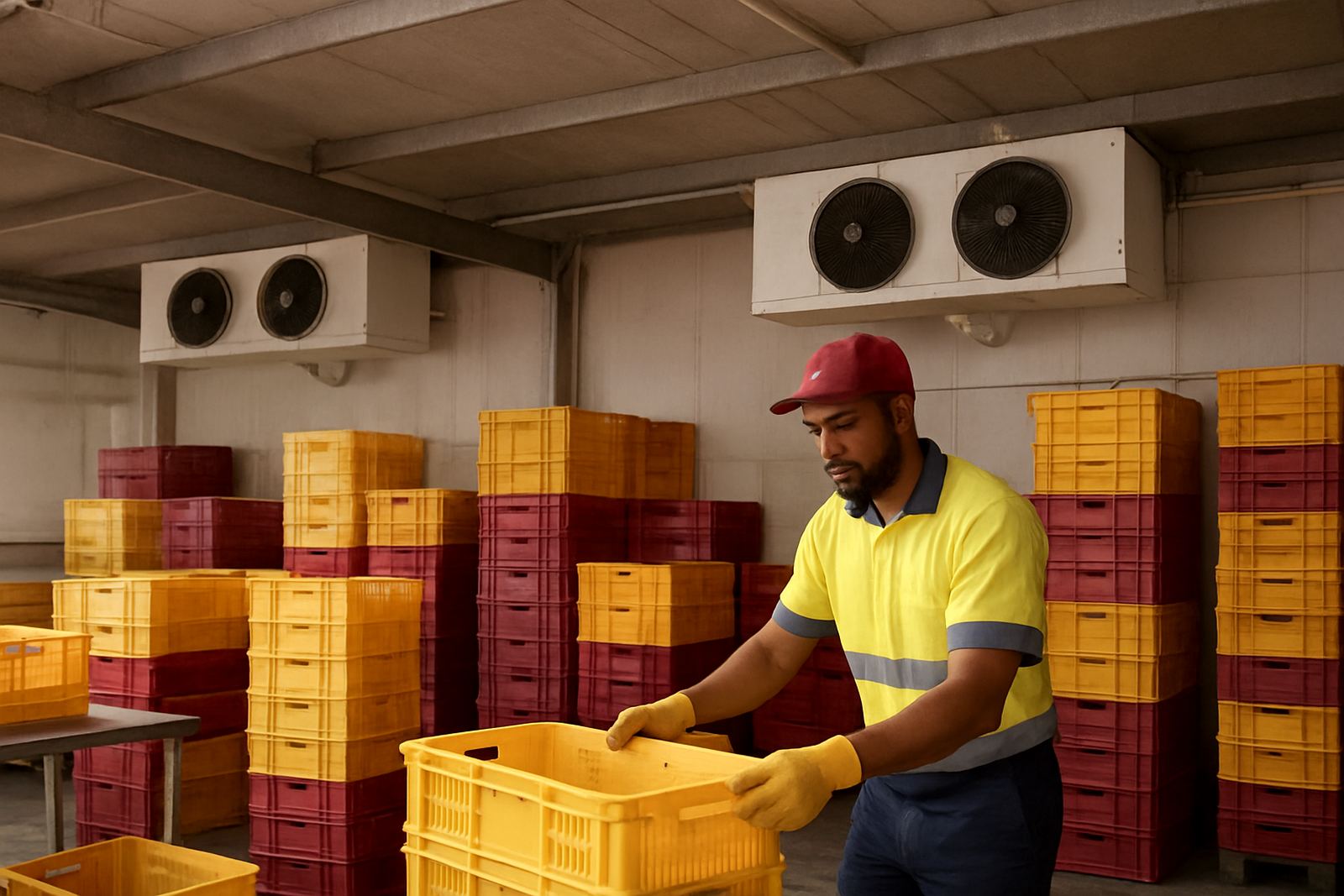
- Farms with packhouses, dairies, and produce handling rooms
- Wineries and beverage areas needing controlled temperatures
- Specialised rooms with long pipe runs or multiple branches
- Sites that need easier maintenance access for staff and technicians
Installing the loop and planning for power
Installation starts with the site load, pipe route and control point layout. We check where the equipment can sit, how far the loop must travel, and whether the area has enough space for valves, pumps, strainers and service access. Good insulation is essential, because poor insulation will sweat in summer and lose capacity fast. We also check drain points and air vents so the system can be filled, bled and serviced without a mess.
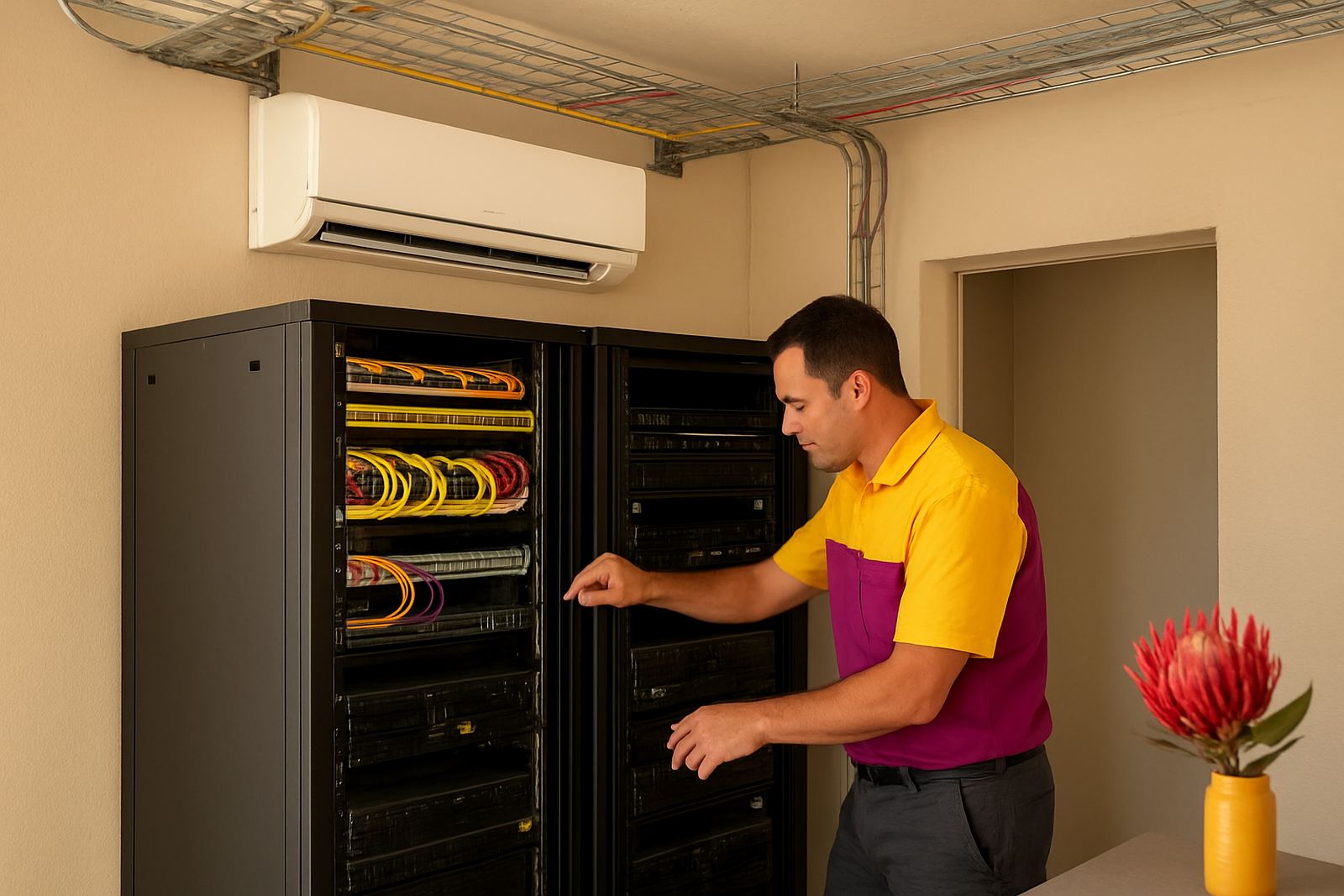
Power needs depend on the pump set, controls and main chilling plant. Most small to mid-size systems need a stable single or three-phase supply, while larger installations may need a dedicated circuit with protection for the pump starter and control gear. If your site has load-shedding or unstable supply, we can plan for safe restart, staged start-up and alarm settings that prevent short cycling. Where gas refrigerant is part of the main plant, the secondary loop keeps that refrigerant contained at the plant side, which can make the working area simpler to manage.
- Check available electrical supply before ordering
- Allow space for valves, gauges and future service access
- Confirm whether the loop will run indoors, outdoors, or both
- Specify insulation for coastal humidity or cold inland conditions
- Plan for backup power or safe shutdown if the site loses supply
Care, servicing and temperature logging
A glycol loop needs regular care if you want it to stay accurate and efficient. We inspect pump operation, check pressure, clean strainers, test glycol strength and look for air in the line. If the mix is wrong, freeze protection drops and the system can lose capacity, especially on cold mornings or during long shutdowns. A yearly check is the minimum for most sites, while busier operations often need planned maintenance more often.
Temperature logging is useful on food and process sites because it shows what happened during the night, over weekends and during power interruptions. That record helps you prove compliance, spot a failing pump early, and catch a drifting thermostat before stock is affected. For sites that close for part of the year, shutdown preservation is also worth doing so the loop does not sit idle and then fail on restart.
- Check glycol strength and pH on a planned schedule
- Clean strainers and inspect pumps for noise or vibration
- Confirm insulation is dry and intact, no sweating on the lines
- Review temperature logs after outages or heavy load periods
What to send when asking for a quote
If you want the right loop first time, send the room sizes, target temperature, what product or process is being cooled, and where the unit will sit. It also helps to know if the site is in Cape Town, Montague Gardens, Stellenbosch, Paarl, Malmesbury or Vredenburg, because access, coastal air and ambient conditions affect the design. A clear photo of the plant area and pipe route can save time as well.
Please include whether this is for a new install, an upgrade or a repair to an existing system, and tell us if the site has any restrictions around noise, drainage or power. If the room is used daily, say when it can be switched off for work. The more exact the brief, the easier it is to match the pump size, pipe size and glycol concentration to the job. A small detail left out now can become a weak point later, so its worth checking the basics carefully.
- Room dimensions and target temperature
- Distance from plant to point of use
- Supply voltage and phase available
- Whether the site needs food-safe fluid or standard fluid
- Any special access rules, shutdown windows or night work needs
Key facts
| Product type | Secondary chilled fluid cooling loop |
|---|---|
| Typical fluid | Water and glycol mix selected to suit the site |
| Common operating range | -8 C to +7 C supply, subject to design |
| Pipe sizes | 22 mm to 89 mm, depending on flow and route length |
| Control items | Pump set, valves, pressure gauges, flow switch and temperature controls |
| Best suited for | Process areas, cold rooms, packhouses, shops and specialised rooms |