Harvest cooling that keeps pace with picking
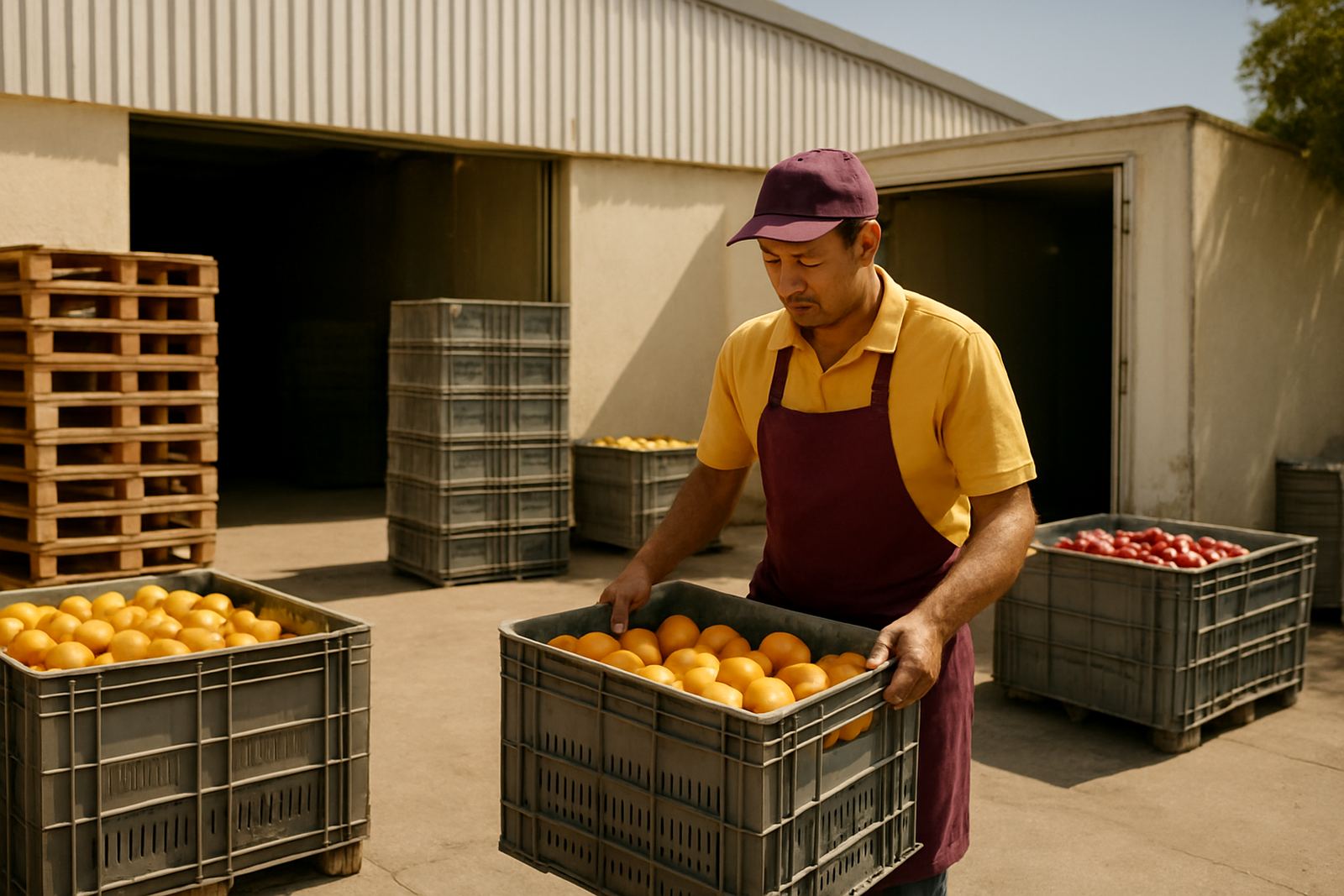
When fruit comes in fast, the cooling side has to keep up or the whole operation starts chasing temperature instead of planning it. On farms, the pressure is usually highest in harvest weeks, when bins arrive warm, packers are working long shifts and produce has to move from field to shade to cold storage without delay.
We work with farms that need practical help for temporary holding, packhouse cooling and cold rooms that must stay reliable through the season. That includes call-out repairs, planned maintenance and checks on systems that are running day and night in dusty or windy conditions. Along the West Coast, inland near Paarl and Stellenbosch, or closer to Cape Town, temperature swings and load-shedding can put extra strain on compressors, controls and fans.
For fruit, a small fault can become a grading issue very quickly. A blocked drain, a dirty coil or a sensor that reads a bit off can change the room conditions enough to affect shelf life. That is why the work is not just about fixing a breakdown, it is about catching the little issues before they turn into spoiled pallets.
Typical equipment on a fruit farm site
Most fruit farms do not run one simple system. They often have a mix of packhouse cooling, ripening or holding rooms, split units in offices and staff areas, and cold rooms for short term storage before dispatch. The layout can include insulated panels, ceiling mounted evaporators, external condensing units and temperature probes linked to logging or alarms.
- Cold rooms for punnets, cartons and bulk bins
- Packhouse cooling for sorting and packing areas
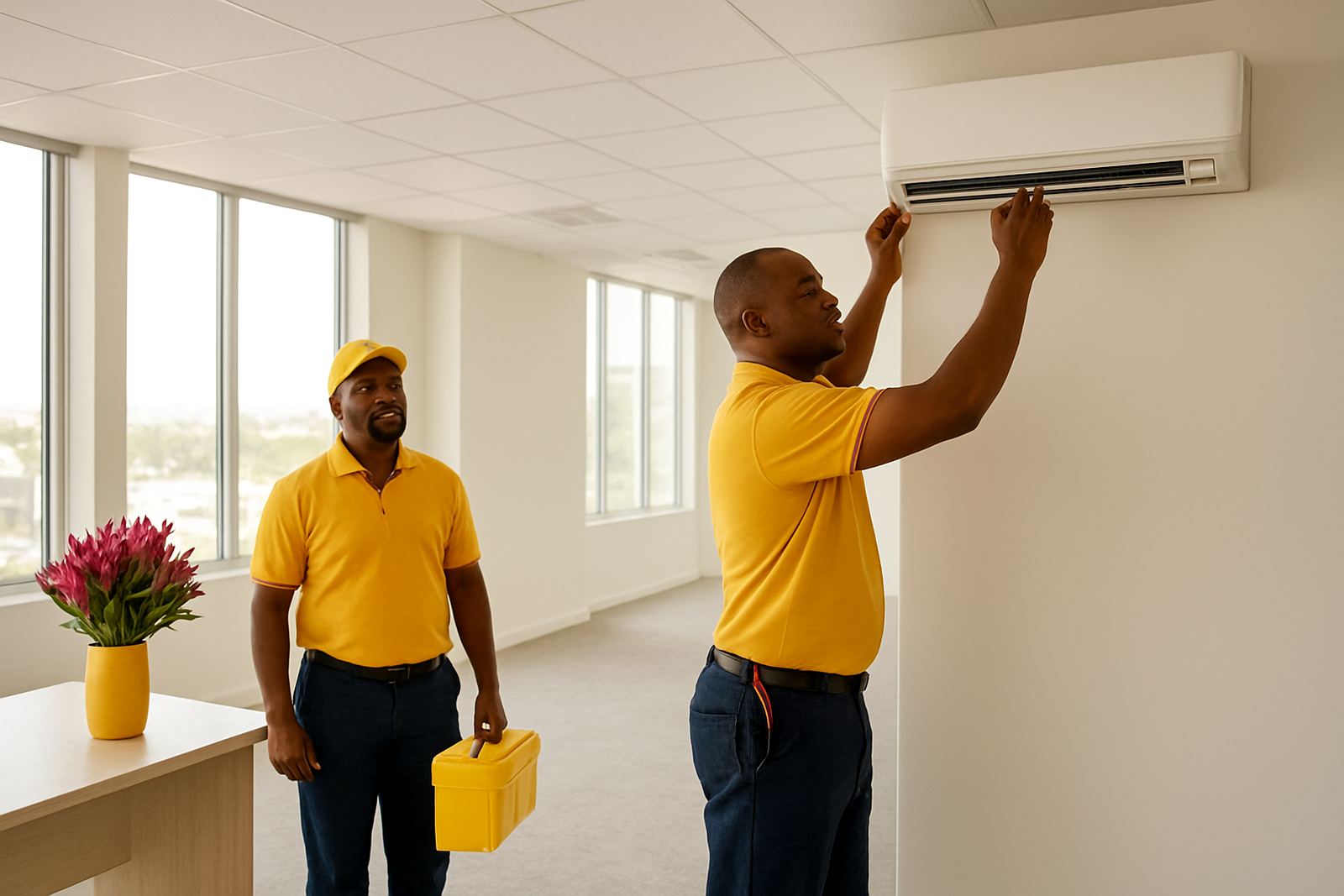
- Aircon units for control rooms, offices and staff spaces
- Temperature logging for compliance and traceability
- Seasonal start-up checks before harvest begins
- Shutdown preservation for off-season protection
In coastal areas like Cape Town and the West Coast, salt air can affect metal parts faster than growers expect. In the Winelands, dust and crop residue can clog fins and drain pans. Both conditions need proper cleaning and inspection, not just a quick rinse.
How to plan the layout around the crop flow
The best cooling layout follows the movement of produce, not the other way around. Fruit should move from intake to sorting to cooling with as few warm handovers as possible. If carts, pallets or forklifts are backing up at a doorway, that door will sit open too long and cold air is lost. That is where a simple layout review can save money every week.
We normally look at door placement, room size, airflow around evaporators, where the condensers are mounted, and how easy it is to clean and service each unit. If a room is always full to the roof line, air circulation becomes uneven and the top pallets warm up first. If a unit is too small for the room or the product load, it runs flat out and still cannot pull down fast enough.
Good planning also means allowing for washdown, drainage and access for service tools. A compressor or fan coil should not be buried where nobody can reach it after hours. On farms, the thing that saves the most time is usually the simple detail, like enough clearance around equipment and a clear route for technicians during a call-out.
Common mistakes that cost fruit quality
Many cooling problems on farms start with habits that seem harmless during a busy week. A room may be overloaded because there is nowhere else to put product. A door may be propped open for just a few minutes at a time. A unit may keep running even after the season because nobody had time for shutdown preservation. These small choices add up.
- Skipping coil cleaning until airflow is badly reduced
- Ignoring minor refrigerant leaks and topping up repeatedly
- Using damaged door seals that let in warm air
- Setting one temperature for mixed product types that need different conditions
- Leaving drain lines blocked, which leads to pooling and odours
- Not logging temperatures during power interruptions or after product moves
A common issue is thinking a room is fine because the product still feels cold to the touch. By the time that change becomes obvious, the internal core temperature may already have moved outside the target range. The right checks catch that earlier.
Maintenance that makes the season easier to run
Planned maintenance is cheaper than stopping a packhouse when fruit is waiting. For farms, we usually recommend pre-season servicing, regular cleaning during peak months and a proper review before shutdown. That includes coil cleaning, leak detection, drain clearing, temperature logging checks and inspections of electrical parts, fan motors and controls.
Load-shedding adds another layer. If the backup process is not thought through, a room can warm up fast and then take hours to recover. The answer is not only backup power, it is also a workable restart plan, good door discipline and equipment that is clean enough to pull down quickly when supply returns. In older systems, dirty condensers and weak fans make recovery far slower than it should be.
We also help with seasonal start-up so the system is ready before the first big intake. That can include testing temperature set points, checking condensate flow, confirming alarms and making sure the room is not fighting against blocked airflow or a poor defrost cycle.
Budget ranges for farm cooling work in Rand
Costs depend on the size of the room, the number of units, how easy the equipment is to reach and whether the fault is a minor service issue or a bigger repair. A simple call-out in the Cape Town area is usually one bracket, while farm sites in Stellenbosch, Paarl, Malmesbury or Vredenburg may add travel and after-hours time if the issue is urgent.
As a rough working range, a basic service visit for one unit can start from about R950 to R1 850, while more detailed maintenance on a packhouse setup may run from R3 500 to R12 000 depending on how many systems are included. Leak detection and repair work can vary from about R1 500 to R6 500 before parts, and cold-room fault finding on larger systems can go higher if compressors, controls or fan motors need replacing. Emergency call-outs after hours will cost more, especially during peak harvest when every hour counts.
For farms, it is usually best to budget in two parts. One part for routine maintenance, and one part for unexpected repairs. That keeps the season moving without the shock of a large unplanned bill.