What fisheries need from a cold chain in practice
In fisheries, the problem is rarely only one machine. The real issue is keeping product in temperature while fish moves through sorting, washing, glazing, packing and dispatch. A room can look fine on paper, then lose control when the yard gets busy, a door sticks open, or a drain blocks and ice starts building up around the floor. That is when spoilage begins and the holding room becomes a risk instead of an asset.
For seafood handlers in Cape Town, Montague Gardens, Stellenbosch, Paarl, Malmesbury and Vredenburg, the challenge changes with the season. Summer brings high ambient temperatures and more compressor strain. Winter brings damp coastal air, corrosion and slower drying of floors and fittings. Add load shedding, and any weak point in the system shows up quickly.
We work with operators who need practical uptime, not fancy talk. That means quick fault finding, regular servicing, and layouts that make sense for wet product areas, ice storage and cold holding. It also means planning for short outages and keeping temperatures logged so the team knows what happened, not just what was guessed later.
Typical equipment in a seafood site
A fisheries site usually combines a few different systems, each with its own job. One unit may cool the holding room, another may support ice production, and another may handle a prep area or office space. If one part is undersized or badly placed, the whole site can feel it.
- Cold rooms for chilled fish, boxed product and short-term holding
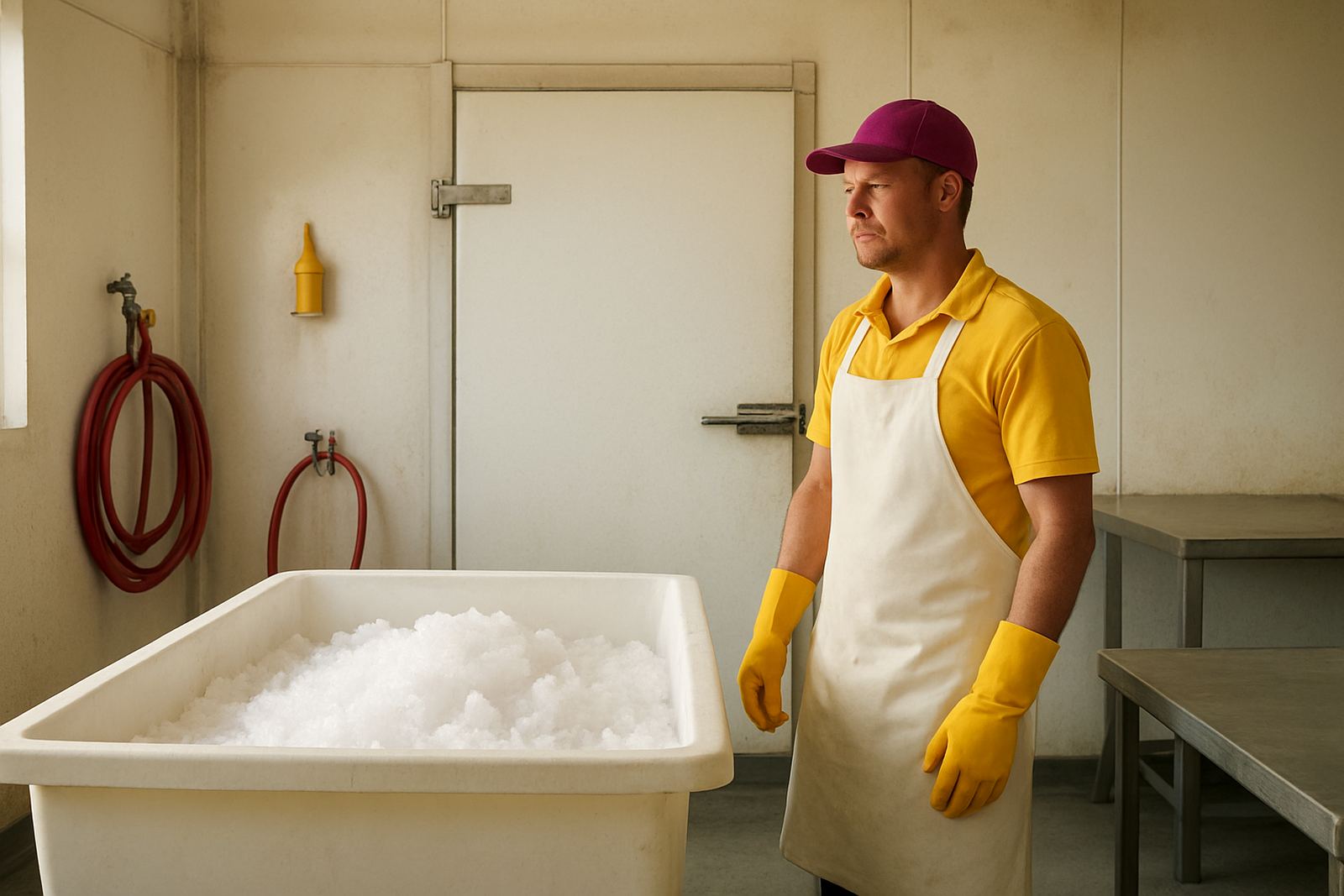
- Ice machines or ice storage bins for packing and display support
- Split aircon units in offices, weigh rooms and staff spaces
- Condenser and evaporator coils that need frequent cleaning in salty air
- Drain lines, traps and floor drains that must stay open and sanitary
- Temperature loggers and manual checks for compliance and traceability
We also see backup arrangements around generators, change-over controls and alarm systems. If the site uses a standby supply, the refrigeration should be reviewed after any power event because motors, contactors and controls can behave differently after repeated interruptions. Coastal humidity and salt spray can also shorten the life of outdoor components, so protective placement matters.
Layout and planning that helps the cold room work harder
Good seafood cooling starts with the layout. Put the hottest working area as far as possible from the coldest storage point, and keep traffic flowing in one direction. If boxes are crossing each other or the door opens onto a busy wash area, the room will fight itself all day. A simple path from receiving to sorting to ice or cold holding is usually better than a cramped, clever one.
Door size, strip curtains, floor fall and drain positions all matter. So does where the condenser sits. If it is in a dusty service yard or against a wall with poor airflow, it will run longer and use more power. In a fishery, long run times are expensive and can mean temperatures climb too slowly after loading. That is a sign the system is working harder than it should.
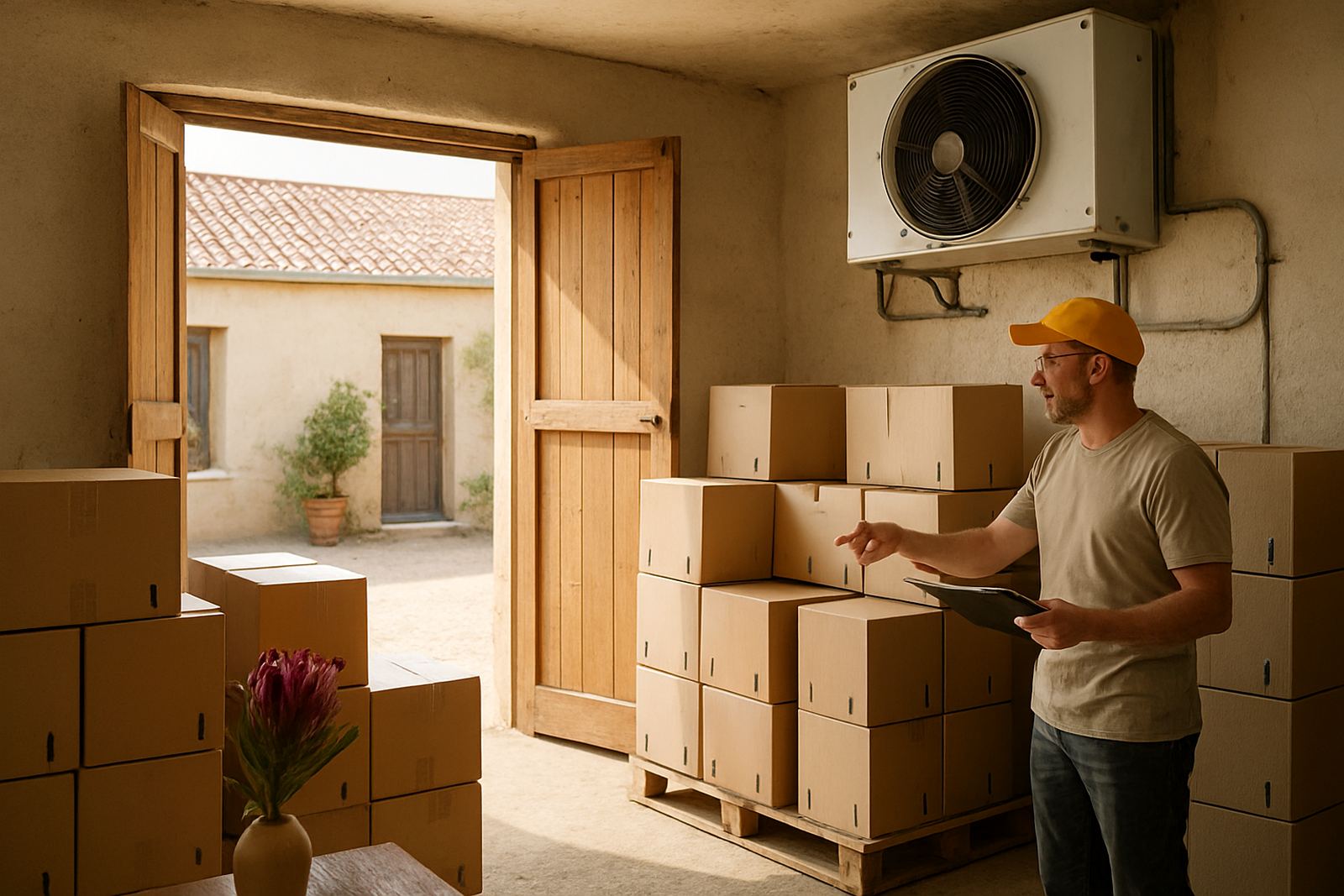
We usually advise operators to keep maintenance access clear, allow enough room around equipment for coil cleaning, and separate wet cleaning areas from electrical points. It sounds basic, but many failures come from small planning mistakes that could have been fixed early.
Common faults we see on fish and seafood sites
Most emergency call-outs come from a short list of issues. They often start as small warnings and then become a bigger problem during a busy shift. If product is moving fast, there is not much time to recover once the room starts warming.
- Blocked drains causing ice build-up, smells or water on the floor
- Dirty coils reducing cooling and pushing compressor run time up
- Damaged door seals letting in warm moist air
- Gas leaks that cause weak cooling and unstable temperatures
- Fan motor faults or icing on the evaporator
- Overloaded circuits or nuisance trips after load shedding
We also find that temperature records are sometimes incomplete, which makes it hard to prove how long product was off spec. A proper logging routine helps the manager act earlier and gives better support for audits, customer checks and internal quality control. On seafood sites, that paper trail matters nearly as much as the machine itself.
Maintenance that keeps seafood moving
Planned maintenance saves money because it stops small faults from turning into spoilage or downtime. For fisheries and cold stores, we recommend a schedule that matches the site load, not just the calendar. A busy packing room may need monthly checks, while a smaller holding room may do well on a quarterly plan with seasonal start-up before the hot months and shutdown preservation after peak use.
Our service work includes coil cleaning, drain clearing, leak detection, temperature logging, and checks on electrical components, fans and controls. Where a site handles mixed duties, such as seafood plus general chilled goods, we can separate the maintenance plan by room so the high-risk areas get the right attention.
Maintenance contracts are often the better choice for businesses that cannot afford surprise breakdowns. They also help with budgeting, since you can spread cost through the year instead of paying only when something has failed. In the Western Cape, that can be especially useful when a site is dealing with seasonal catches, holiday trading or export peaks.
Budget ranges for fisheries refrigeration in Rand
Costs depend on room size, access, equipment age and whether the work is planned or urgent. A small call-out for a minor fault will cost less than a compressor replacement, and a simple service is far cheaper than losing product in a warm room. For practical budgeting, these are the ranges many fisheries sites work with:
- Basic call-out and fault finding: from about R950 to R1 850
- Routine servicing for a small cold room or aircon unit: about R1 250 to R3 500
- Coil cleaning, drain clearing and logging checks: about R1 500 to R4 500
- Maintenance contracts for multi-room sites: often from R3 500 per month upward
- Cold-room repairs, parts and gas work: can range from R2 000 to well over R25 000 depending on the fault
Ice systems and larger holding rooms need a site visit before any firm number is given. Access on farms near Malmesbury or in coastal areas around Vredenburg can also affect labour time and call-out planning. The best way to keep spend under control is to catch faults early and keep equipment clean, dry and easy to service.
How Kenny Cape West supports fisheries across the Western Cape
Kenny Cape West is based in Montague Gardens, Cape Town and supports fisheries, processors and seafood handlers across Cape Town, Stellenbosch, Paarl, Malmesbury and the West Coast. Our team handles emergency call-outs, planned maintenance, cold-room servicing, leak detection, aircon servicing and seasonal start-up work. We also assist with shutdown preservation when a site needs to sit idle for a period and come back safely.
If you are running a packing room, ice plant or short-term cold holding area, we can help with practical checks and straightforward advice on layout, equipment condition and service intervals. The goal is simple: keep seafood cold, keep records clear, and reduce avoidable breakdowns.
For call-outs or a maintenance discussion, email callouts@kennycapewest.co.za.