When a deli starts losing temperature during trading
A deli does not have much room for failure. If a chilled counter creeps up by a few degrees, or a prep fridge starts icing over, product quality drops fast and staff spend the day shuffling stock around. In the Western Cape, that can happen after a power cut, during a hot spell in Stellenbosch or Paarl, or when salt air and dust build up around the condenser in Cape Town and the West Coast.
We are called in when a display cabinet is sweating, a cold room is taking too long to pull down, or the unit is running all day without reaching set point. For customer-facing counters, the symptoms are often easy to see: warm shelves, noisy fans, water on the floor, or doors that do not close cleanly. These are the jobs where early call-out work saves stock and avoids a full shutdown.
Most deli owners want two things from a service team, quick fault finding and clear advice on what can wait. That is how we work. We look at the equipment, the trading pattern and the room conditions first, then we decide whether the issue is a blocked drain, a gas leak, a failing fan motor or simply poor airflow around the cabinet.
Typical deli equipment we service and maintain
Delis usually run a mix of small and medium refrigeration units, plus one or two aircon systems that keep the shop floor comfortable for staff and customers. The exact set-up changes from a small farm store near Malmesbury to a busy food counter in Cape Town, but the same core equipment keeps turning up.
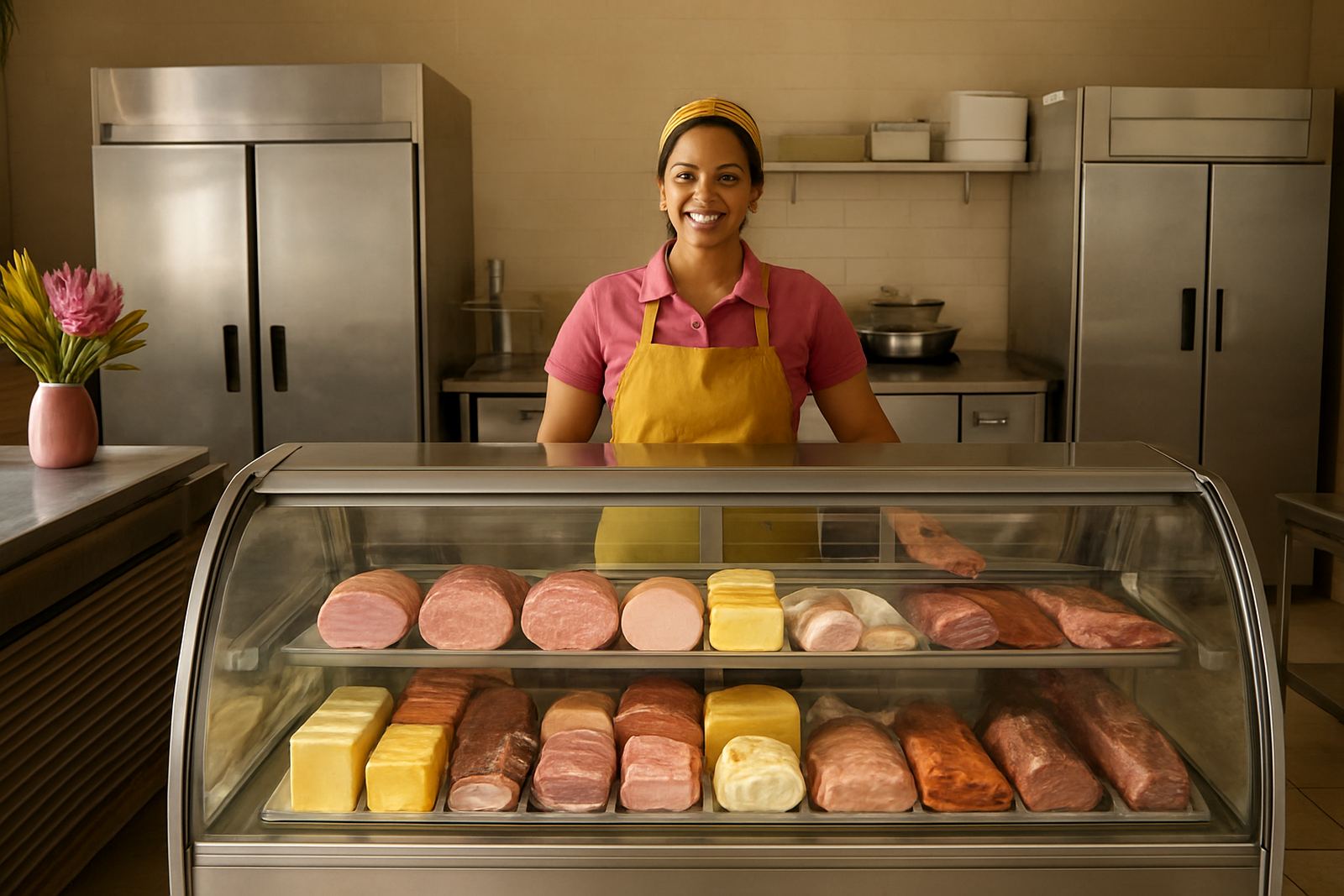
- Chilled service counters and open display cabinets
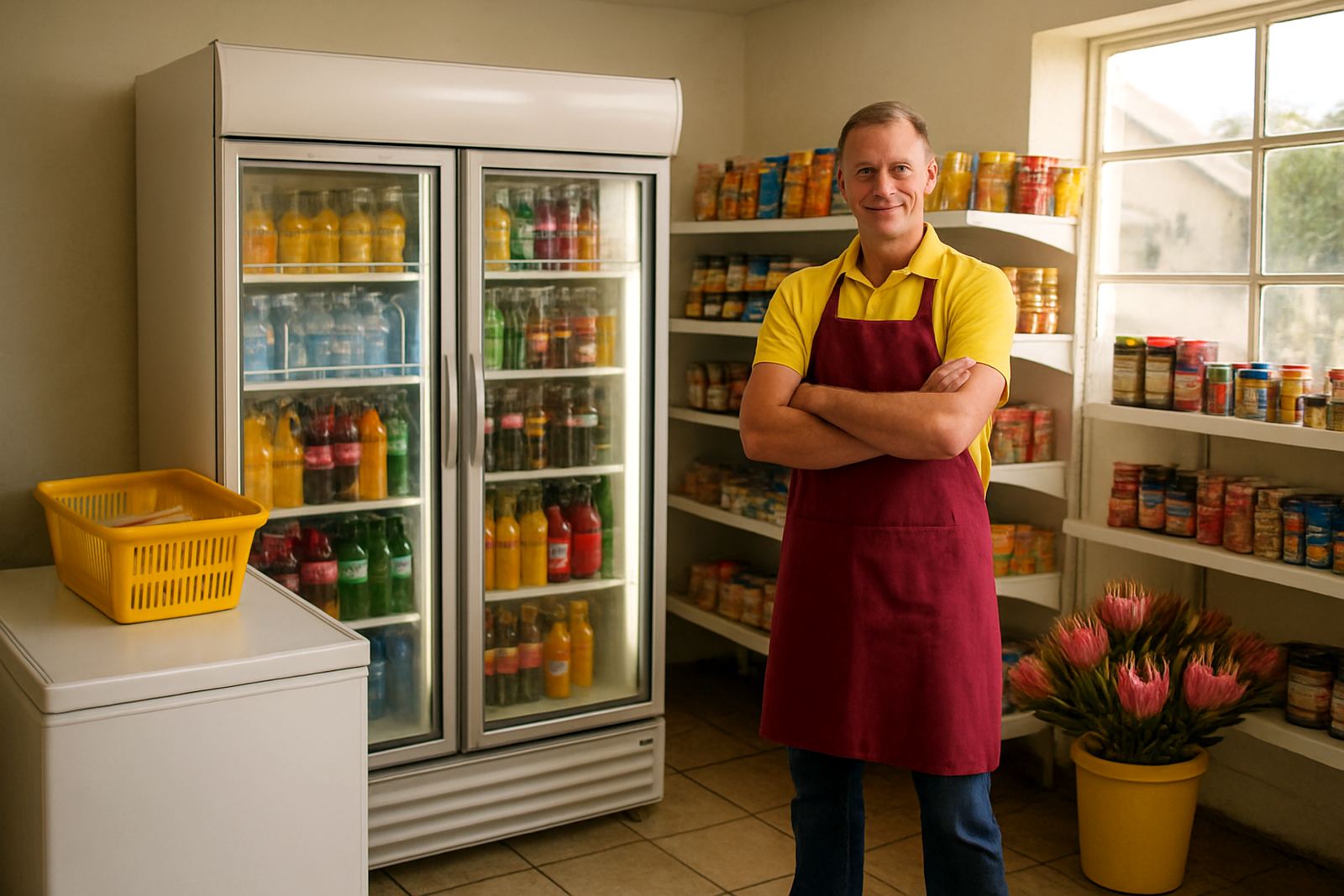
- Under-counter prep fridges and storage fridges
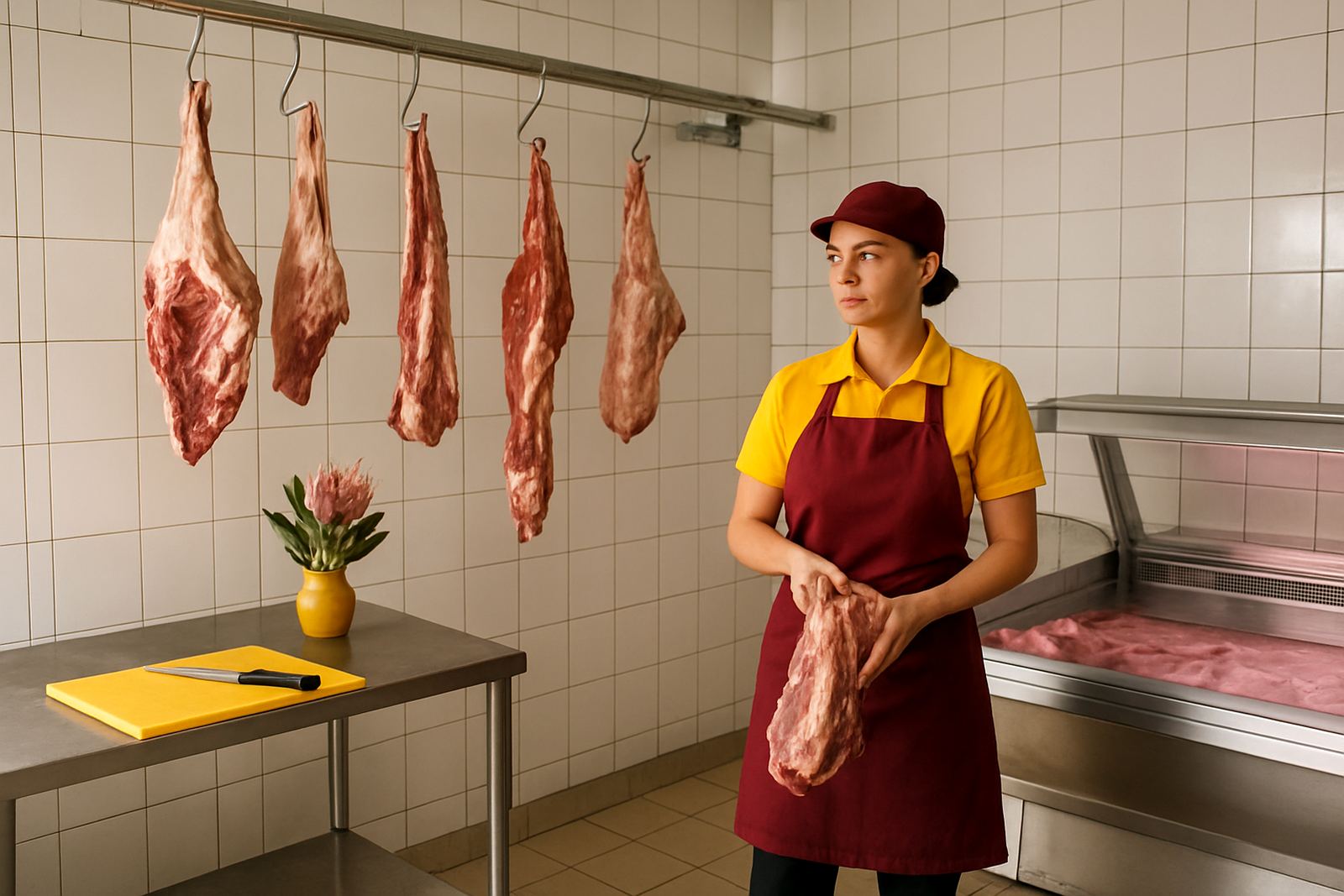
- Walk-in cold rooms for meat, dairy and ready-to-go stock
- Ice machines and accessory cooling equipment where fitted
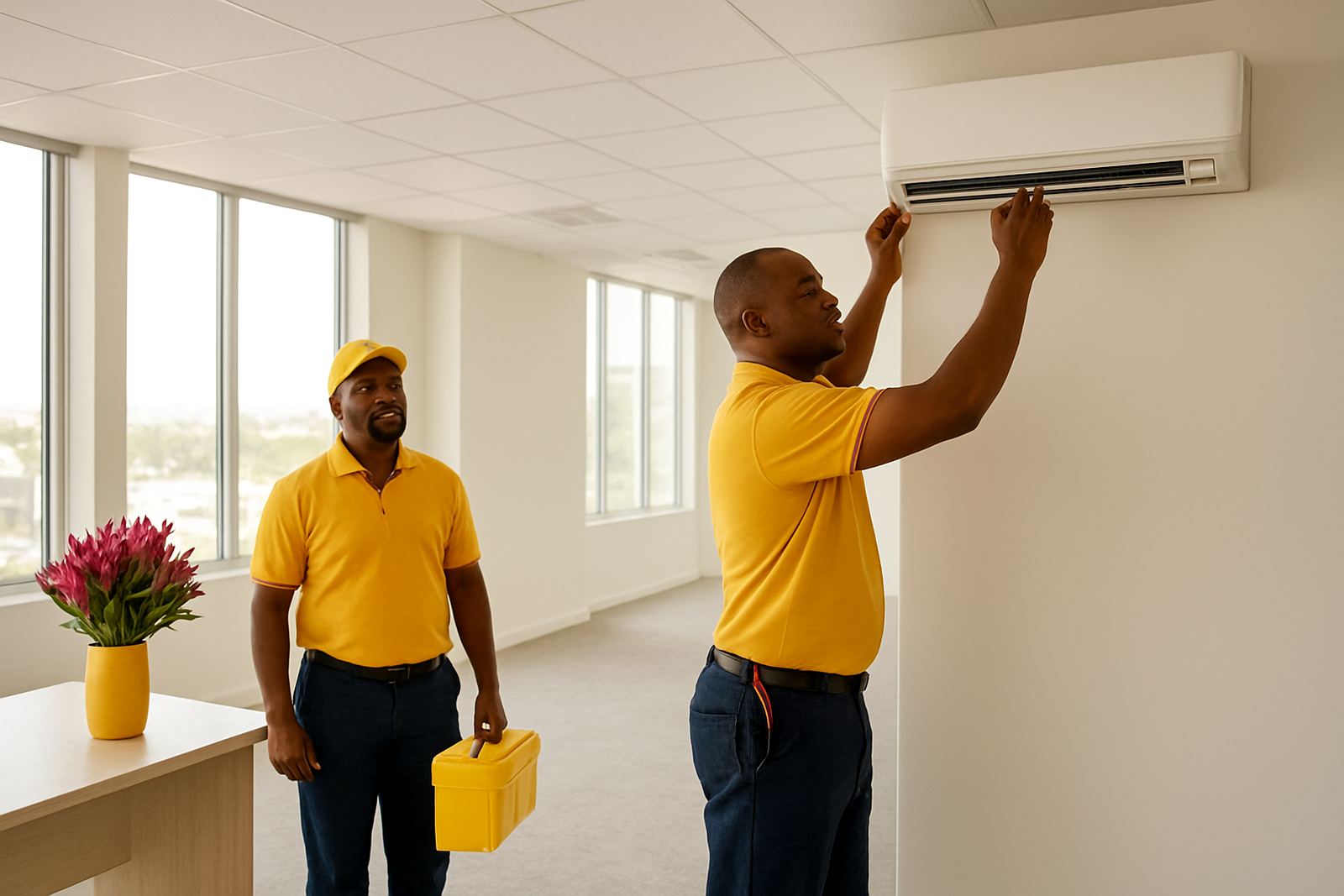
- Split aircon units for shop floor, prep areas and offices
We handle planned maintenance, emergency call-outs, cold-room servicing, aircon servicing, leak detection, temperature logging, coil cleaning, drain clearing, seasonal start-up and shutdown preservation. For deli work, temperature logging matters because it shows whether the problem is constant or only appears at busy times when doors open often and the counters take a heavy load.
On some sites the refrigeration and the aircon are in the same tight back-of-house area. If the condenser air is recycling in that space, both systems suffer. That is common in older buildings and in converted retail units, so it is worth checking ventilation before paying for repeated repairs.
Layout advice for shops, farm stores and food counters
A good deli layout makes the refrigeration easier to maintain. Units should have enough space around them for airflow and cleaning, and service access should not be blocked by stacked crates or seasonal stock. In a cramped back room, technicians can waste valuable time just getting to the drain tray or isolating the unit.
When we assess a deli site, we look at traffic flow, heat sources and the way the doors are used during trading. A cabinet placed next to a sunny window, bakery oven or coffee machine has to work harder. Likewise, a cold room with poor door discipline will lose temperature faster than most owners expect. Small changes in layout can reduce call-outs and lower the power bill.
- Keep condenser intake and discharge areas clear by at least 600 mm where possible
- Do not push cabinets tight against walls if it blocks service panels
- Separate hot prep equipment from chilled display areas
- Check that floor drains and condensate runs slope correctly
- Allow space for night covers, cleaning and shutdown storage
For shops in coastal areas such as Vredenburg or the greater Cape Town area, salt in the air can speed up corrosion on outdoor units and brackets. That means the service plan needs a bit more attention, especially for coil cleaning and checking fasteners before they seize up.
Common deli refrigeration mistakes that cost money
The most common problem is waiting too long. A cabinet that is only a little warm today often turns into a spoiled stock issue by the end of the week. Another mistake is letting staff clear ice or wash down equipment without checking drain points and fan covers. That can lead to blocked drains, wet floors and repeat faults.
We also see units overloaded with product, especially before weekends or public holidays. Air has to move through the cabinet properly or the compressor keeps running without much benefit. If stock is packed too tightly, the customer-facing display may look full but the centre of the cabinet can be much warmer than the reading near the probe. That is a common trap.
Other regular issues include dirty coils, tired door seals, incorrect thermostat settings, and repeated power interruptions without a proper restart check afterwards. In areas where load-shedding still affects trading, a planned shutdown and start-up routine helps protect compressors and avoids nuisance trips when power returns.
- Do not ignore a unit that runs longer than usual
- Do not store boxes against air inlets or return grilles
- Do not rely on one temperature reading only
- Do not skip drain clearing before peak season
- Do not restart equipment after an outage without checking for faults
Maintenance contracts that suit trading hours
For delis, maintenance works best when it fits around opening hours. A quiet weekday morning in Montague Gardens is not the same as a Saturday rush in Paarl, so the service plan needs to match your trade pattern. We set up planned visits to check filters, fans, drains, temperatures and overall condition before issues become urgent.
Regular servicing also gives you records you can use internally. Temperature logging, service notes and fault history make it easier to show due care if there is a stock loss dispute or a municipal or food-safety question later on. It also helps decide whether a unit is worth repairing or whether a replacement should be budgeted for in stages.
For deli operators, a maintenance contract usually costs less than repeated emergency call-outs over a busy quarter. Smaller sites may budget from about R1 500 to R3 500 per month depending on the number of units, access and after-hours needs. Larger stores with cold rooms, multiple counters and aircon systems can sit from about R4 500 to R12 000 per month. Emergency repairs are usually quoted per visit, with simple faults often starting from around R850 to R2 500, while compressor, gas leak or controller work can run higher depending on parts and labour.
Cold rooms, shutdowns and seasonal work before the rush
Delis that sell more chilled product in summer or before the holiday season need extra attention before the rush starts. A cold room that is fine in July may struggle in January once ambient temperatures climb and doors open more often. We use seasonal start-up checks to make sure the system is clean, balanced and ready for the heavier load.
Shutdown preservation matters too. If a deli closes for renovations, a move or a slow trading period, equipment should not just be switched off and forgotten. Drains need clearing, components need cleaning, and the system needs to be left in a condition that prevents odour, corrosion and standing water. That is especially important in humid coastal areas and in stores where prep waste can create smells quickly.
For farms and farm stores across the Winelands and West Coast, we also see cold rooms used for mixed stock, not only deli lines. In those cases, temperature control and door discipline are even more important because the room may serve multiple product types. If the layout is poor, one bad door seal can affect the whole workflow.
What to send us when you need help fast
When a deli call-out is urgent, the details help us arrive with the right parts and the right expectations. Tell us what equipment is affected, whether product is still being held safely, and if the fault started after a power cut, cleaning or a thunderstorm. If possible, include the make-up of the site, such as one display cabinet, a prep line and a small cold room, or a larger store with multiple counters.
We service delis from Cape Town and Montague Gardens through to Stellenbosch, Paarl, Malmesbury and Vredenburg. For questions, callouts or scheduled maintenance, contact Charlene and the team at callouts@kennycapewest.co.za. The sooner the fault is checked, the more chance there is of saving stock and keeping trading normal.
- Location and access details
- Equipment type and size
- What the temperature is doing now
- Any recent outage, cleaning or work done
- Whether stock needs urgent attention