Meat storage that keeps pace with daily trading
In a butchery, refrigeration is not only about keeping product cold. It also affects shelf life, product colour, odour control and how calmly a team can work during a rush. We are often called when a display cabinet is running warm, a cold room cycles too often, or a prep room feels damp and uncomfortable by midday.
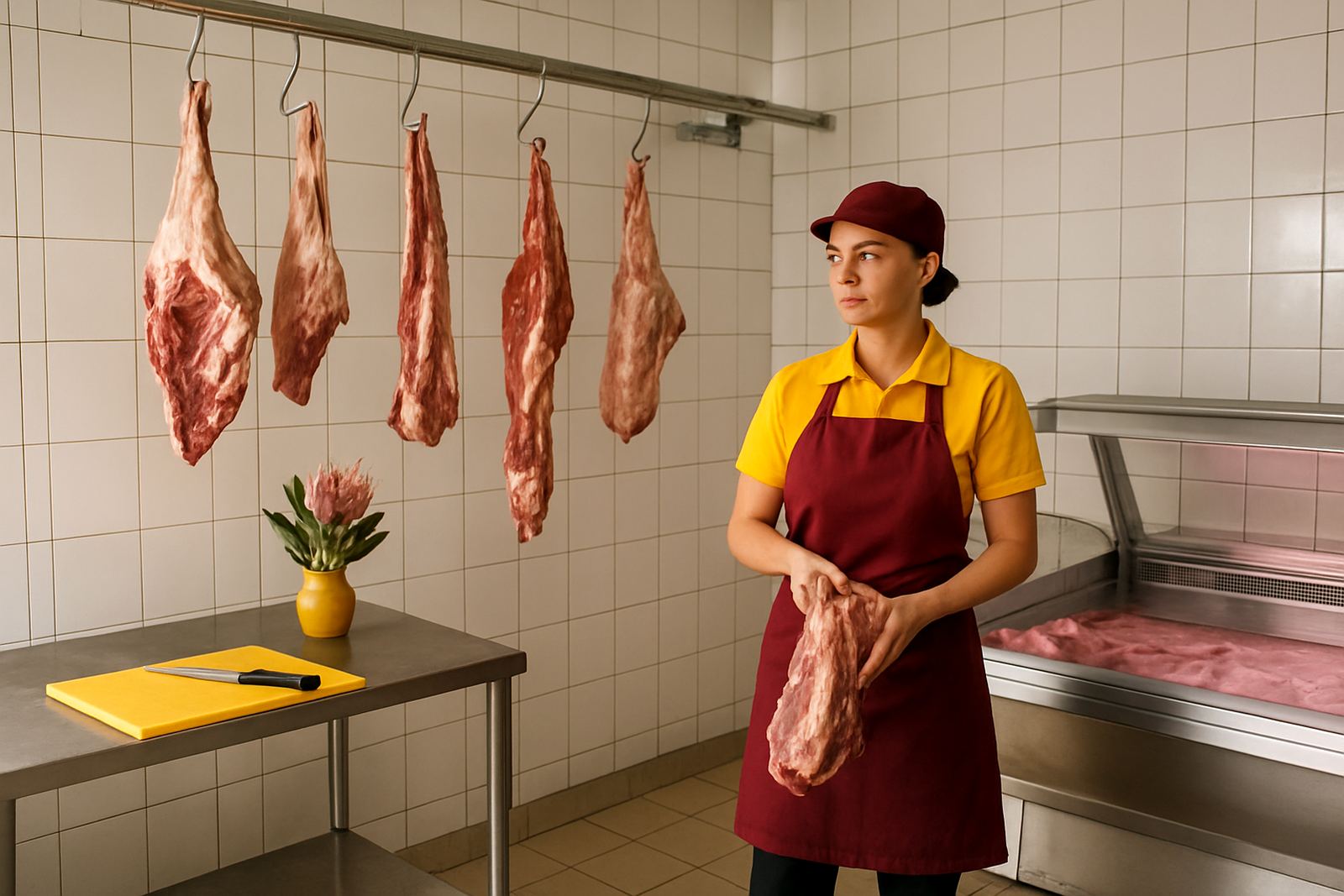
The usual setup includes a service counter display cabinet, a walk-in cold room, a freezer room in some larger shops, and air conditioning in the prep or packing area. On farms and in smaller towns across the Western Cape, you also get older equipment that has been patched up over time, so a proper inspection matters before another summer or power interruption tests it again.
For butcheries in Cape Town, Stellenbosch, Paarl, Malmesbury, Vredenburg and nearby areas, the main aim is simple: hold temperature, limit downtime and reduce spoilage. That means checking refrigerant levels, airflow, condensers, door seals, drainage and controls as a full system, not just one part at a time.
Typical equipment in butcheries and where it fails
A butchery usually has a mix of refrigeration sizes and duty cycles. Display cabinets work hard because doors are opened all day, while cold rooms have repeated loading from delivery trolleys, carcass handling and packaging. Aircons in staff areas also struggle when dust, meat vapour and coastal humidity build up on coils.
- Open or glass-door meat display cabinets
- Walk-in cold rooms for fresh meat and prep storage
- Freezer rooms or upright freezers for long hold items
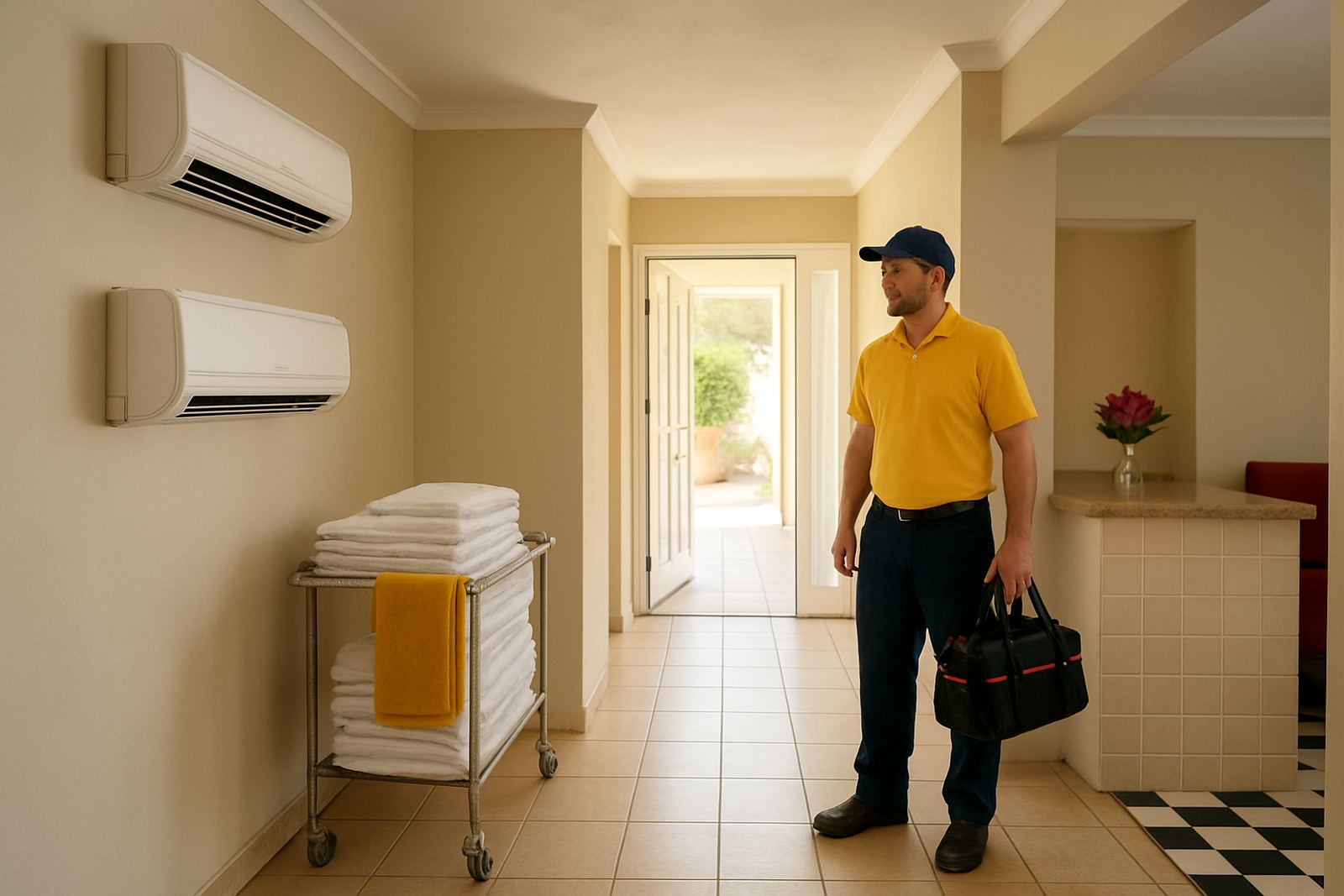
- Split air conditioning units in prep, packing and office areas
- Drain lines, condensate trays and insulation around chilled spaces
- Temperature probes, controllers and logging points for compliance
Common faults include iced-up coils, blocked drains, worn door gaskets, dirty condenser coils, poor door habits and low gas caused by a small leak that went unnoticed. In some shops the cabinet is fine but the room around it is too warm, so the system never gets a fair chance to recover. That is where layout and ventilation become part of the fix.
Layout and planning advice for shops, prep rooms and cold rooms
If a butcher shop is being altered or expanded, think first about airflow and product movement. The cold room should not sit where hot exhaust air from another unit blows straight at the condenser. Prep spaces need enough room for staff to move, but not so much open volume that the aircon is fighting unnecessary heat gain all day.
We usually advise on practical placement rather than fancy changes. Keep display cabinets away from direct sunlight where possible. Leave service access to compressors, electrical isolators and fan decks. Make sure doors do not open straight into hot loading zones if a small lobby or curtain can be used instead. In coastal areas like Cape Town and Vredenburg, salt in the air can shorten the life of outdoor coils, so servicing intervals should be shorter than in drier inland spots.
If the site runs on a generator or has frequent load-shedding, plan for restart behaviour too. Some systems need staggered start-up so all compressors do not pull at once. Others need temperature checks after every outage to confirm product stayed safe. A small amount of planning now can save a lot of stock loss later.
Maintenance that keeps meat safe and staff working
Planned maintenance is usually the best spend for a butchery because breakdowns cost more than servicing. A monthly or quarterly visit can catch wear before it becomes a failure, and it also helps with cleaner operation around meat handling areas. We service for shops that trade seven days a week and for farms that only open certain days, so the plan should match trading pressure, not a generic calendar.
Our maintenance checks can include coil cleaning, drain clearing, temperature logging, leak detection, seasonal start-up and shutdown preservation where equipment will stand for a period. We also look at fan motors, contactors, insulation, switchgear, thermostat settings and whether cabinet temperatures recover fast enough after peak trade. If a unit is working harder every month, the cause is usually there in plain sight.
- Before summer, clean condenser coils and verify airflow
- Check door seals and hinges on cold-room doors
- Test drain lines so meltwater does not back up
- Record temperatures morning, mid-day and closing time
- Inspect electrical parts after load-shedding or voltage swings
- Confirm product storage is not blocking air circulation
For many butcheries, keeping a simple service log also helps staff notice change sooner. If the cabinet is suddenly running noisy, or one section feels warmer than the others, it can be traced before spoilage starts.
Emergency call-outs when stock is at risk
When a cold room trips after hours or a display cabinet starts climbing in temperature on a busy Friday, you need a fast response from someone who understands meat storage, not just general cooling. Kenny Cape West handles call-out repairs across Cape Town and the Western Cape region from Montague Gardens, with work in the Winelands and West Coast as well.
We are regularly asked to attend problems such as a compressor that will not start, a fan motor that has failed, a blocked drain causing ice, or a system that has lost gas and is short-cycling. In a butcher shop, even a few degrees of drift can affect product and customer confidence, so the first step is usually to stabilise temperatures and identify the fault path quickly.
Where needed, we advise on temporary product moves, running order changes and whether a unit should be kept in service or switched off until repairs are complete. That practical judgement matters when a shop is trading and staff need clear instructions, not guesswork.
Budget ranges for butcheries in the Western Cape
Every site is different, but butcheries often want a sense of likely spend before they commit. Small repairs can be modest, while repeated failures on older equipment can add up fast if the root cause is not addressed. These are broad working ranges, and a proper site visit is always the best way to price accurately.
- Basic call-out and fault finding: from about R650 to R1,250
- Routine service on a single unit: from about R850 to R1,800
- Leak detection and repair work: from about R1,500 to R4,500
- Cold room repairs or controller work: from about R2,000 to R7,500
- Full maintenance contracts: priced by equipment count and visit frequency
If a butchery is trying to reduce wastage, the best spend is often not the biggest repair, but the one that restores stable temperature and lowers power use. Dirty coils, poor seals and blocked drainage can make a system work far harder than it should, especially in hot months and during load-shedding recovery. A well-kept plant simply costs less to run.
What butcheries usually need from a service partner
Butcheries want clear communication, proper attendance times and work done with the trading floor in mind. That includes keeping tools and materials neat, explaining faults in plain language and giving maintenance advice that staff can actually follow. We work with shop owners, managers and farm operators who need refrigeration and aircon support without unnecessary disruption.
Our team includes Morne Jacobus van Wyk, Anele Mbeki, Charlene Adams, Ruan Smit, Lutho Ndlovu and Bianca Petersen, with support for planned maintenance, emergency call-outs, cold room servicing and seasonal start-up work. From Montague Gardens, we cover Cape Town, Stellenbosch, Paarl, Malmesbury and Vredenburg, with callouts arranged through callouts@kennycapewest.co.za.
For butcheries, the standard is simple: products must stay within range, staff must have a workable environment and the equipment must be looked after before the next hot spell or outage puts pressure on it again.