What restaurant teams call us for most often
In a restaurant, refrigeration problems usually show up at the worst time: before lunch, during a packed dinner service, or after a power cut when temperatures start creeping up. Our restaurant work covers the equipment that keeps stock safe and the front of house comfortable, from bar fridges and prep counters to walk-in cold rooms and split aircon units in the dining area. We work from Montague Gardens and cover Cape Town, Stellenbosch, Paarl, Malmesbury and Vredenburg, so call-outs can be handled without long delays.
Typical complaints include a fridge cycling too long, ice building on coils, warm spots in a cold room, water pooling under a unit, or aircon that blows but does not cool properly. In many cases the issue is small, such as a blocked drain, dirty condenser coil or a door seal that is not closing fully. Left too long, that small fault can spoil produce, dairy and meat, and push energy use higher as well.
Typical equipment in a restaurant setup
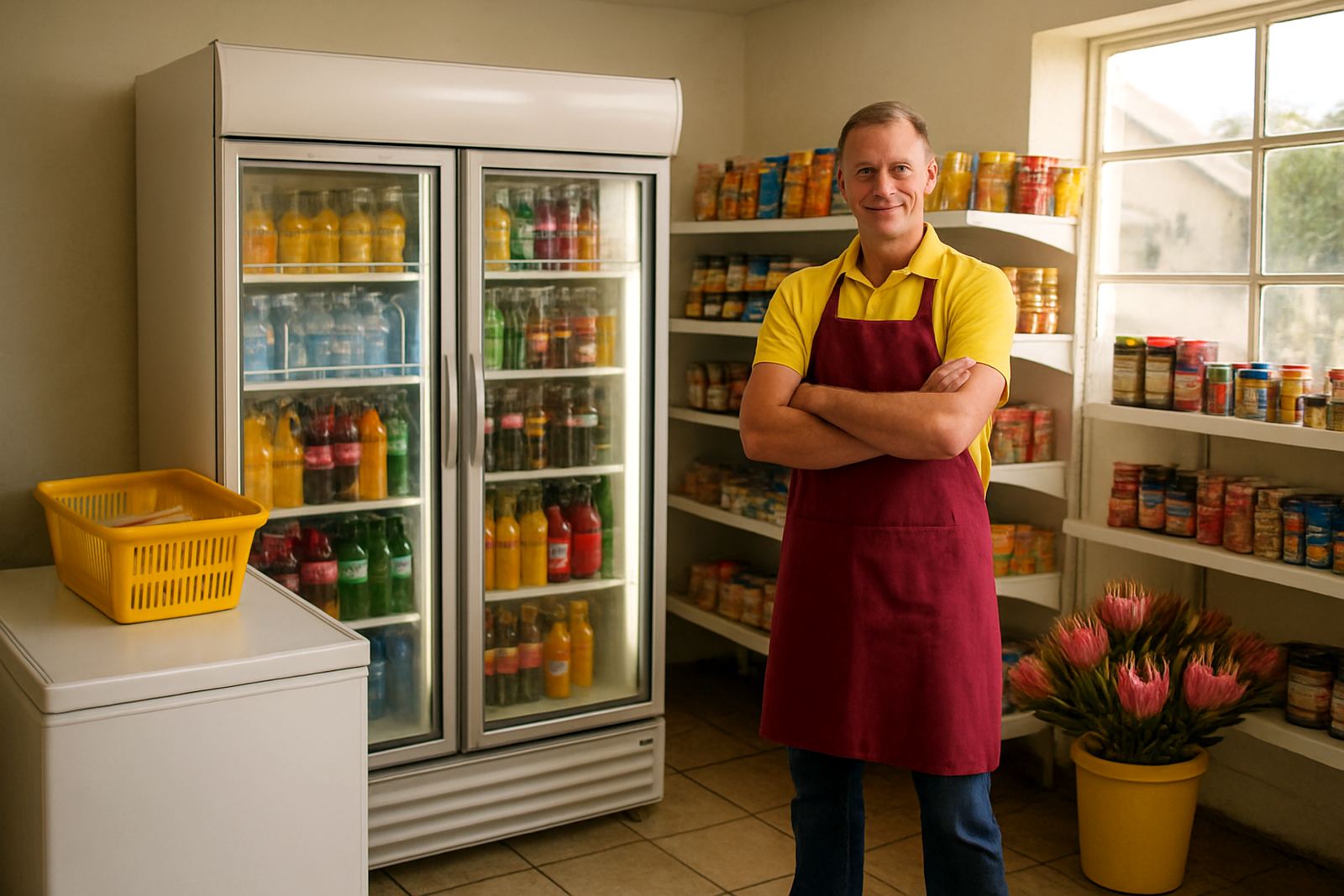
Most hospitality sites use a mix of refrigeration and comfort cooling rather than one large system. The layout usually includes kitchen undercounter fridges, upright storage fridges, prep counters, ice machines, walk-in cold rooms, bottle coolers, and one or more aircon units in the dining area, office or function room. Larger sites often have separate storage for meat, vegetables and dry goods, plus a small back-up unit for overflow stock. In coastal areas like the West Coast, salt air can speed up corrosion on outdoor condensers, so installation position matters a lot.
- Undercounter fridges and freezers for line service
- Upright storage fridges for bulk stock
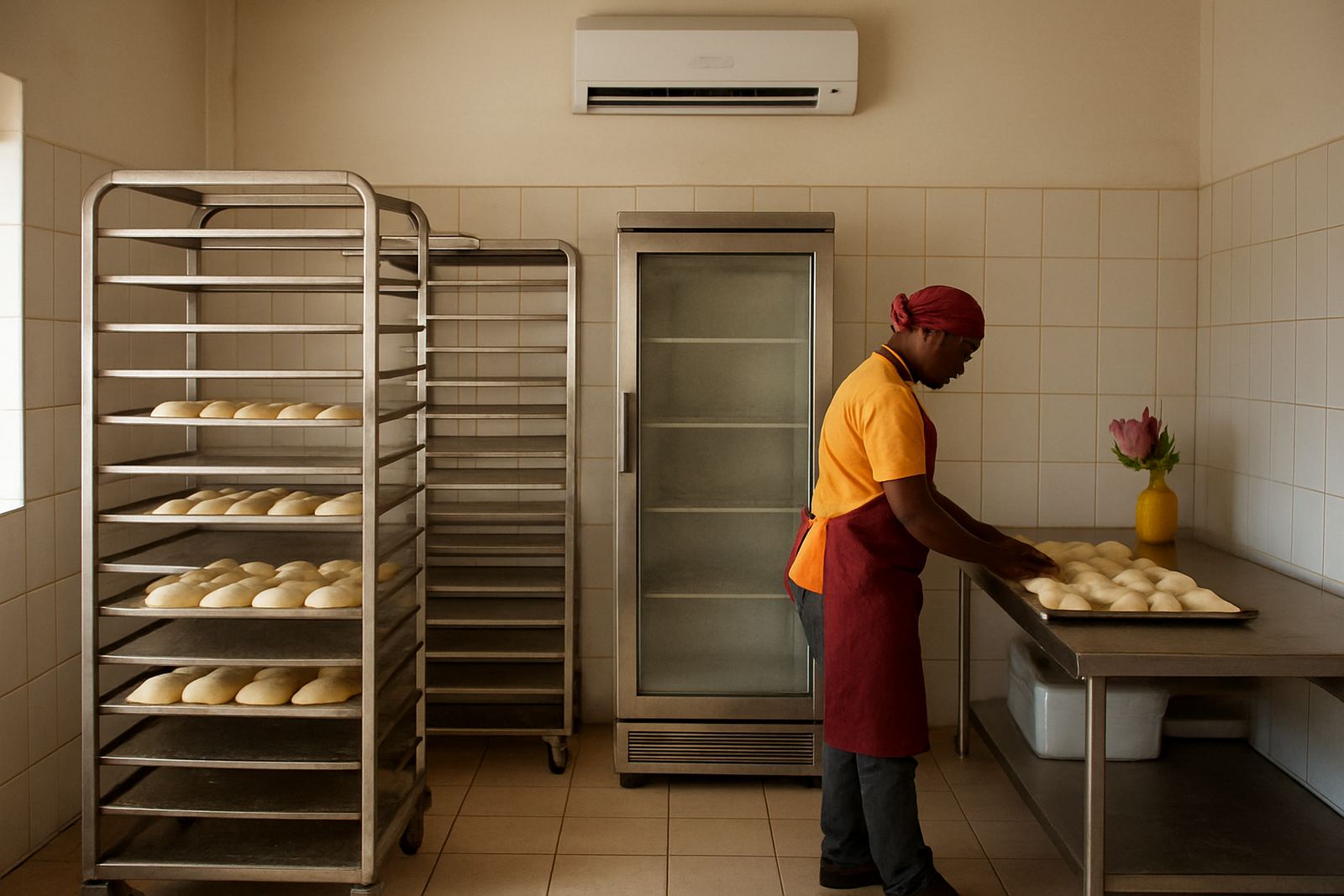
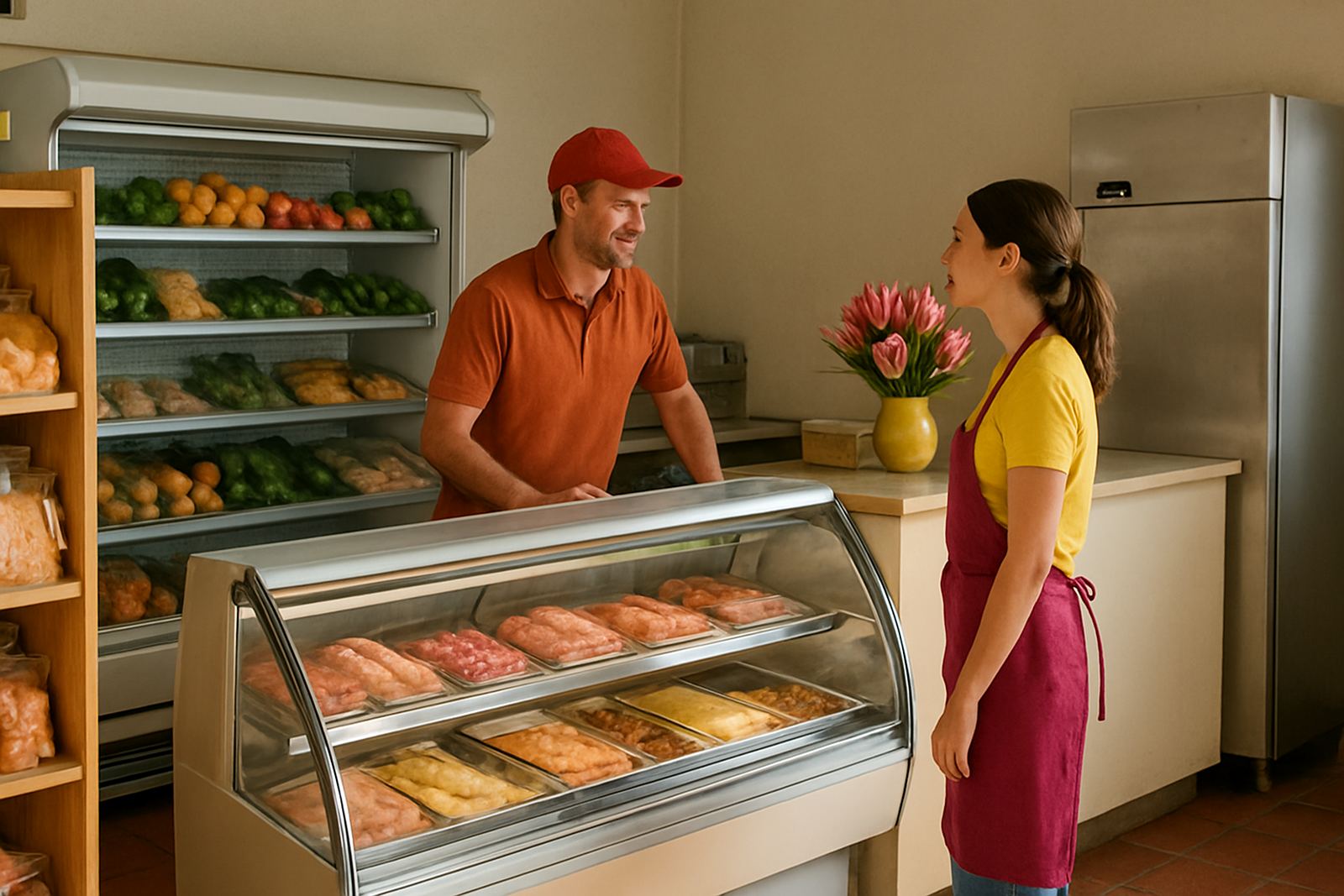
- Cold rooms for meat, dairy and fresh produce
- Split aircon units for dining and staff areas
- Temperature probes and logging for compliance checks
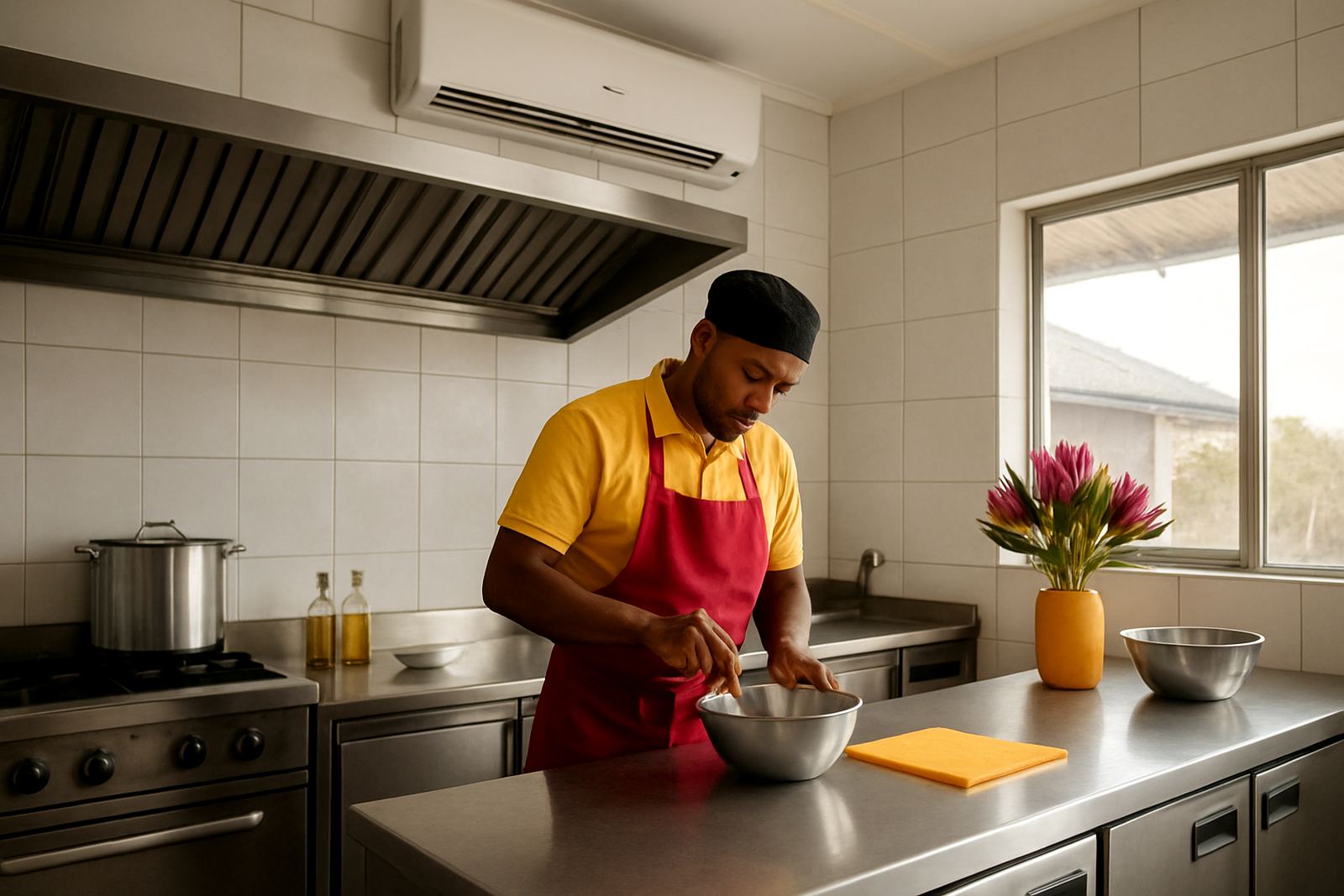
When we plan a site, we look at where heat comes from, where doors open most often, and where airflow gets blocked. Kitchens with poor extraction or a condenser placed too close to an external wall can run hot, while dining rooms with glass fronts may need better unit placement to stop hot spots near windows.
Planning the layout around service, not just the room
Good restaurant cooling starts with the floor plan. A cold room should be close to the receiving door and prep area, but not where chefs queue past it every minute. Dining-area aircon should cool guests without blowing directly onto tables or staff waiting stations. If the room has a lot of glass, afternoon sun can add a serious load, especially in Cape Town and Paarl where summer heat builds quickly. We often advise owners to split the cooling by zone rather than relying on one machine to carry the whole room.
Drain lines must also be planned properly. If a condensate drain runs the wrong way or is too flat, water backs up and starts dripping into a prep area or passage. In restaurants that trade seven days a week, a small drip can become a slip risk and a hygiene issue before anyone notices. We also check for access panels, service space around compressors, and where technicians can reach filters and coils without moving heavy furniture or stock.
For new fit-outs, it helps to allow space for shutdown preservation as well. If a kitchen closes for renovations or winter trading drops off, the refrigeration needs to be safely isolated, cleaned and restarted later without damage. That saves money and reduces the chance of a nasty surprise on reopening.
Common mistakes that cost restaurants money
We see the same mistakes across small bistros, hotel kitchens and busy family restaurants. The first is waiting until a fridge stops completely before asking for help. By then, the compressor may have been working overtime for weeks, or stock may already have been affected. The second is skipping routine cleaning because the unit still seems cold enough. A thin layer of grease on coils can cut performance fast in a kitchen environment, and the airflow gets restricted.
Other common problems include poor door discipline, worn seals, blocked drains, and leaving fridges packed too tightly. A cold room needs air movement between products, not shelves stuffed solid right against the fan outlet. On aircon, the mistake is often undersizing for the room or forgetting about the heat from ovens, dishwashers and people. A dining room can feel fine at noon and then struggle during a full Friday service.
- Do not ignore ice on evaporator coils
- Do not place storage too close to condenser intakes
- Do not let staff wedge doors open for long periods
- Do not skip filter cleaning in dining-area aircon
Maintenance that fits trading hours
Restaurants cannot afford long stoppages, so maintenance needs to fit around prep times, service windows and weekly deliveries. Our planned maintenance covers coil cleaning, drain clearing, seasonal start-up, shutdown preservation, leak detection and temperature logging. For many sites, monthly or six-weekly visits work well, especially where the kitchen runs hard and the dining room is busy every night. On the coast, regular checks help with humidity and salt exposure, while inland wine-route restaurants often need extra attention during hot, dry summers.
Temperature logging is especially useful for owners who need proof that stock stayed within safe ranges after a fault or a power interruption. It also helps spot patterns, like one fridge running warmer than the rest or a cold room drifting overnight. That sort of record makes it easier to plan repairs before there is product loss. If load-shedding or a municipal outage has hit the site, we check restart sequence, controls and alarms so the system comes back online properly and not half-healthy.
Budget ranges for restaurant refrigeration and aircon
Costs vary by access, equipment size, fault type and whether parts need replacing, but restaurant owners usually want a clear starting point. A basic call-out repair on a small fridge or split aircon unit often starts from around R850 to R1 500 for inspection and labour, before parts. Coil cleaning and drain clearing for a single unit generally sits in the R650 to R1 200 range, while a full maintenance visit for a small restaurant can run from R1 500 to R3 500 depending on how many units are included.
Cold-room servicing and temperature logging checks are usually priced separately because they take more time and often involve multiple points. For bigger sites with several fridges and two or more aircon units, a monthly contract can make more sense than repeat emergency call-outs. As a rough guide, small restaurant maintenance contracts may start from about R2 500 per month and move upward based on equipment count, service frequency and after-hours requirements. A failed compressor, fan motor or control issue will cost more, so prevention is usually the cheaper route.
If you are managing a restaurant in Cape Town, Montague Gardens, Stellenbosch, Paarl, Malmesbury or Vredenburg, the best first step is often a site walk-through and equipment list. That gives us a proper view of what is in place, what is overloaded, and where the pressure points are before stock or service is affected.