What a superette usually needs from refrigeration
A local grocery store works on tight margins and constant door opening, so refrigeration problems show up fast. A warm milk case, misting glass door, weak freezer or a cold room that creeps up by a few degrees can affect stock quality within hours. We work with owner-run shops, forecourts, neighbourhood grocers and small independent stores that need practical service and quick decisions.
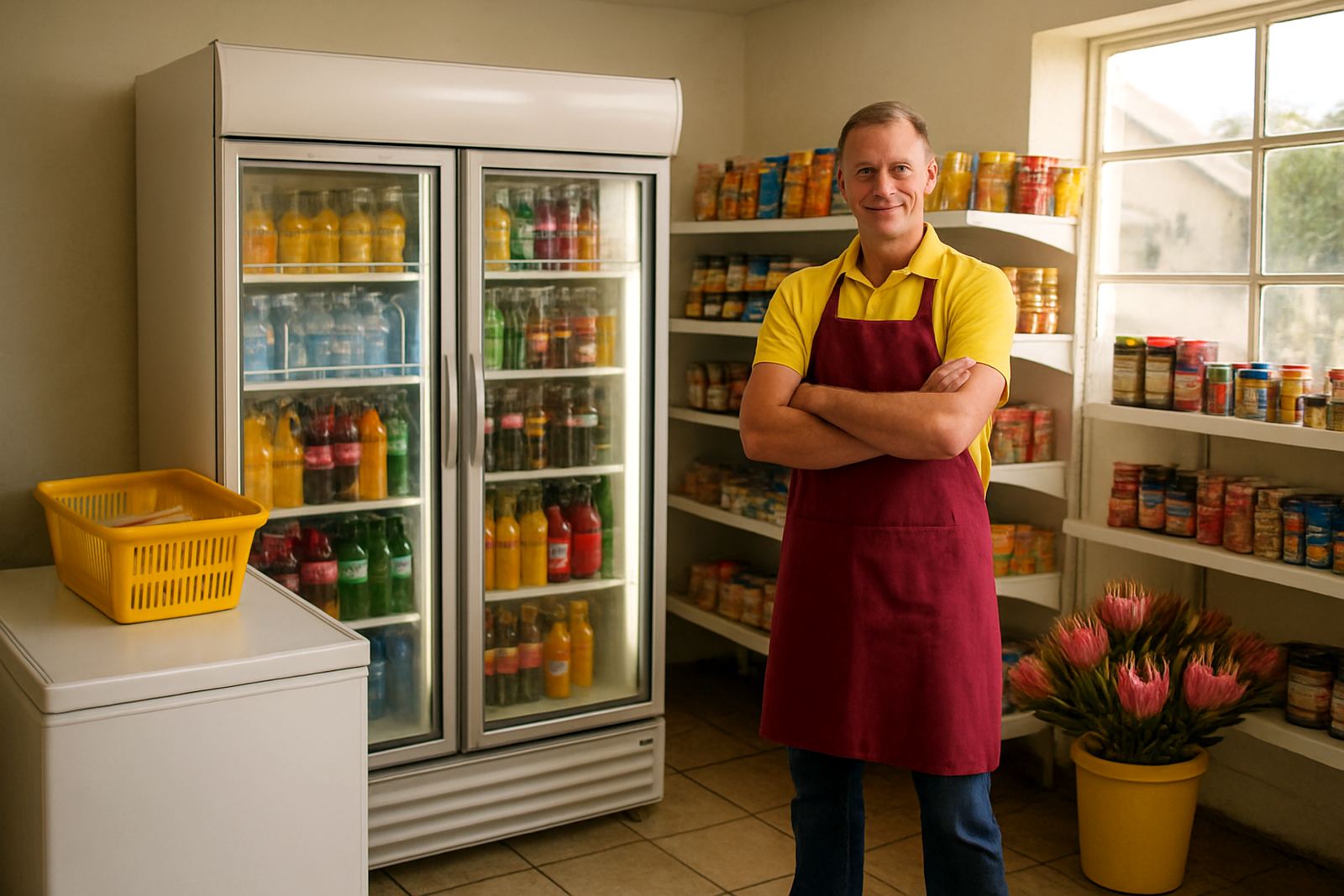
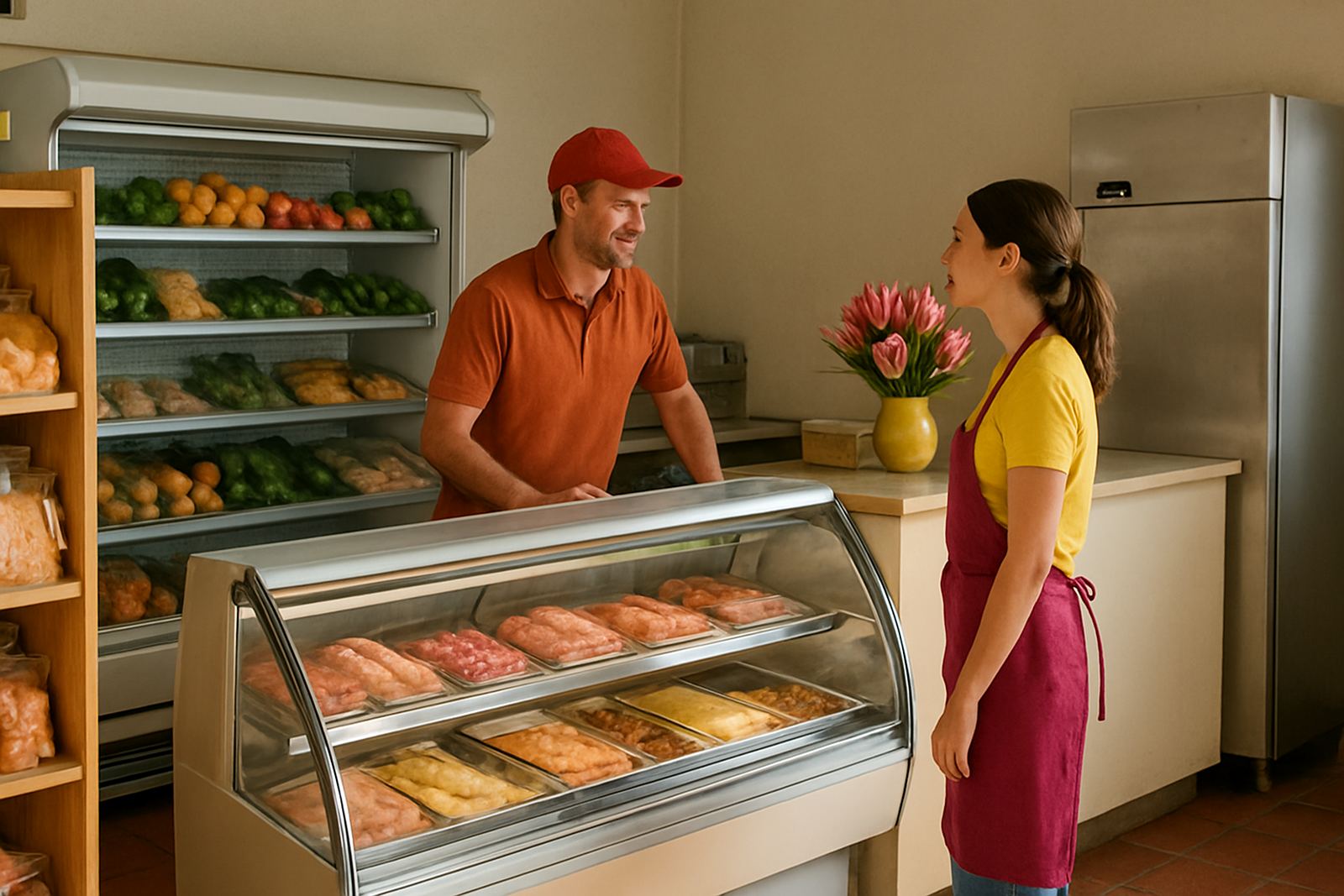
Most superettes use a mix of display fridges for dairy, drinks and deli goods, upright freezers, undercounter prep units, and one or more walk-in cold rooms or freezer rooms. In many shops the plant room is small and airflow is poor, so dirty coils, blocked drain lines and overloaded compressors become common. On the Cape coast, salt air adds extra wear on condenser fins and electrical parts, while inland stores often battle dust and heat in summer.
- Display fridges and multideck cabinets
- Upright chillers and freezers
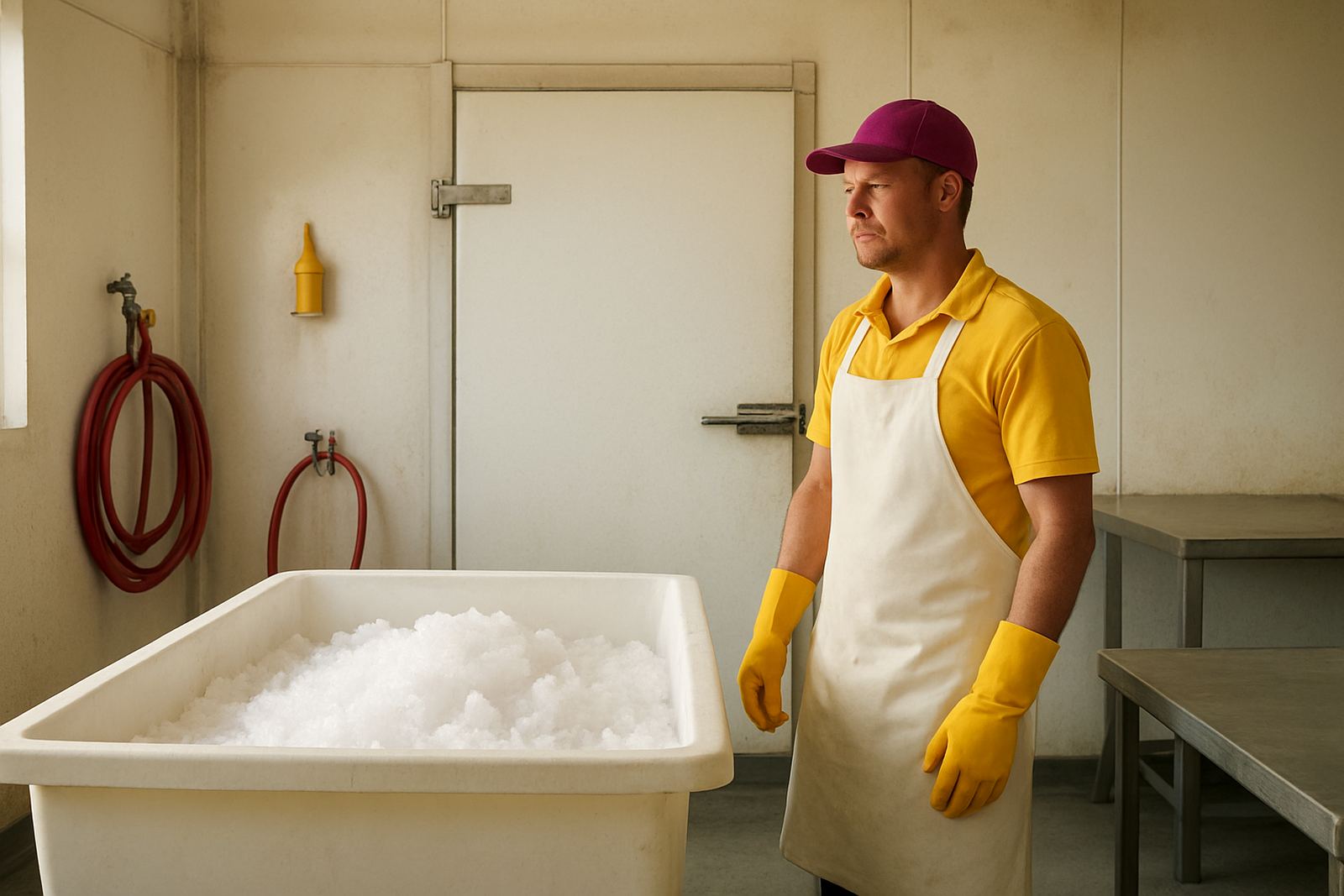
- Cold rooms for dairy, meat and stock holding
- Ice machines and prep refrigeration where fitted
- Aircon units in tills areas, offices and staff rooms
How we handle breakdowns and urgent call-outs
When a fridge fails in a superette, the first hour matters. We attend call-outs for stores in Cape Town, Montague Gardens, Stellenbosch, Paarl, Malmesbury and Vredenburg, and we keep the job focused on getting the equipment safe and cooling again. That may mean checking power supply, fan motors, relays, sensors, refrigerant levels, blocked drains or a failed compressor. If product is at risk, we help the store work out what can be saved and what needs to be moved.
For urgent faults we usually start with a site assessment and a practical repair plan. Some issues are simple, like a clogged condenser or a drain blockage. Others need parts sourcing and follow-up work, especially on older cabinets or plants that have been patched over the years. In busy stores, one fault often hides another, so we look at the whole unit not only the symptom.
- Temperature not reaching set point
- Ice build-up on evaporator or product trays
- Water leaking onto the floor
- Short cycling, tripping or noisy operation
- Warm spots in cold rooms or uneven cabinet cooling
Maintenance that suits trading hours and stock turnover
Planned maintenance makes more sense for superettes than waiting for a breakdown. A store that runs seven days a week needs servicing arranged around deliveries, peak trade and stock checks. We set up maintenance contracts that can include coil cleaning, drain clearing, temperature logging, seasonal start-up and shutdown preservation. For many clients, the aim is not only fewer failures but steadier temperatures and lower electricity use.
Regular servicing is especially useful where doors are opened constantly and dust builds up fast. A fridge that is half blocked with lint or flour dust may still run, but it works harder and eats power. On the coast, corrosion on fan motors and electrical terminals can also shorten equipment life. It is cheaper to clean and inspect a unit on schedule than to replace a compressor in the middle of a Saturday rush.
- Monthly, quarterly or custom service visits
- Logged temperatures for compliance and stock control
- Condensers, coils and drains cleaned before peak season
- Checks on door seals, fans, controls and insulation
- Shutdown care for seasonal or closed-store periods
Cold room layout and planning for small grocery stores
Cold rooms in superettes need good planning because space is limited and stock moves quickly. The room must be sized for the volume on hand, the door should open where staff can get in and out without blocking aisles, and the unit should have enough airflow around the evaporator and condenser. Poor placement is one of the biggest reasons a room struggles in summer or after load-shedding. If the room sits in a hot corner with no ventilation, the plant works harder and breaks down sooner.
We often advise on practical changes such as moving shelving away from evaporator outlets, keeping hot product out of the room before it cools, and making sure the loading path is short and clean. A well planned room also needs proper sealing, a floor that can handle traffic and a drain arrangement that does not back up. If the store is adding new cabinets or changing categories, it is worth checking whether the refrigeration load has increased enough to need a plant upgrade.
- Leave enough space for airflow around equipment
- Keep doors, seals and hinges easy to inspect
- Separate warm prep areas from cold storage where possible
- Allow safe access for cleaning and stock rotation
- Plan for generator or backup power if outages are frequent
Common mistakes we see in superettes
Many refrigeration problems start with small habits that get ignored. Staff may stack product too close to the fan outlet, leave doors open during unpacking, or use the cold room as short term storage for warm goods. Another common issue is delaying maintenance until the unit stops completely, then trying to save stock at the same time as fixing the fault. That usually costs more and creates avoidable waste.
We also see stores that rely on the same settings all year round. In the Western Cape, a setting that works in winter may not be enough in a hot Paarl afternoon or a humid coastal spell. Load-shedding adds another layer because units that restart hard after a power cut can show weak points in compressors, contactors and controls. A proper check after outages can prevent repeat failures and spoiled stock.
- Blocking airflow with overpacked shelves
- Ignoring door seals that do not close tightly
- Using damaged plugs, leads or isolators
- Leaving drains to run onto floors and cause slip risks
- Skipping seasonal checks before summer
Budget ranges for repairs and maintenance
Budget depends on the size of the store, the number of units and whether the job is a simple service or a fault-finding visit with parts. For a small superette, a basic call-out and inspection often starts around R850 to R1 500, while cleaning and routine servicing for a single unit may run from about R1 200 to R2 800 depending on access and condition. Cold room servicing and deeper fault checks can sit higher, especially if panels need removal or the room needs temperature recovery after a failure.
For planned maintenance contracts, many stores budget from roughly R2 500 to R8 500 per month for a small to medium site, depending on how many cabinets, freezers and cold rooms are included. Major repairs such as fan motors, sensors, contactors, thermostats or compressor work can range from a few thousand Rand to well over R20 000 if a component has failed badly. The most cost effective approach is usually regular maintenance with fast call-outs for faults, rather than waiting for a total breakdown.
If a store is opening a new section or upgrading old equipment, it helps to budget for site review, installation adjustments and possible electrical or ventilation work as well. A clear plan upfront keeps surprises down.
Who handles superette work at Kenny Cape West
Our team is based in Montague Gardens and works across the Western Cape from Cape Town to the Winelands and West Coast. Morne Jacobus van Wyk leads the business, with Anele Mbeki on refrigeration repairs, Lutho Ndlovu on cold rooms, Ruan Smit on aircon installs, Charlene Adams coordinating contracts, and Bianca Petersen handling client support. That mix helps when a store needs more than one problem sorted in the same visit.
We work with planned maintenance, emergency call-outs, cold-room servicing, aircon servicing, leak detection, temperature logging, coil cleaning, drain clearing, seasonal start-up and shutdown preservation. For superettes that need steady stock temperatures and fewer surprises, that full service approach keeps the job practical and manageable.
For call-outs or contract queries, email callouts@kennycapewest.co.za.