What a sliding cold room door does in day to day use
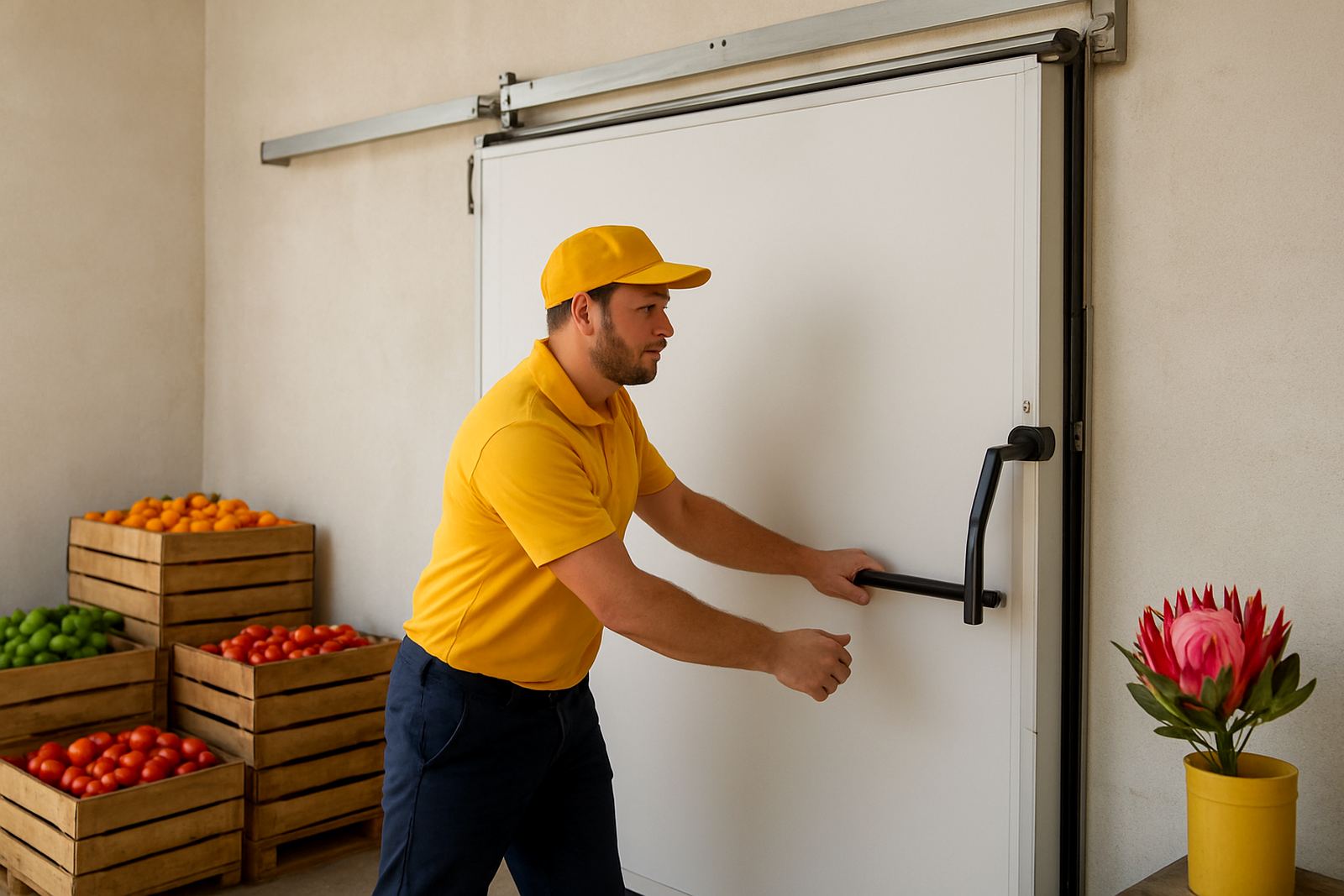
A sliding cold room door is built to keep chilled or frozen air inside a cold room while giving staff a quick, clear opening for trolleys, crates and pallet movement. Instead of swinging out into a passage or loading zone, the door slides along a track and parks neatly to one side. That makes it a practical choice in tight plant rooms, narrow prep areas and busy back-of-house spaces where every metre counts.
For Western Cape businesses, the main benefit is simple: less obstruction, less damage from knocks, and better control over temperature loss during frequent opening. In coastal areas, the hardware also needs to cope with humidity, salt air and regular wash-downs, so material choice matters. A door that is right for a fish room in Vredenburg may need different fittings to one used in a fruit packhouse near Paarl.
Sizes, panel options and hardware you can order
Sliding cold room doors are usually made to suit the room opening, the insulation thickness and the traffic through the doorway. Common widths start from about 900 mm for single access points and can run to 2 400 mm or more for trolley and pallet movement. Heights are often 2 100 mm to 2 400 mm, but we also supply custom sizes where the room layout demands it.
- Single leaf or double leaf sliding arrangements
- Manual slide doors with handle and latch set
- Insulated door leaf to match the room panel thickness
- Heavy duty rail, rollers and floor guide components
- Internal safety release where required for occupied rooms
- Optional viewing panel or strip curtain pairing for high traffic use
The door leaf is generally insulated with polyurethane foam and faced with pre painted steel or another food suitable finish, depending on the site. For frozen rooms, the seals and threshold details become more important because even a small air leak can cause ice build up and wasted power.
Where sliding doors suit Western Cape sites best
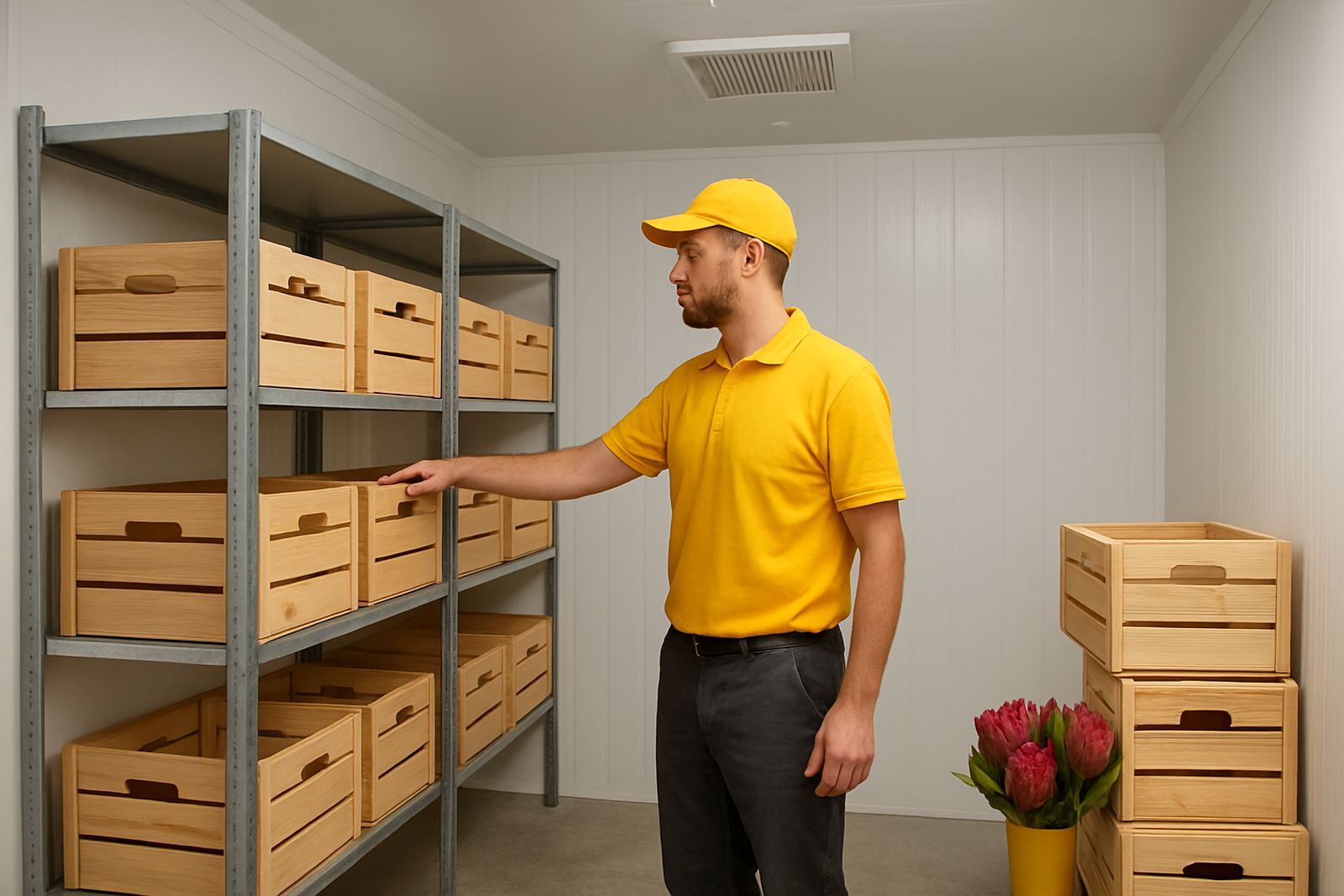
We normally recommend sliding cold room doors where the opening is used often and there is not enough swing space for a hinged door. That includes supermarket back rooms, butcheries, bakeries, farm packhouses, flower coolers, seafood stores and small distribution areas. On farms and in processing rooms, the door also helps when staff are moving around with crates or stackers and need a clear run through the opening.
Because load shedding can affect temperature control, a well fitting door is one part of a bigger cold chain. If the room loses cold air every time a door sticks open or does not seal properly, the plant works harder and product stays under more stress. That matters in Stellenbosch, Malmesbury and across the West Coast where summer temperatures can climb fast, and power interruptions can drag on longer than expected.
- Shops with tight preparation areas
- Farms with repeated daily loading
- Cold stores with trolley traffic
- Rooms needing quick access and safe closure
- Sites where a swing door would block aisles or equipment
Installation, electrical needs and what must be in place
A sliding cold room door itself does not normally need electrical power, unless it is fitted with an automatic operator or linked to access control. Most units work by manual slide action on a top rail or guided track system. What does need careful handling is the overall cold room installation, because poor sealing, bad alignment or weak support can shorten the life of the door.
Before installation, we check the opening size, wall structure, floor level and clear running space to both sides. The rail must be fixed properly, the wall must take the load, and the floor must stay clear of debris so the door can travel without binding. If the room has refrigeration plant, we also check the evaporator position and ensure the door will not conflict with pipework, drip trays or service access. On some sites the room is used in mixed conditions, so a door closer or locking arrangement may be needed to stop it being left partly open.
If your site has gas-fired backup equipment or other services nearby, the door placement needs to respect safe access and maintenance clearances. We work with shops and farms that need practical layouts, not fancy ideas that fail after the first busy week.
Care, servicing and the faults that show up first
Sliding doors hold up well when the track is kept clean and the seals are checked regularly. In dusty farm environments, the bottom guide and runners can collect grit. In coastal areas, metal parts may corrode sooner if they are not wiped down and inspected. A badly adjusted door can leave a cold gap at the latch side, which often shows up first as frost, sweating or a door that needs more force to close.
Our planned maintenance team checks the door alongside the rest of the refrigeration system. That can include seal condition, hinge or roller wear, rail alignment, latch operation and ice build up around the threshold. If a room is running warm after a load-shedding event or overnight shut down, the door may be part of the problem and not just the refrigeration plant.
- Wipe tracks and guides clean
- Check seals for cuts, flattening or missing sections
- Look for ice at the bottom edge or latch side
- Test smooth travel from end to end
- Report any scraping, sticking or loose fittings early
What to check before you place an order
Before you order a sliding cold room door, measure the clear opening carefully and confirm the insulation thickness of the room panels. You should also know how the room is used: foot traffic only, trolley movement, or heavier loading. That tells us whether a standard manual door will do the job or whether a heavier set of gear is needed. If the room is for frozen stock, say so from the start because the seal specification and threshold detail may need to change.
It also helps to check which side the door must park on, whether there is enough wall space for the slide, and whether there are safety requirements for staff working inside the room. On older sites in Cape Town or the Winelands, door openings are not always square, so a site measure is often the safest route. Tell us if the room is near the coast, used for seafood, or washed down regularly, since those conditions affect material choice and service intervals.
- Opening width and height
- Panel thickness and room temperature range
- Traffic type, hand carry or trolley movement
- Parking side and available wall space
- Exposure to humidity, salt air or wash-downs
- Any safety release, lock or access control needs
Sliding door support from Montague Gardens to the West Coast
Kenny Cape West is based in Montague Gardens, Cape Town and supports sites across Cape Town, Stellenbosch, Paarl, Malmesbury and Vredenburg. Our team handles cold room work for shops and farms, from emergency repairs to planned maintenance and shutdown preservation. If a sliding door is sticking, sealing poorly or showing wear after years of use, we can inspect it as part of the wider refrigeration system and advise on repair or replacement.
For call-outs or service planning, email callouts@kennycapewest.co.za. We work with the practical demands of Western Cape operations, where stock must stay cold, doors must close properly, and the room has to keep working through pressure, load-shedding and busy trade days.
Key facts
| Door type | Manual sliding cold room door, custom made to opening |
|---|---|
| Typical widths | 900 mm to 2 400 mm plus custom |
| Typical heights | 2 100 mm to 2 400 mm plus custom |
| Insulation | Polyurethane insulated leaf matched to room thickness |
| Finish | Pre painted steel or site suitable food grade finish |
| Best use | Chilled and frozen rooms with frequent access |