What a drain line heater does in daily use
A drain line heater is a heated cable or tape fitted along the condensate drain route so water can keep flowing away from the unit. In winter, or in spaces that stay cold for long periods, the drain can freeze at the elbow, in the wall sleeve or along an exposed run. Once that happens water backs up into the drip tray and starts overflowing inside the cabinet or onto the floor.
For shops, cold rooms and pack areas, that overflow can stop trading, stain ceilings below, and trip staff walking past. On farms it can also affect produce storage rooms and small cold stores where the temperature changes through the day. A properly chosen heater is a practical fix, especially where overnight temperatures drop and the building catches coastal damp or Winelands cold.
We fit drain line heaters as part of new installs, repairs and planned maintenance. In many cases the heater works quietly in the background, but it has to be sized and fixed properly or it will not protect the line all the way to the discharge point.
Sizes, forms and control options
Drain line heaters are supplied in different lengths and heat ratings to suit short cabinet drains, longer cold-room runs and exposed sections that pass through roof spaces or external walls. The right option depends on the diameter of the drain, the ambient temperature and whether the line is fully indoors or exposed to wind and night air.
- Common lengths: 1 m, 2 m, 3 m, 5 m and custom cut-to-length runs for longer drain paths
- Typical output: low wattage protection for short internal drains, medium output for exposed or insulated runs
- Supply voltage: 230 V single phase is common on site
- Control: fixed heat, thermostat control or sensor-based switching where needed
- Finish: flexible heater cable with suitable insulation and fixings for damp plant rooms
For food rooms and retail spaces, a lower controlled output is often better than oversupplying heat. You want enough warmth to keep condensation moving, not so much heat that the drain area dries out or puts extra strain on the electrical circuit.
Where it suits across Cape Town, the Winelands and the West Coast
This product is suited to fridges and cold rooms that see repeated defrost cycles, as well as aircon condensate drains that run through cool ceilings or shaded service chases. In Cape Town and Montague Gardens, it is common in butcheries, supermarkets, bottle stores and small distribution stores. In Stellenbosch and Paarl, it is useful where early mornings are cold and humidity sits high after rain. In Malmesbury and Vredenburg, it helps when inland wind and night cooling create frost at weak points in the drain line.
It also suits locations where the drain leaves the building through a long route, passes behind ceilings, or drops to an outside soakaway. Those runs often look fine on installation day, then freeze later because the slope is poor, the pipe is partly blocked, or the coldest section sits in a draught.
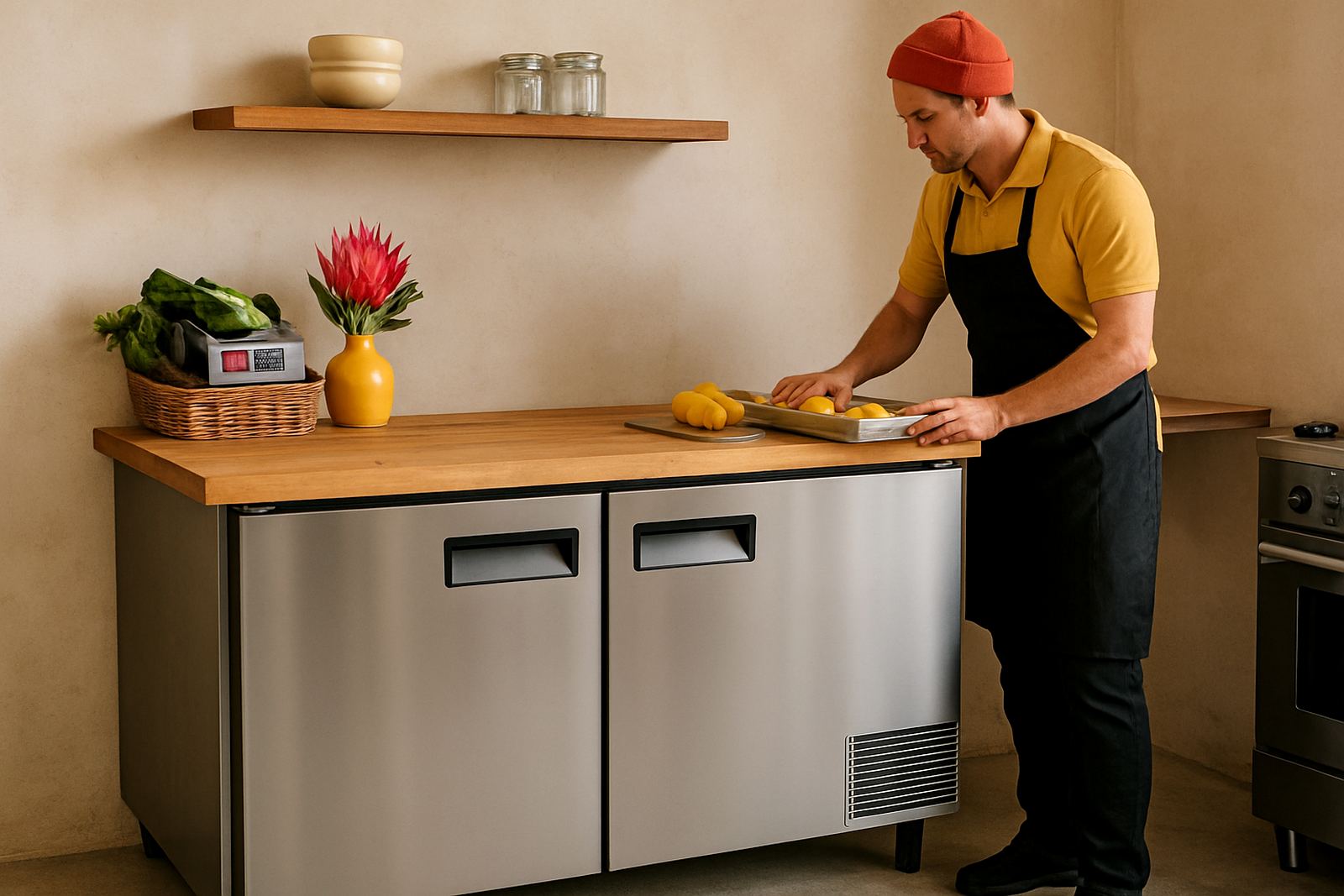
- Shop fridges and display cabinets with recurring drip tray overflow
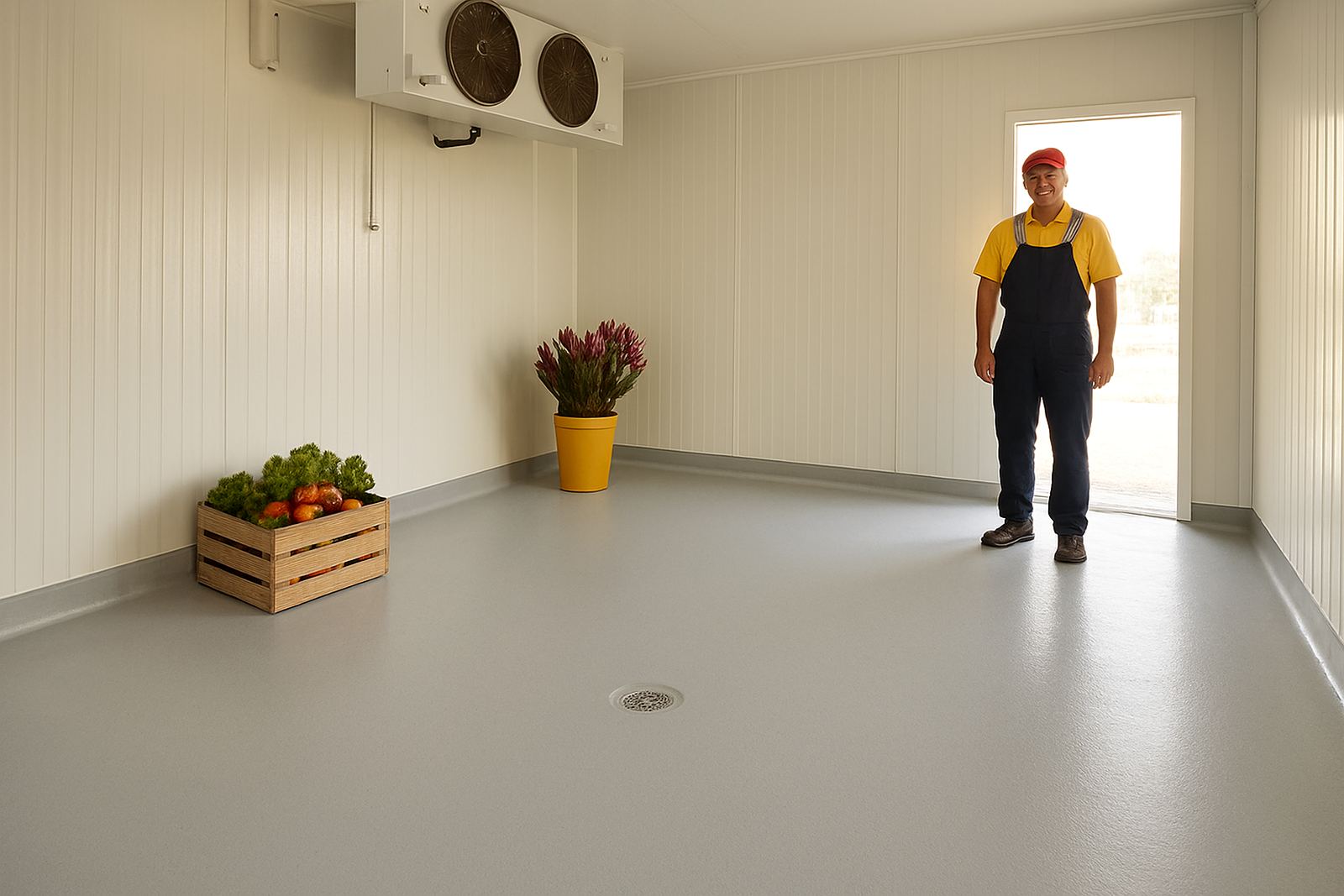
- Walk-in cold rooms for meat, dairy, fruit and chilled stock
- Packhouses and farm stores with exposed service routes
- Aircon condensate drains in offices, kitchens and server rooms
Installation details and power needs
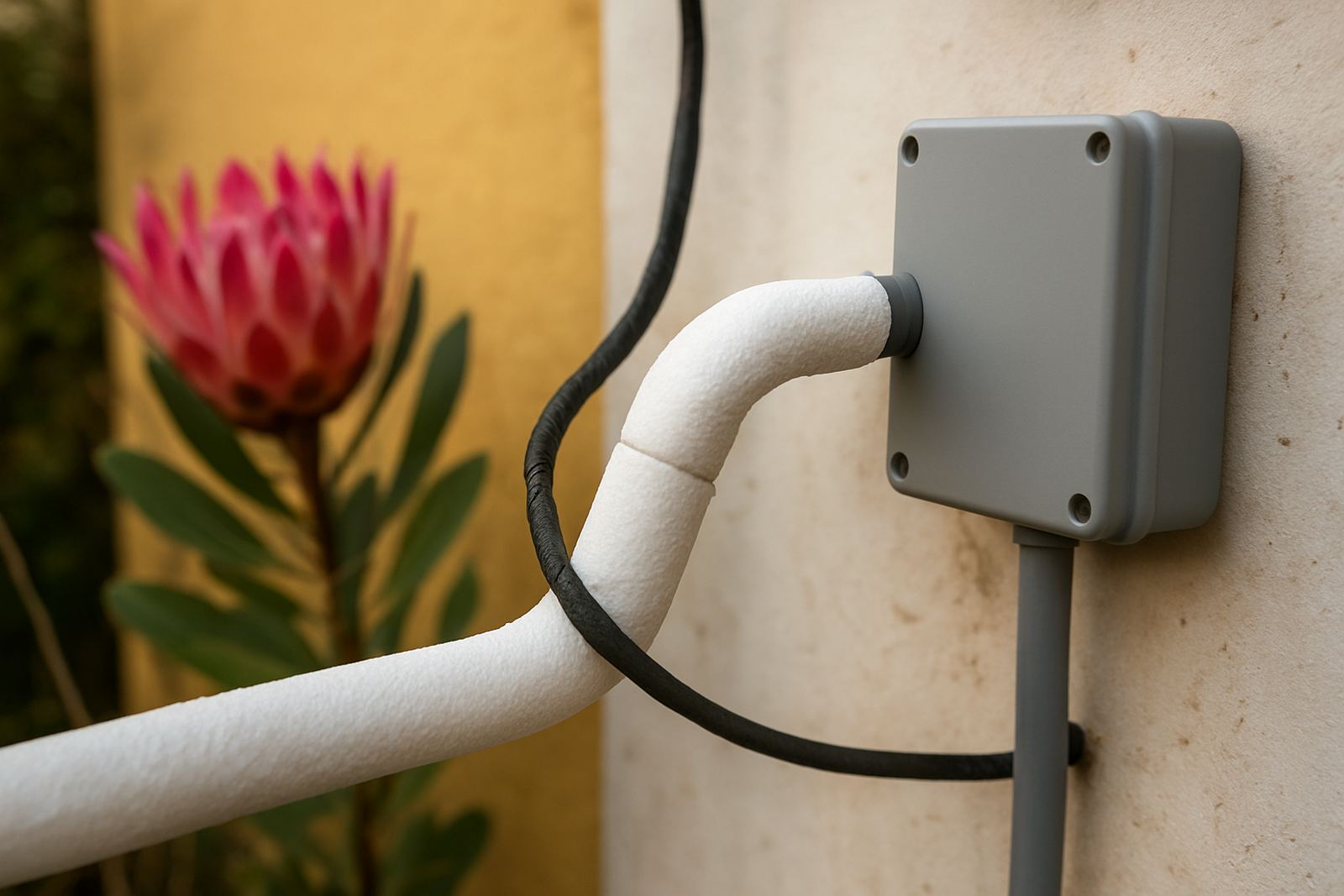
Correct installation matters. The heater has to sit along the drain where freeze risk actually exists, not only near the cabinet outlet. The pipe should be clean, dry where possible, and insulated after the heater is fixed. If the drain is damaged, blocked or badly sloped, the heater will not solve the fault on its own.
We normally check the line route, the drain diameter, the existing electrical point and the condition of the insulation before fitting. Where a unit needs a dedicated supply or switching control, that has to be planned in advance so the heater is protected and easy to isolate for service. In some cases the drain heater is linked to the refrigeration system or to a simple thermostat so it only draws power when needed.
Power use is generally modest, but it still needs to be matched to the site. A short internal drain may only need a small output, while a long exposed line in a cold room installation can need a higher rating. In a load-shedding prone area, the heater should be fitted with the rest of the refrigeration protection plan so it does not become a weak point when supply returns.
Care, cleaning and servicing through the year
Like any service component, a drain line heater lasts longer when the line around it is kept clean. Condensate drains collect slime, dust and bits of insulation over time. If that build-up narrows the pipe, the heater has to work harder and the risk of overflow comes back. During planned maintenance, we check the heater cable, fixings, insulation and flow through the drain with water test if needed.
In coastal areas, the main issue is moisture getting into damaged insulation or loose joins. In inland cold areas, the issue is often a weak outlet point or a run that is exposed to night air. If the heater looks scorched, loose or intermittent, it should be checked before the next cold spell rather than after a spill on the floor.
- Inspect insulation for cracks, water ingress and loose clips
- Clear sludge from the drain and drip tray before winter
- Check that the heater is still drawing correctly at switch-on
- Confirm that overflow marks have not started at elbows or wall exits
We include drain heater checks in our planned maintenance for shops, farms and cold-room users across the Western Cape.
What to check before you order one
Before ordering, measure the drain route from the tray to the discharge point and note any bends, wall sleeves or exposed sections. The key details are the length of the line, the pipe size, the area temperature and whether the drain is inside a chilled room, through a ceiling void, or outside in the open. If the drain already freezes, tell us where the blockage starts and how often it happens.
It also helps to know the type of equipment feeding the drain, whether it is a fridge, split aircon or cold-room evaporator, and whether the unit has a built-in drain pan heater already. If you are replacing an old heater, bring the old length, wattage and any visible label details if they are still readable.
For best results, the drain heater should be ordered together with the right insulation, fixings and control method. That avoids guesswork on site and gives you a cleaner install the first time round, not a patch-up that fails when the cold weather comes back.
Key facts
| Product type | Heated drain protection for condensate lines |
|---|---|
| Typical lengths | 1 m, 2 m, 3 m, 5 m and custom runs |
| Power supply | 230 V single phase, subject to site requirements |
| Control options | Fixed heat, thermostat control or sensor switching |
| Best use | Cold rooms, fridges, display units and aircon drains |
| Main benefit | Prevents ice blockages, overflow faults and water damage |