What the Somerset West brief called for
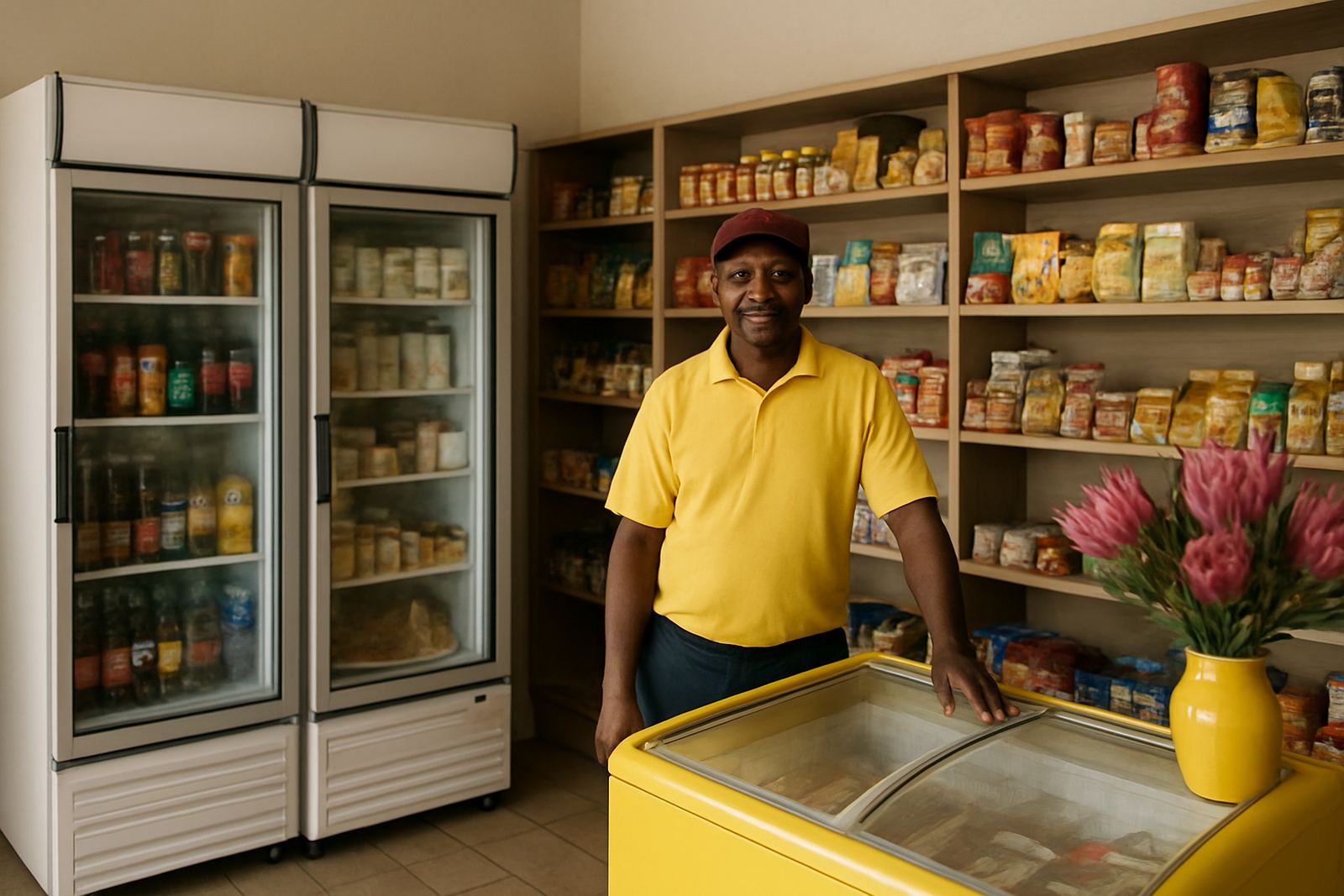
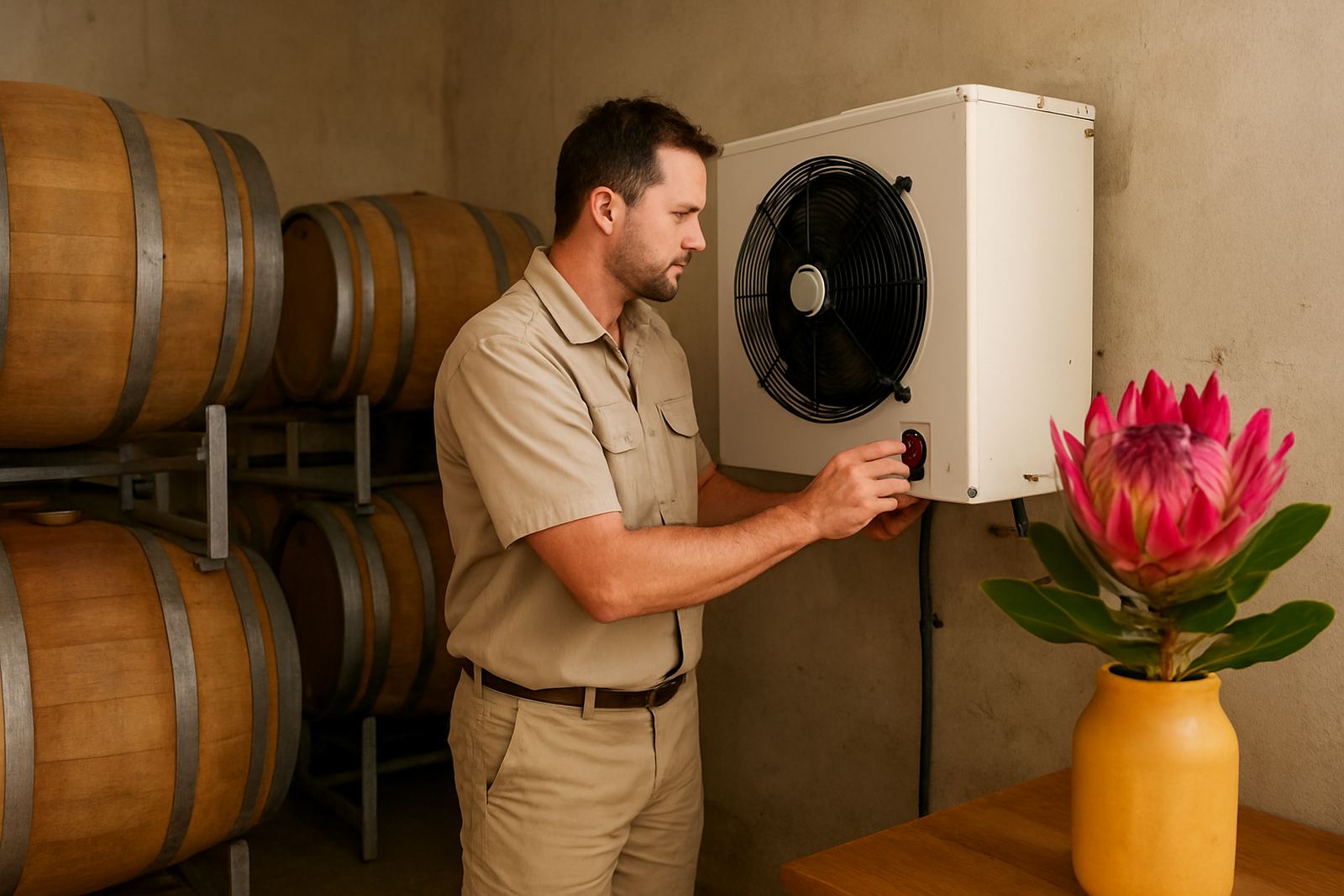
The client was a food and beverage site in Somerset West with a cellar room that had started to drift above its normal holding range. The issue showed up just before a stretch of warmer weather, which meant the room had less margin for error and the stock inside needed reliable temperature control without delay. The brief was simple on paper: find the fault, stop the refrigerant loss, reset the cooling, and make sure the room was ready for the week ahead.
We were asked to work around trading hours and keep disruption low. That meant short access windows, clear communication with the site team and a service plan that could be completed in stages if needed. The room was not new, so we also had to factor in wear on pipework, dirt on the coil surfaces and the usual issues that show up after long periods of daily use.
- Project type: cellar cooling repair and reset
- Town: Somerset West
- Client type: hospitality and stock holding cellar
- Priority: prevent temperature rise before warm weather
Site limits and conditions we had to work around
The cellar sat inside an active premises, so there was no room for a long shutdown. The client needed the cooling system back in service quickly, but not at the expense of a proper repair. Access was tight, lines ran through a busy back-of-house area and the room had some heat gain from surrounding spaces, which is common in older installations where insulation and door seals have been patched over time.
We also had to work with the local weather pattern. In the Western Cape, a cool start to the day can turn into a hot afternoon fast, and cellar systems that are already under strain often reveal their faults right then. The pressure readings and room temperature were checked at the start of the visit and again after repairs, so we could see how the system behaved once it was back under load. Small typo in notes aside, the job stayed on track and the client kept trading.
- Work area remained in use during most of the visit
- Access was limited around service points and line routes
- Testing had to account for rising ambient temperatures through the day
Leak repair, reset work and system cleaning
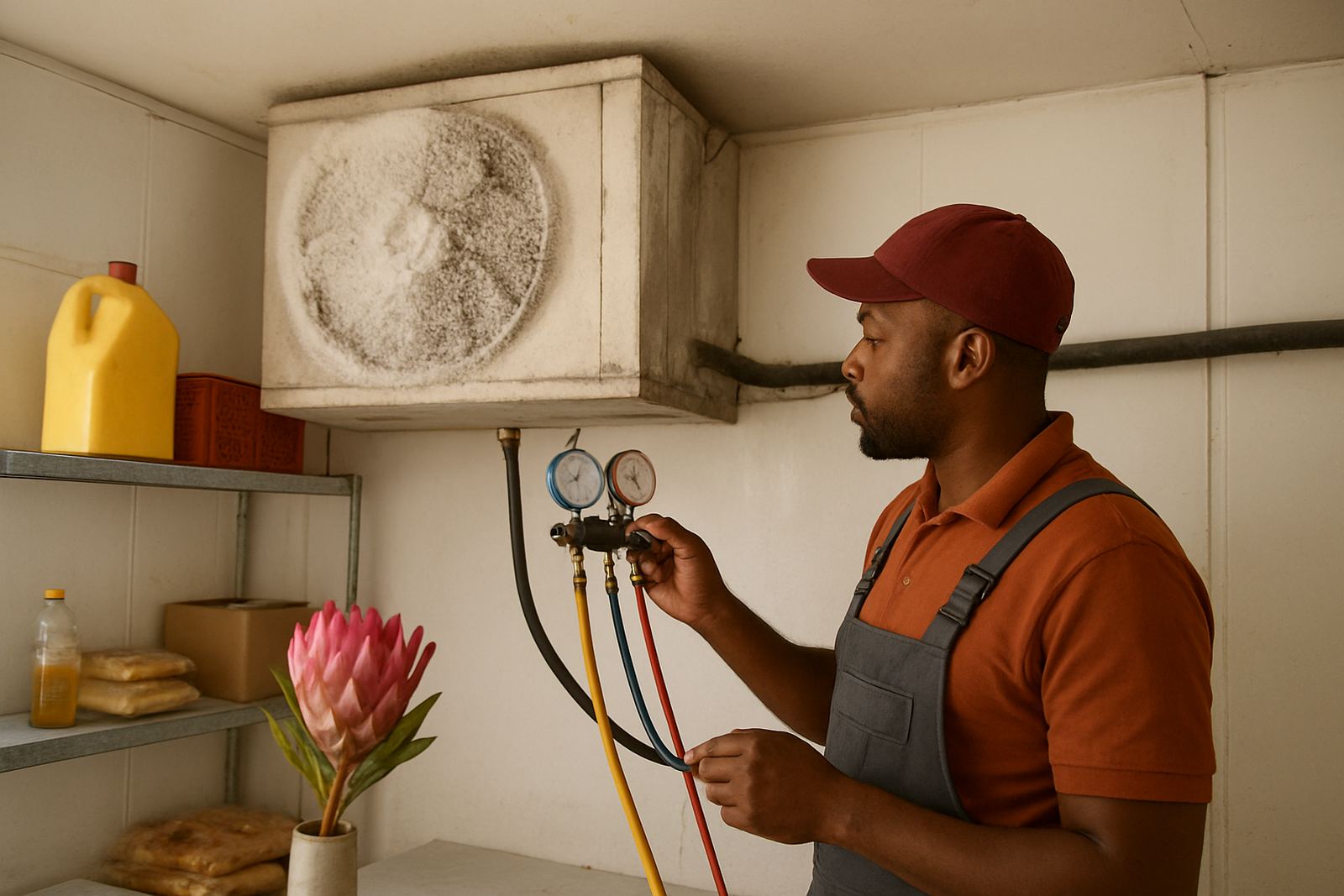
We traced the loss, isolated the affected section and carried out the leak repair on site. Once the circuit was secure, we pulled the system back to correct operating condition, checked for pressure stability and confirmed that the refrigerant charge sat where it should for the application. The system was then reset so the controller could hold the cellar within the target band again.
While we were on site, we cleaned the coil surfaces and cleared the drain path to remove built-up dirt and any restriction that could cause future icing or water overflow. The fan area, drain point and visible pipework were inspected for signs of vibration wear or oil staining. In cellar work, those small details matter because a minor leak can show up as temperature drift long before the equipment stops completely.
- Leak location and repair completed on site
- Refrigerant circuit checked after repair
- Coil cleaning and drain clearing done during the same visit
- Controller reset and operating range verified
Timeline from fault finding to stable cooling
The project ran over one week, with the first visit used for fault finding and the main repair work, and follow-up checks completed after the system had run through a warm cycle. This approach gave us time to see whether the repair held under real operating conditions rather than only at start-up.
On day one we identified the issue, repaired the leak and restored the system to service. During the next few days we kept an eye on return readings and temperature trends, then returned to confirm the cellar was holding steady. That extra observation period helped us verify that the room was not only cooling again but staying within the expected range through normal use and door openings.
- Week 1: inspection, leak repair and restart
- Midweek: temperature trend review
- End of week: final confirmation of stability
Results inside the cellar after the repair
Once the system had settled, the cellar returned to a stable holding temperature and the warm period passed without further temperature alarms. The client could keep stock in the room with more confidence, and the maintenance team had clear readings to work from rather than guessing based on feel or noise. The drain stayed clear, the coil was clean and the unit was no longer cycling against a leak-related fault.
We also left the site team with simple checks to watch over the next few weeks: look for unusual noise, confirm the display holds its range and keep the door seals and airflow path free of obstructions. In cellar spaces, prevention is often about small habits done on time, not expensive changes after the fact.
- Cellar temperature held steady after reset
- No further leak signs during the follow-up period
- Cooling performance improved through the warmer days
- Site staff had a clearer check list for daily use
What we would do again on a similar site
If we were called back to a similar cellar in Somerset West, we would follow the same order of work. First confirm the fault with proper readings, then repair the leak, clean the coil and drain, and only then reset the system and verify it under real conditions. That sequence saves time later because it avoids returning to a system that was only partly sorted.
We would also keep the maintenance conversation open from the start. Cellar cooling works best when it is part of a planned service routine, especially in coastal and wine-region conditions where humidity, salt air and frequent door openings can push systems harder than expected. A short service every few months can prevent a much bigger call-out when the weather turns hot.
- Repeat the same fault-first repair sequence
- Build in follow-up checks after restart
- Keep maintenance intervals short before warm weather
How Kenny Cape West supports cellar cooling in the Western Cape
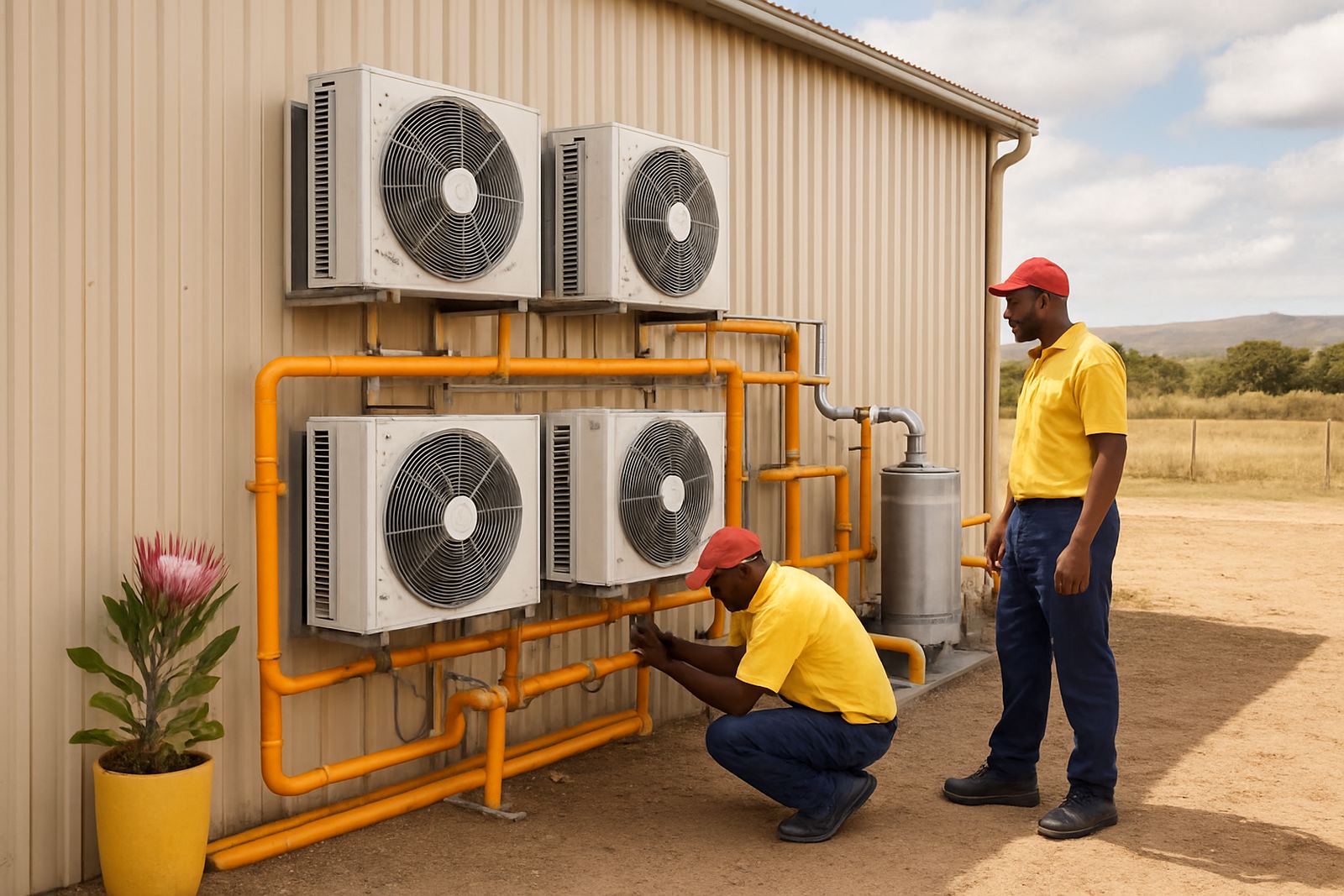
Kenny Cape West works from Montague Gardens and covers Cape Town, Somerset West, the Winelands and the West Coast with refrigeration and aircon support for shops, farms and storage spaces. For cellar cooling, that means emergency call-outs, planned maintenance, leak detection, temperature logging, coil cleaning and seasonal start-up work that suits the way local sites actually run.
Our team includes refrigeration technicians, an aircon installer, a cold room specialist and client support staff who keep the job moving from first call to sign-off. For this Somerset West project, the combination of fast fault finding and careful follow-up made the difference. The room came back into spec, the leak was dealt with and the client had a working system before the hot weather pressure hit.
- Base: Montague Gardens, Cape Town
- Coverage: Somerset West and surrounding Western Cape areas
- Services used: emergency repair, coil cleaning and temperature checks
Key facts
| Project | Somerset West cellar cooling reset and leak repair |
|---|---|
| Client type | Hospitality and stock holding cellar |
| Town | Somerset West |
| Timeline | 1 week with follow-up verification |
| Work completed | Leak repair, refrigerant circuit check, coil cleaning, drain clearing, controller reset |
| Outcome | Stable cellar temperature before warm weather |