What the Moorreesburg store needed
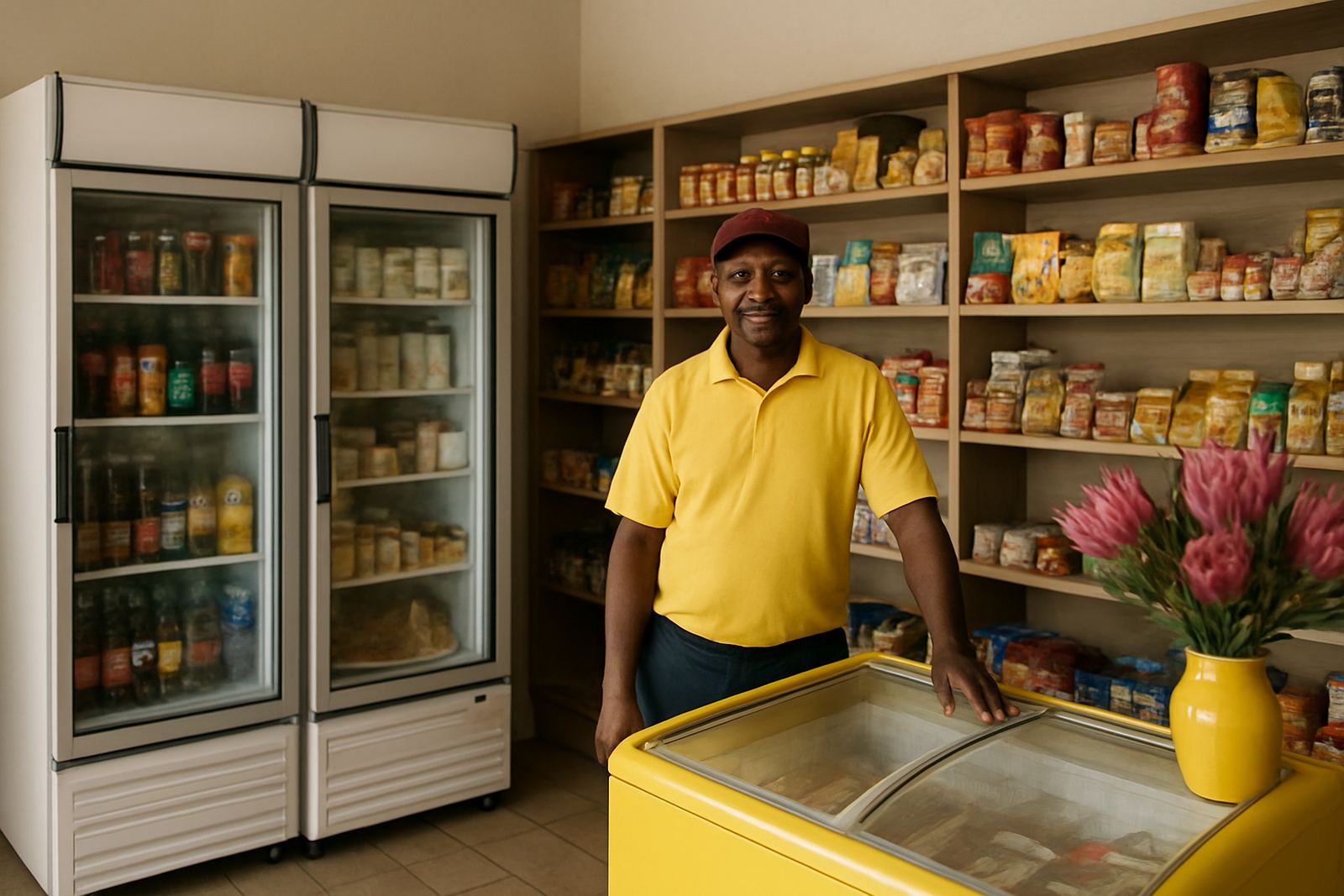
The client was a small township and roadside spaza in Moorreesburg serving cold drinks, dairy, frozen goods and a few fast moving convenience lines. By the time we got the call, one upright cooler was running warm at the top shelf, a chest unit was icing up, and a small undercounter cooler was cycling too often. The owner needed the refrigeration sorted before weekend trade, but could not afford three separate call-outs or long downtime.
The brief was practical: check all the cooler units in one go, find the faults, repair what was worth repairing, and tell the owner honestly what needed watching. For a store like this, every hour of reliable cooling matters because once a cabinet drifts above temperature, stock loss starts fast and customer trust goes with it.
We also had to work around the realities of a live shop. Staff still had to serve customers, the floor space was tight, and product could only be moved for short periods. In a place like Moorreesburg, with warm afternoons and the odd power dip, you cannot treat a spaza cooler as if it lives in a lab. It has to cope with opening doors, dust, load shedding and constant use.
Constraints on a working spaza floor
The main constraint was timing. The store wanted the job done in one weekday service visit so trading could continue with minimum interruption. We also had to keep noise and mess down, because the coolers were close to the till point and the freezer section. Another limit was access: two units were tucked against shelving, so parts of the stock had to be shifted carefully and then returned in the same order.
There was also the matter of temperature control during the repair. Product had to stay cold while doors were open and coils were being cleaned. We brought insulated holding boxes, temperature probes and spare drip trays so the owner could keep a close eye on the stock while we worked. That kind of prep saves trouble later, and it avoids the stop-start pattern that often leads to missed faults.
- One site visit, no repeat travel for the same faults
- Work planned around store trading hours
- Product moved in short batches to limit warm-up
- Spare parts and cleaning gear carried for on-the-spot decisions
Repairs and servicing carried out
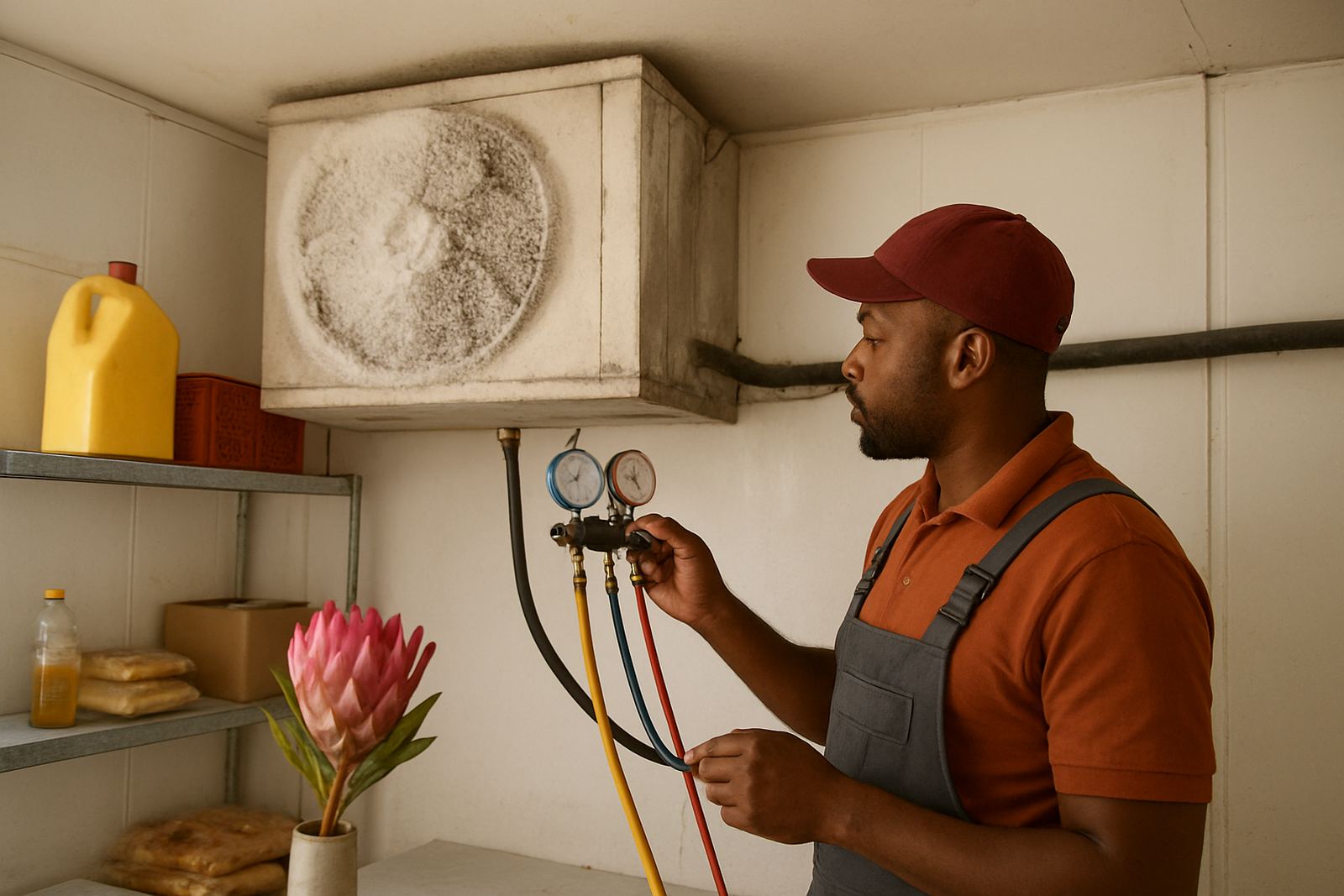
We started with a full inspection of each cooler, checking compressor running current, thermostat response, fan operation, drain condition, condenser condition and door seals. The upright cooler had a blocked condenser path and a tired door gasket, which was forcing longer run times. The chest unit had heavy internal frost build-up from poor airflow and a partially blocked drain. The undercounter cooler had an intermittent thermostat issue and dirty coils that were making the unit work harder than it should.
Our work on site covered coil cleaning, drain clearing, gasket assessment, thermostat testing, fan checks and a general deep clean around the condenser compartments. We also re-seated loose electrical connections, checked the defrost cycle where fitted, and reset the units after the cleaning so we could confirm pull-down performance. Nothing fancy, just the right steps in the right order.
- 3 cooler units inspected and serviced
- Condenser coils cleaned and dust cleared from air paths
- Drain line cleared and flow tested
- Door seals checked for air leakage and wear
- Temperatures monitored after restart to confirm recovery
Timeline and key facts
The job was handled over 1 week from first call to sign-off. Day 1 was the fault call, photos from the store, and a rough fault list. Day 3 we attended site in Moorreesburg, carried out the inspection and repairs, and kept the owner updated while the units were opened and tested. Day 5 we did a short follow-up check by phone, then returned once the store had been trading through peak hours to make sure the temperatures stayed steady. That second check showed the fixes had held.
For a spaza cooler project, the numbers matter. The upright cabinet was brought back to steady operating range, the chest unit stopped frosting up at the basket level, and the undercounter unit stopped short cycling. The owner was left with a simple record of what had been repaired, what still needs watching, and what should be included in routine maintenance from here on.
- Location: Moorreesburg, West Coast corridor
- Site type: local spaza and convenience store
- Units attended: upright cooler, chest cooler, undercounter cooler
- Service type: grouped call-outs completed in one visit
- Follow-up: temperature check after normal trading hours
Results for stock and trading
After the service, the store had more stable cabinet temperatures and less strain on the cooling systems. That meant less product risk, fewer interruptions for staff, and better control during warm spells and power dips. The owner did not need to close early or move stock off site, which was the main concern at the start.
The biggest improvement was consistency. Before the work, the coolers were cycling unevenly and the owner was worrying about milk, drinks and frozen items spoiling. After cleaning and repairs, the cabinets recovered quicker after door openings and held their set points more evenly through the trading day. The store also had cleaner condenser sections, which helps with future service checks and makes faults easier to spot later.
In plain terms, the job reduced wasted time and gave the owner one clear contact point instead of chasing several different visits. That is often the difference between a manageable refrigeration issue and a costly stock write-off.
What we would do again for a similar store
For a small shop in a town like Moorreesburg, we would approach the job the same way again: group the faults first, then plan the repair visit so the store gets the most value from the call-out. It is rarely worth sending a technician for one obvious fault if two or three more issues are sitting underneath it. A proper first inspection catches the drain, coil and seal problems that usually cause repeat trouble.
We would also keep a light maintenance rhythm in place, especially before hotter months and before the December trade rush. A monthly or bi-monthly check on cooler temperatures, cleaning, and door seals can save a lot of bother. In coastal or West Coast conditions, dust and salt air get into condenser sections quicker than people expect, and once airflow is restricted, running costs go up fast.
- Bundle faults into one planned visit where possible
- Keep a simple temperature log for each cabinet
- Clean coils before the heat picks up
- Check door seals and drains at the same time as service
- Follow up after trading hours to confirm real-world performance
Key facts
| Project | Moorreesburg Spaza Coolers |
|---|---|
| Town | Moorreesburg, Western Cape |
| Client type | Local spaza and convenience store |
| Scope | Grouped cooler call-outs, repairs and servicing |
| Timeline | 1 week from first call to follow-up sign-off |
| Key services | Coil Cleaning, Drain Clearing, Leak Detection, Temperature Logging |