Logger placement that reflects real product conditions
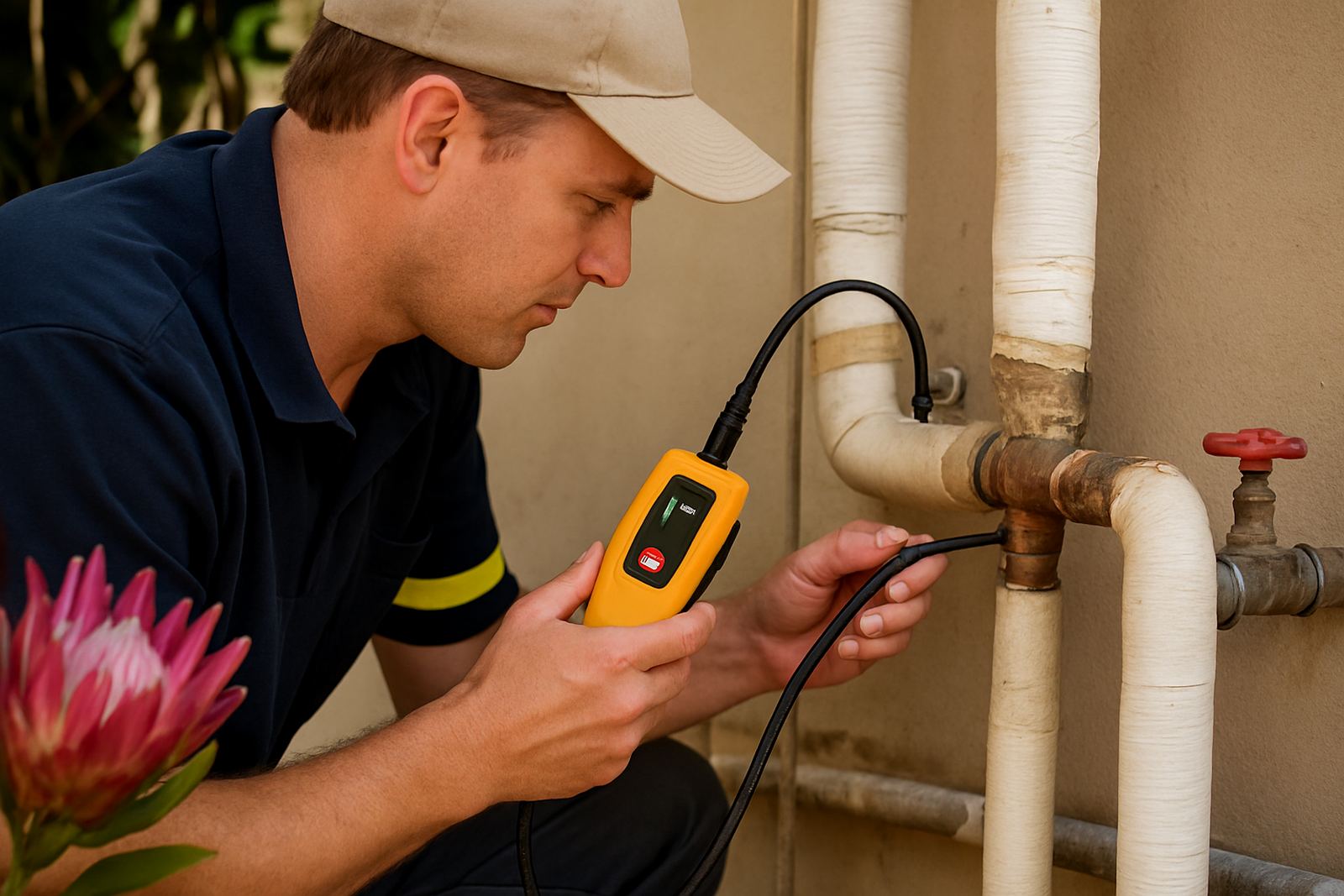
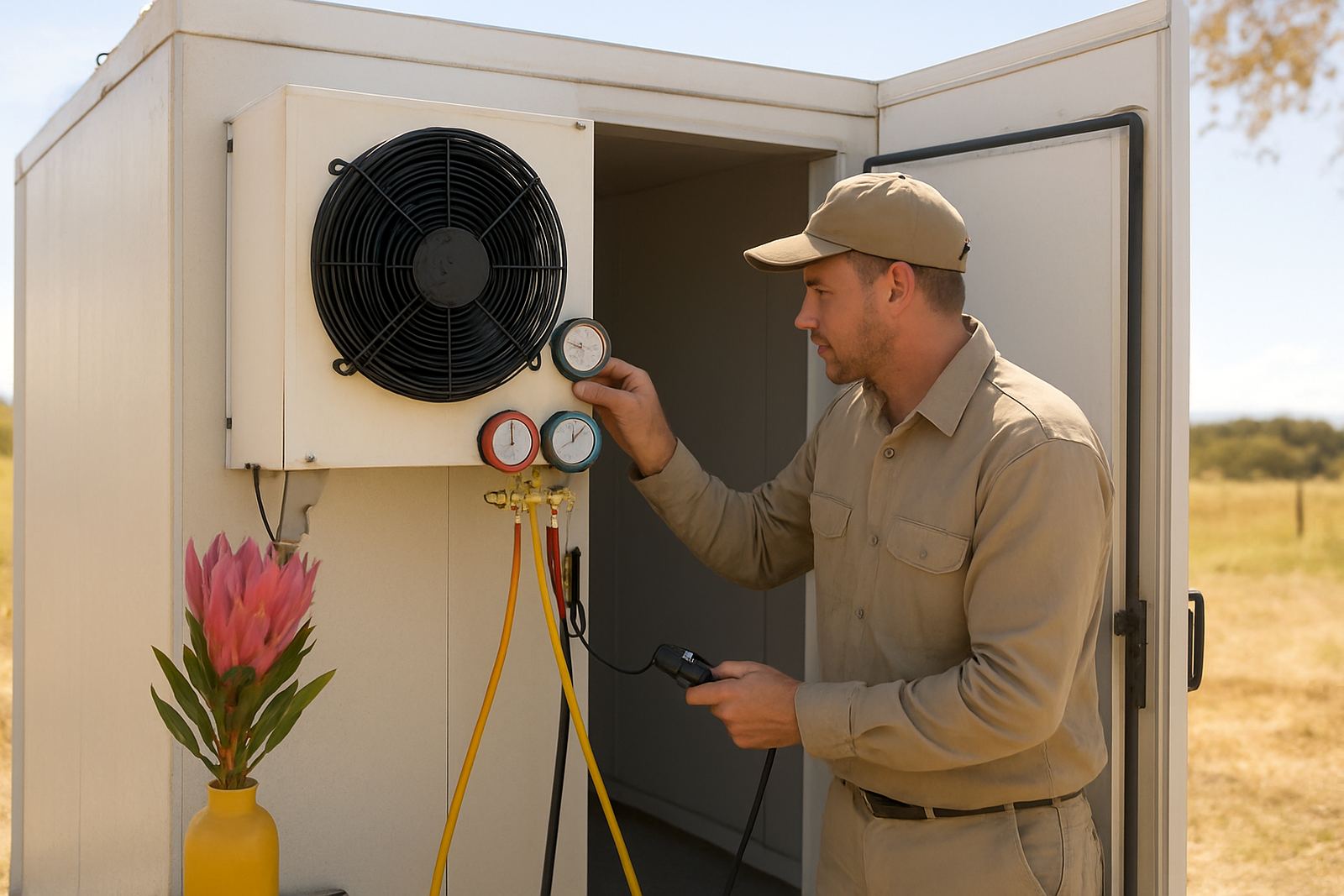
Temperature logging only helps if the sensor sits in the right spot. We place loggers where the load is affected most, not near the door or right against a fan coil. In a cold room that may mean the return air path, the centre of the stored product zone or a second point near the most sensitive stock. For shops and farm packhouses, we also look at opening patterns, night shut-downs and how often the room is hit by warm air during loading.
Our setup work suits Western Cape conditions where coastal humidity, warm afternoons and load-shedding can push temperatures around. A logger that records a dip during a power cut gives you proof of what happened, and it also shows whether the room recovered fast enough. That matters for stock claims, food safety checks and day to day control.
- Cold rooms for fruit, meat, dairy and packaged stock
- Chillers, prep rooms and store rooms
- Back-up checks during load-shedding or generator changeover
- Single-point or multi-point logging depending on room size
What the temperature logging service includes
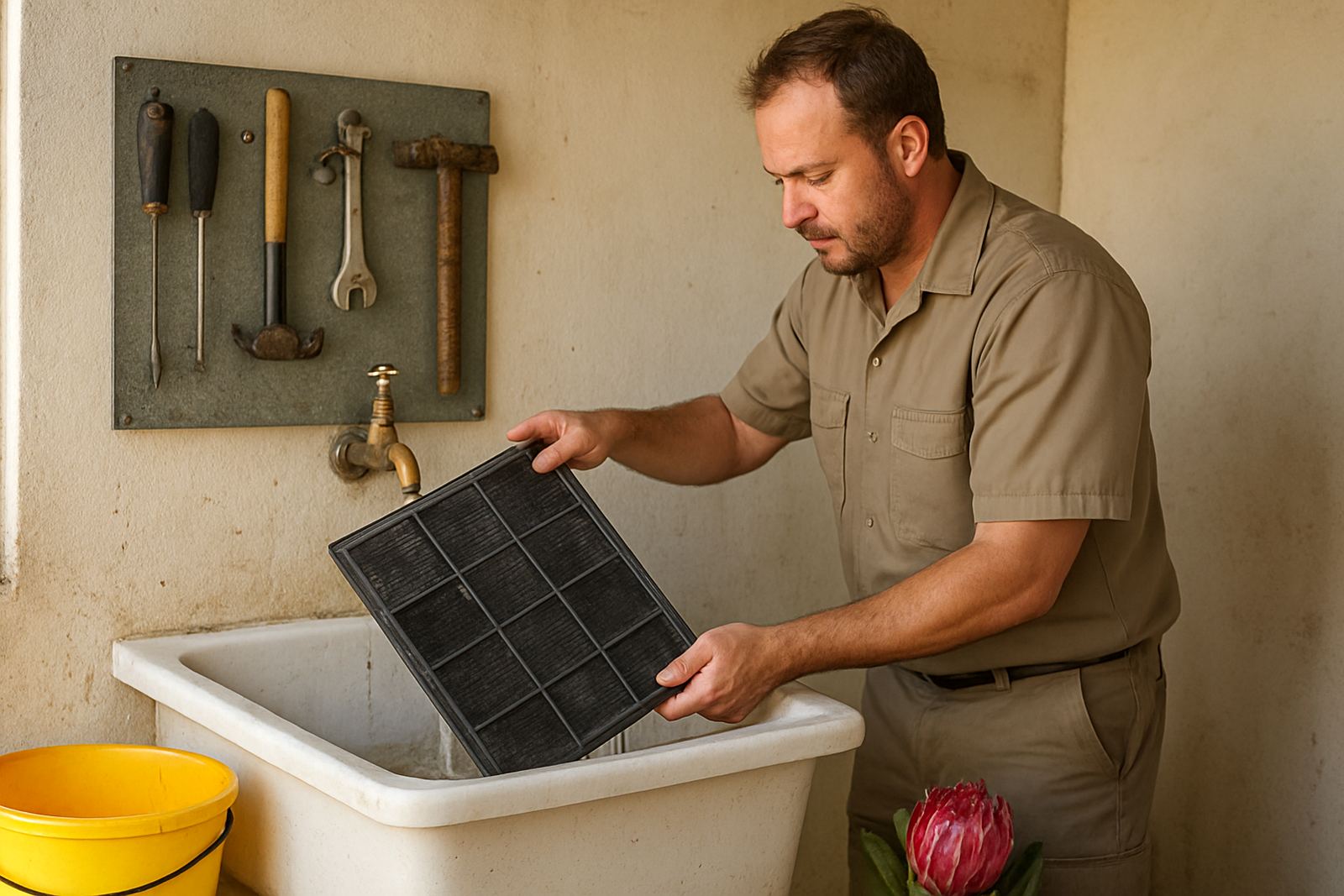
We provide the practical parts that make logging useful on site. That includes logger placement, basic calibration checks, date and time setup, threshold settings where needed and a reporting schedule that suits the business. If your site has more than one cold space, we can label each point clearly so the readings are easy to match to the room or product line.
The service can be used as a one-off audit support job or as part of a maintenance contract. For farms near Stellenbosch, Paarl and Malmesbury, it is often combined with cold-room service visits before harvest, during peak packing and again before shutdown. For shops in Cape Town and Montague Gardens, it is often used to prove that temperatures stayed within spec over weekends, public holidays and after unplanned outages.
- Logger supply, installation and positioning
- Temperature range setup and alarm limits
- Reading download and report preparation
- Trend review with notes on spikes, drops and recovery time
How we run the job from first call to final report
Most logging work starts with a phone call or email to callouts@kennycapewest.co.za. We ask what is being stored, the room size, the target range and whether the site has had recent breakdowns, door issues or drain trouble. Then we book a technician to site and decide on the number of points needed. If the room is small, one logger may be enough. If the site has different products or uneven airflow, we may recommend more than one point.
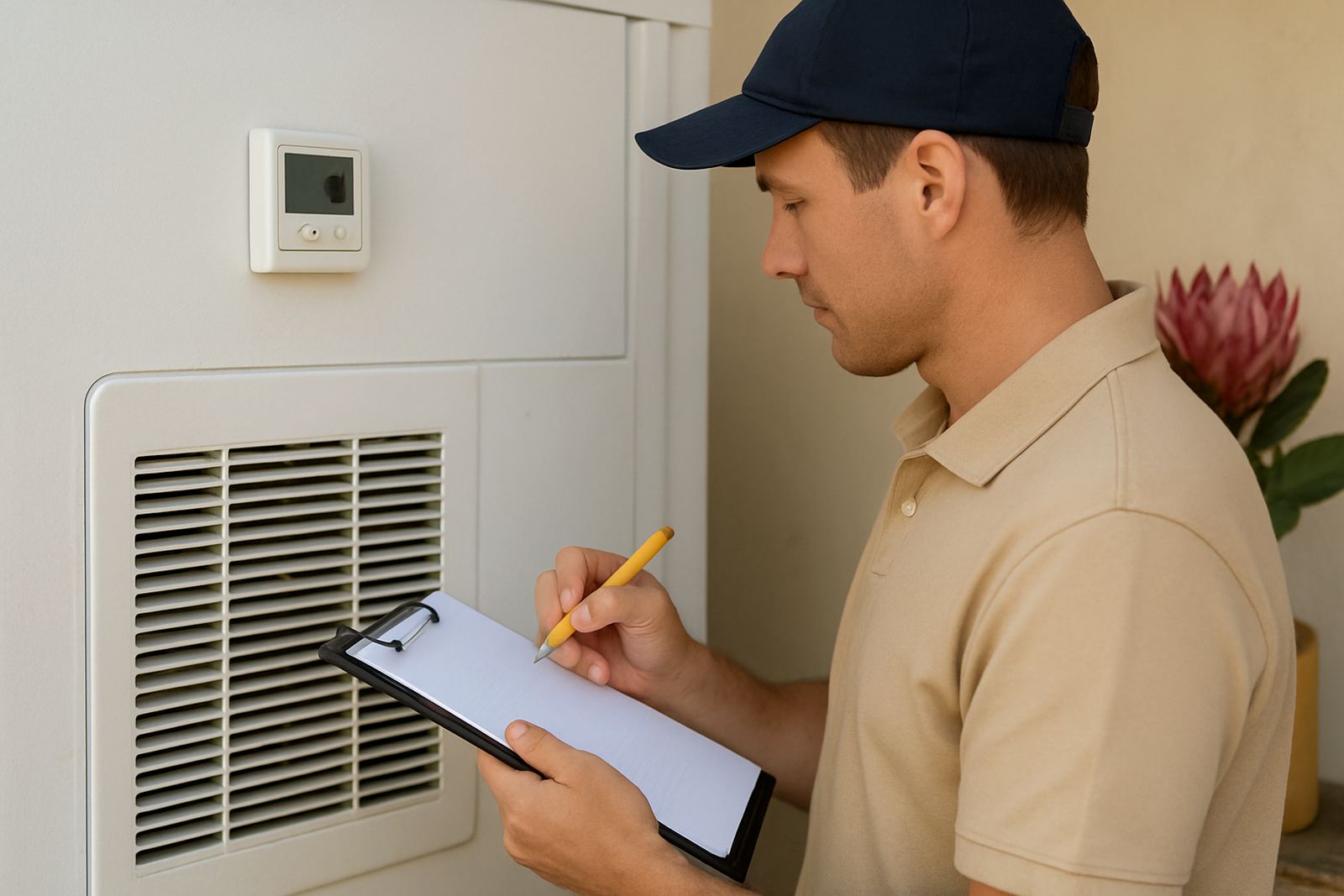
After placement, we leave the logger to capture normal operation over the agreed period. For short checks, that may be 24 to 72 hours. For stock records or seasonal proof, we usually recommend 7 to 30 days so the report shows real patterns, not just one quiet day. Once the log is complete, we download the data, check the trend and send a plain English report with the key readings and any issues that need attention.
- Site review and logger selection
- Placement and verification on the day
- Logging period as agreed
- Download, report and follow-up call if needed
Turnaround times for urgent and planned work
For urgent stock checks, we aim to get a technician out fast, especially in Cape Town, Montague Gardens, Stellenbosch and Paarl where travel time is usually manageable. If a cold room has already shown unstable temperatures, we can often install a logger during the same call-out as the repair inspection. That helps you show when the problem started and whether it was linked to a power cut, failed compressor, iced coil or a door that was left open.
Planned logging is the better option when you need cleaner records for audits or supplier files. In those cases we schedule the job around delivery times and stock movement so the data is not distorted by loading activity. At busy farms and packhouses, early morning placement often works best. On retail sites, after-hours placement can reduce disruption.
Most short reports are ready within 1 to 2 working days after we collect the logger. Longer monitoring jobs are issued soon after the agreed capture period ends. If a client needs a same-week summary, we say so upfront and confirm whether the data window allows it.
Pricing built around points, duration and reporting depth
Temperature logging is priced by the number of monitoring points, how long the logger stays on site and how detailed the final report must be. A simple single-room check costs less than a multi-point log across several cold rooms or a packhouse with different temperature zones. If we need to return to site for retrieval, that is included in the quote where possible so there are no surprises.
We keep pricing practical for Western Cape businesses that need proof without paying for extras they do not use. Maintenance clients often get better value because logging can be folded into the wider service plan, together with coil cleaning, drain clearing and seasonal start-up checks. That helps keep the room steady before the warmer months and during high humidity periods along the coast.
- One point or multiple points quoted separately
- Short audit check or longer stock record period
- Optional alarm review and technical notes
- Contract pricing available for repeat sites
Maintenance intervals for steady records through the year
For cold rooms that carry fresh produce, dairy, meat or flowers, we usually advise logging at least once before peak season and again after any repair or shutdown. On farms, that often means pre-harvest, mid-season and after a major power interruption. In shops and distribution rooms, quarterly checks are a sensible base, with extra logging after compressor work, door seal replacement or thermostat changes.
Where the site has a history of icing, warm air infiltration or generator changeover problems, more frequent logging gives better control. Even a well-run room can drift when ambient conditions change, so the record needs to show what happens in a normal week and not only on a good day. We will also tell you if the temperature spread suggests a bigger issue such as poor airflow, a blocked drain or a weak seal on the door frame.
That way the log is more than paperwork. It becomes a practical tool for stock safety, claim support and better fault finding across the season.
Key facts
| Monitoring range | -30 C to +30 C depending on the logger and site needs |
|---|---|
| Sampling interval | Set from 1 minute to 30 minutes |
| Typical logging periods | 24 hours to 30 days, with longer runs on request |
| Report format | Temperature trend summary with key events and notes |
| Common sites | Cold rooms, chillers, prep rooms, packhouses and store rooms |
| Service area | Cape Town, Montague Gardens, Stellenbosch, Paarl, Malmesbury and Vredenburg |