What our leak detection service covers
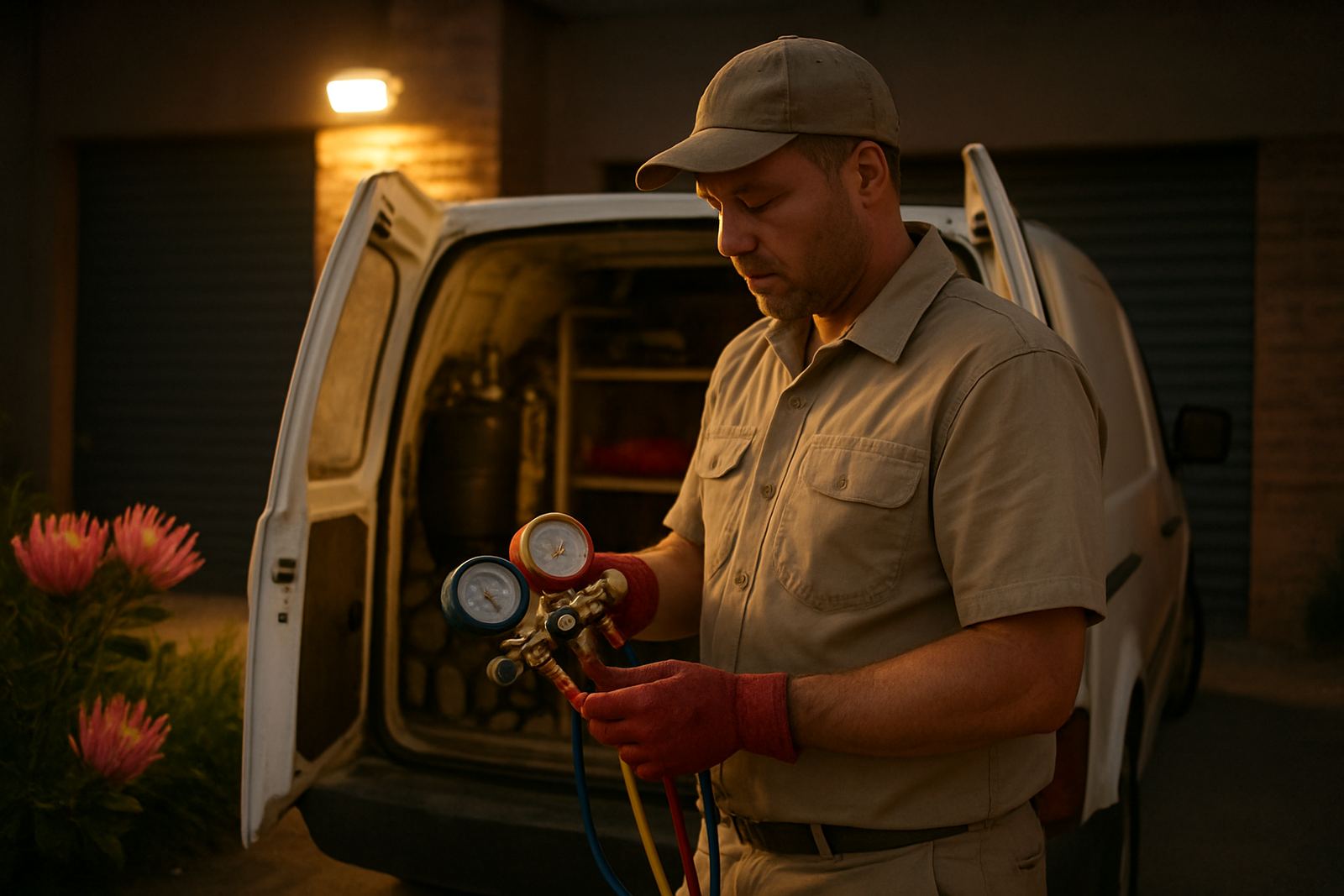
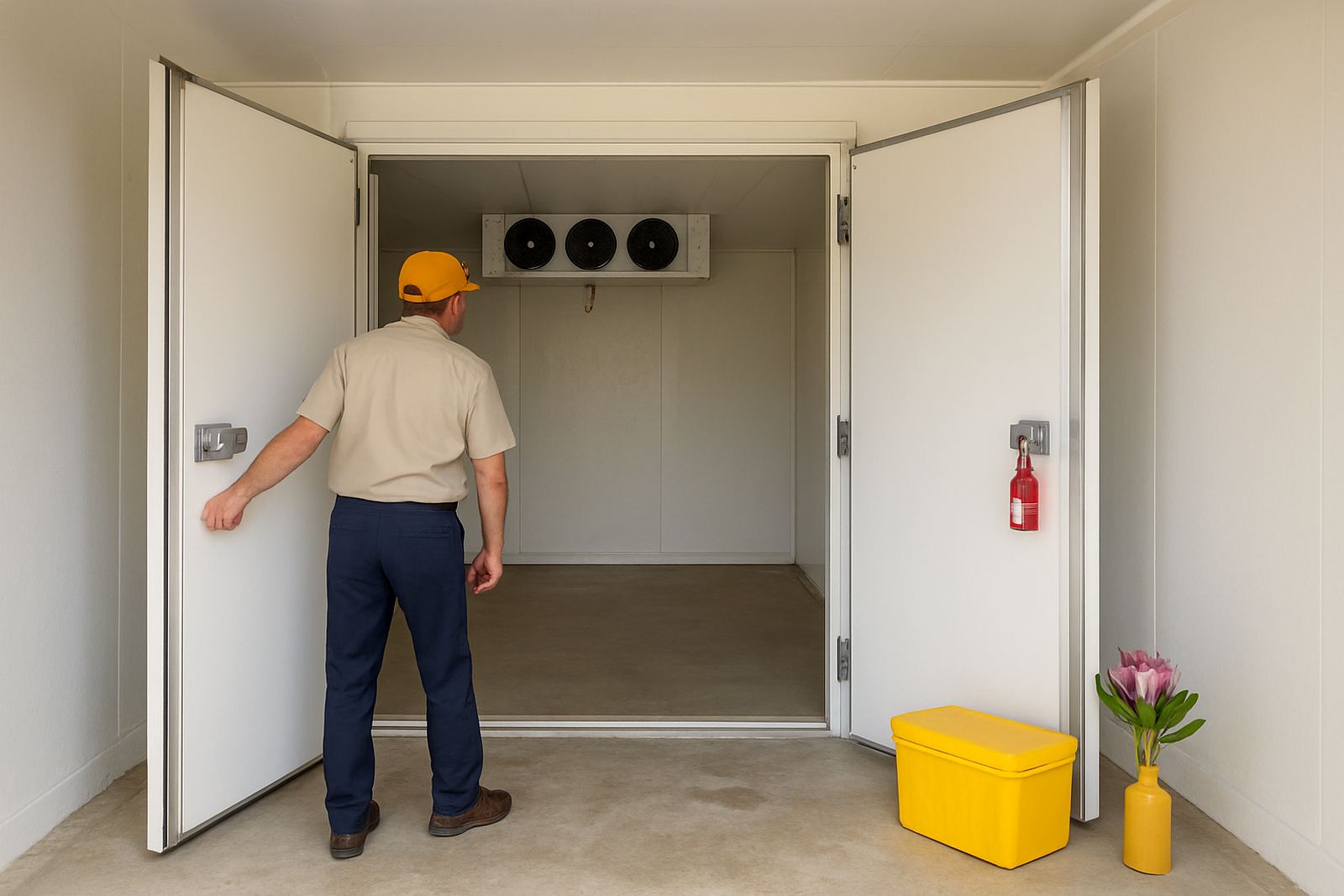
We trace refrigerant leaks on cold rooms, bottle stores, shop fridges, split aircon systems and farm cooling equipment across Cape Town, Montague Gardens, Stellenbosch, Paarl, Malmesbury and Vredenburg. The aim is simple, find the leak, confirm the source and tell you what needs to be repaired before more gas is lost and the compressor starts working harder than it should.
Leak detection is not just a quick spray test. We check the full circuit, pipe joints, valves, coils, drains and service points, then look at operating pressures, temperatures and run time. On older systems we also watch for oil marks, uneven frosting, vibration damage and signs of corrosion, especially near the coast where salty air can eat into copper and fixings faster than most people expect.
- Refrigerant leak tracing on commercial and light industrial systems
- Pressure and temperature checks before and after inspection
- Visual inspection for oil staining, wear and corrosion
- Repair planning with clear notes for the next step
- Suitable for low-charge systems, old installations and unreliable units
How we trace a leak on site
We start by asking what has changed, high power draw, poor pull down, warm product, short cycling or repeated gas top-ups. Then we isolate the system where needed and check it in a proper sequence so we are not guessing. The process is practical and usually done in stages, because some leaks only show under pressure or after the unit has run long enough to warm up and settle.
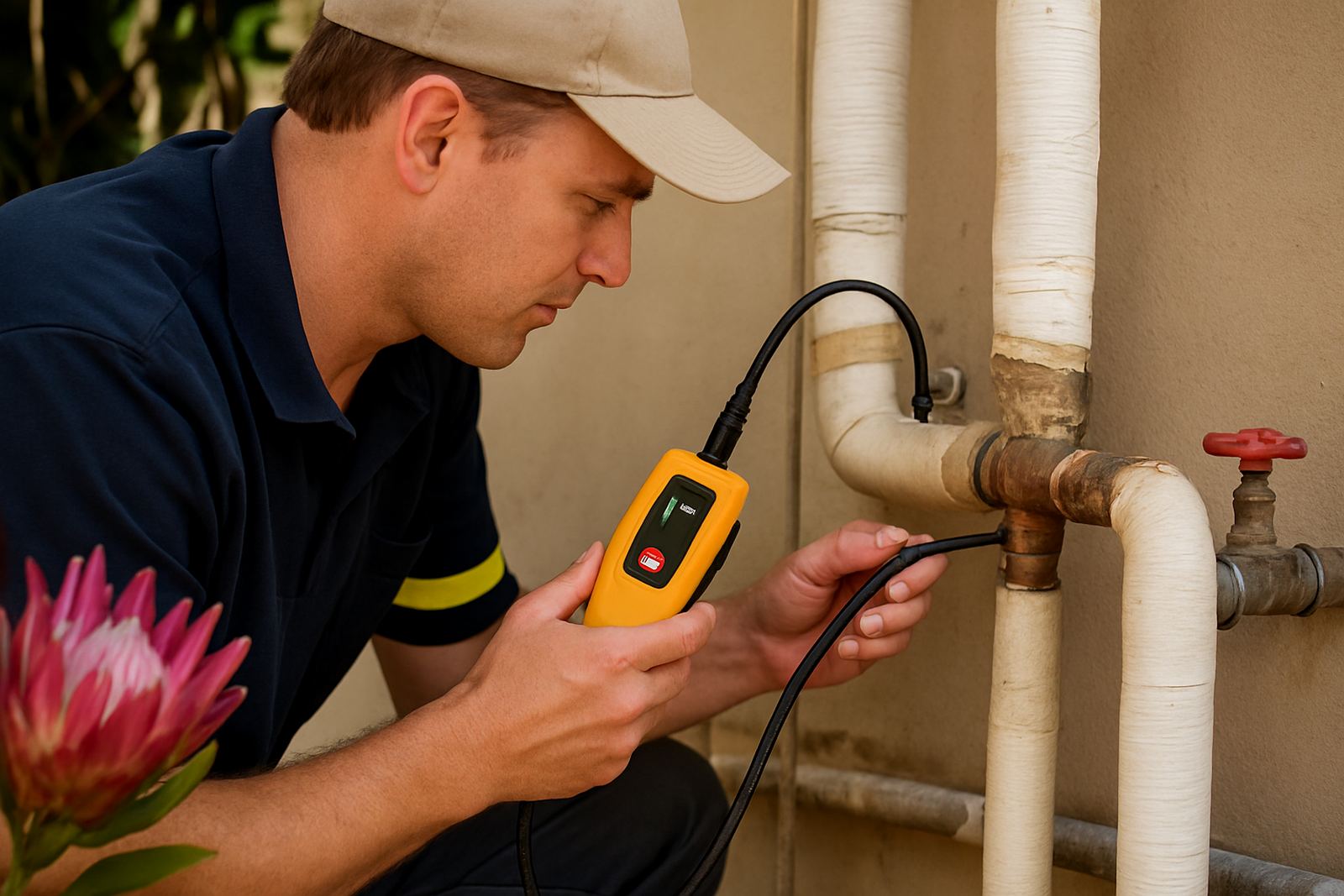
Depending on the system, we use electronic detection, soap testing, nitrogen pressure testing, thermal checks and targeted visual inspection. Where access is tight, such as ceiling voids, rooftop pipework or cold room plant tucked behind stock, we work methodically and log what we find. If a circuit has been tampered with before, or patched badly, we note that as part of the fault history so you are not left with the same issue again in two months.
- Initial fault check and operating condition review
- Pressure test with dry nitrogen where the system allows
- Electronic tracing around joints, coils, valves and service ports
- Confirmation of the leak point before any repair quote is prepared
- Photos and written notes for the maintenance file if required
Typical signs you may have a refrigerant leak
Many clients call us after the system has already lost too much gas to hold temperature properly. The earlier the leak is found, the smaller the repair and the lower the risk of compressor damage. In shops and cold rooms, a leak often shows up as product temperature drifting up during busy periods or the unit taking much longer to recover after doors are opened.
Common warning signs include frosting on one part of the coil only, hissing near pipework, oily residue around joints, higher than normal running current and short on, short off cycling. On aircon systems, weak cooling and ice on the indoor unit can also point to low refrigerant from a leak, not just a dirty filter or blocked coil.
- Unit cooling less than usual or not holding set temperature
- Ice forming in odd places on pipework or coils
- Frequent topping up without a lasting fix
- Compressor running longer and using more electricity
- Oil marks, green staining or corrosion near joints and bends
Turnaround times for urgent and planned work
For urgent call-outs in Cape Town, the northern suburbs and nearby Winelands areas, we aim to get a technician out as soon as the route allows, especially when stock is at risk or a cold room is climbing above safe range. Planned leak detection for maintenance clients is scheduled in advance, with site access, system details and any previous fault history checked before arrival.
Simple faults can sometimes be confirmed on the first visit. More difficult leaks, especially on concealed pipe runs or older systems that need pressure testing and isolation, may take longer and can require a return visit once the system has been prepped. We will tell you when a repair needs to be broken into stages, so you can plan around trading hours, stock movements and load-shedding windows.
- Emergency response for critical cooling loss where possible
- Same-day or next-day attendance for many Western Cape locations
- Scheduled maintenance visits for non-urgent systems
- Return visits arranged for hidden or intermittent leaks
Pricing approach and what affects the cost
We price leak detection according to the type of system, site access, the amount of testing needed and whether the fault is on a small split unit, a packaged cold room system or a larger multi-point installation. A straightforward leak on accessible pipework is handled differently from a system with hidden lines, roof plant, multiple circuits or repeated gas loss after previous repairs.
You will be told what is included before we start. If the system needs nitrogen testing, extended tracing time, access equipment or a follow-up visit, we explain that in advance rather than adding surprises later. For clients with maintenance contracts, leak detection can often be worked into the service schedule, which helps keep costs steadier over the year and reduces emergency call-outs.
We do not recommend repeated gas top-ups on a leaking system. It is usually false economy, and in many cases it makes the final repair more expensive because the fault is left to worsen. Better to locate the source, fix it properly, then recharge and verify performance.
Maintenance intervals and what to monitor afterwards
For most commercial systems, leak checks should form part of regular maintenance, not only emergency work. In dusty inland areas, coastal air, high-use kitchens and cold rooms that open often, we recommend closer inspection because vibration, dirt and corrosion can quickly loosen joints or wear out seals. Seasonal start-up and shutdown periods are also good times to catch slow leaks before peak demand.
After a leak repair, we recommend watching temperatures, pressures and run time for at least the first few weeks. Temperature logging helps show whether the system is stable or still drifting. If a system has had repeat problems, a shorter maintenance interval is wise so we can spot trends early rather than after stock has already been affected.
- Quarterly checks for busy retail and food storage sites
- Twice-yearly checks for standard commercial aircon and refrigeration systems
- Extra checks after vibration, storm damage or major power interruptions
- Temperature logging where product safety or compliance matters
What you get in the service report
Every leak detection visit should leave you with a clear record, not just a verbal explanation. We note what was tested, what was found, where the leak is likely to be and what repair action is needed next. That helps managers, owners and maintenance teams make quicker decisions, especially when more than one site is involved across the Western Cape.
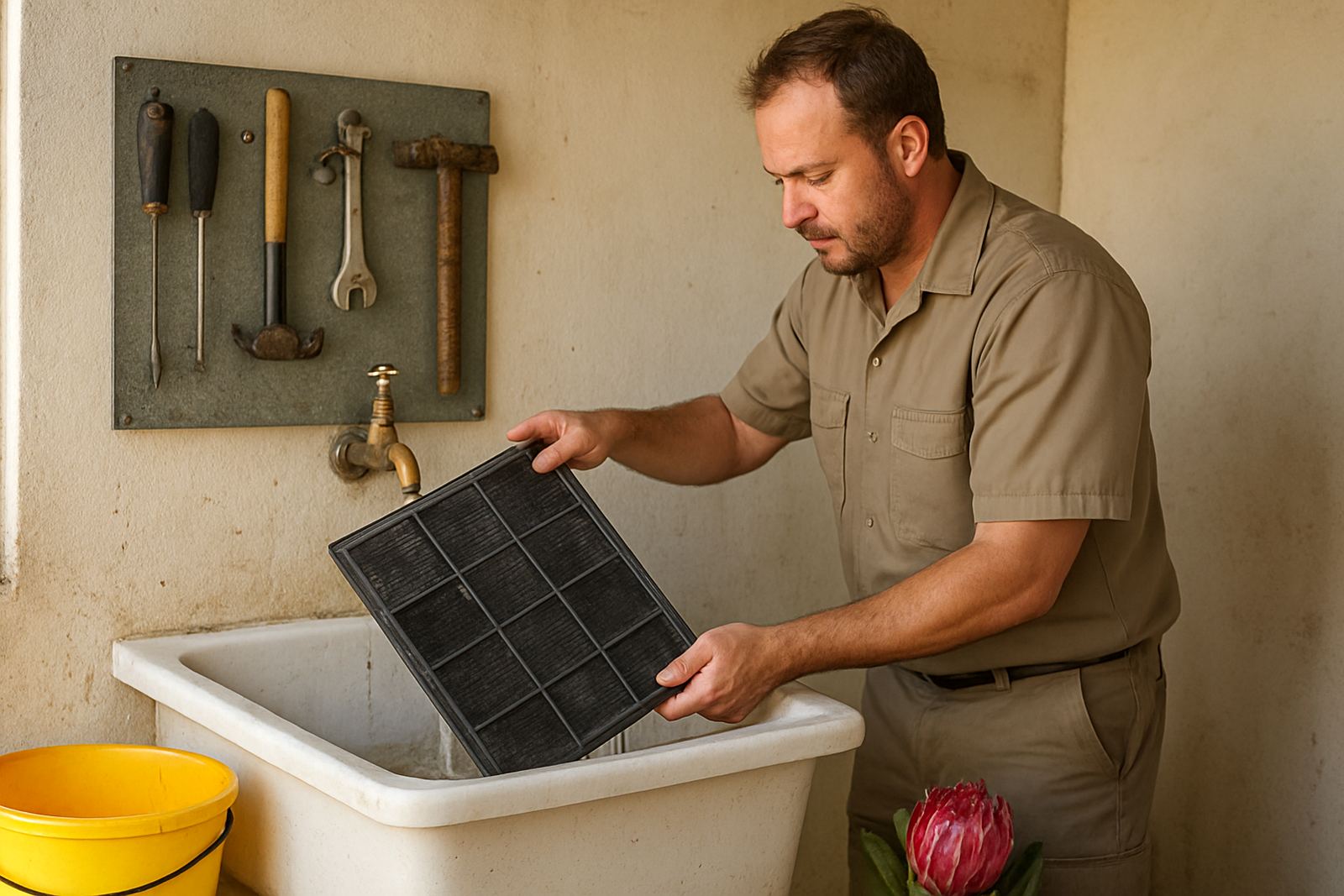
For shops and farms, the report can also help with planning around stock rotation, shutdowns and follow-up maintenance. If the issue is linked to coil cleaning, blocked drains or poor airflow, we will mention it. Sometimes a leak is only part of the problem, and fixing the bigger cause saves a second call later on.
- Fault summary and leak location notes
- Testing method used and pressure readings where relevant
- Repair recommendation and parts likely to be required
- Advice on whether the system should be monitored or taken offline
Key facts
| Service area | Cape Town, Montague Gardens, Stellenbosch, Paarl, Malmesbury, Vredenburg and surrounding Western Cape routes |
|---|---|
| System types | Cold rooms, shop fridges, split aircon, condensing units, light industrial refrigeration |
| Leak tracing methods | Electronic detection, nitrogen pressure testing, soap test, visual inspection, temperature and pressure checks |
| Typical fault signs | Low cooling, ice build-up, oil staining, compressor strain, frequent gas loss |
| Response format | Emergency call-outs and scheduled maintenance visits |
| Reporting | Written fault notes, test results and repair recommendation |