What our planned maintenance covers
Planned maintenance is more than a quick clean. For shops, farms and light commercial sites, we service the parts that carry the load every day, especially where dust, coastal humidity and power interruptions put extra strain on the system. We work on split aircons, package units, cold rooms, upright fridges, condensing units and associated controls.
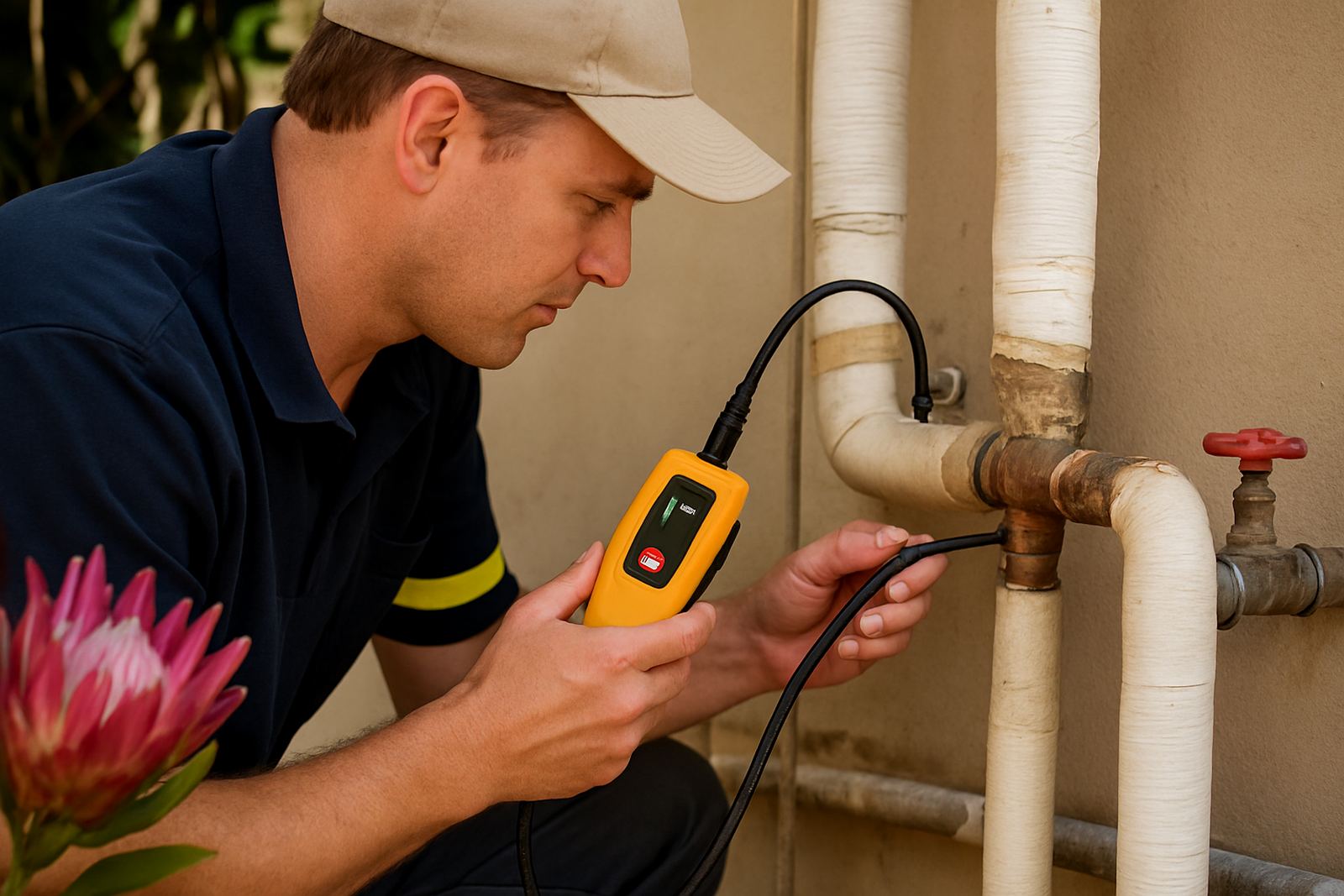
Typical maintenance visits include coil cleaning, drain clearing, fan and belt inspection where fitted, contactor and relay checks, thermostat or controller verification, gas pressure checks, temperature logging, and a visual inspection for oil marks or vibration. We also inspect insulation, door seals, drip trays, filters and condensate flow. If a unit is cycling too often or struggling to reach set point, we pick that up early instead of waiting for a breakdown.
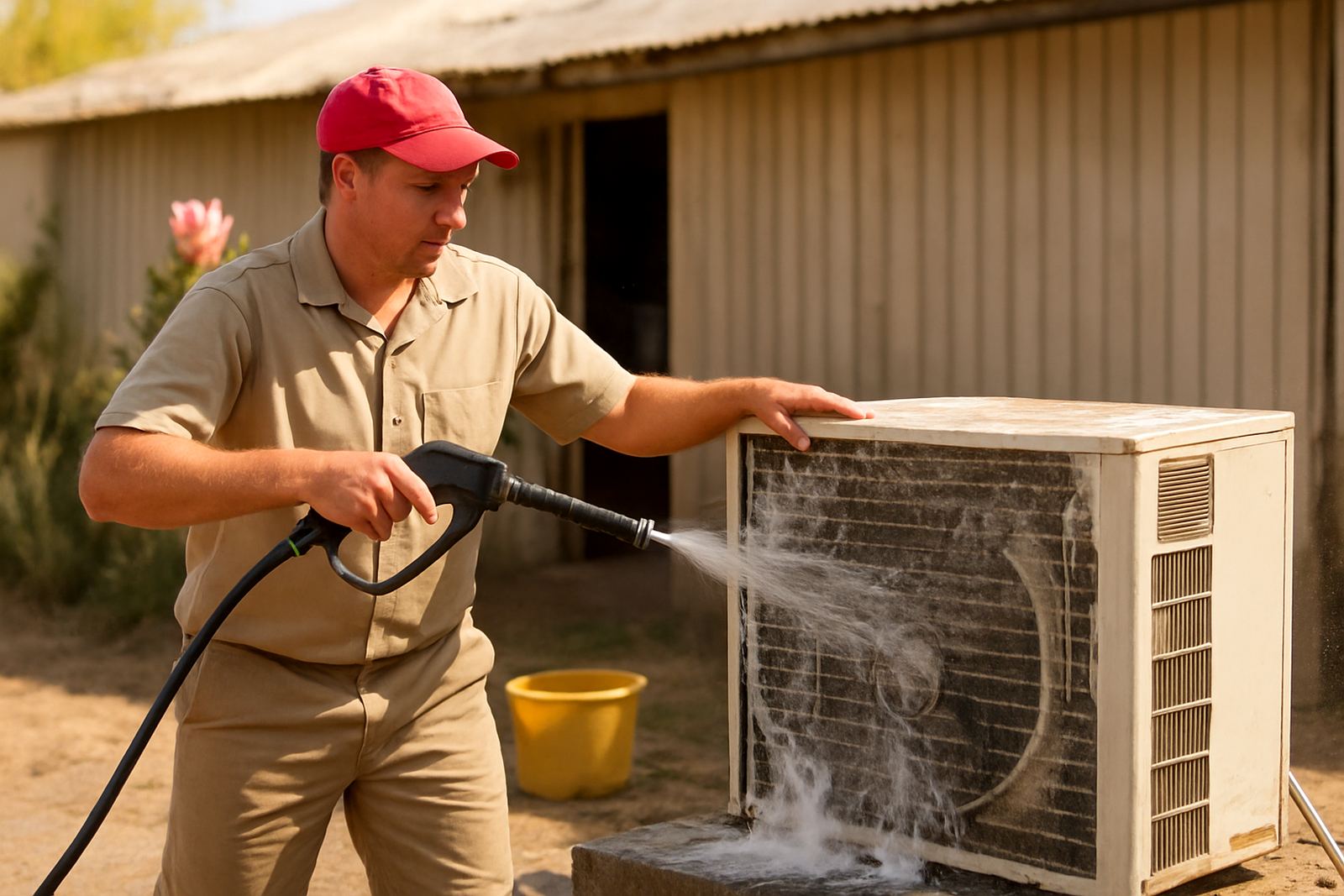
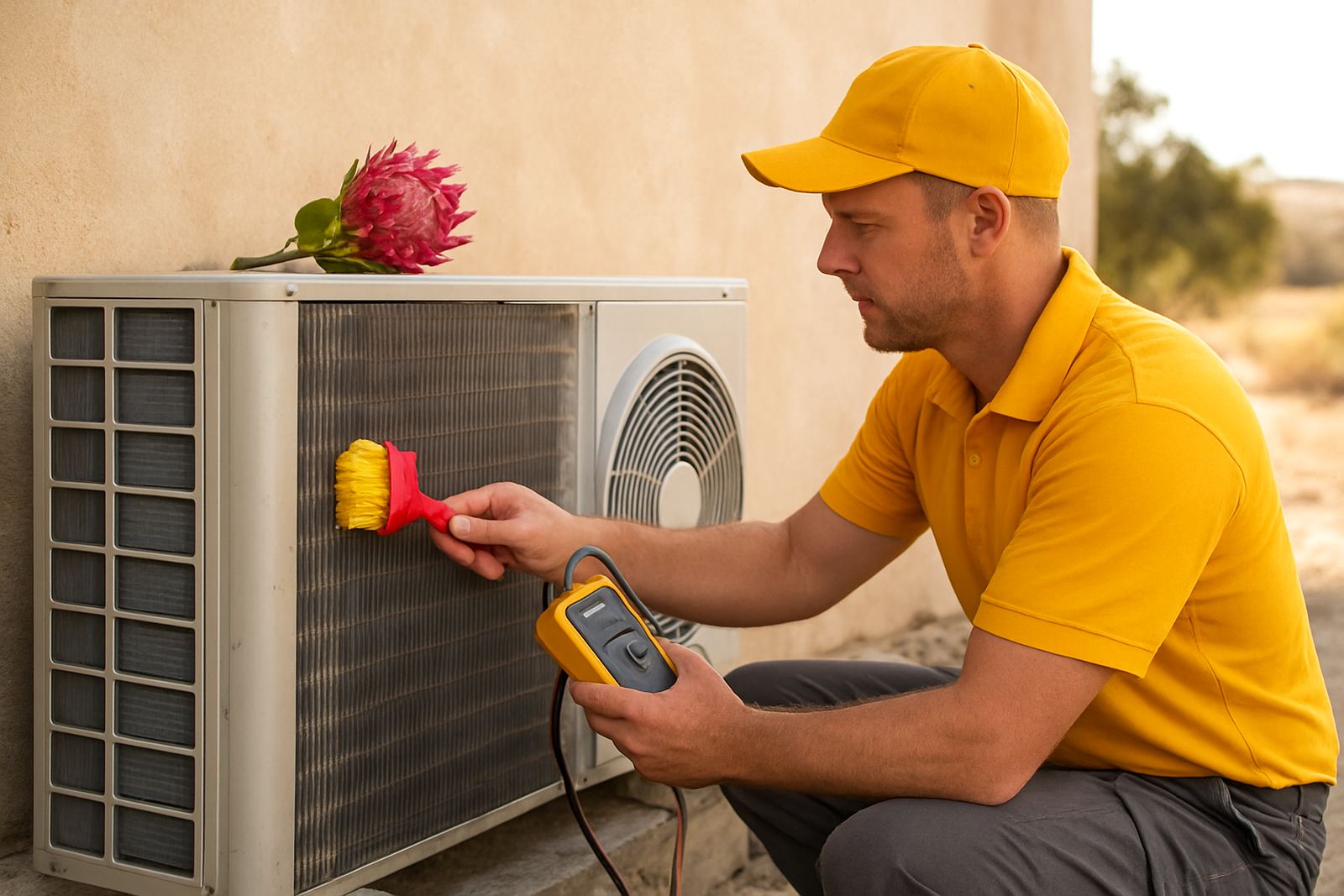
- Evaporator and condenser coil cleaning
- Drain line flushing and drip tray inspection
- Operating temperature and pressure checks
- Airflow and filter inspection
- Electrical connection tightening and fault spotting
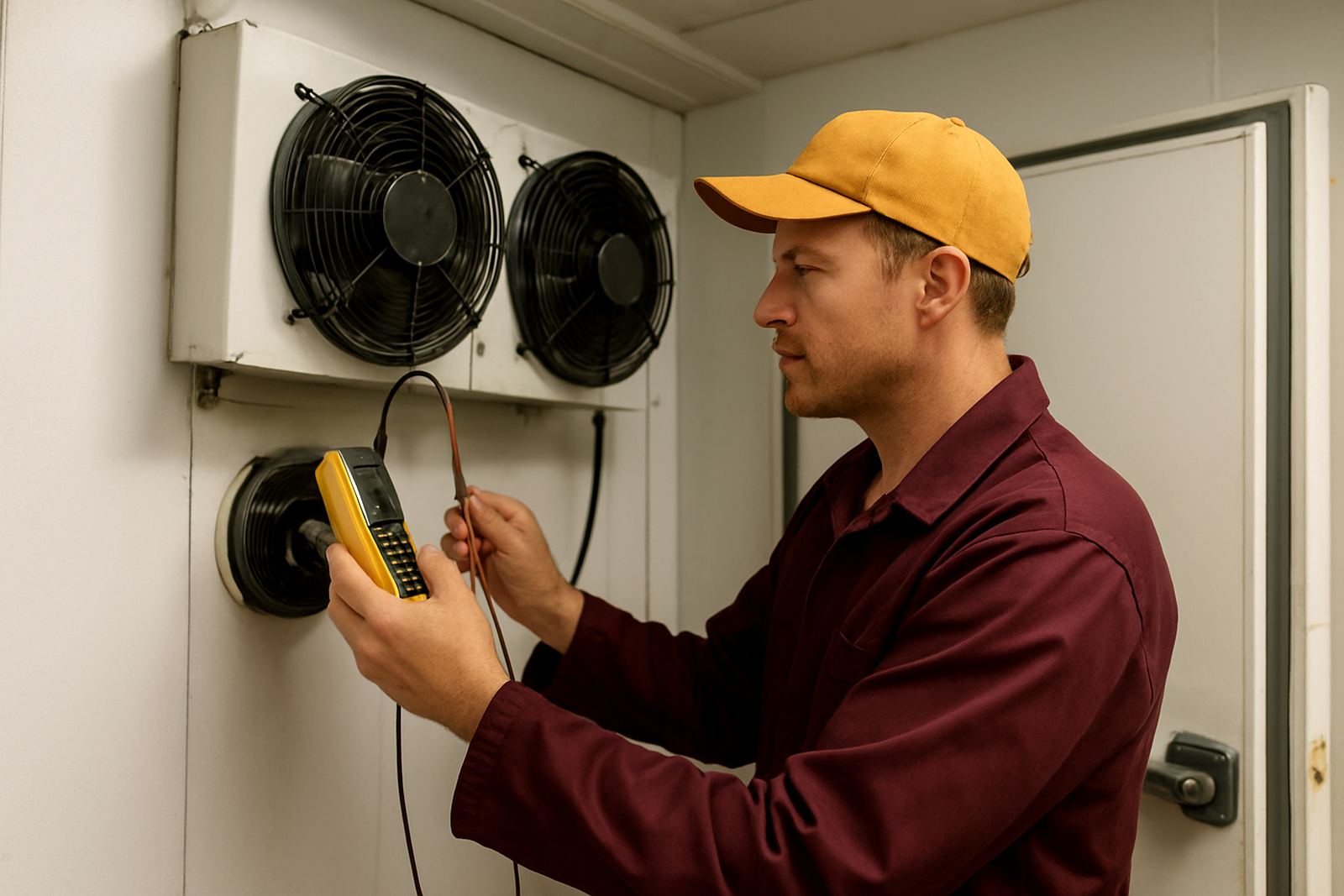
- Temperature logging for cold rooms and stock areas
How we schedule maintenance in the Western Cape
We build service plans around the season and the site. A cold room at a farm packhouse needs a different interval to a shop aircon in central Cape Town, and a unit in Vredenburg faces different dust and wind exposure compared with one in Stellenbosch. We cover Cape Town, Montague Gardens, the Winelands and the West Coast, and we group routes where we can to keep response times sensible.
Most aircon units do well on quarterly servicing, while busy cold rooms and high-use commercial systems may need monthly or six-weekly checks. Smaller sites can often run on twice yearly servicing, especially where the load is steady and the rooms are well sealed. We will recommend an interval based on use, age, ambient conditions and whether the site has load-shedding back-up or frequent voltage changes.
- Quarterly for high-use aircon and retail refrigeration
- Monthly or six-weekly for critical cold rooms
- Twice yearly for lighter commercial use
- Extra pre-season visits before summer and before harvest periods
Step by step: from booking to service report
Charlene confirms the booking, the site contact and any access rules before a technician is dispatched. On arrival, the technician checks the unit history, confirms operating conditions and makes the area safe. If the system is a cold room, we note box temperature, product risk and any alarms or recent shutdowns.
We then work through the service in a set order so nothing gets missed: isolate power where needed, inspect the electrical side, clean the coils, clear drains, check refrigerant circuit signs, test controls and restart the unit under load. Where required, we allow enough time for the system to stabilise and record return temperatures. If we find a developing issue, we report it with practical options rather than leaving you guessing.
- Booking and access confirmation
- On-site inspection and isolation
- Cleaning, testing and adjustments
- Restart, stabilisation and logging
- Written feedback and repair recommendations
What we look for on each visit
We pay attention to the small faults that become expensive later. A blocked drain can flood a storeroom. Dirty condenser fins can push head pressure up and shorten compressor life. Loose terminals can cause intermittent trips during load-shedding recovery or after voltage dips. In coastal areas, salt air can also speed up corrosion on fixings, housings and connections.
For cold rooms, we check door closures, seals, defrost operation, temperature stability and how quickly the room recovers after opening. On aircon systems, we look for refrigerant leaks, poor airflow, fan noise, dirty filters and signs that the unit is working harder than it should. If there are repeated faults, we can advise whether the unit needs a parts replacement, a deeper clean or a change in service interval.
We do not over-service equipment that does not need it, but we also do not leave a unit running with a known weakness. A good service should tell you what is fine, what is worn, and what needs attention before the next peak period.
Turnaround times and site planning
For routine planned maintenance, turnaround is usually based on the size of the site and the number of units on the list. A single split aircon can often be serviced in under an hour, while a small cold room or a multi-unit shop may take half a day or more. Larger farm sites with several rooms, condensing plants and long pipe runs are scheduled with proper time blocks so the work is done neatly and without rushing.
Where a system shows a fault during a maintenance visit, we can often do basic corrective work on the spot if the parts and access are suitable. If a deeper repair is needed, we flag it straight away and set out the next step. We aim to keep downtime low, because in refrigeration the cost is often in the stock risk, not only the labour.
- Single unit servicing: often same day or next available route
- Small commercial sites: half day scheduling
- Multi-unit or cold room sites: planned route booking
- Fault follow-up: scheduled once the issue is confirmed
Pricing approach and what affects the quote
Our pricing is based on the type of equipment, the number of units, site access, service interval and what is included in the visit. A straightforward maintenance plan for a small office or shop will cost less than a cold room programme with logging, more testing and multiple service points. We quote plainly so you can see what is included and where any extras may apply.
Things that affect pricing include roof access, distance between units, after-hours work, the level of dirt build-up, whether the system needs deep cleaning, and whether there are consumables such as filters or minor electrical parts to replace. If you want a contract with set visits, reporting and priority call-out support, we can structure that as a monthly or annual agreement. That makes budgeting easier and avoids surprises.
We are happy to quote per visit or on a contract basis, depending on how the site runs. For farms and stores with seasonal peaks, we often recommend a mix of scheduled maintenance and pre-season checks so the unit is ready before the busy months hit.
Why maintenance matters for stock, comfort and compliance
Cooling equipment often fails quietly before it fails completely. A room can still be cold enough for a few days while energy use climbs and the compressor works harder than it should. Planned maintenance keeps temperatures more stable, helps protect stock quality and can reduce the risk of emergency call-outs at the worst time. It also gives you records that show the system has been checked on schedule.
For food sites and packhouses, regular temperature logging supports internal controls and makes it easier to spot drift before it becomes a loss. For aircon, stable servicing keeps staff areas comfortable and helps prevent nuisance trips during the hottest part of the season. In short, good maintenance saves time, money and a lot of back and forth later on.
If you need a maintenance programme in Cape Town, Montague Gardens, Stellenbosch, Paarl, Malmesbury or Vredenburg, we can set it up around your site and your hours. The aim is simple: keep the equipment running, keep the numbers steady, and catch the issues early.
Key facts
| Service types | Cold rooms, commercial refrigeration, split aircon and associated controls |
|---|---|
| Maintenance intervals | Monthly, six-weekly, quarterly or twice yearly depending on use |
| Core checks | Coils, drains, fans, filters, pressures, temperatures and electrical connections |
| Reporting | Service notes, fault findings and temperature logs where required |
| Coverage | Cape Town, Montague Gardens, Stellenbosch, Paarl, Malmesbury and Vredenburg |
| Typical visit length | Under 1 hour for a single unit, half day or more for multi-unit sites |