Set the logger where it gives a true reading
The first step is placing the logger in the right spot. If it sits too close to an evaporator, door opening or fan blast, the reading can swing up and down for the wrong reason. For cold rooms and fridge lines we usually look for a position that reflects the stored product, not just moving air.
In a shop or packhouse that often means the middle of the load, away from direct airflow and at the level of the goods. On a farm site in Stellenbosch, Paarl or the West Coast, we also check whether sun, dust, salt air or poor insulation is affecting the result. One bad position can make a healthy room look faulty.
Check what the readings are actually telling you
Temperature logs are only useful if the numbers are read with the right context. A brief spike after a delivery may be normal, while a slow rise over several hours can point to a door seal issue, iced coil or weak compressor. When a logger shows gaps, flat lines or strange jumps we look for battery, memory or probe problems first.
- Compare the logger time with the actual service time.
- Look for repeated spikes after loading or cleaning.
- Check if doors were left open for stock movement.
- Match the temperature with the product type and set point.
- Note any power cuts or load-shedding in the same period.
If the site had load-shedding in Cape Town or Malmesbury, that can explain a drift but it should still be recorded properly. Clear notes make later decisions much easier and save a lot of back and forth.
Keep a record that will stand up later
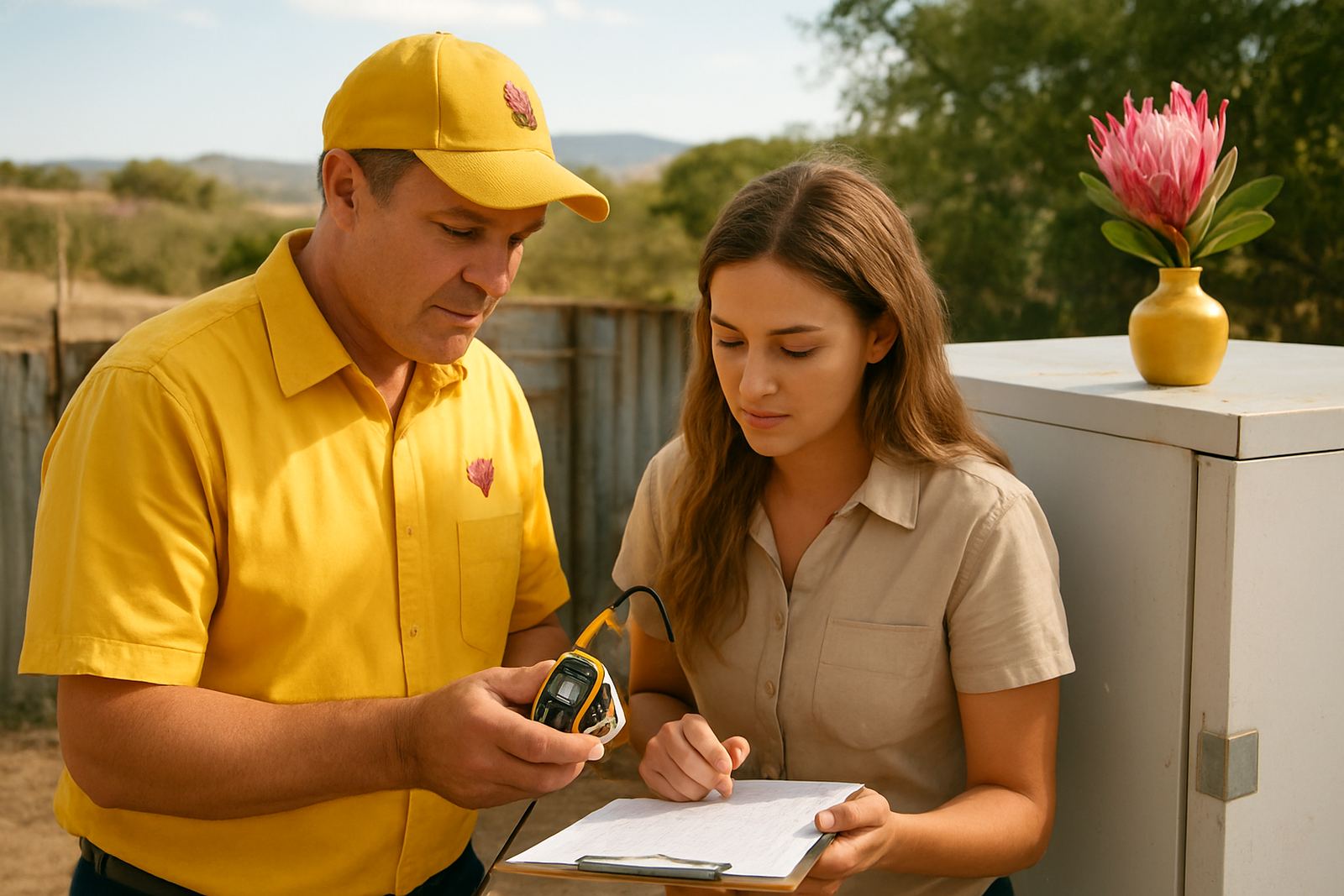
Good record-keeping is not just about filling in a sheet. It is about showing what happened, when it happened, and what action was taken. That matters for cold rooms, food handling, maintenance reviews and insurance questions. If there is a complaint or spoilage claim, the log should tell the story in plain terms.
- Date and time of each check
- Room name or unit number
- Actual reading and set point
- Any door faults, ice build-up or alarms
- Name of the person who made the entry
- Notes on power interruptions or repairs
We often find that sites have readings but no proper notes. Then nobody can tell if the room was opened for 20 minutes or if the unit was struggling all day. That gap causes trouble later on.
When the logger itself may be the problem
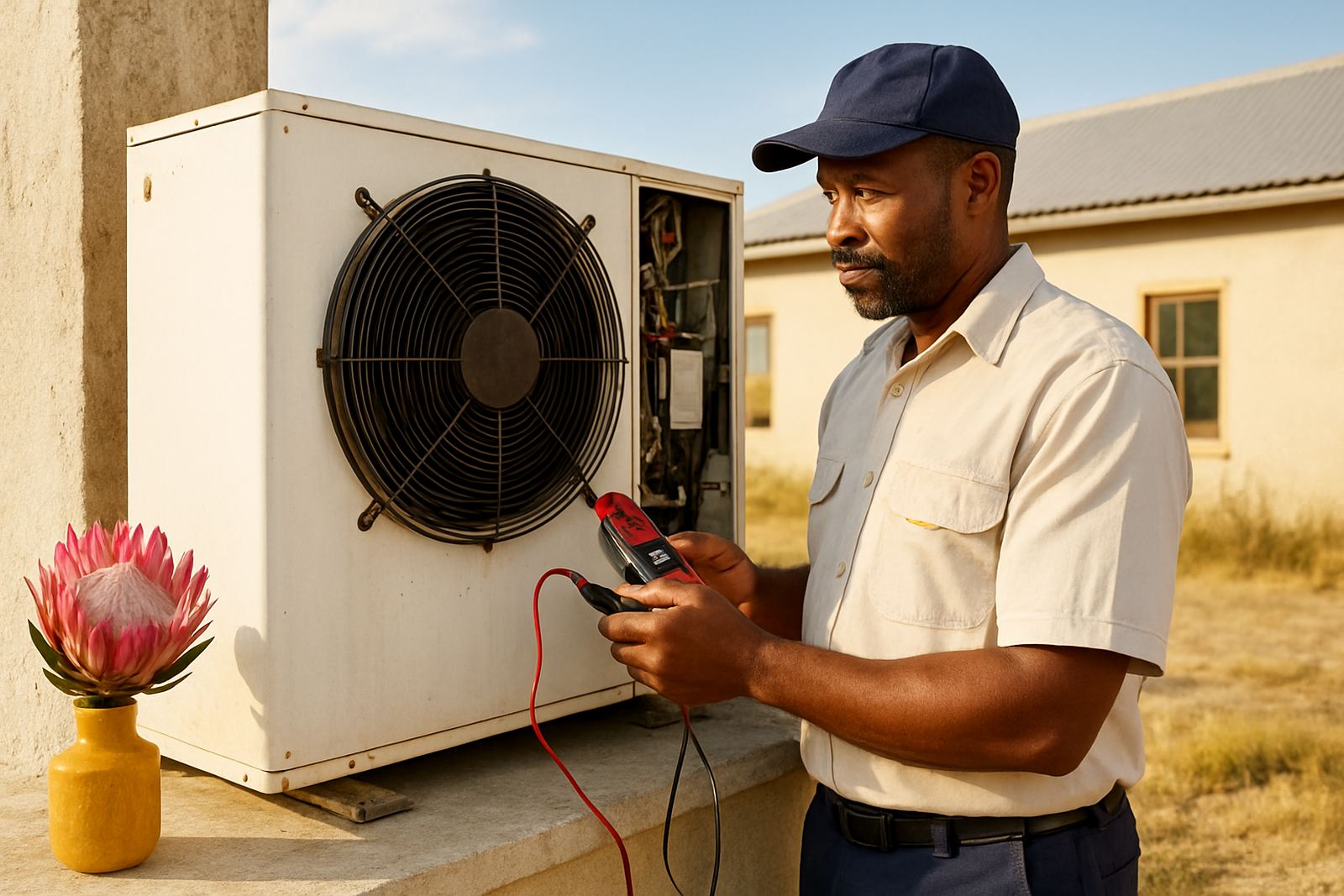
Sometimes the cold room is fine and the logger is the part giving trouble. We see flat readings from weak batteries, probes knocked loose during stock movement, and units that stop saving data after a power cut. In coastal areas like Vredenburg and Cape Town, humidity and salt air can also shorten the life of small electronics.
Before replacing equipment, we check the basics first:
- Battery condition and memory status
- Probe position and cable damage
- Time and date settings
- Any moisture inside the casing
- Whether the logger was reset after download
If the device needs a formal setup or a new placement plan, we can sort that during a service visit or maintenance call-out.
Use logs together with maintenance checks
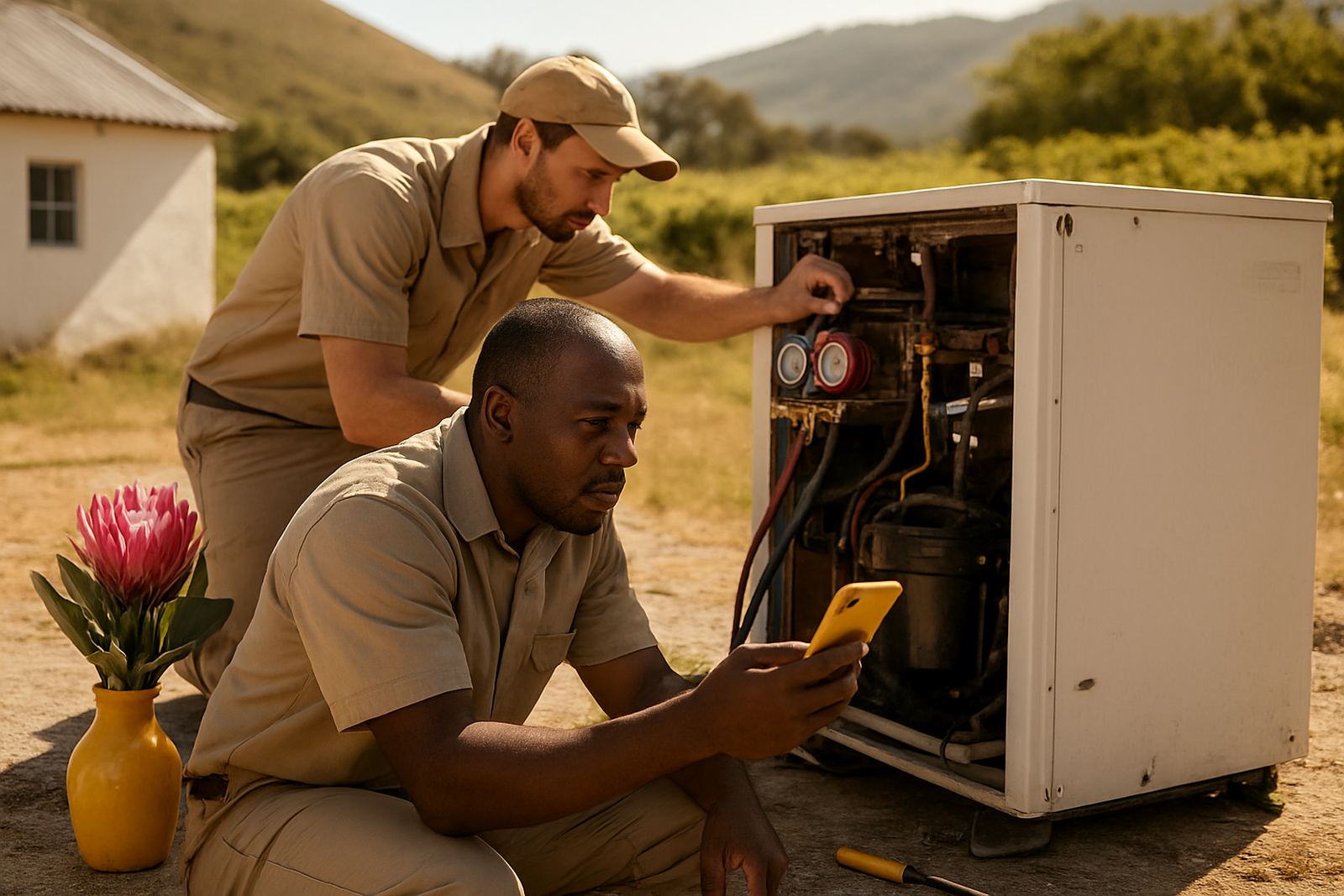
A temperature log is strongest when it sits alongside proper maintenance. Coil cleaning, drain clearing, door seal checks and seasonal start-up work all help the room hold temperature better. On farms and in shops alike, dirty coils or blocked drains often show up first as poor log results.
We use the logs to spot patterns. For example, if the room starts drifting every Friday afternoon, that may point to loading pressure or a traffic issue at the door. If the reading climbs every time the unit runs through defrost, the settings may need adjustment. That sort of detail is why logs matter.
For busy sites in Montague Gardens, Cape Town, Stellenbosch and Paarl, we can align the logging review with the service schedule so the same visit covers both the numbers and the plant condition.
How to ask for support from Kenny Cape West
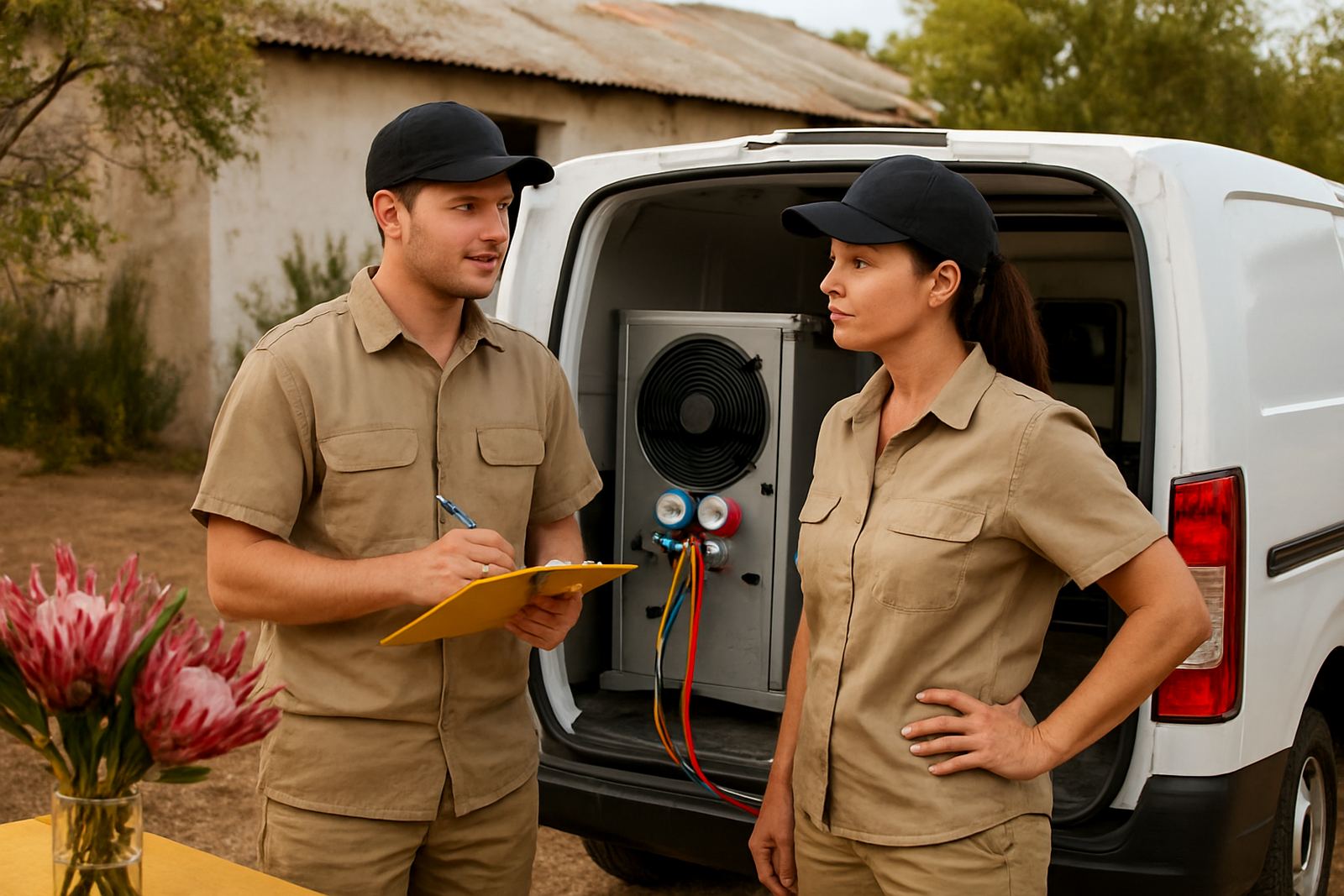
If you need help with logger placement, readings, or record-keeping, send us the details and we will talk you through the next step. It helps if you include the room type, the site address, the logger make or model if known, and what problem you are seeing. A photo of the unit and the recorded sheet can save time too.
Our team handles support for cold rooms, aircon and refrigeration across Cape Town, Montague Gardens, Stellenbosch, Paarl, Malmesbury and Vredenburg. We can assist with one-off call-out advice or build the logging support into a planned maintenance contract. If the issue points to a fault, we can move from advice to repair without starting over.
Email callouts@kennycapewest.co.za and tell us if the issue is urgent, ongoing, or linked to a recent shutdown. The more direct the note, the quicker we can help.